
See Inside the Mysterious, Long-Closed Brownstone on Columbia Heights
A walkthrough of the Italianate, now on the market, revealed grand details, including carved mantels, arched doors, and plasterwork.

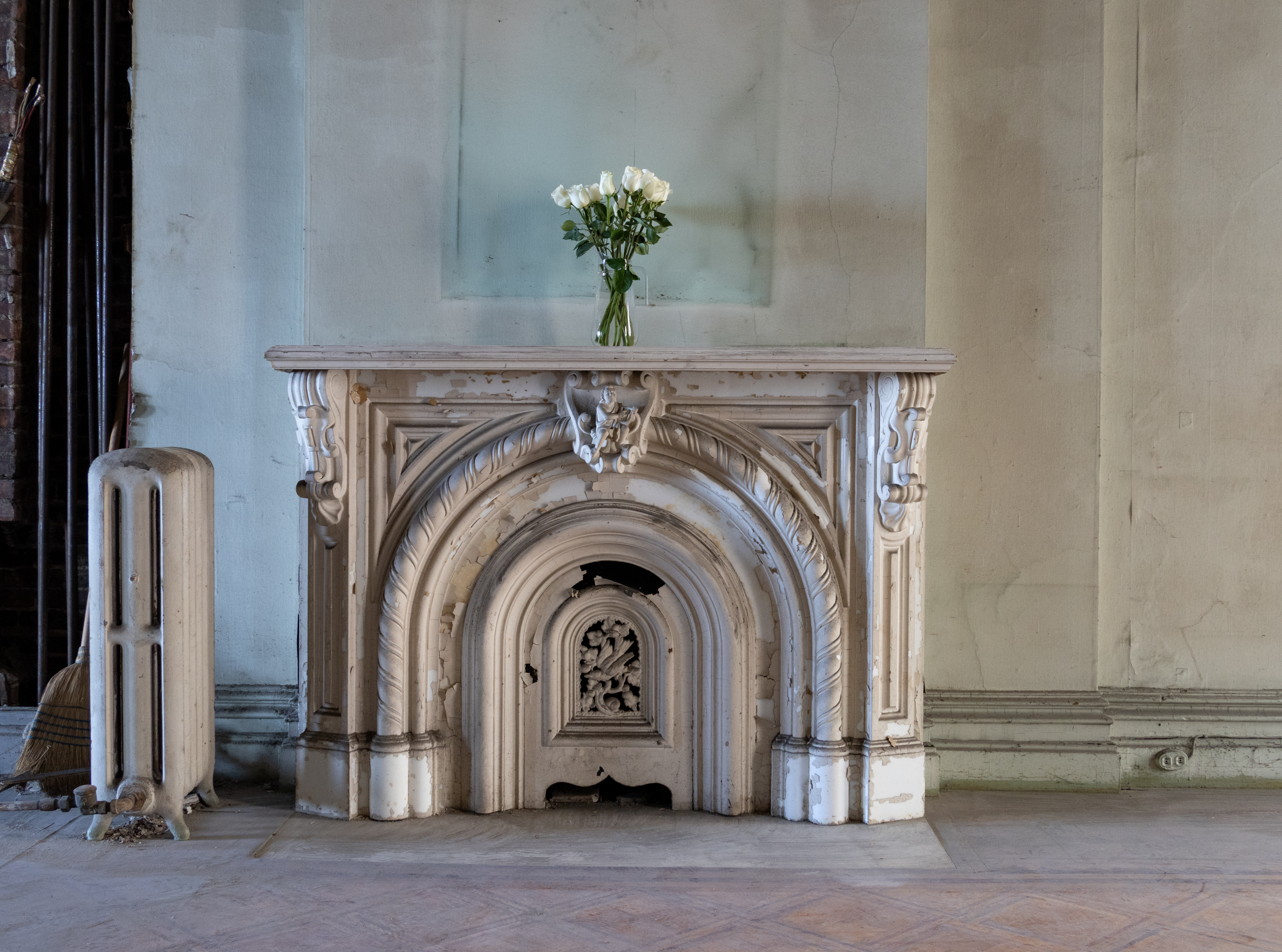
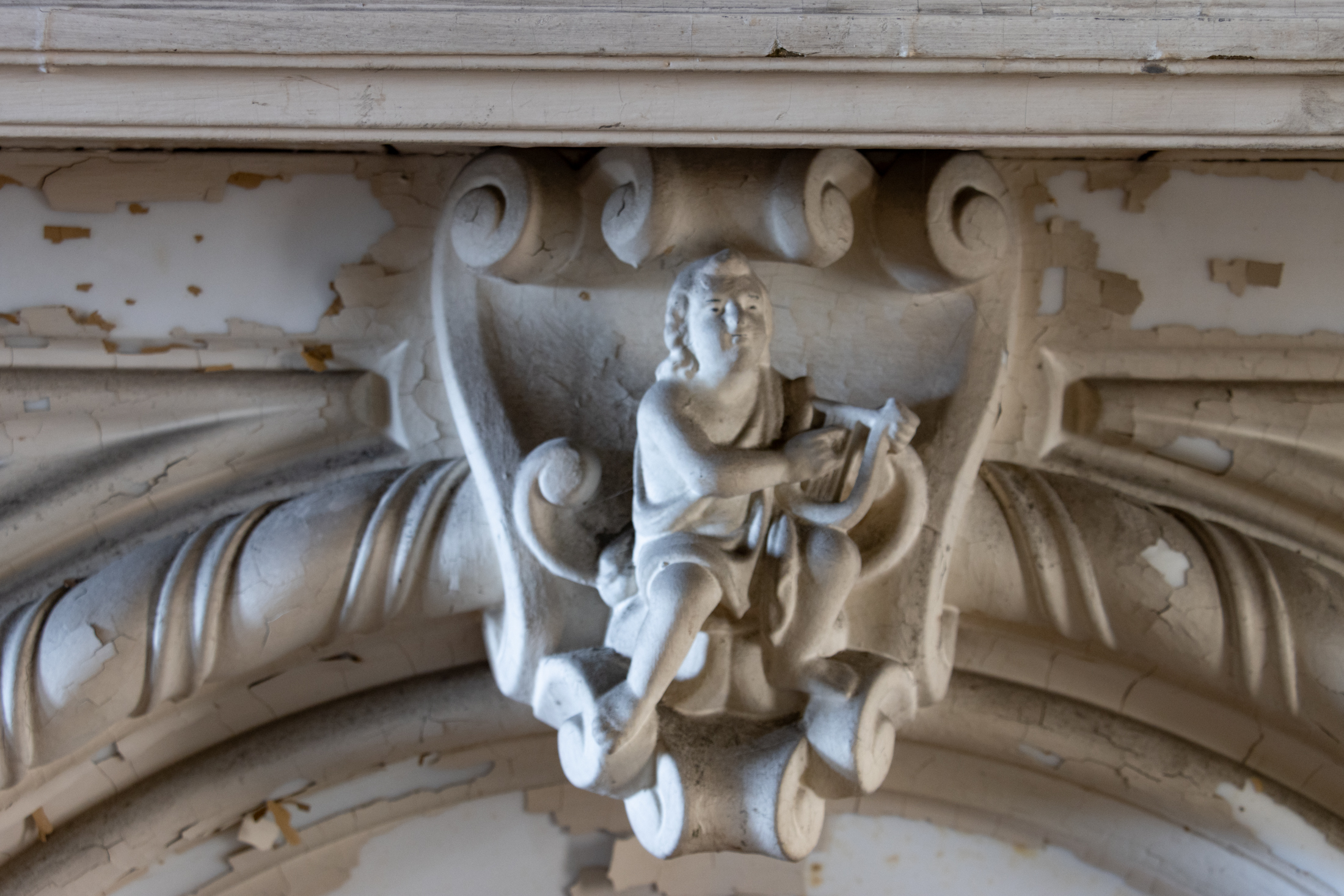
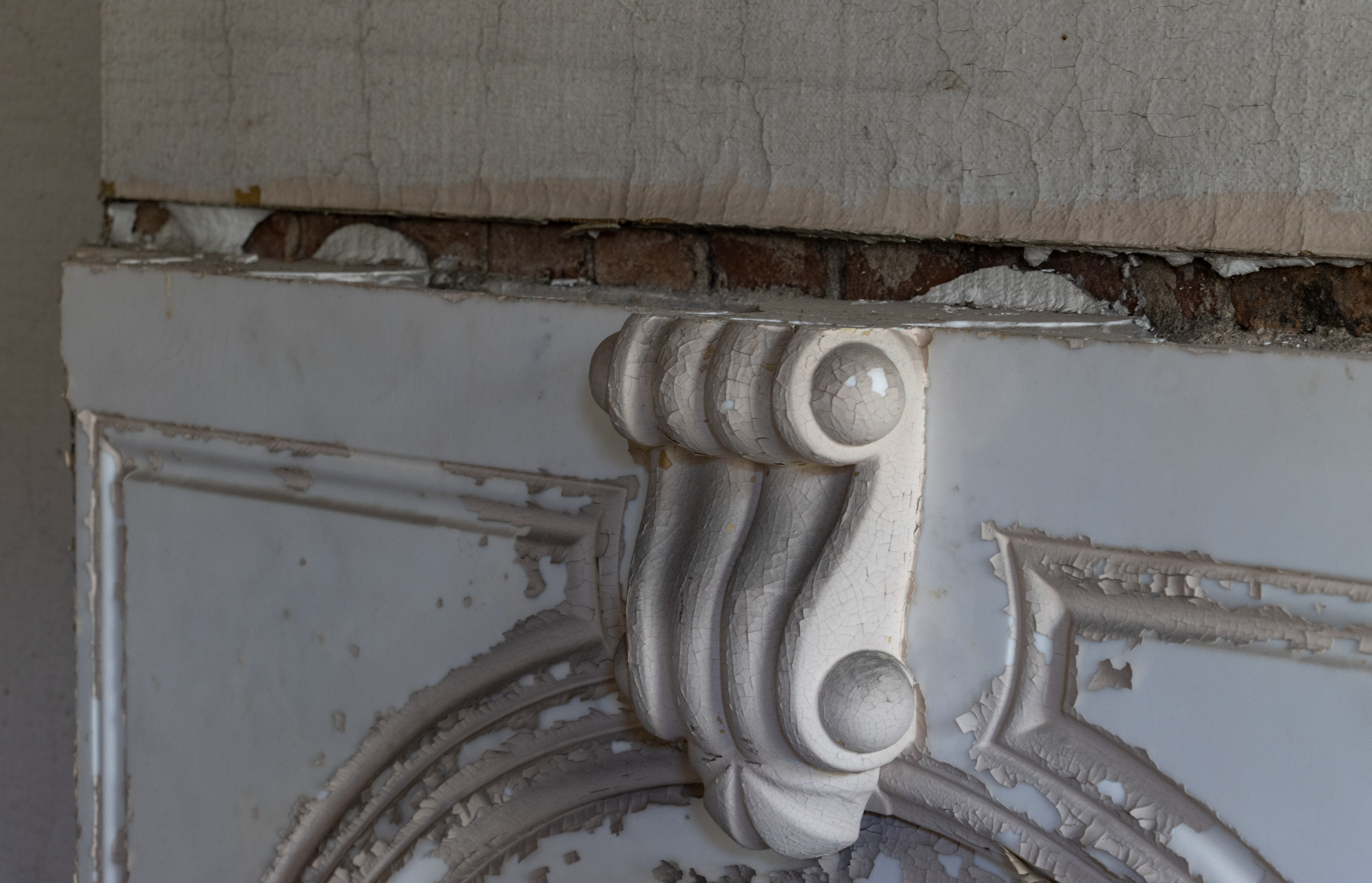
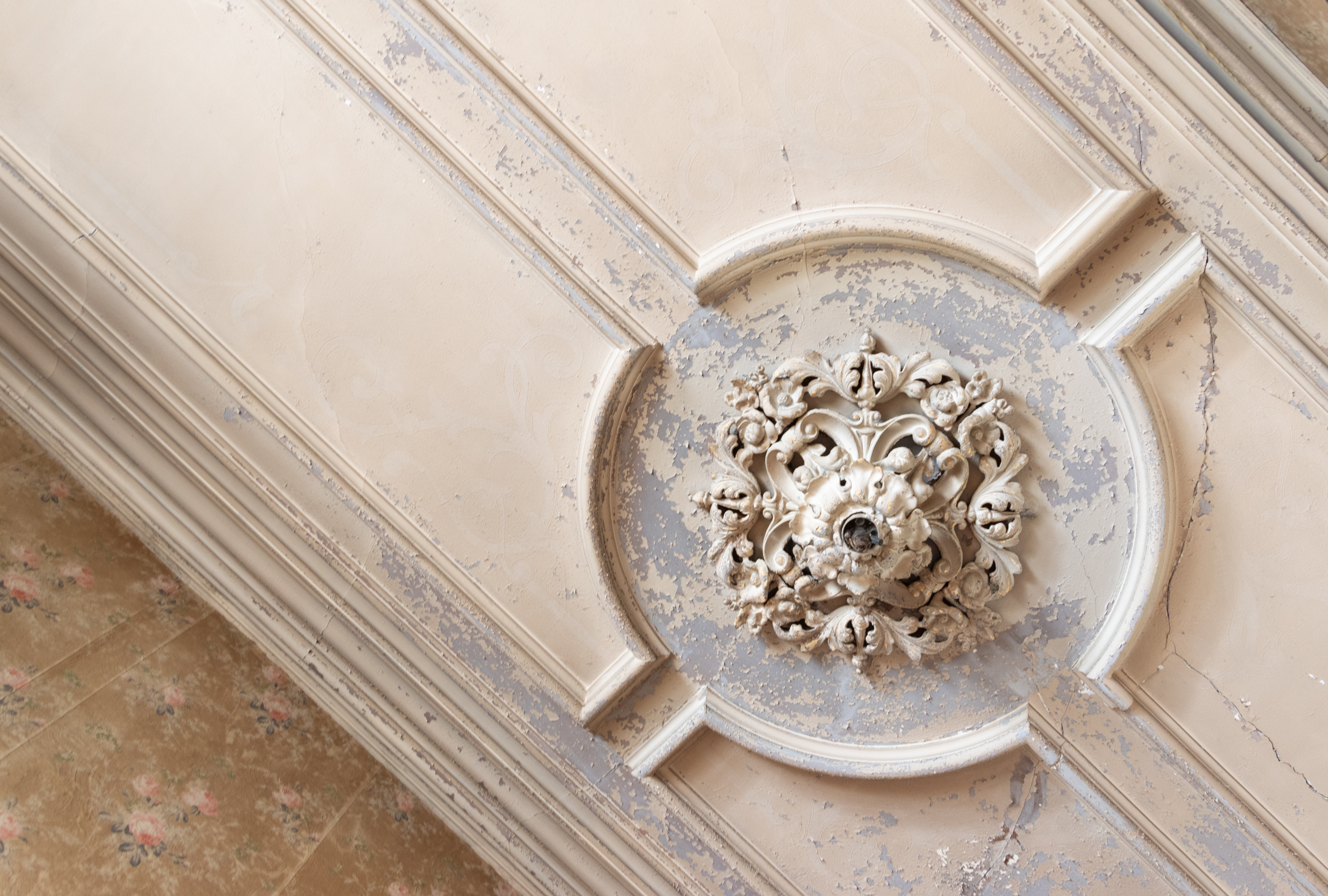
A ceiling mantel on the parlor level of 194 Columbia Heights in Brooklyn Heights. Photo by Susan De Vries
It has been a mystery for decades, with its chained doors and boarded up windows, but sunlight is finally illuminating the interior of an Italianate brownstone in Brooklyn Heights, providing a glimpse of some tantalizing details.
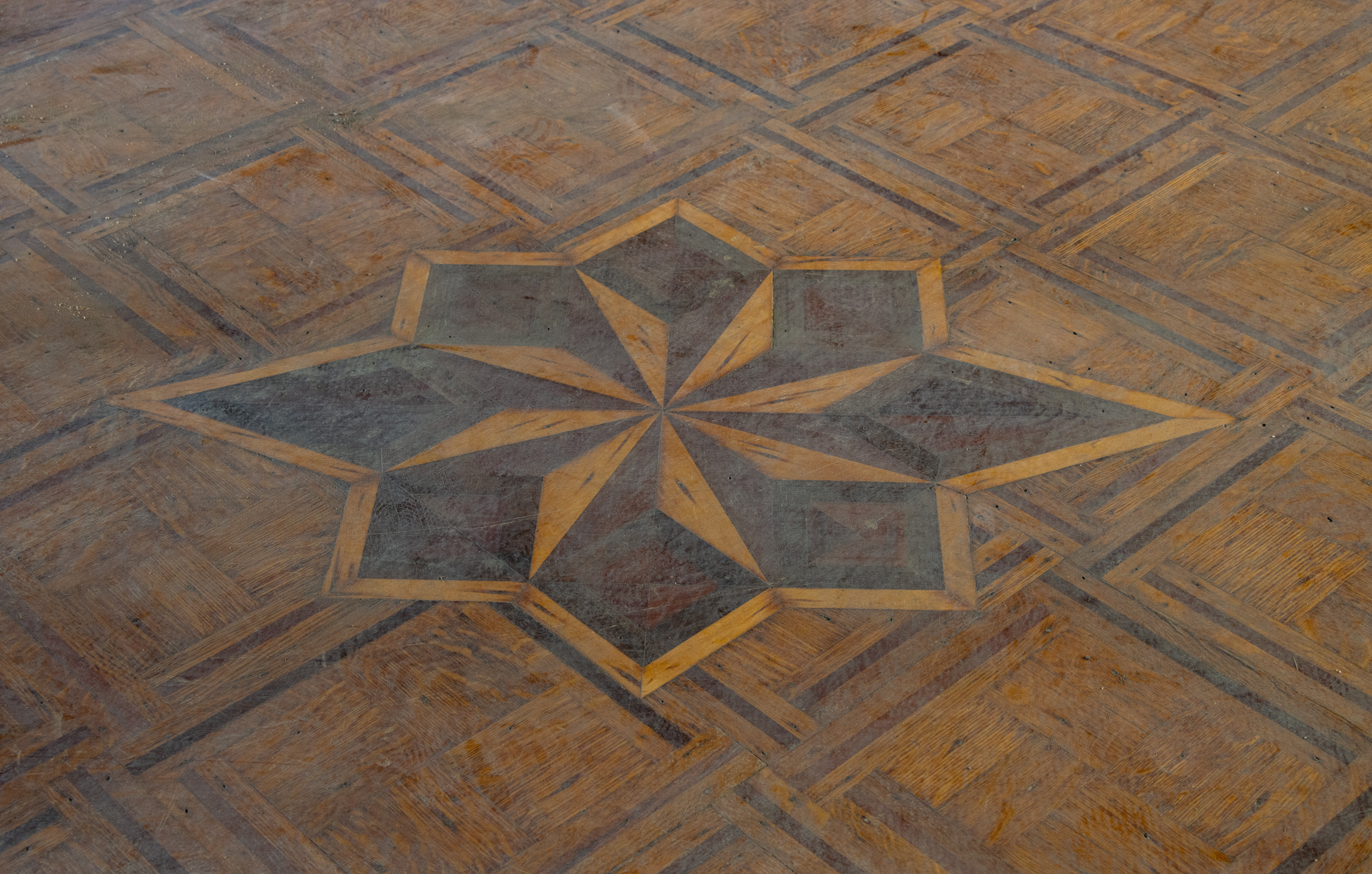
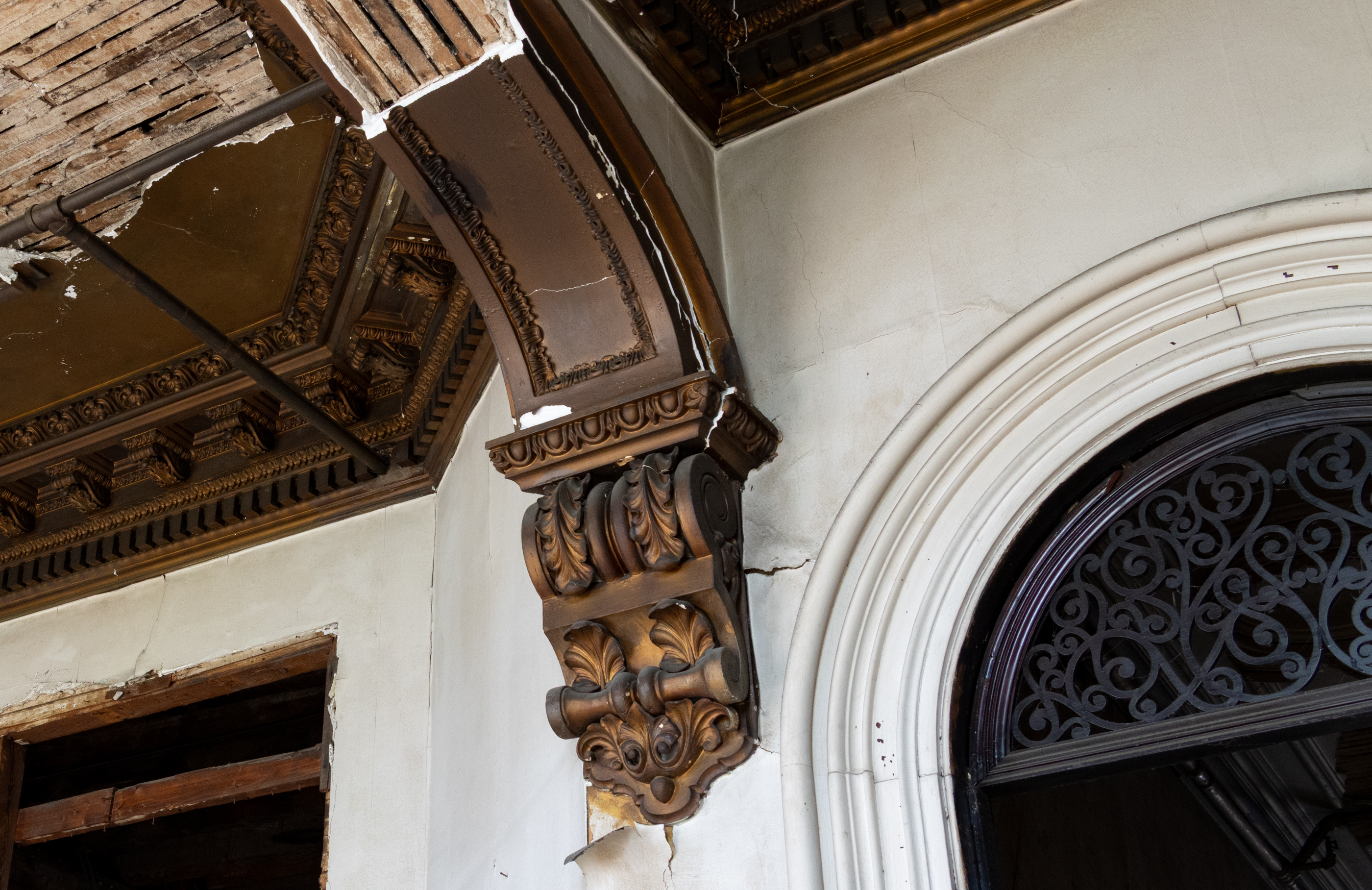
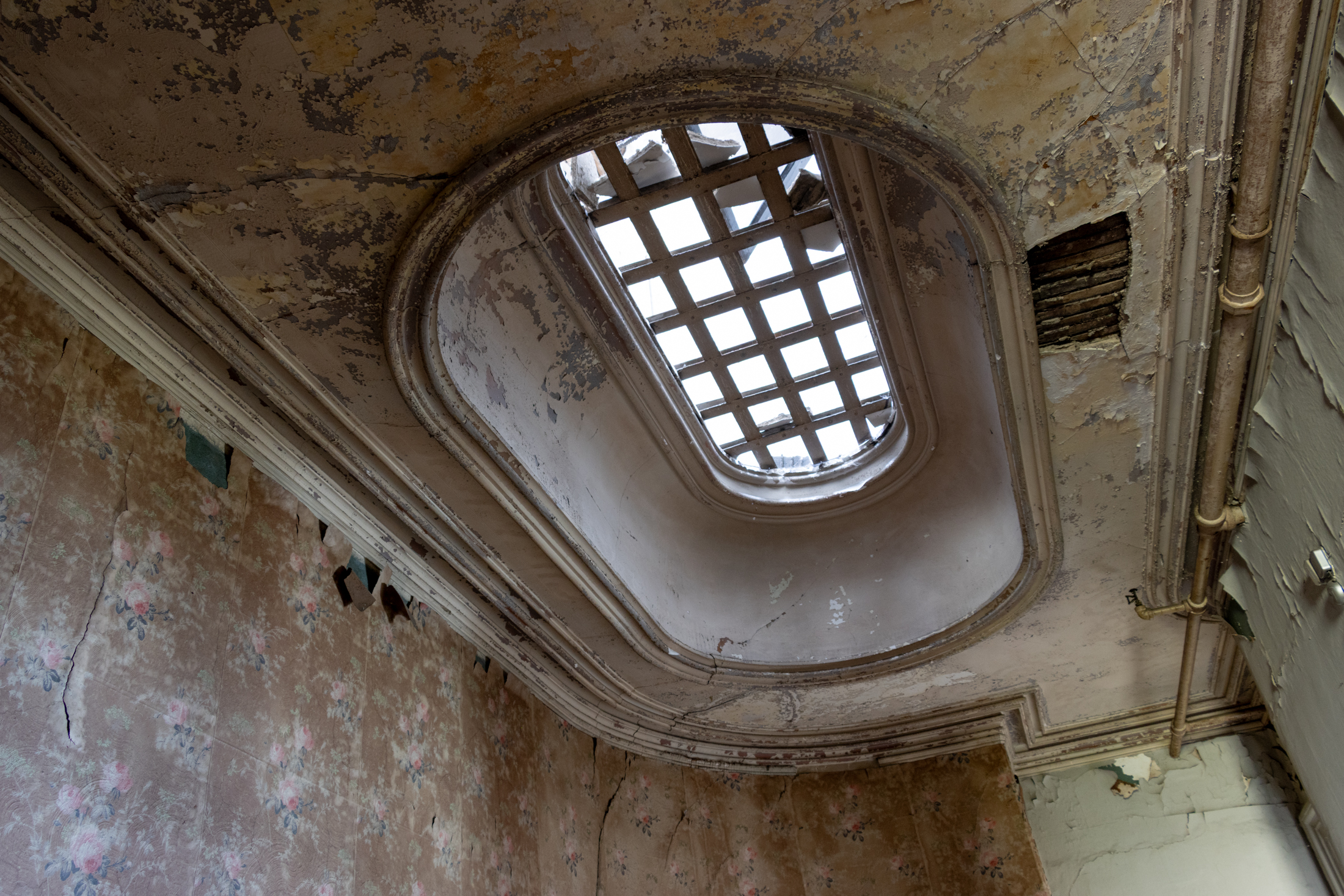
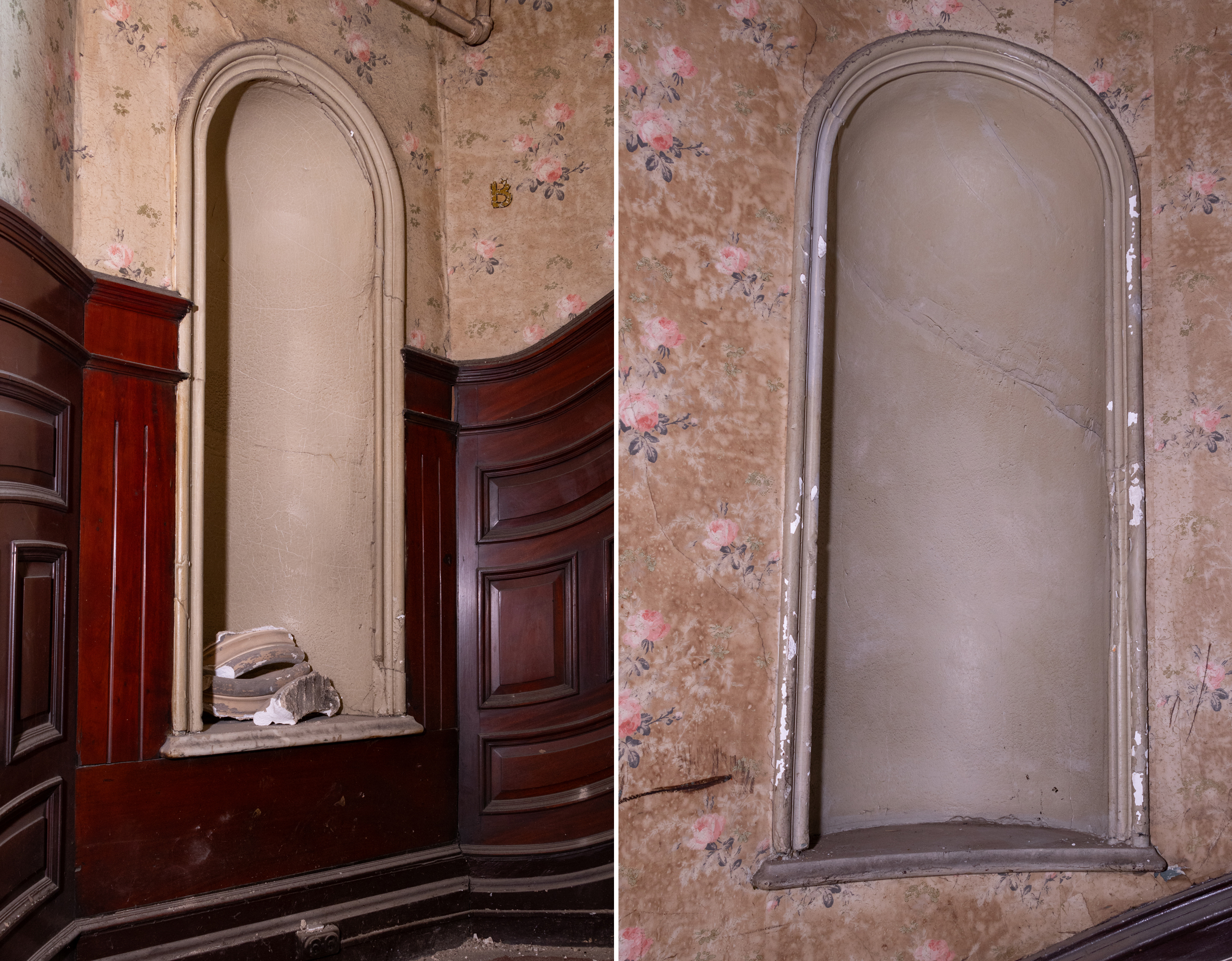
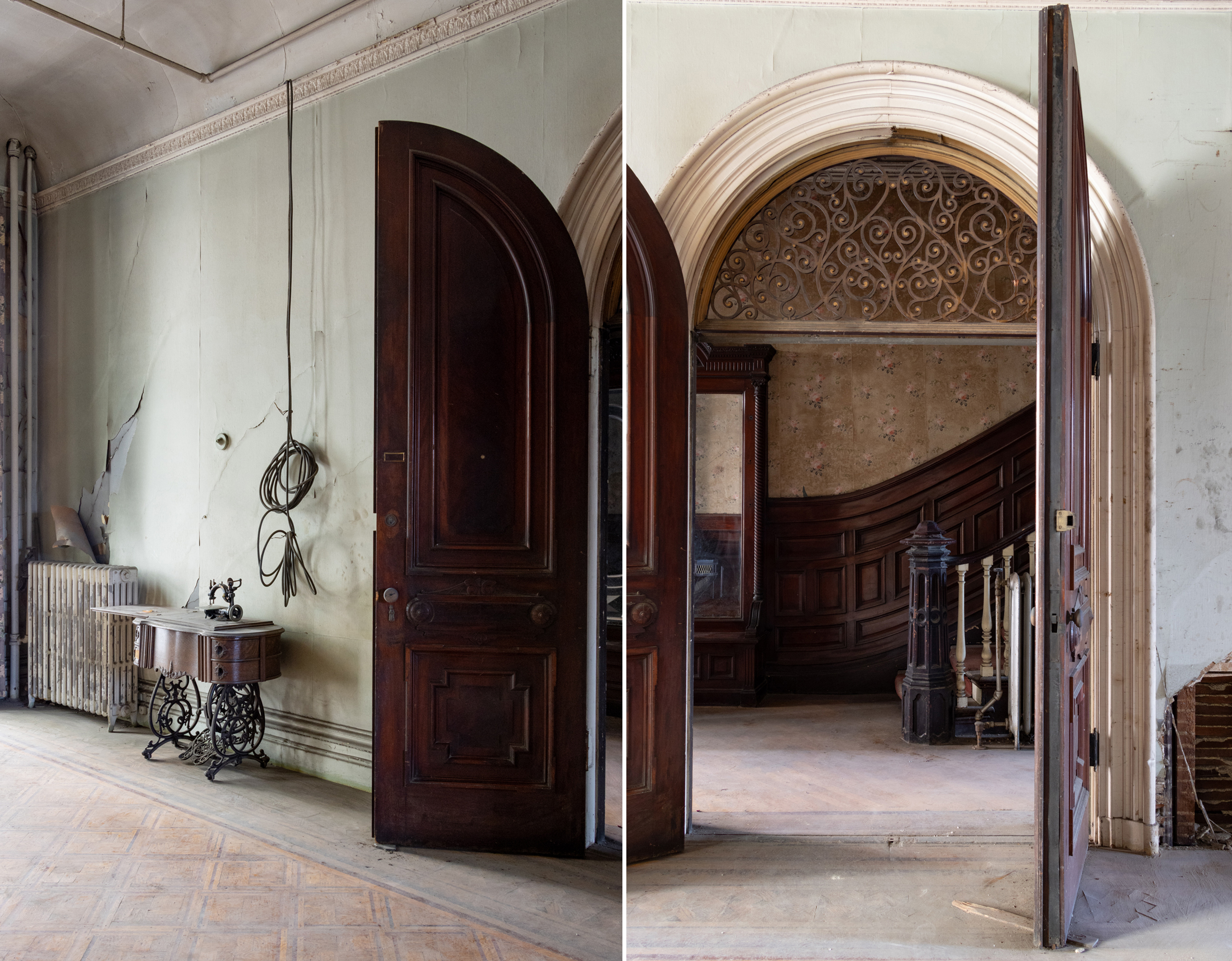
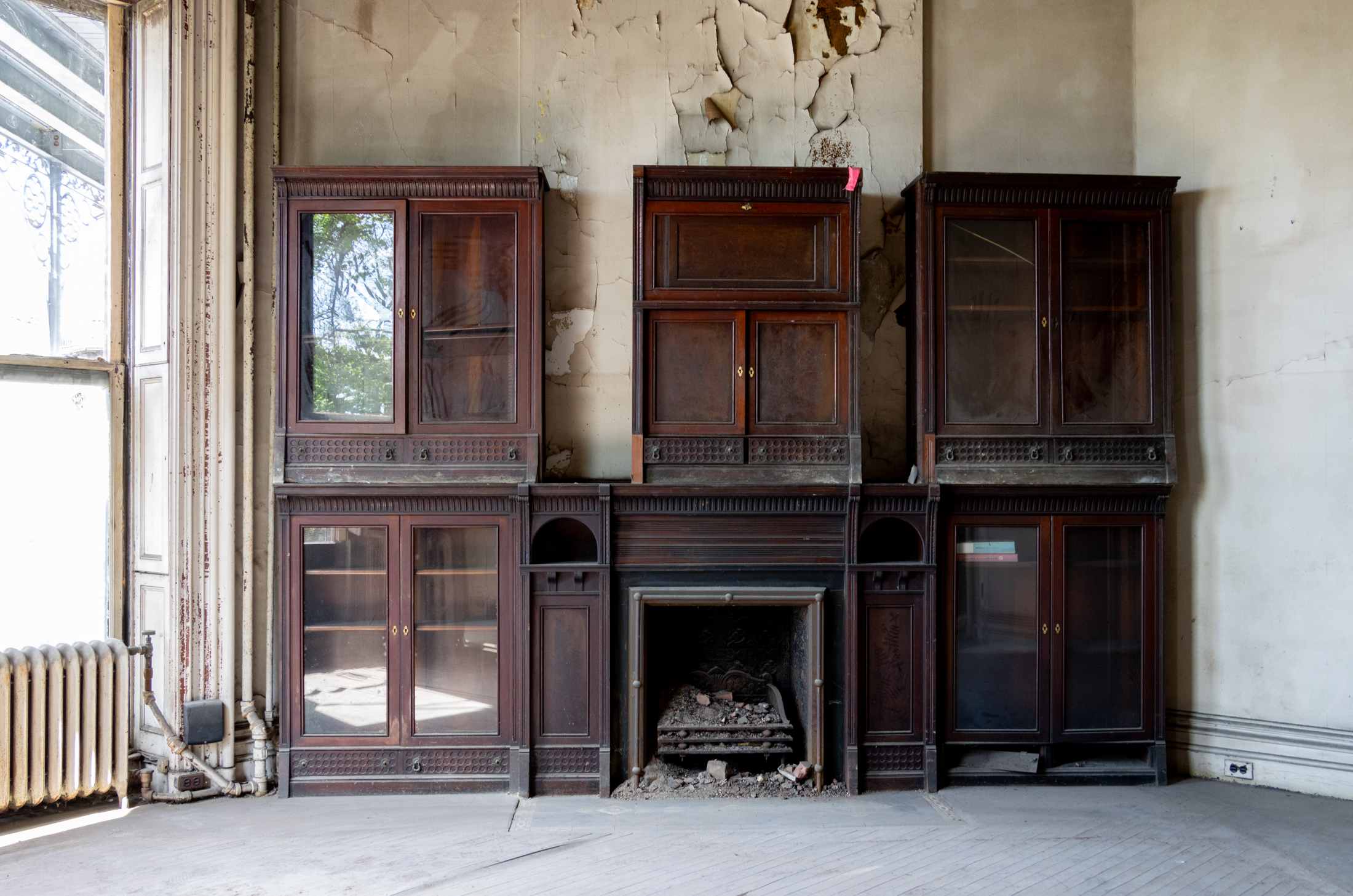
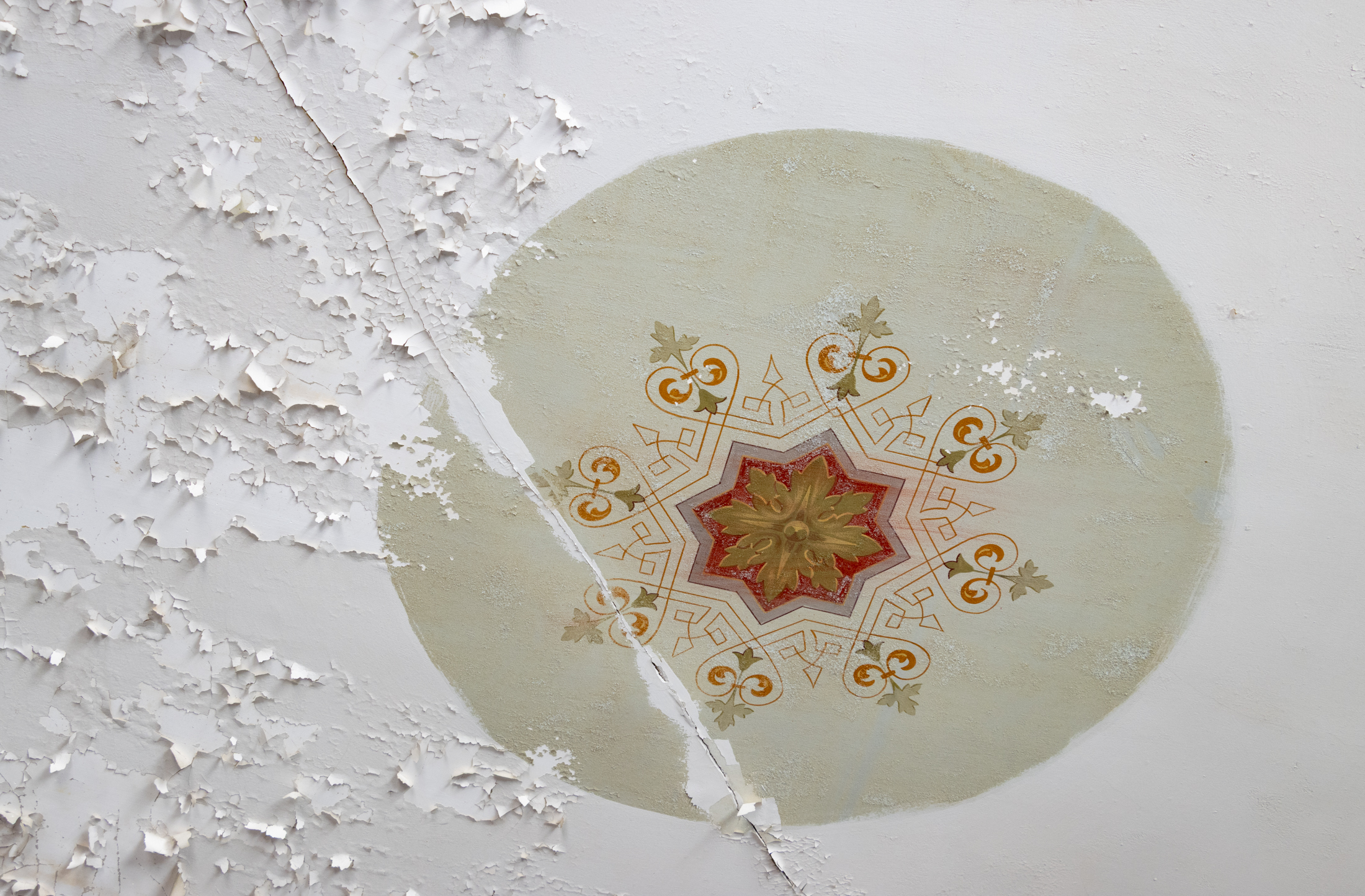
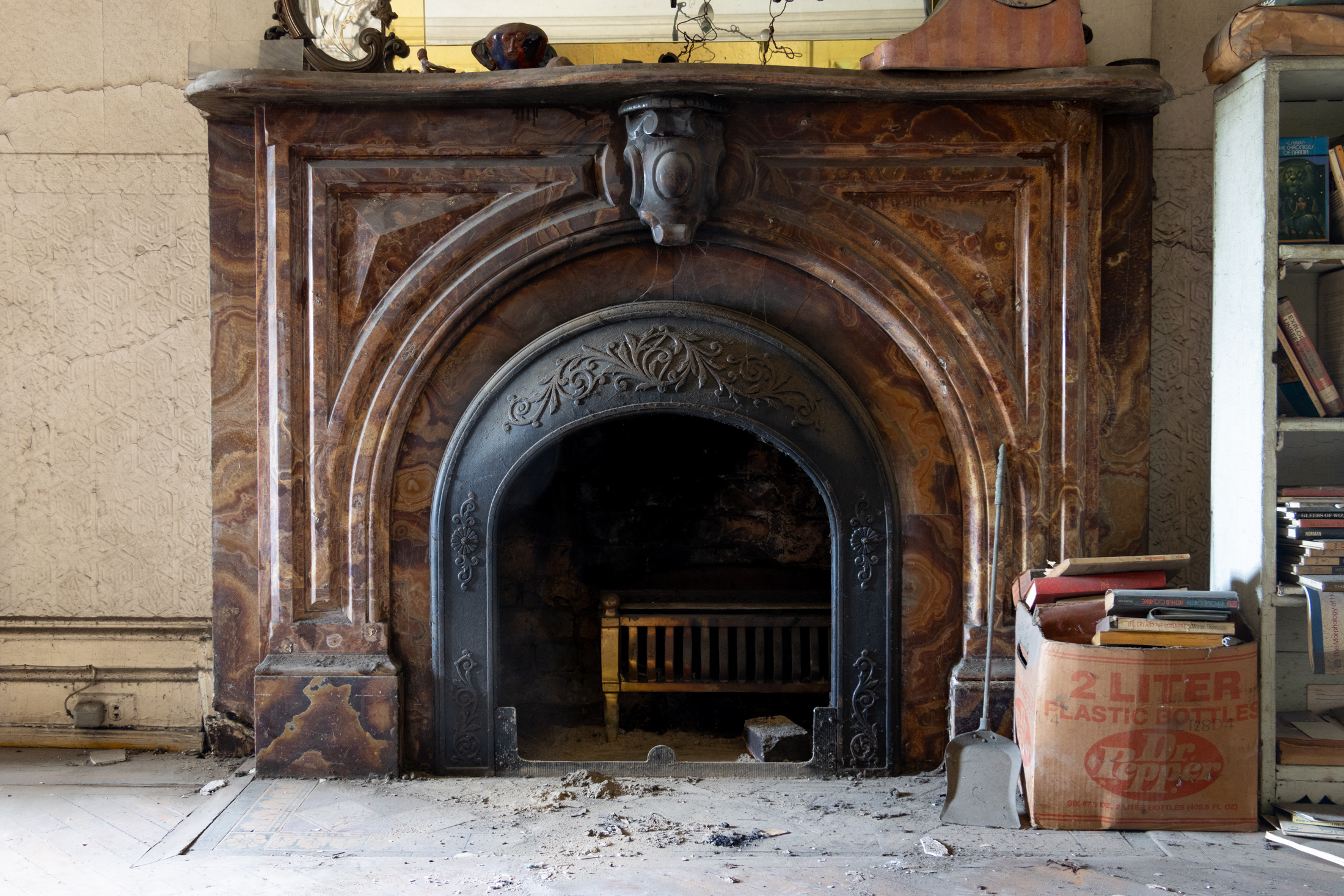
Brownstoner had a chance to walk, carefully, through the interior of 194 Columbia Heights to gaze upon the mantels, ceiling medallions, moldings, and other impressive details that are still intact inside the long closed-up dwelling. There isn’t any electricity, but a sunny day, and flashlights, allowed a wander through the grandly scaled interior.
The brownstone hit the market this month for $15 million — the first time it has been on the market since the 1960s. A fair amount of work was done before it was ready for showings, broker Vicki V. Negron told Brownstoner during a tour.
Truckloads of accumulated stuff were hauled away, leaving the rooms mostly bare except for surviving details. Shutters, doors, and other architectural remnants that were uncovered during the clean-out were carted down to the garden level, ready for a deep-pocketed house enthusiast and their architect to investigate.
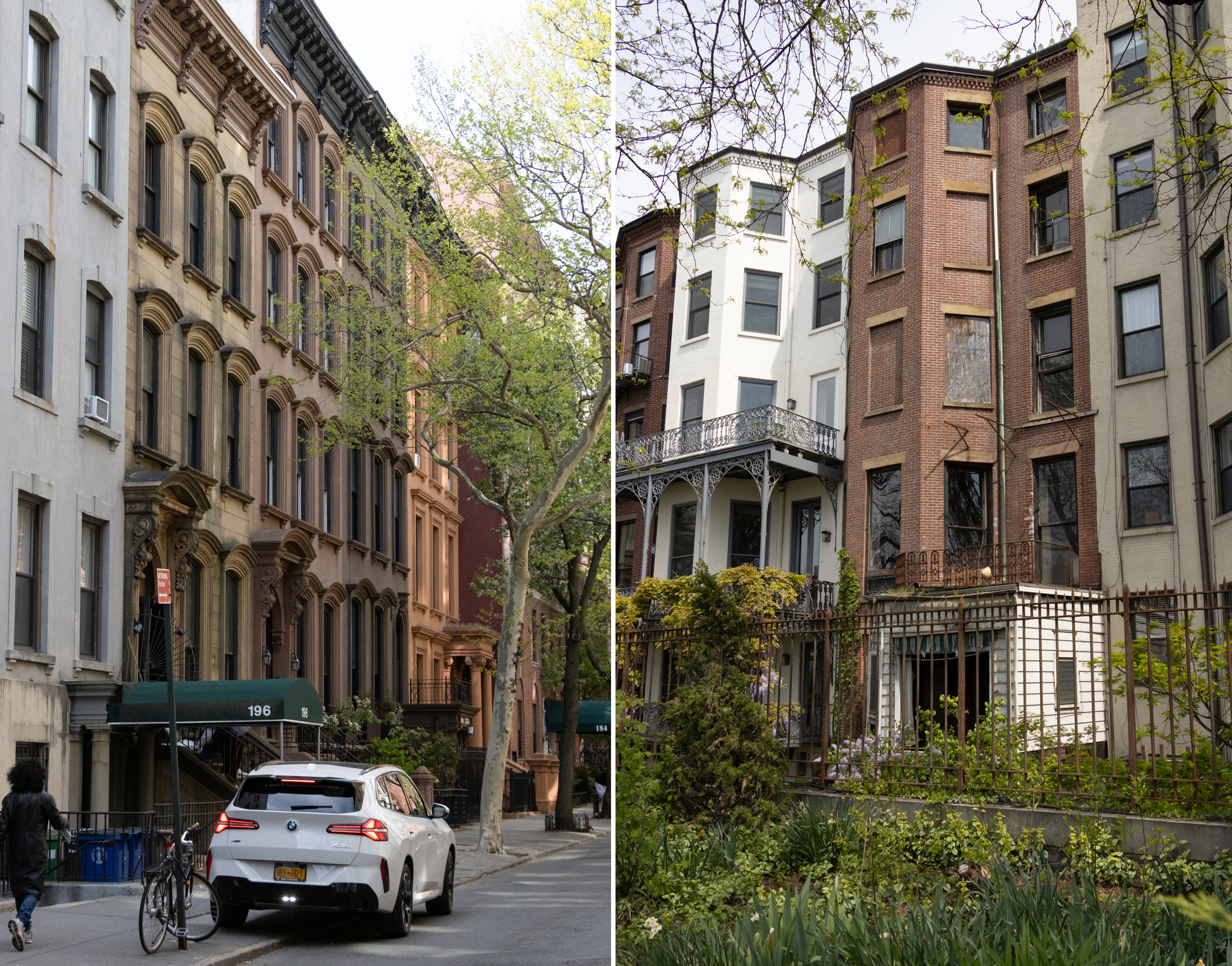
While the current owner has held onto it since the 1960s, the first residents settled into the substantial dwelling a century earlier. A small plaque on the exterior dates the house to 1858, but it likely dates to 1860 and was the long-time home of Camden C. and Jeannie S. Dike and family.
Camden Dike was in the wool trade with his brothers, and an 1862 deed shows one of them, Henry A. Dike, and his wife Lizzie, sold this house and lot to Jeannie Dike in 1862 for $23,000. Henry had purchased lots on the block in 1860 and was probably behind the construction of this Italianate dwelling and his own adjoining home at No. 196.
Camden, known as C. C., and Jeannie had married in 1857 and after settling in Brooklyn were active in the community, with their names popping up in relation to local charities and religious organizations. In 1875 their “elegant parlors” rated a brief mention in the Brooklyn Daily Eagle when the couple hosted the Sumter Club. Each year the club marked the anniversary of the U.S. flag flying above Fort Sumter once again in April of 1865. For the 1875 celebration the Dike parlors were ornamented with bunting, flags, and flowers, and refreshments and musical entertainment were provided to the celebratory crowd.
The New York census record for that year shows that at the time the Camden household on Columbia Heights included the couple and three young children along with two female servants, both immigrants from Ireland, to help run the household. They would have had plenty of room to spread out, with four stories plus the garden level and cellar.
While brother Henry left Brooklyn for the suburban charms of Montclair, New Jersey, in the 1870s, C. C. and Jeannie stayed on Columbia Street until their deaths in 1894 and 1920 respectively. It was just a few years later that their son, Supreme Court Justice Norman S. Dike, announced plans to convert the massive family home into separate apartments. While the announced facade remodeling by architects Slee & Bryson didn’t move forward, the interior renovations did happen.
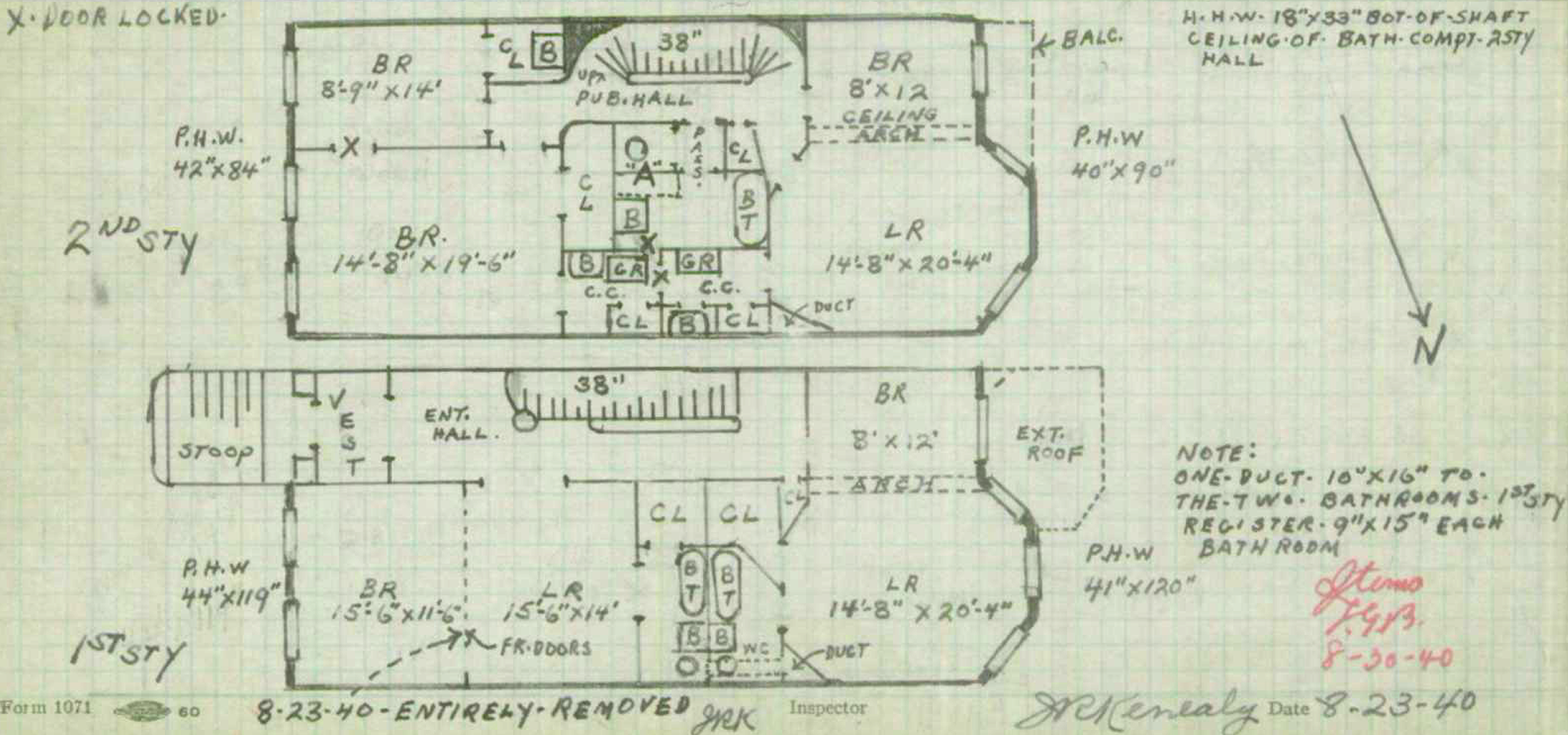
The partitions from that era have largely been cleared away, but a 1940 i-card shows the layout of the divided-up brownstone. The space was turned into two Class A units and 12 Class B sleeping rooms. Ads in 1930 show that furnished and partially furnished rooms were available. Most ads mention that bathrooms were included and some units had kitchenettes.
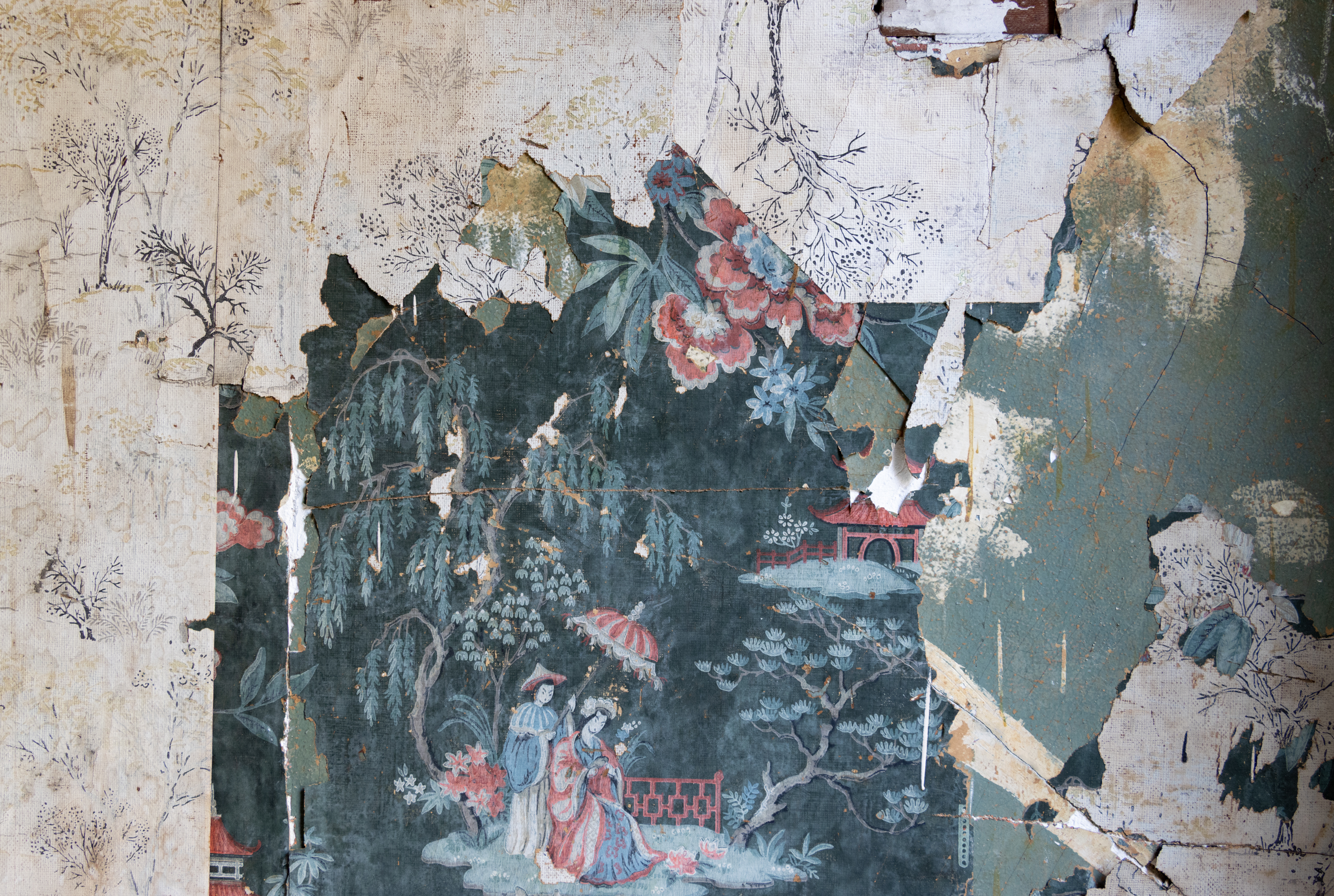
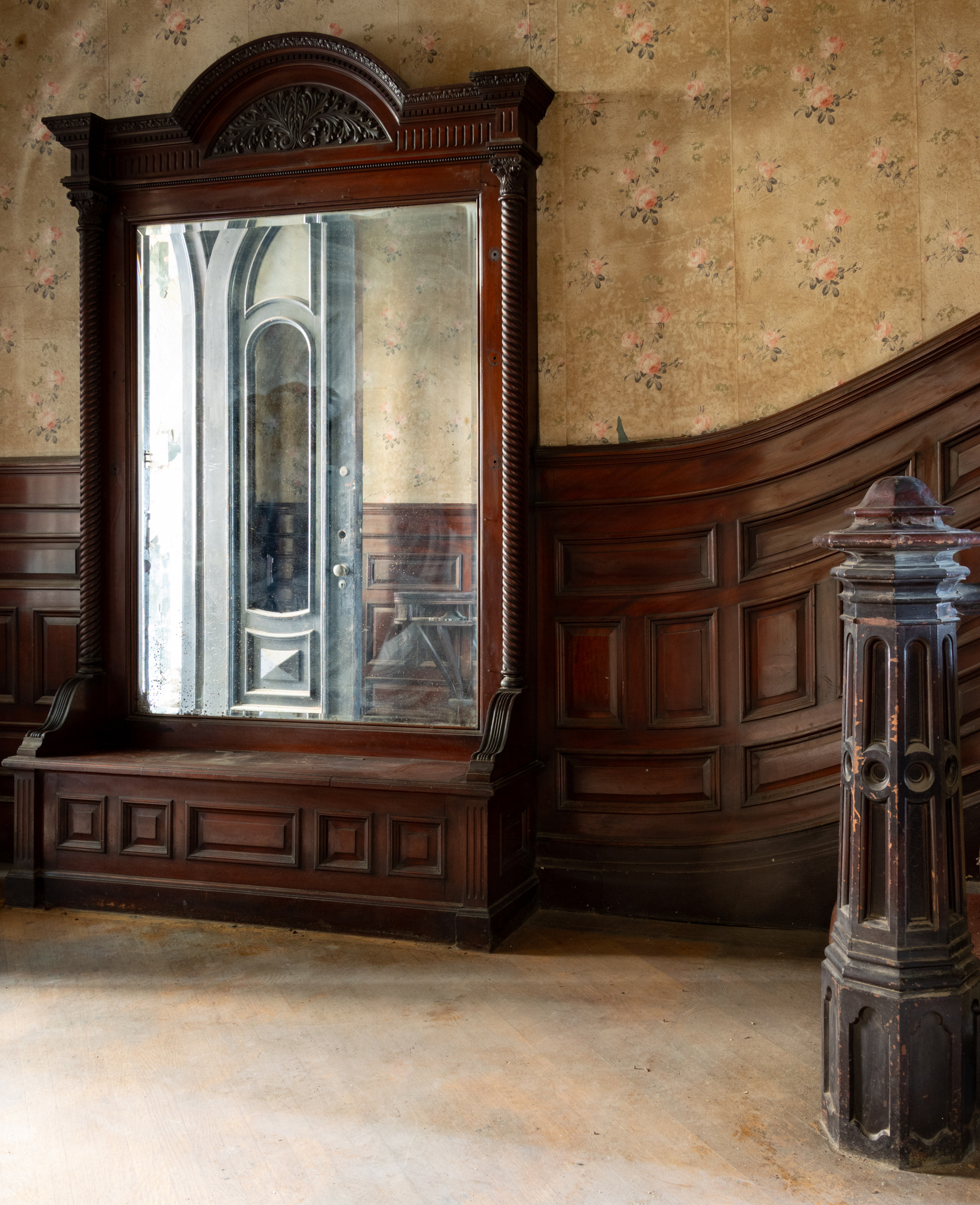
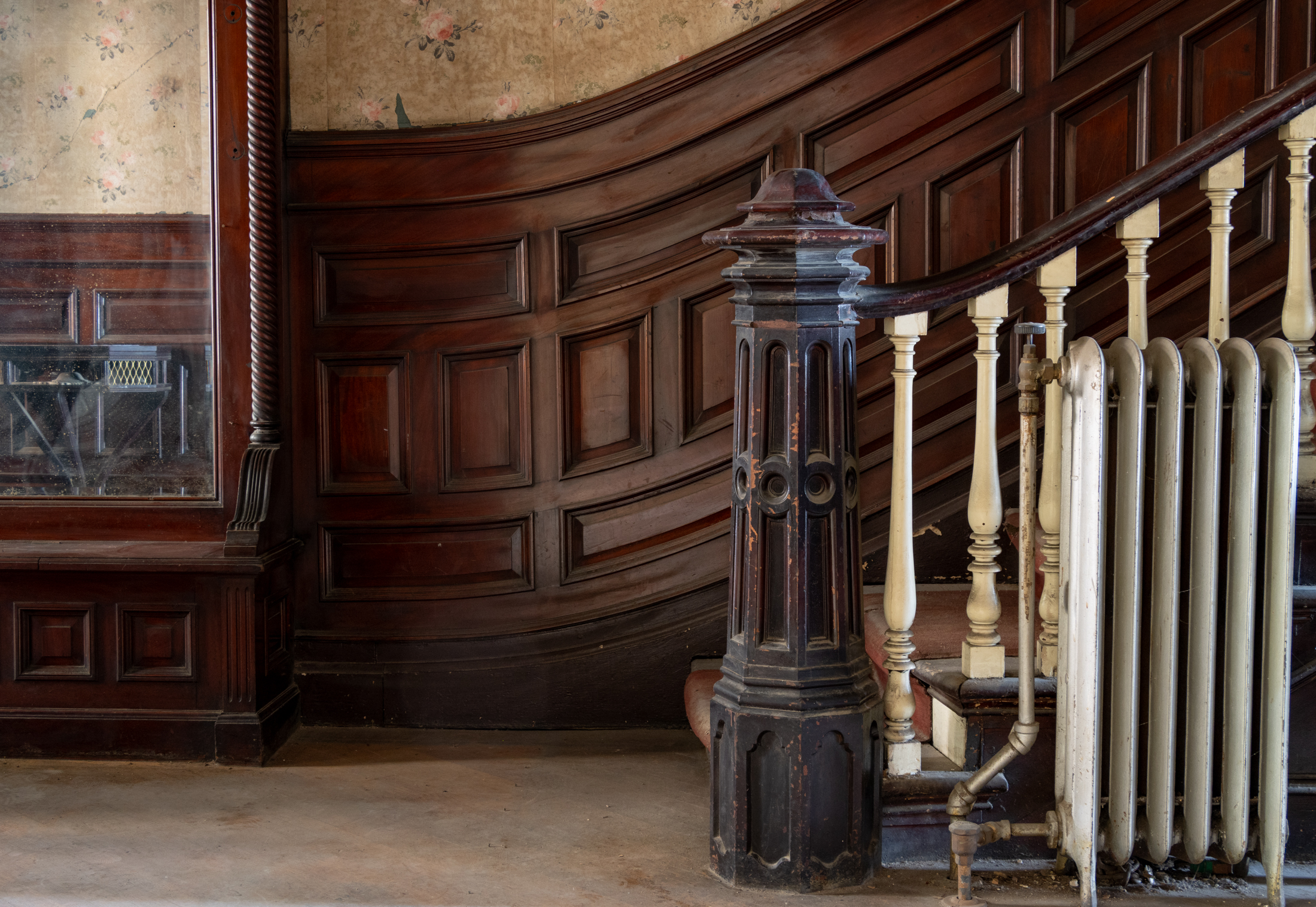
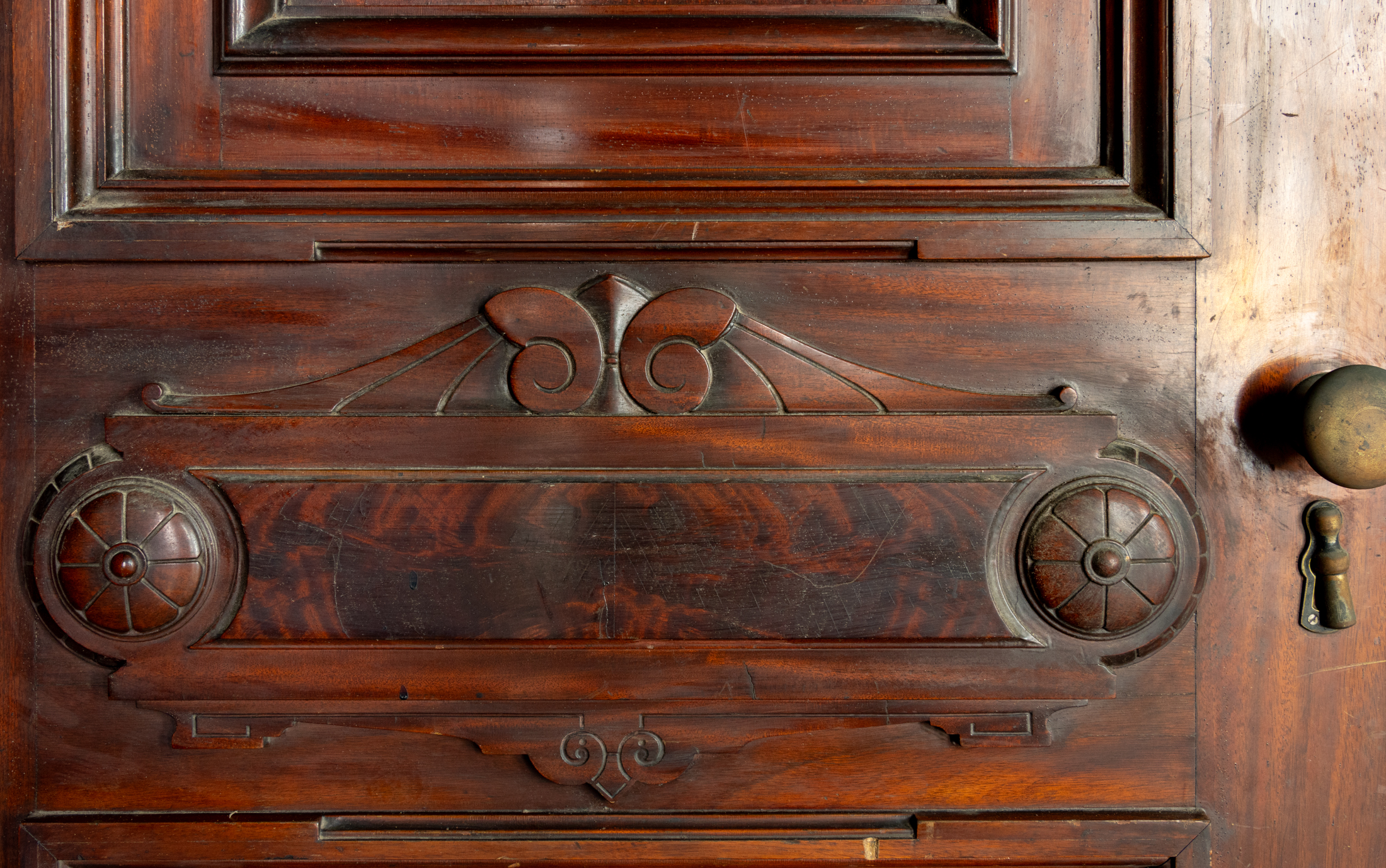
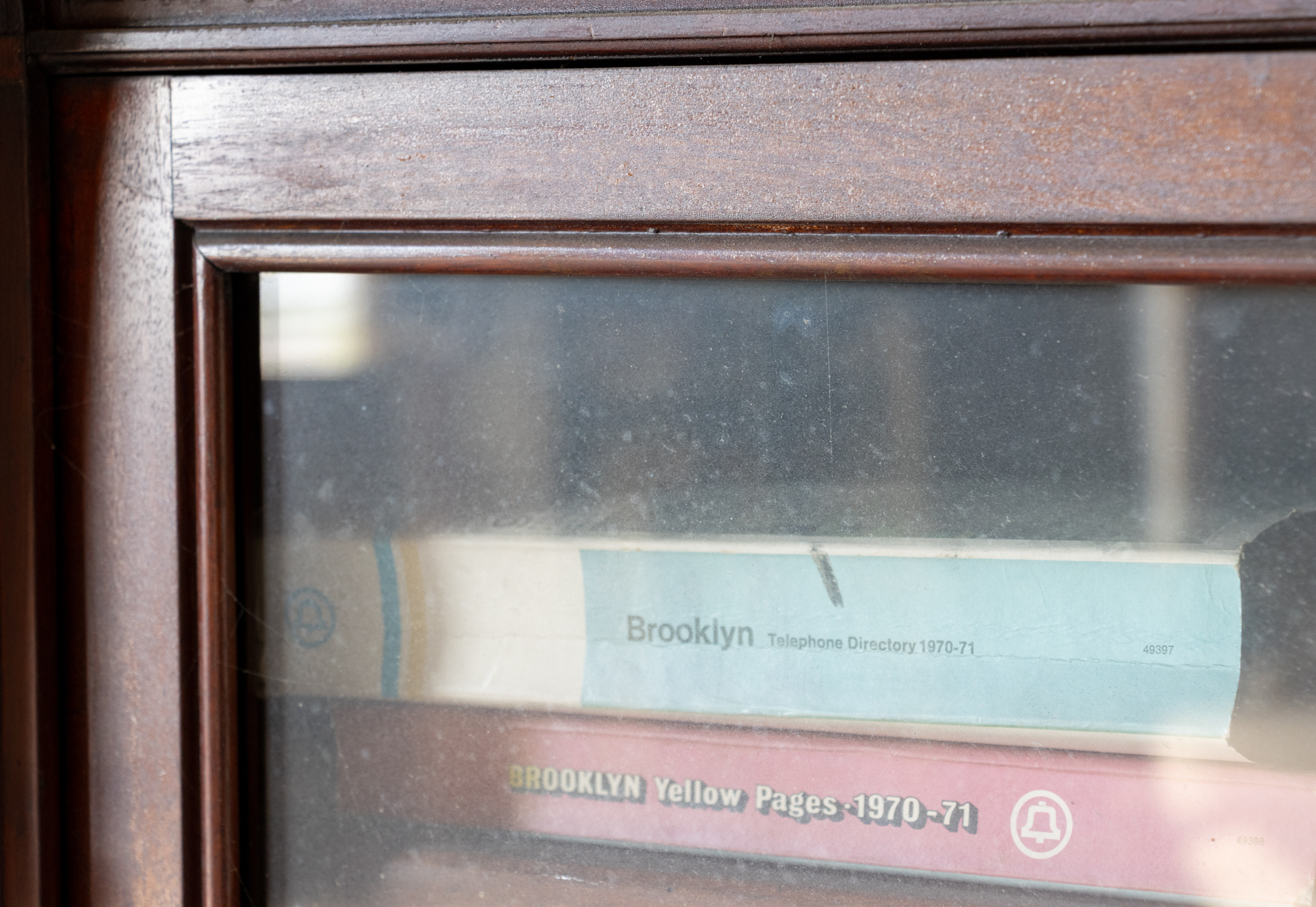
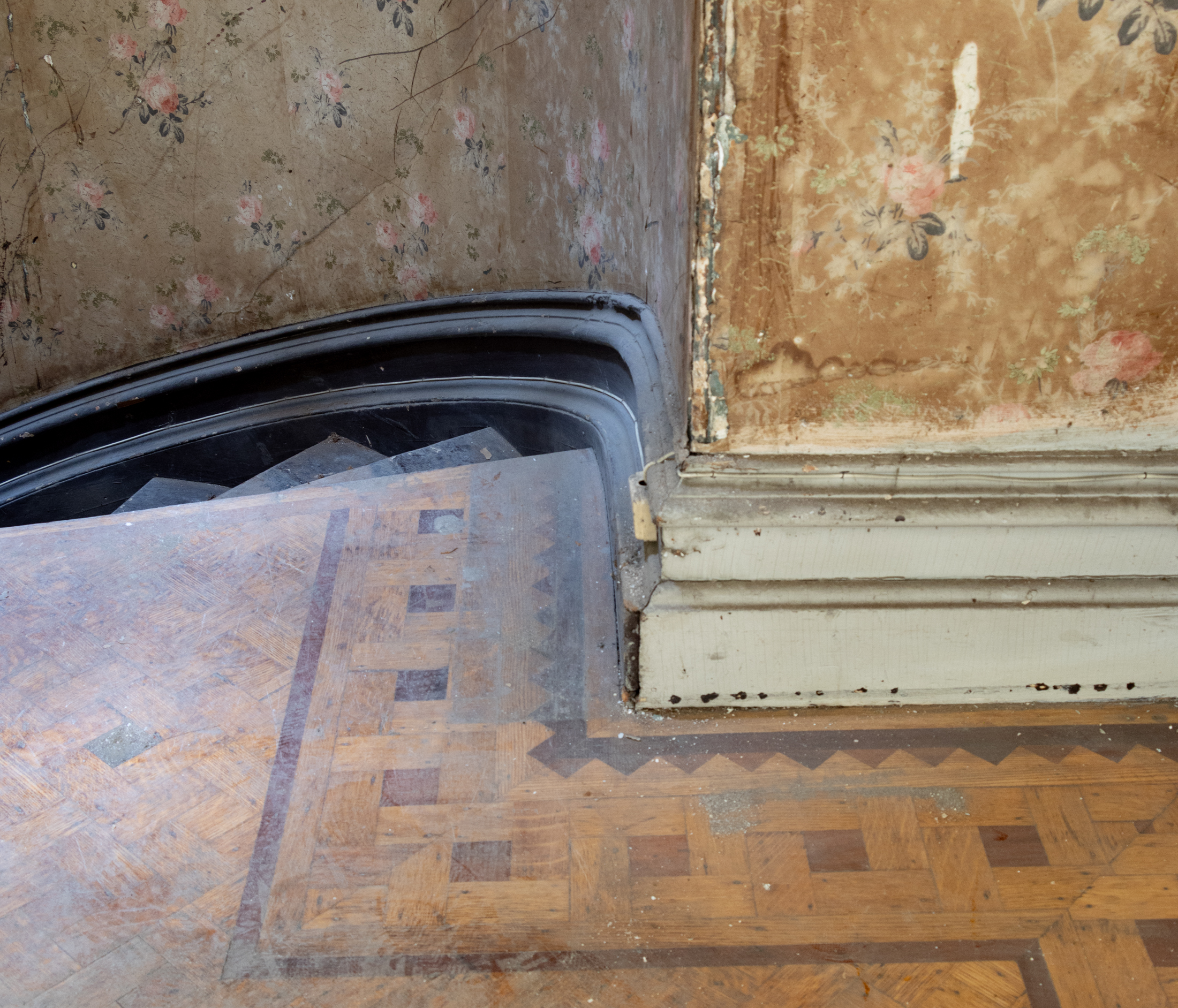
A visit showed that some of the added bathrooms are still in place but no kitchens remain. There are some nods to 20th century style with vintage wallpaper and an Art Deco light fixture among the layers of interior details that reflect changing tastes over the centuries.
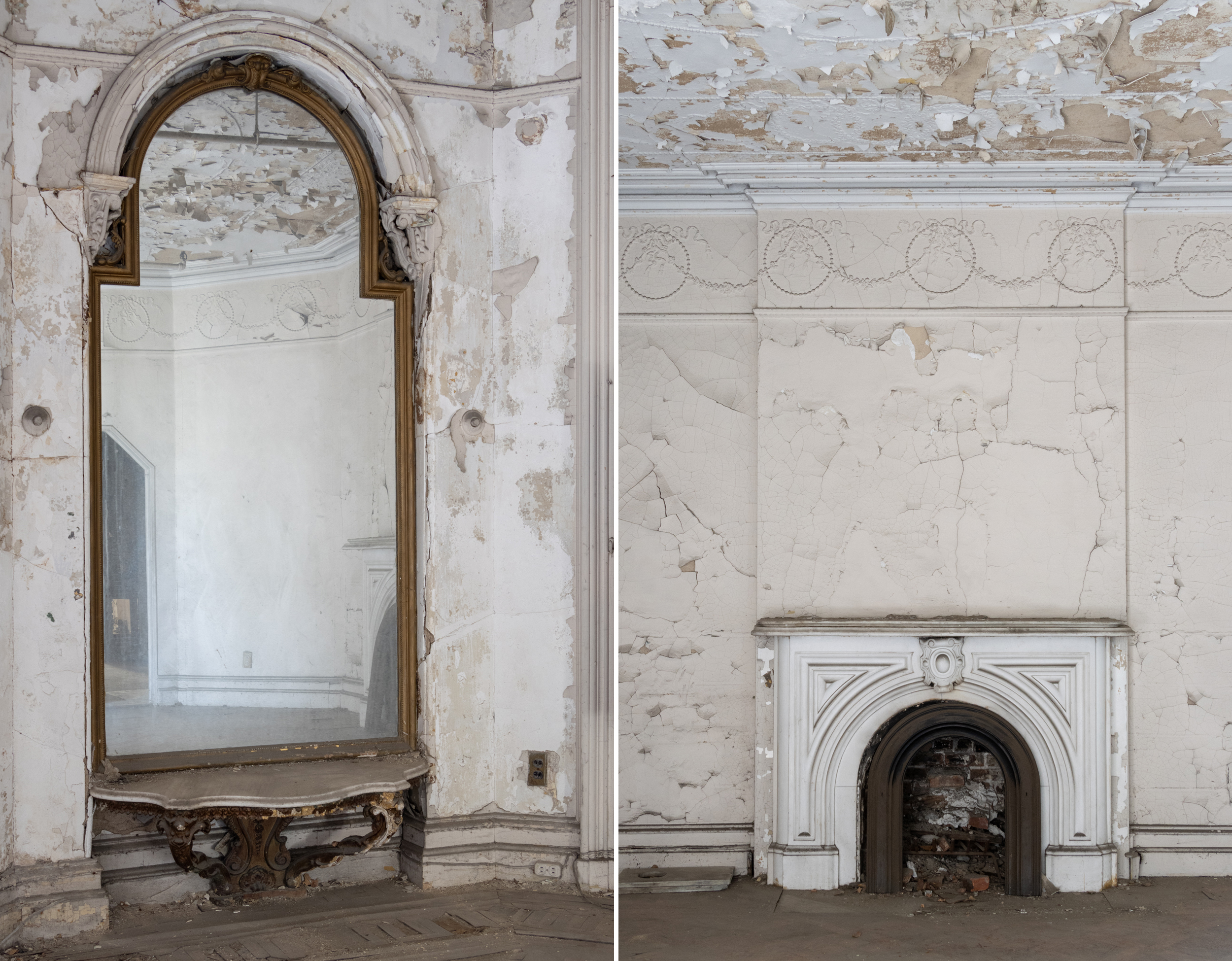
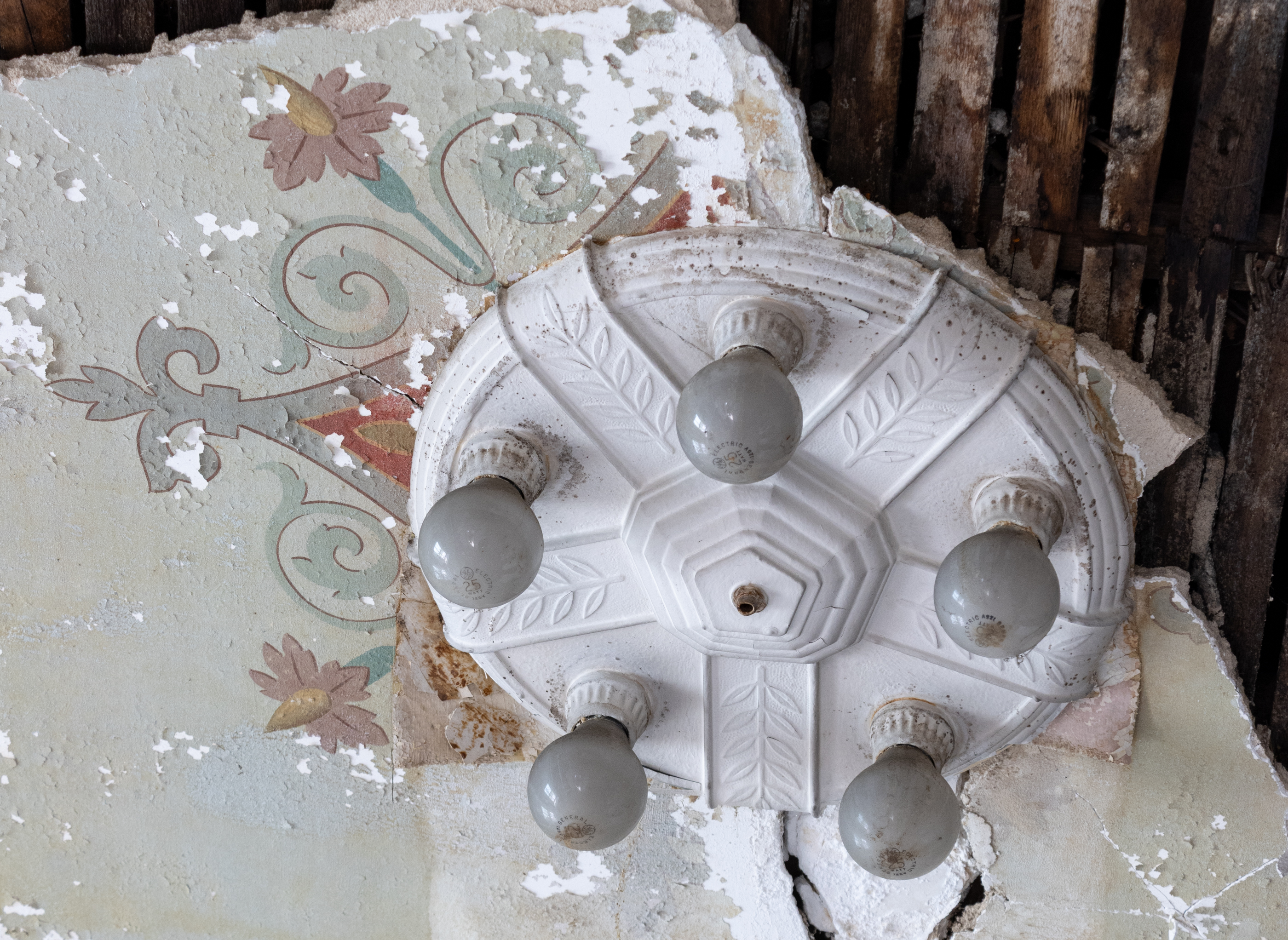
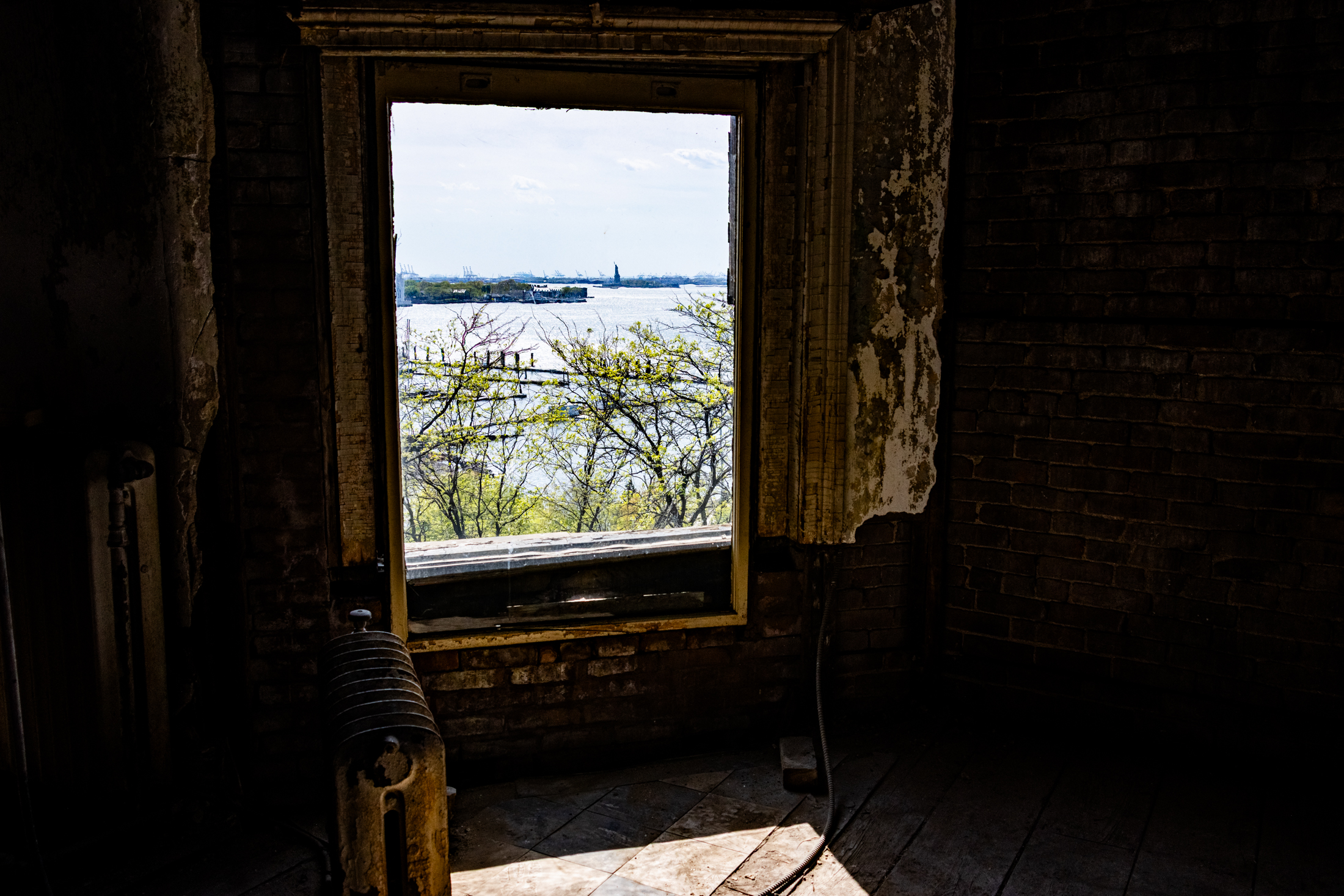
In addition to the high ceilings, numerous marble mantels, coffin corners, ceiling medallions, and other finely made details, a major feature of the brownstone is its location. It occupies a prime spot in Brooklyn Heights, with the rear facade facing the Brooklyn Heights Promenade. The views are spectacular from the upper floors, stretching from the Statue of Liberty to the Brooklyn Bridge.
The servants, if they had time, would have enjoyed quite the view from their top floor rooms. Despite some windows still being boarded up, light was streaming through during the afternoon visit. Those gazing out the windows in the 1870s and early 1880s would have been able to see some of New York’s most iconic structures rising in the harbor.
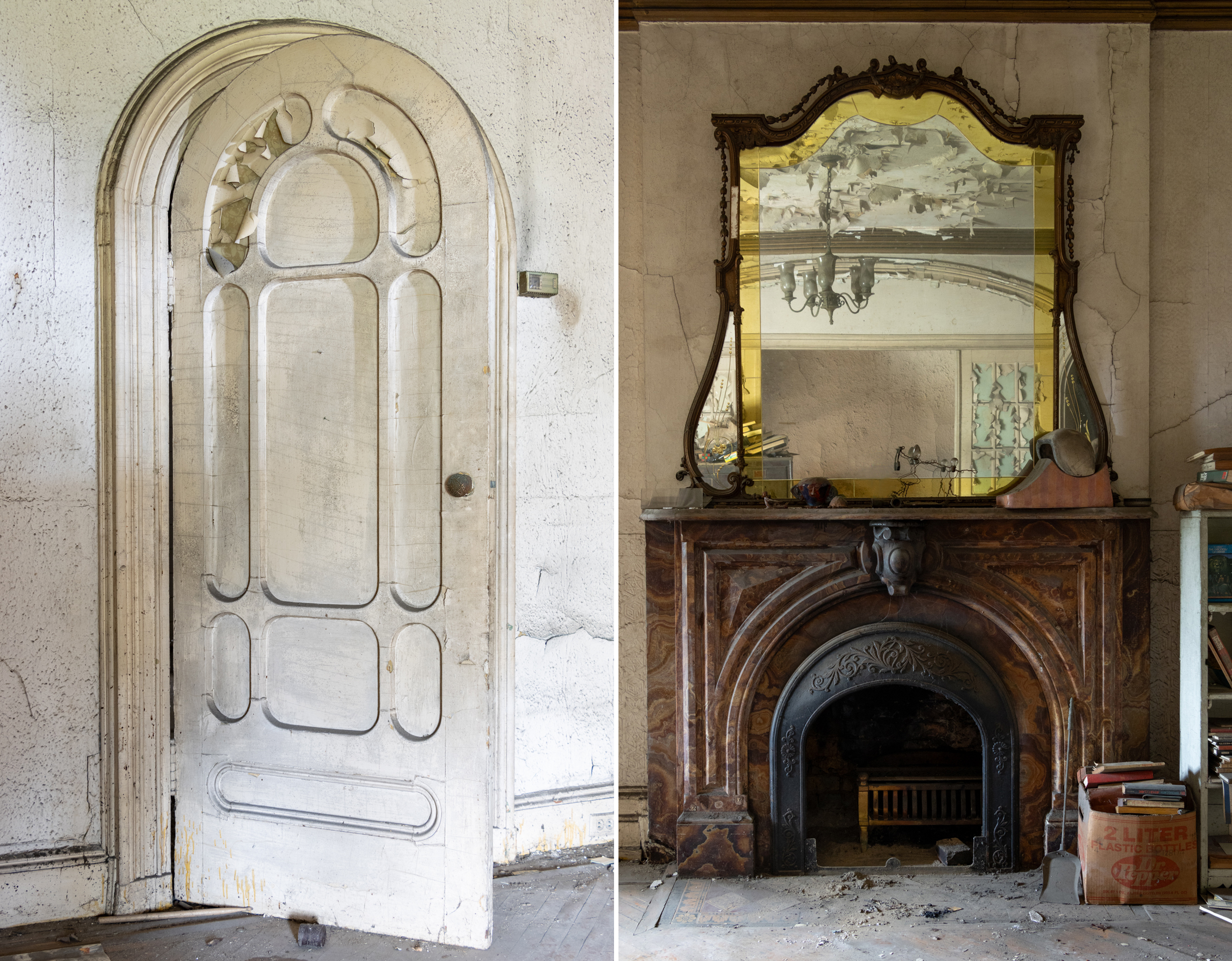
On the garden level, the layout also takes advantage of views and light. While brownstones of the era would typically have a casual dining room at the front of the garden level with the kitchen at the rear, the layout is reversed here. The rear-facing dining room has an arched door, moldings, a marble mantel with a mirror, and large windows looking out to the rear garden.
A later one-story addition, visible from the Brooklyn Heights Promenade, wasn’t accessible during the visit. The former kitchen space now holds those piles of interior elements rescued from the rest of the house.
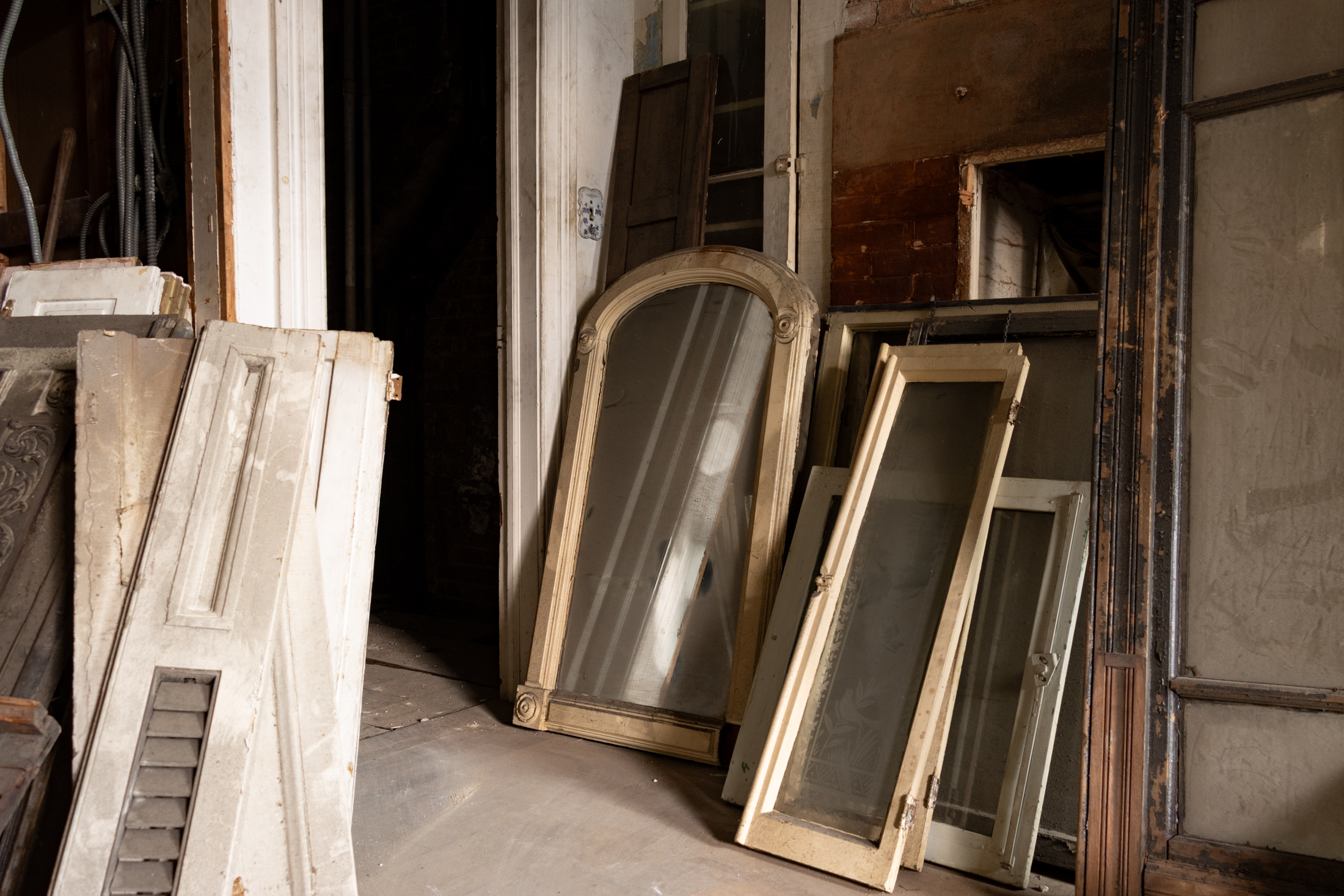
Whether those details will be reinstalled and the in situ elements restored will be up to a new owner. Without electricity or plumbing, the house will need a buyer with deep pockets and no need of a mortgage (unless it’s a construction loan). While any proposed changes to the exterior would need to go before the Landmarks Preservation Commission, the interior will likely be reimagined.
More photos, and those 1940 floor plans, below.
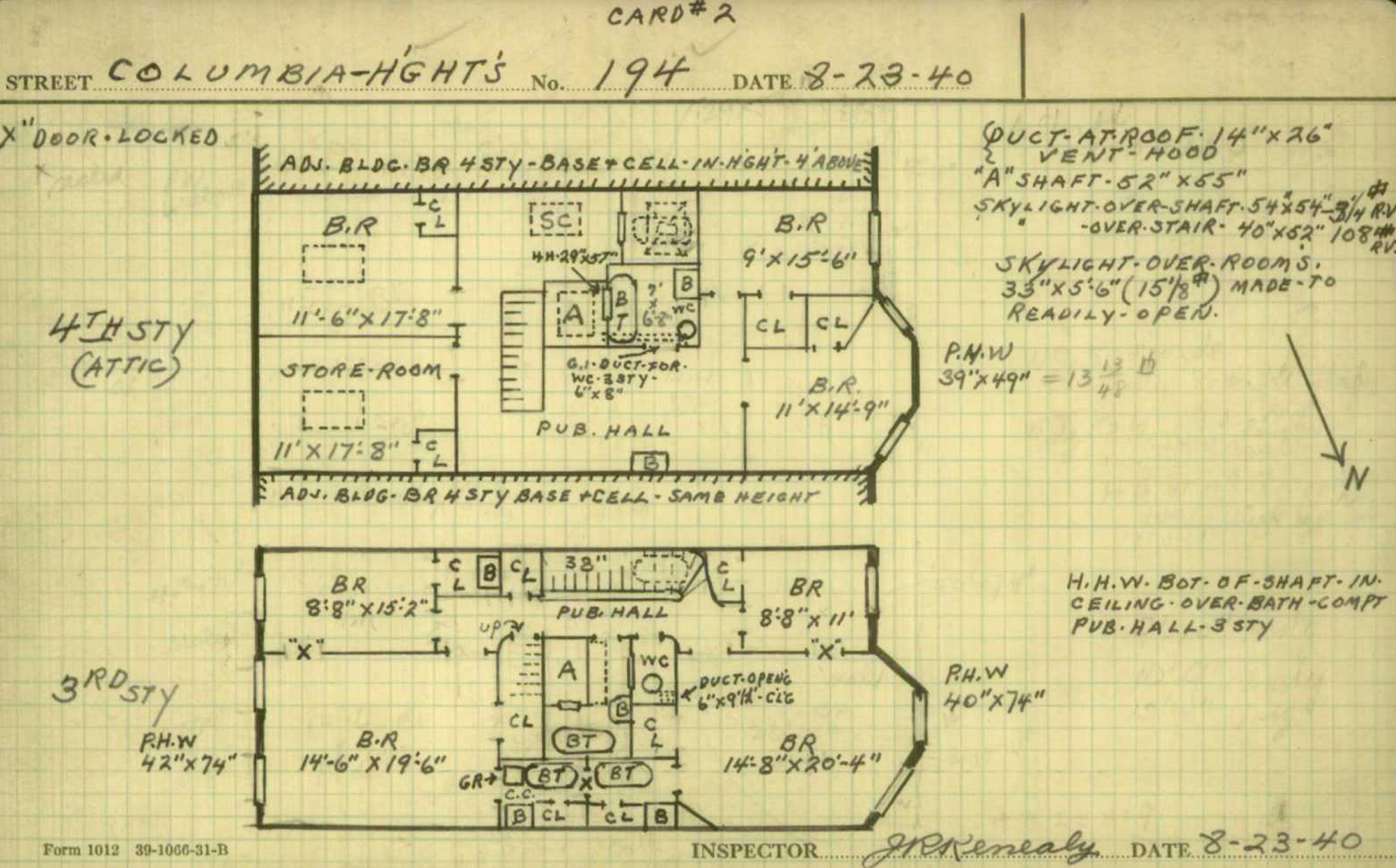
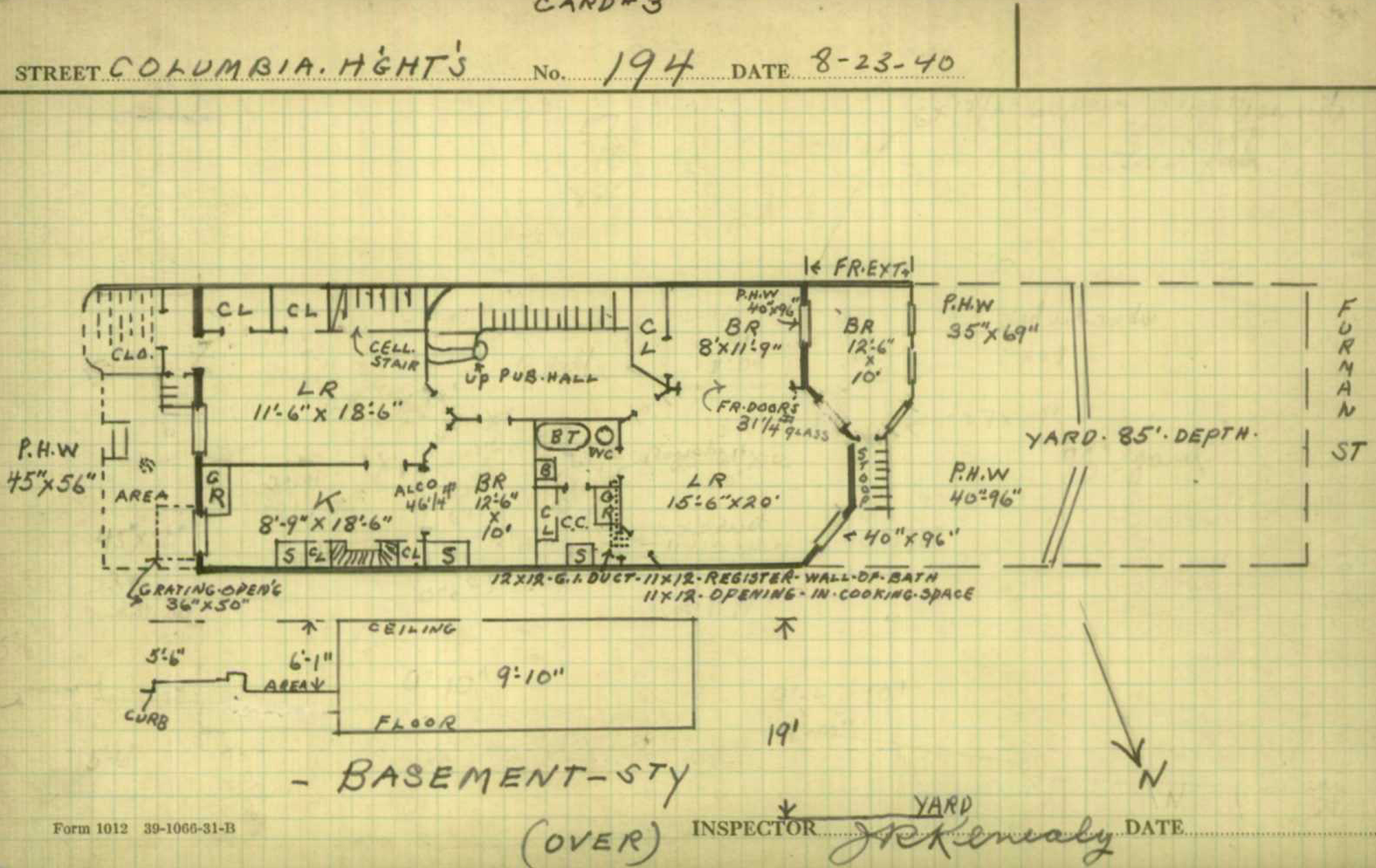
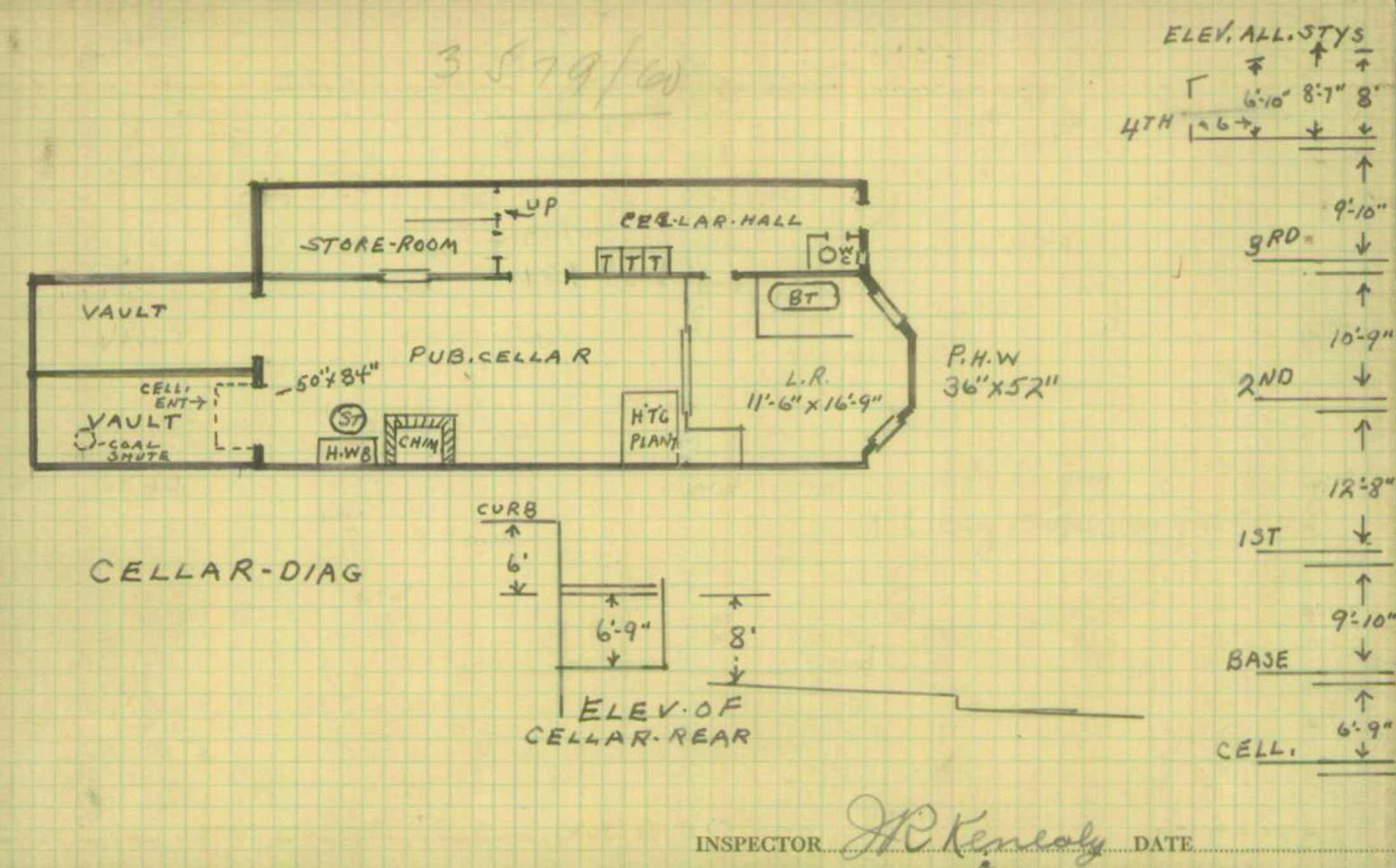
[Photos by Susan De Vries unless noted otherwise]
Related Stories
- 194 Columbia Heights, a Mysterious House With an Illustrious Past
- Inside One of Brooklyn Heights’ Oldest Houses, 24 Middagh, and Its Mysterious Past
- Brooklyn Heights Showhouse Started as a Family Home on Doctors’ Row
Email tips@brownstoner.com with further comments, questions or tips. Follow Brownstoner on X and Instagram, and like us on Facebook.

What's Your Take? Leave a Comment