
Three Brooklyn Projects Receive State Financing
541 units of affordable housing will be created in Dumbo and Downtown Brooklyn as part of a financing package from the state, reports the Brooklyn Eagle. Specifically, 388 Bridge Street, which has been mired in environmental issues for the last year and a half, received $94.6 million in financing; 47 of the 234 units will…


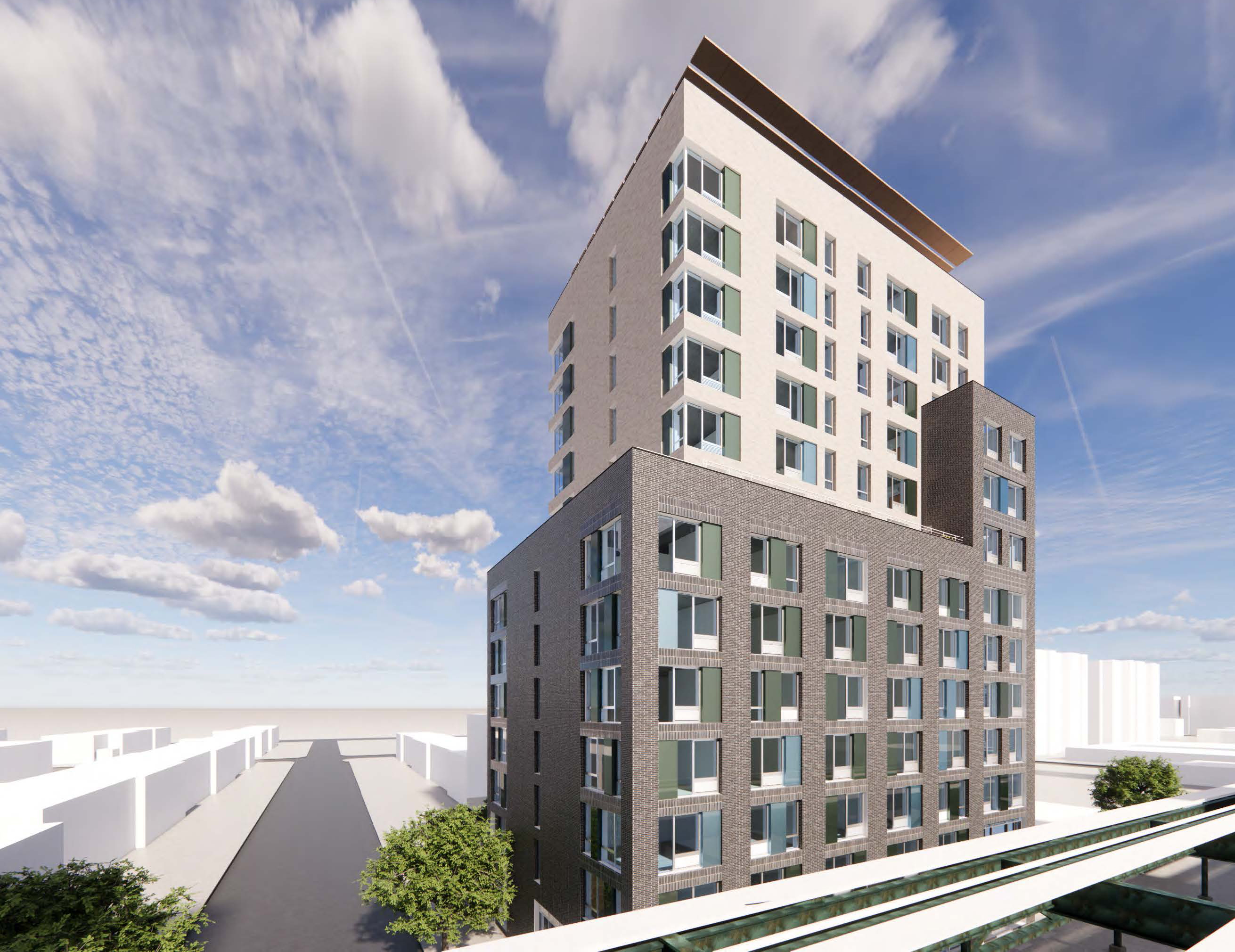
541 units of affordable housing will be created in Dumbo and Downtown Brooklyn as part of a financing package from the state, reports the Brooklyn Eagle. Specifically, 388 Bridge Street, which has been mired in environmental issues for the last year and a half, received $94.6 million in financing; 47 of the 234 units will be set aside as affordable. 25 Washington, the Two Trees conversion in Dumbo, got $22.2 million and as part of the deal will make 21 out of 106 units affordable. Finally, 29 Flatbush, a 333-unit, 44-story multifamily apartment building, received $99 million and will make 67 units affordable. The package comes from the New York State Homes and Community Renewal which aims to decrease red tape, increase the efficiency of housing projects while reducing costs.
State Funding for Three Brooklyn Devos [Brooklyn Eagle]
Vinca;
Point taken. I made this assertion because the program of which you speak (affordable units built elsewhere) is a Federal program (tax credits) and the article does specify that this is a state financing program.
However, let’ take the possibility that these affordable units will be provisioned elsewhere. That makes the situation even more ridiculous. The state needs to loan Two Trees $22 million to provision 21 units of affordable units in – say – Canarsie, when Joe Bacciagaluppe builders (or insert the name of your favorite small builder’s name here) can do the same thing – unsubsidized – for a whole lot less. How does that make sense?
I don’t see where any of the links above prove or disprove the claim that these units will be located within these same buildings. None of the links above specify the actual funding program or terms that produced the financing, nor illuminate the MFI applied to the “affordable” units.
Vinca;
I am aware of the programs which you mention (in which luxury housing gets built in one location, but the affordable units in another). That program is in the form of tax credits, I believe.
The state program discussed here is different. It is simply providing subsidized financing to make a certain percentage of the units in these buildings “affordable”.
Most posters here would be surprised and shocked, and some even abashed, to discover that “affordable housing†does not, in the least, resemble their imagined definition. Many government affordable housing programs provide financing and incentives for developers to build luxury housing in one neighborhood, while locating the “affordable†units somewhere else entirely (yes, the “outer reachesâ€). And Ty6 is right that the definition of affordable refers to very narrow income bands. It’s quite a complex subject, explained in easy-to-understand terms on this site, especially through their downloadable “Affordable Housing Bookâ€: http://bit.ly/gjGskq
Tybur is right as to the definition of “affordable”. And Johnny makes an excellent point as well, regarding AY, where the definition of those qualifying for “affordable” units included those making over $100K a year, hardly what housing advocates had in mind. Plus Ratner stands to be subsidized up the wazoo on the entire project. But that seems to be fine, but this isn’t?
“You insist on making it some kind of war between those in the outer reaches of the borough, and those in brownstone Brooklyn. That is also your issue, not mine. Those same townhouses in Carnarsie also exist here in brownstone territory, and some are subsidized and some not. Same as in Carnarsie, I might add. ”
Montrose;
What the heck are you talking about? I used the outer reaches because land is more afforable there, and hence the 3 family homes I discussed can be built WITHOUT subsidies.
I’ve said this many times before, but the definition of “affordable” is ridiculous. The very narrow income bands for these projects that hardly allow for any sort of buffer (ya know, rainy day funds, perhaps a vacation). The owners also don’t build much equity other than that which they’ve paid in mortgage principle… because the “affordable housing” income bands stick with the unit upon resale.
Benson, I don’t know the whys and wherefores of yesterday’s BOTD’s financing, and neither do you. I featured it because I like the houses, and I thought they were interesting, and were a change from 19th century buildings. End of story, as far as I was concerned.
You have a huge problem with the whole concept of affordable housing, and subsidies for building it. I can’t do anything about that, and I’m tired of trying. You insist on making it some kind of war between those in the outer reaches of the borough, and those in brownstone Brooklyn. That is also your issue, not mine. Those same townhouses in Carnarsie also exist here in brownstone territory, and some are subsidized and some not. Same as in Carnarsie, I might add.
I don’t pretend to know everything about where every dollar comes from in building/rebuilding Brooklyn, and neither do you. All I know is that there are millions of people in this city, and not enough decent and affordable housing for all of them. The government, in the process of being here for the people, has set up programs to entice builders to build affordable housing. Now I don’t always agree with how or where they do it, nor do I like some of the aesthetics involved. I have some big problems with the fact that most developers have to be bribed to build affordable housing at all, like in this case. But hey, I don’t run the world. The programs are hugely imperfect. But they are necessary.
It should be pointed out that Atlantic Yards received, what, about $50 million in affordable housing grants?