
"Real Wave of Pain Just Beginning"?
In one of the grimmest articles we’ve read to date on the US housing market, the Market Oracle scoffs at Treasury Secretary Hank Paulson for saying on Friday that “the housing market is at or near the bottom and that the subprime mortgage situation is not a “serious problem.” Which begs the question, How serious…


In one of the grimmest articles we’ve read to date on the US housing market, the Market Oracle scoffs at Treasury Secretary Hank Paulson for saying on Friday that “the housing market is at or near the bottom and that the subprime mortgage situation is not a “serious problem.” Which begs the question, How serious a problem is it? Deadly, thinks fund manager Kenneth Heebner:
The real wave of pain and foreclosures is just beginning… would expect that housing prices in 2007 will decline 20% in a lot of markets…What you are going to see is the greatest price decline in housing since the Great Depression.
If the doomsday scenario does play out across the country, the $64,000 question will be to what extent is New York City (and Brooklyn) dragged into the mess.
Is It Too Late to Get Out? [Market Oracle]
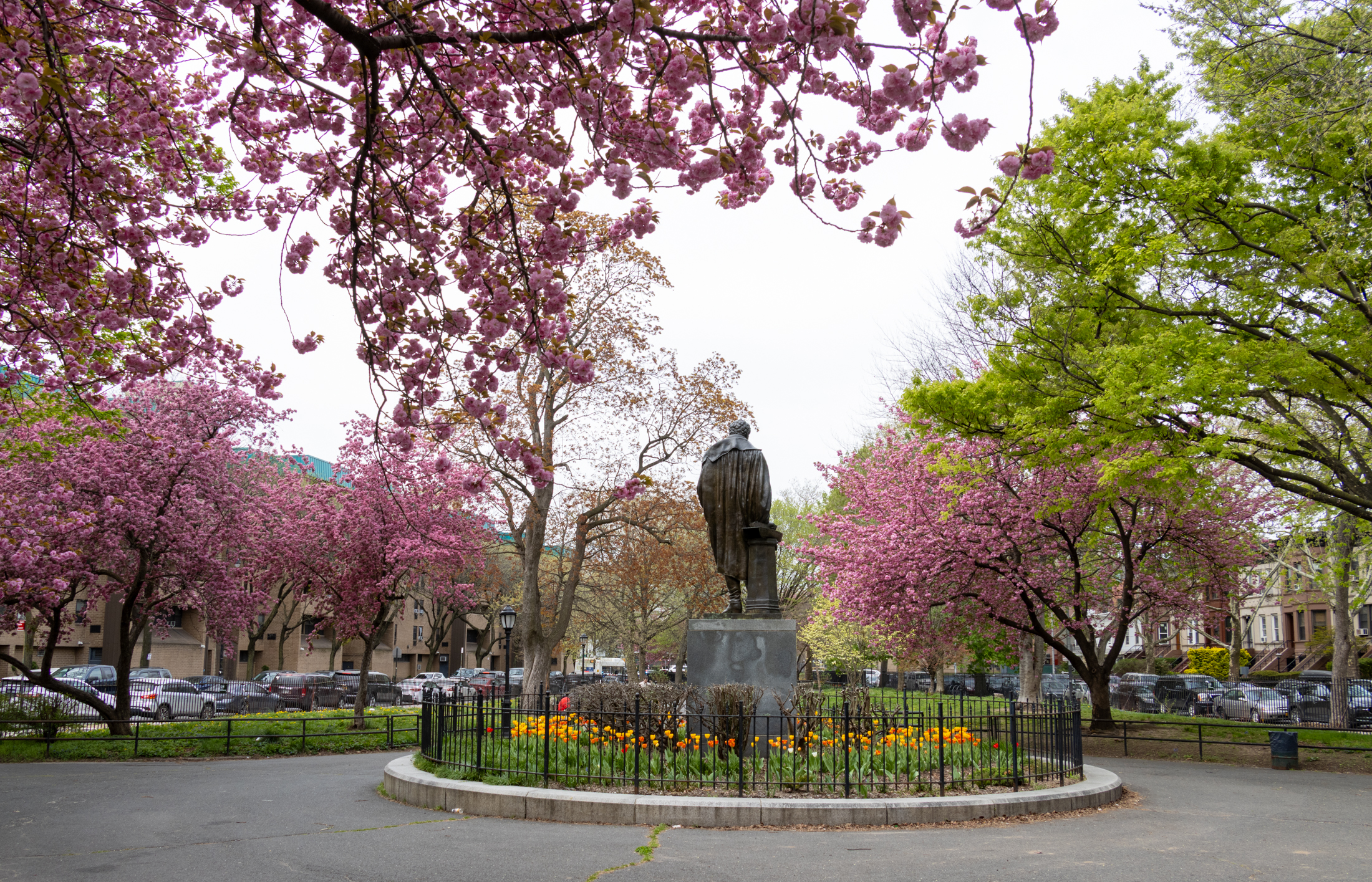
Photo by billypalooza

To 12:04, how can you say ll:59 is in good shape without know the house’s neighborhood?
If you can afford the 30 year mortgage, re-fi, stay in your house, and be happy.
If not, you have some thinking to do.
“Of course real estate prices in NYC will fall in the next few years. Where else could they go?”
I thought so too when I bought my place 3 years ago, now I’ve given up. Who the hell really knows? There are “experts” on both sides of the issue.
If I had followed my instinct and waited for the market to correct, I’d be in a sorry state right now.
Even if the market corrects in 2 or 3 years, will it’s value slip below what you pay today?
If you love it and can afford it without risking your future, then go for it. If Brooklyn’s too expensive, go check out Jackson Heights.
AnnaBee raises inflation, an issue which probably should be part of this discussion. Without looking at prices on an inflation adjusted basis, the numbers are essentially meaningless. If prices “stay the same” but inflation
rises at a healthy per year %, that would qualify as a price correction and would increase affordability, assuming wages rise to match.
All that being said, on an inflation adjusted basis, the current high housing prices in NY are unprecedented. Same for most of the rest of the country. Current prices are simply unfordable.
The assertion that the Pied-a-Terre market will prevent price erosion seems naive to me. Realistically, what percentage of New York’s market is held by people with a foreign source of income? Besides, don’t foreign investors like getting a deal too. It smacks of wishful thinking to rely on magical foreign investors will flock to NY in droves to pay outrageously high prices for vacation homes.
Prices have no where to go but down. As stated by the poster above, its if but when.
To 11:59
What you should do is listen to yourself and not the knuckleheads that are posting on this site lately. If you have a townhouse you like and a cost basis of $715K ($515 purchase + $200k reno) you are lucky and in good shape.
I’m a bit concerned. I purchased a 4 story brownstone with rental income in an area that was recently landmarked a year ago @ $515K with a 6%, 7 year arm, interest only. When all is said and done the renovation will be $200K. The house was recently appraised @ $835K. Once the reno is over, what in your opinion, should I do, considering the way the market is going? BTW, I plan to live in this house with my family for a very long time.
Thanks in advance for your input and please be kind.
I think we still have a ways to go to really compare ourselves with Paris or London (have you been in the Borough Hall Subway Station lately?) but it is great to work towards that goal. Development in Paris, and London, is incredibly heavily regulated. These are both government centers, national capitals, that benefit from huge public expenditures for maintenance of parks, streets, subways, museums, and even historic churches. In New York, most of that comes from private sources, even central Park is maintained by a private not-for-profit. I think Hong Kong is closer to the NY model. Markets and speculation rule. That makes it harder for us to invest in the public menities such as streets, parks, subways and public squares. It nakes our city very dynamic but also a bit of a hodge-podge physically. We need to work on it and I think we are doing so.
the distinction given to brooklyn this past year as one of lonely planet’s top destinations for 2007 has been a huge boon to brooklyn as well. europeans who travel LIVE by lonely planet.
i live in park slope and the past few weekends have seen/heard a TON of german, british tourists along 5th and 7th avenues.
a ton.
From talking to people who have been in the real estate business in nyc for a long time it seems like when the housing market busts you just see real estate transactions grind to a halt. Prices however do not tank (though they may be off from the high but not 20% off). I think as long as the rental market stays strong (and inflation keeps rising, which it seems it will), there is no reason to believe that this will be any different from any other housing bubble in nyc.
So much is wrong in the thinking, here in this thread. Why does everyone think Brooklyn is the only place in the country that has seen huge appreciation in home values in some areas? On a per square footage basis, Brooklyn is on par with most of the in-town neighborhoods in major metropolitan cities. Like L.A., San Francisco, Seattle, Chicago, Minneapolis, Miami. Condo-conversion lofts in downtown Minneapolis are priced the same if not more expensive than the ones in Brooklyn.
Those saying Europeans never heard of Brooklyn – wrong. Last Fall we had a lot of Brits looking at our co-op when it was for sale.