
How Brooklynites of the Past Decorated Their Houses
These Brownstoner histories of interior design offer the architecturally curious information about everything from fretwork to sleeping porches.

An early 20th century real photo postcard shows an unidentified interior with a mantel, picture rails, and other details. Photo via collection of Susan De Vries
Brooklynites across the centuries have filled their homes with the architectural trends and styles of the time. Whether part of the original design or a later remodeling to keep up with the current tastes, period details can still be found in many a house in the borough, from modest wood frames to ornate manses.
Brownstoner has delved into the history of all manner of period details and decoration over the years and we’ve rounded up stories that can give old-house occupants and the architecturally curious information about everything from fretwork to sleeping porches. There are even some tips on how to keep some of those elements in gleaming condition.

If you are a fan of the cinematic world of wealthy Gilded Age people on both sides of the Atlantic Ocean, or if you enjoy meandering around 19th century mansion house museums, then at some point you must have seen a room off the kitchen or the dining room where servants picked up trays or put prepared food on plates to take out to the table.
—
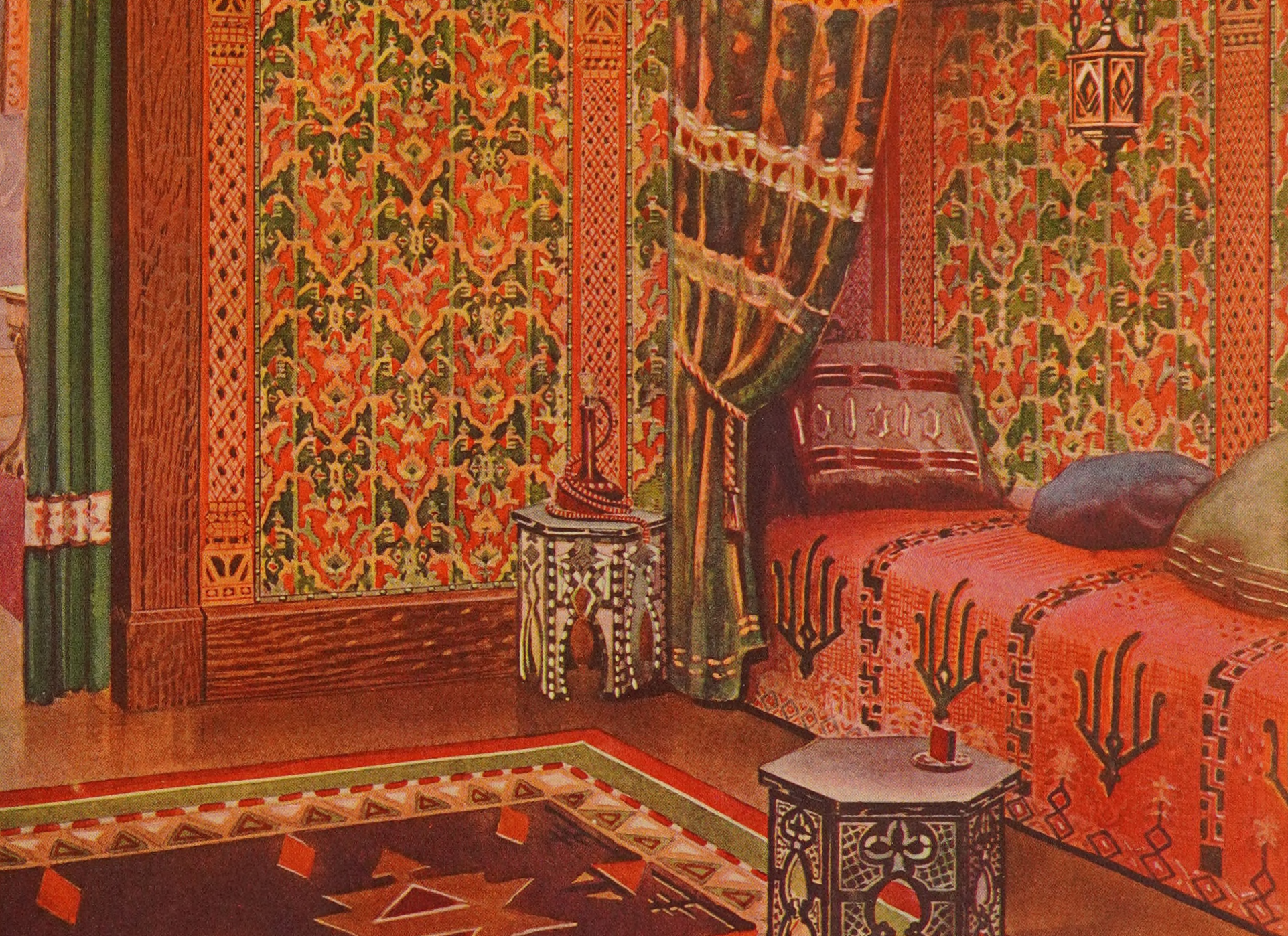
In the latter part of the 19th century, when ladies and gentlemen of the upper classes visited friends and social acquaintances, they might be introduced to a special parlor room or corner of a room that was resplendent with a multitude of throw pillows, overlapping carpets, lanterns, and other furniture and accoutrements from the then exotic-seeming lands of the Near East. Today, we might think of these as “Bohemian style,” which happens to be quite popular now, but the Victorians called those spaces “Turkish rooms” and “Turkish corners.” Anyone who was up on the latest interior fashions had one.
—
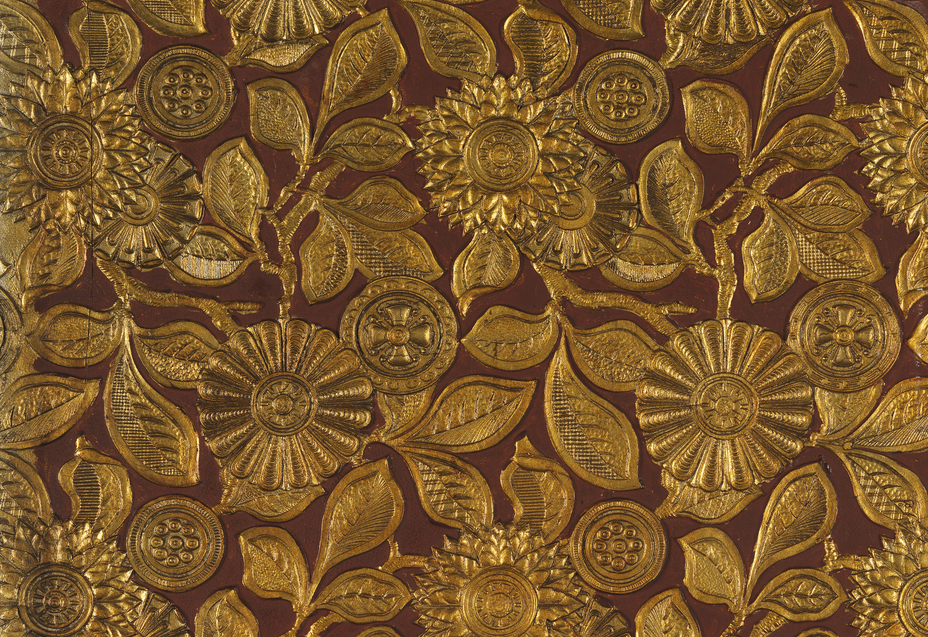
How the Victorians Brought Texture and Pattern to Walls
Home decoration was all the rage in the late 19th century. With the Industrial Revolution in England and America in full swing, a growing middle class on both sides of the Atlantic had spending money and wanted to have the look of the expensive decor of the rich, as seen in shops and described in newspapers and magazines.
—
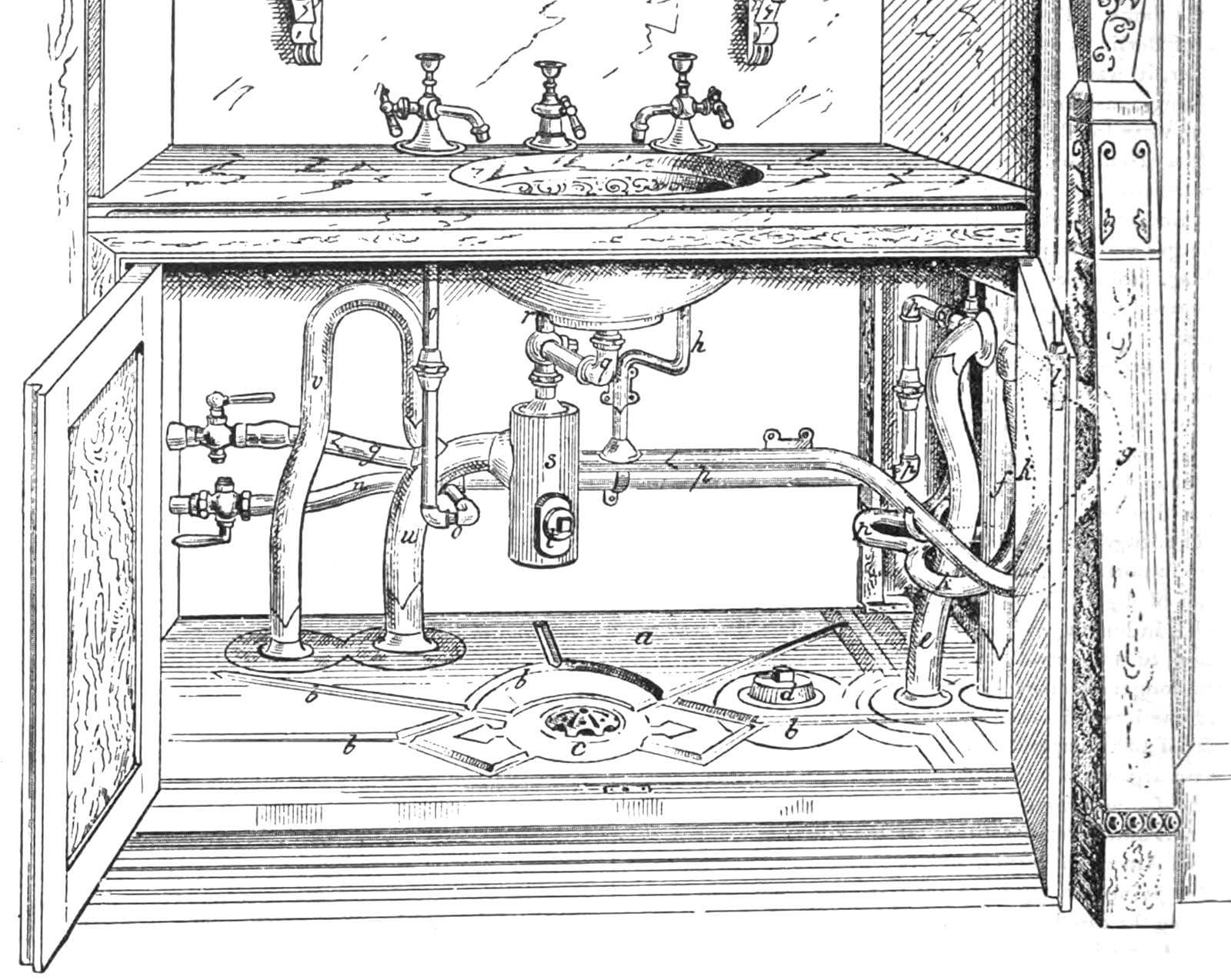
Among the luxurious appointments of late Victorian and early Edwardian Brooklyn dwellings coveted by many an old-house lover is a feature known as the pass-through. A passageway between bedrooms fitted with paneling, storage, and marble sinks, it allowed for both privacy and intimacy, particularly in the marital suite, as well as comfort and convenience.
—

The architecture and decorative arts of the late 19th century were greatly influenced by the Aesthetic Movement, which began in the 1870s. It was the beginning of an age of ornament and beauty for beauty’s sake that was constantly added to and modified until the end of the Art Deco period.
Exterior and interior decorative elements were important features that became standard in the residential architecture of the day. The design motifs of exotic foreign lands were eagerly modified to fit contemporary homes, with Japanese and Middle Eastern motifs the most popular.
—
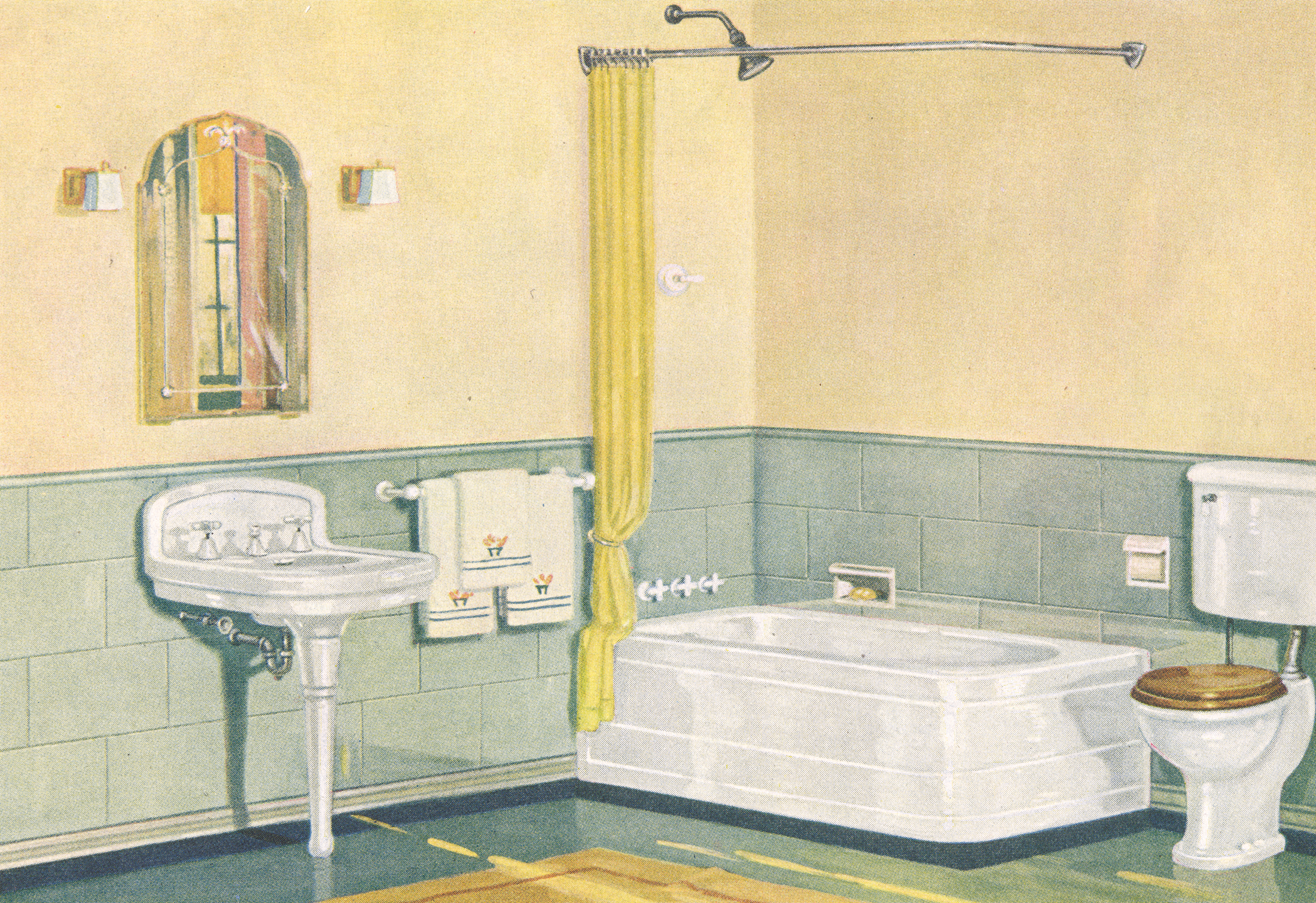
What You Need to Know About Reglazing a Sink
Most bathrooms are more forgiving; if a fixture gives out, any number of salvage replacements or new sinks might work. That wasn’t the case in ours.
Our 1895 wood-frame Queen Anne row house, an original two-family, is remarkably intact. Among its features are the original kitchens and two tiny bathrooms, identical and stacked atop one another.
—
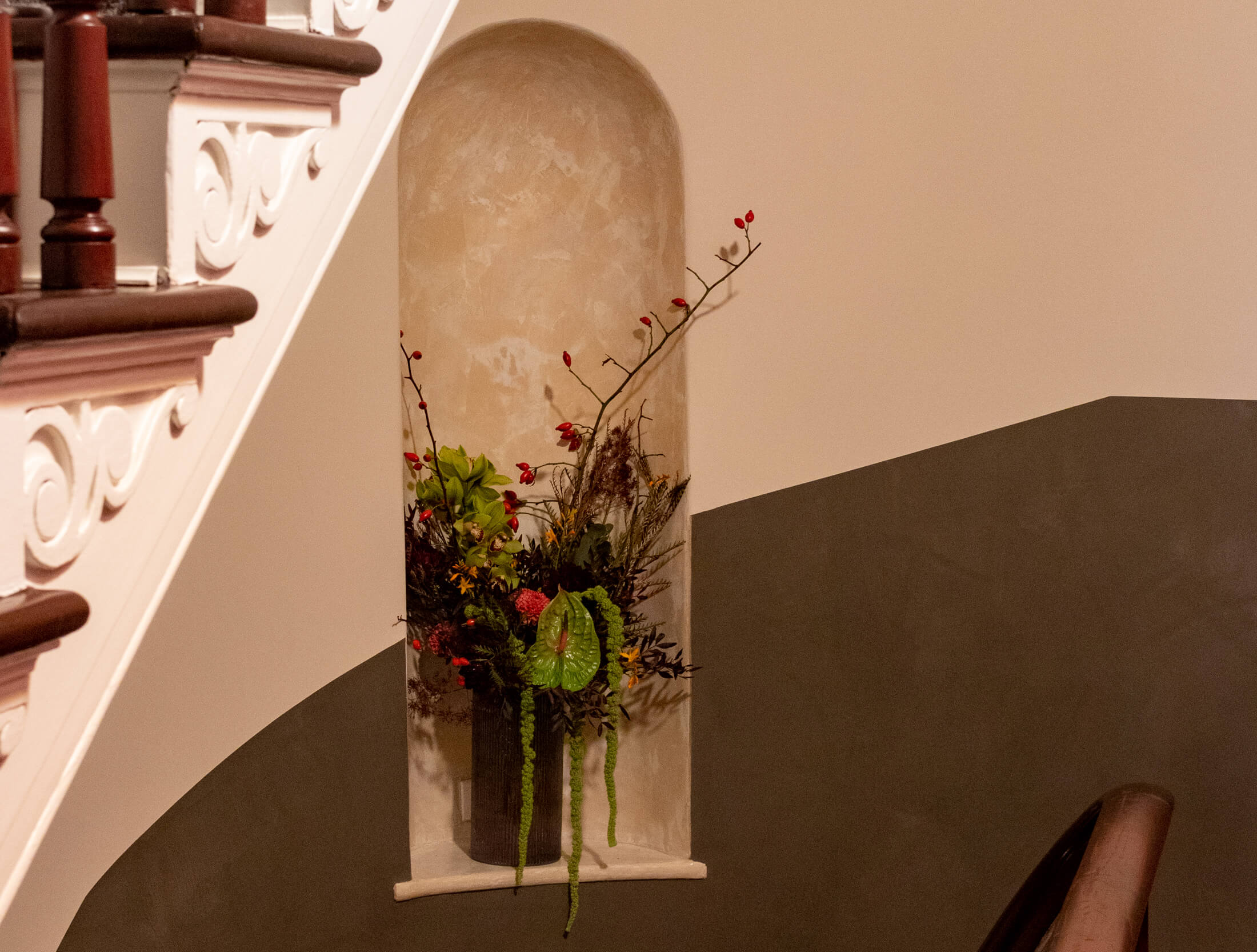
The Mythology of the Coffin Corner
It is perhaps understandable that the term coffin corner has persisted as a bit of old house lore. “Stair niche” doesn’t quite have the same zing. A recess found at the turn of a tight staircase in houses of the mid 19th century, the decorative detail has a much less somber use than its nickname implies.
—
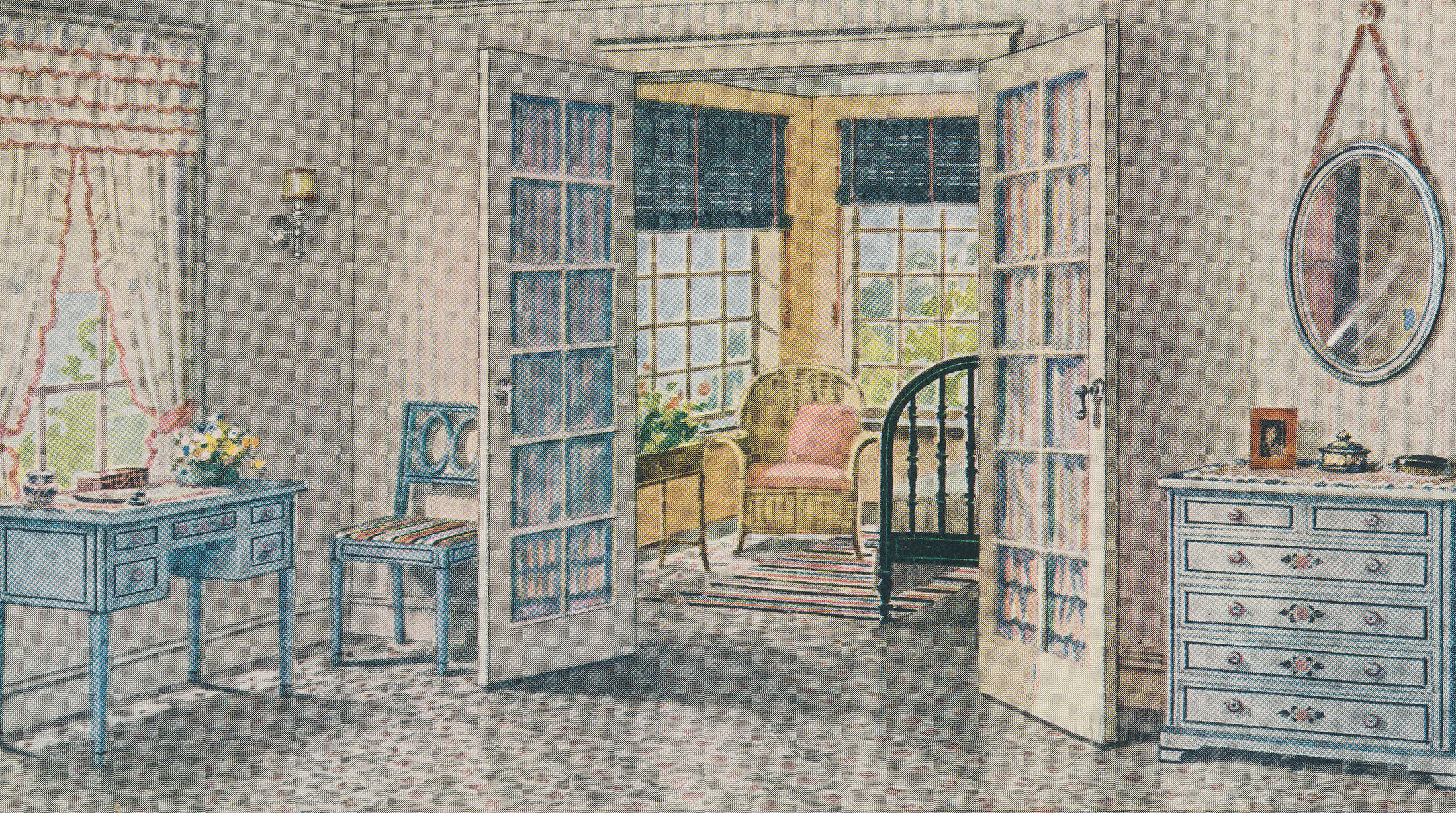
A Breath of Fresh Air: A Short History of the Sleeping Porch
The early twentieth century fresh-air movement spurred an architectural trend of sleeping porches as an essential domestic amenity. Brooklynites embraced the fully windowed rooms, said to ensure healthy sleeping and prevent disease. In scientific journals and the latest home decorating and architecture magazines, writers explored the benefits of year-round fresh-air sleeping and the design of the rooms.
—
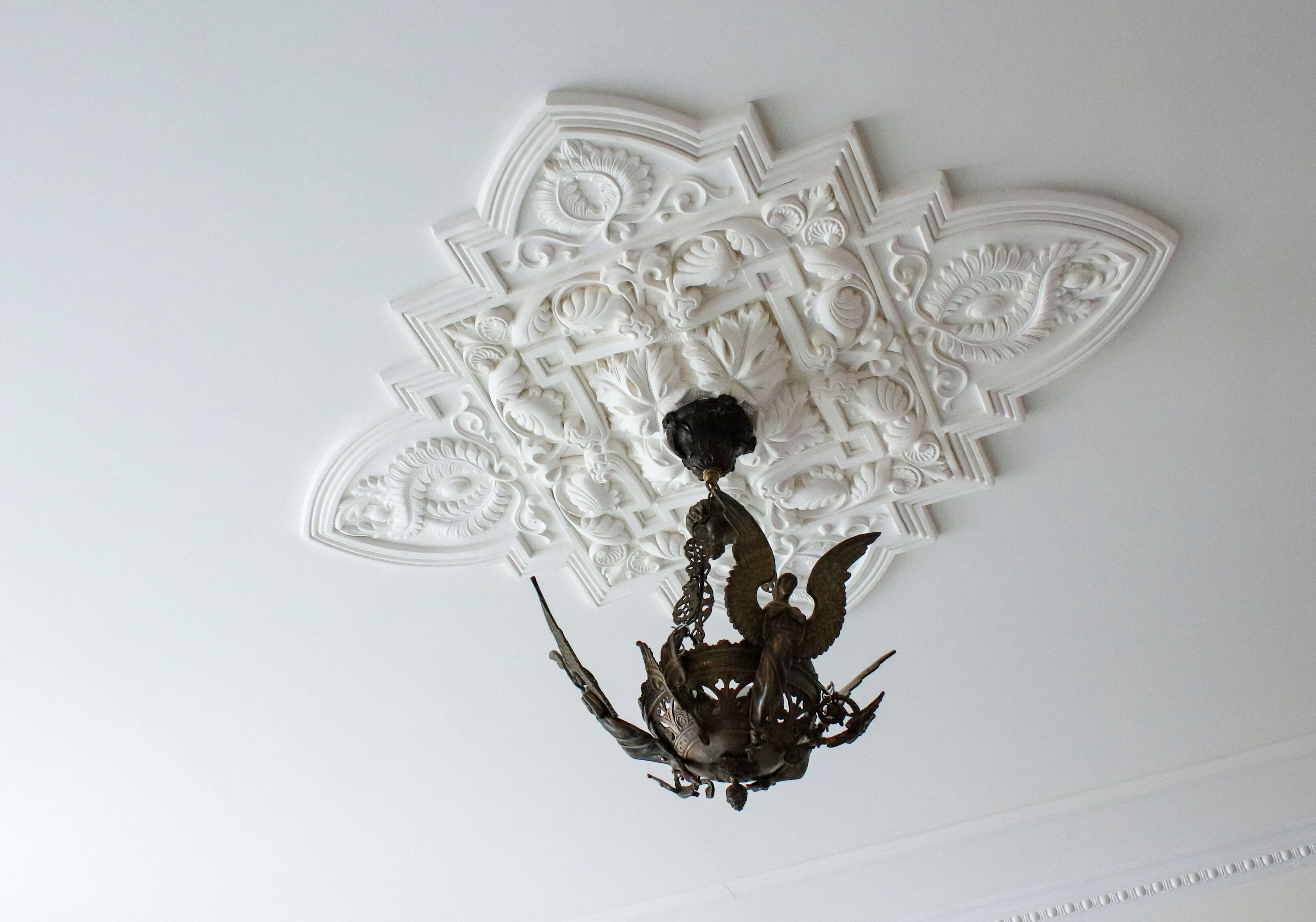
Medallion Matters: The History and Care of Plaster Ceiling Medallions
Popular in 19th century homes, plaster ceiling medallions offer a visual transition and seat for a light fixture in important rooms. Their elaborate bas-relief designs also helped hide soot from oil and gas lamps.
—
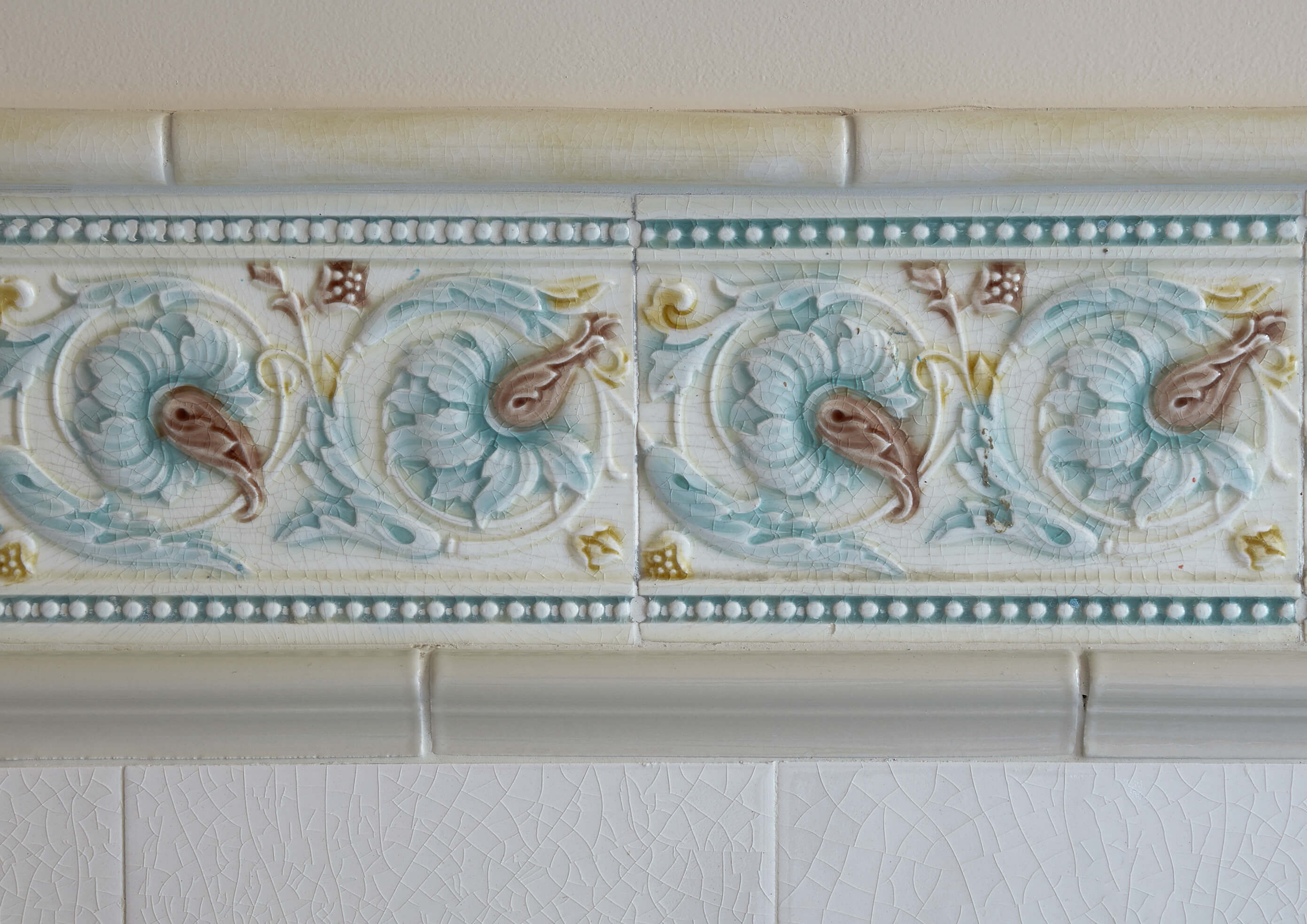
How to Get the Look: Victorian Bathroom Tile
Gorgeous tile, stained glass, and deep claw foot tubs — the typical late-Victorian bathroom was luxurious and large. Common features were porcelain hex-tile floors, a wainscot of white subway tile and, of course, the aforementioned iconic tub.
—
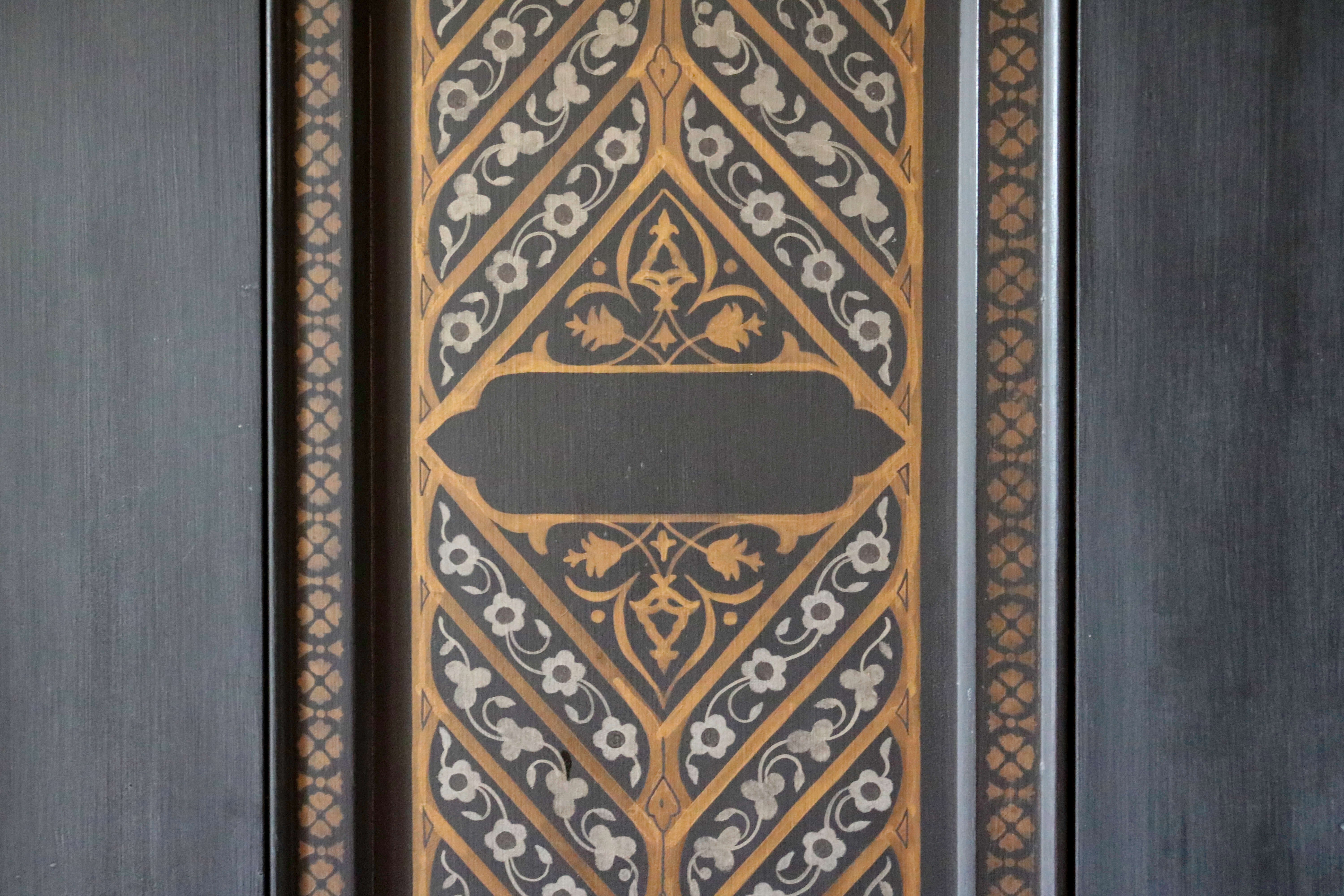
A Brief History of Decorative Painting in Brooklyn and Beyond
When the historic homes we live in and admire in Brooklyn today were spanking new, they were often enhanced with decorative painting.
Special paint effects have a long history in the U.S., going back at least to the beginning of the 18th century, and continue to be popular today. Contrary to stereotypes, houses before and after independence were bursting with color and pattern. Dots and circles enlivened halls and kitchens, and painted scenes and trompe-l’œil vignettes covered paneling surrounding fireplaces in New England parlors, as Nina Fletcher Little’s “American Decorative Wall Painting” documents so well.
—
Woodwork Restoration Secrets Revealed: How to Get That 19th Century Glow
Perhaps you live in an historic house with perfectly intact, never-painted wood. You can just leave it be, or gently clean it with a rag dipped into water with a squirt of Ivory liquid soap.
How to refinish wood that has been stripped? Shellac is one of the most authentic, easy to work with, and rewarding options.
—
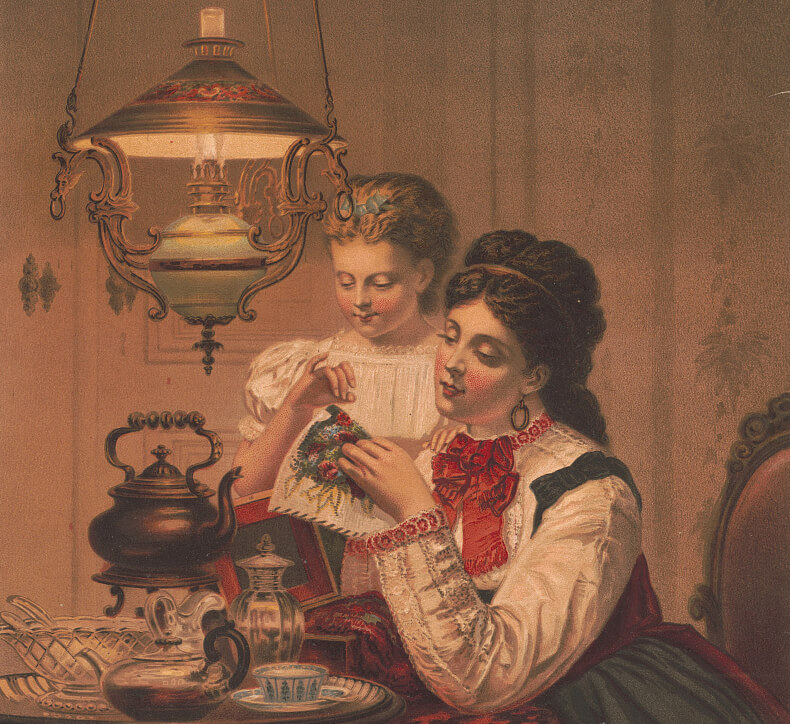
Lighting in the 19th Century Row House
The old light fixtures we see so often in Brooklyn townhouses that we think are original to the building are quite often early electric lights or mid 20th century chandeliers.
“It is rare to find pre-electric lighting in situ,” writes Roger Moss in “Lighting for Historic Buildings,” because it was “easier to replace outdated fixtures than to convert them.” Many were removed and later melted down for war scrap-metal drives.
—
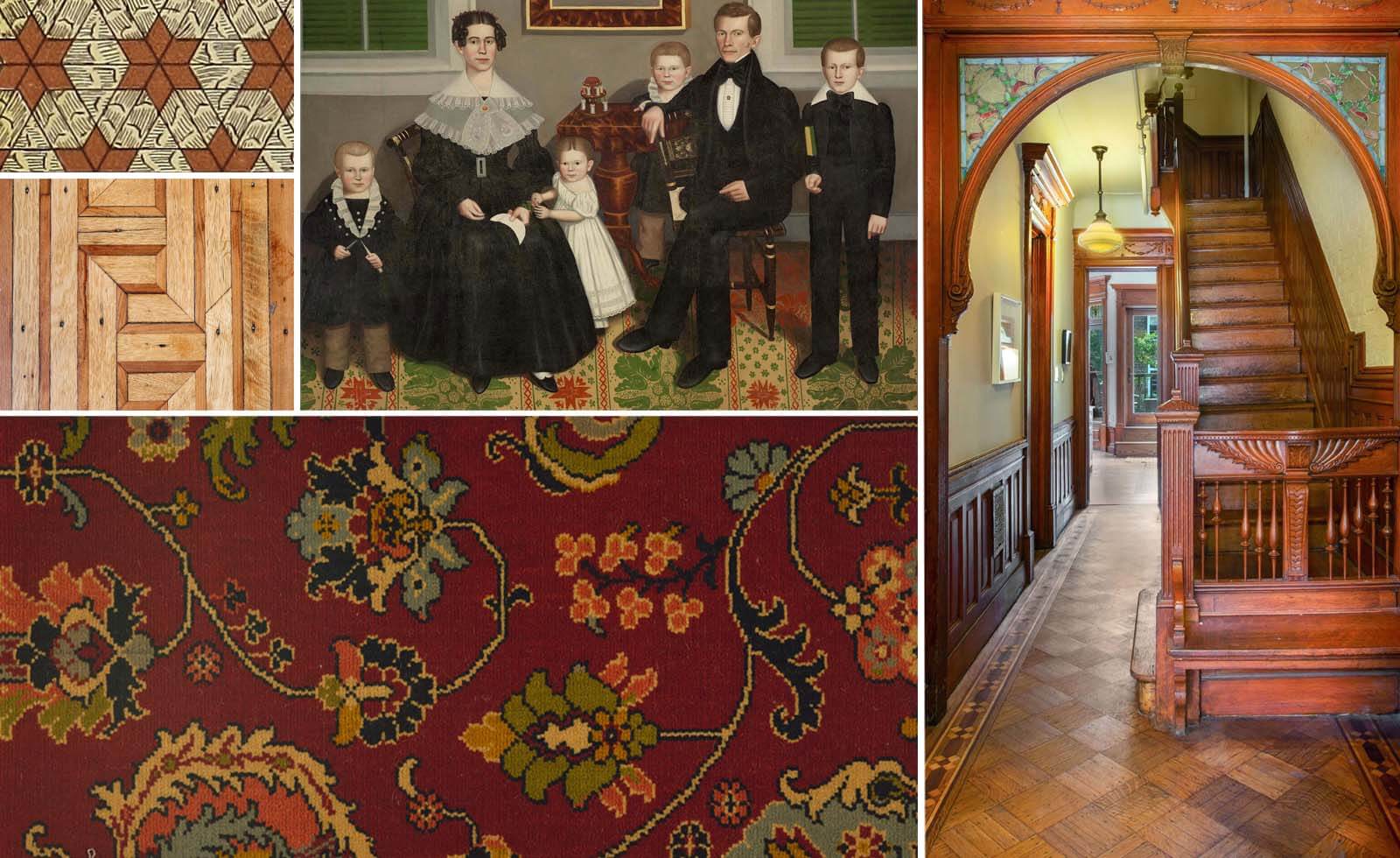
History Underfoot: Flooring in the 19th Century Home
To me, the best old houses are the ones that no one has touched in years. The floors are covered in wall to wall carpeting of dubious antiquity, or layers upon layers of linoleum.
The moment of truth arises when you can grab the end of the carpet, or lift up the linoleum and there they are, protected for umpteen years from wear and tear and the foibles of bad decor: parquet floors! Even better is going to a corner and catching sight of an ornate border, ringing the room, the different colored woods forming lines and patterns, artistry in wood. Love it! However, sometimes you can pull up the carpet, and there is nothing special there.
—

From Open Hearths to Open Plan: 350 Telling Years of Kitchen History
A look back on nearly 400 years of kitchen history, and how the kitchen reflects the times we live in.
—
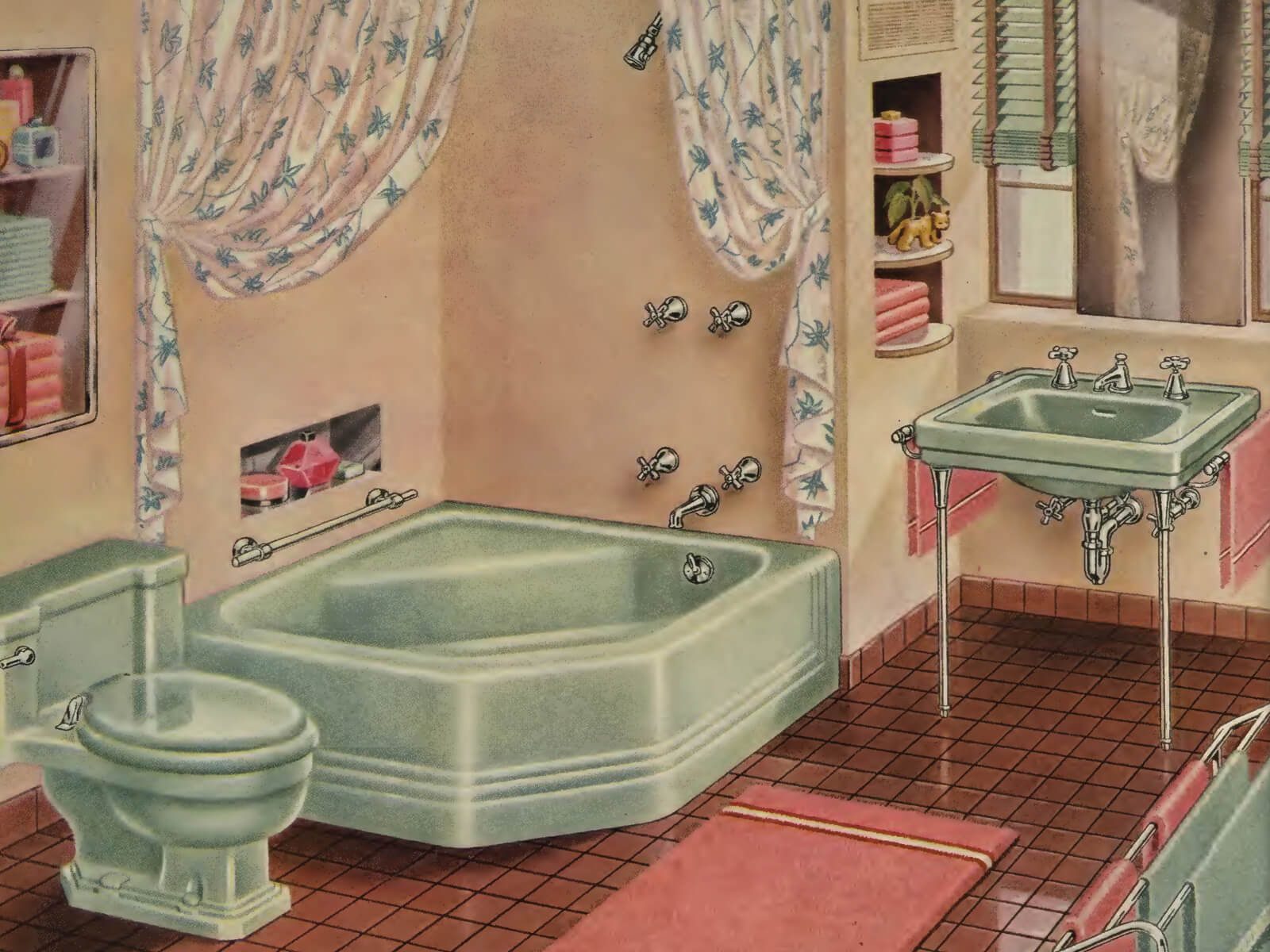
From Pakistan to Brooklyn: A Quick History of the Bathroom
Topped only by the kitchen, the bathroom is one of the most important and frequently renovated rooms in any house or apartment.
—
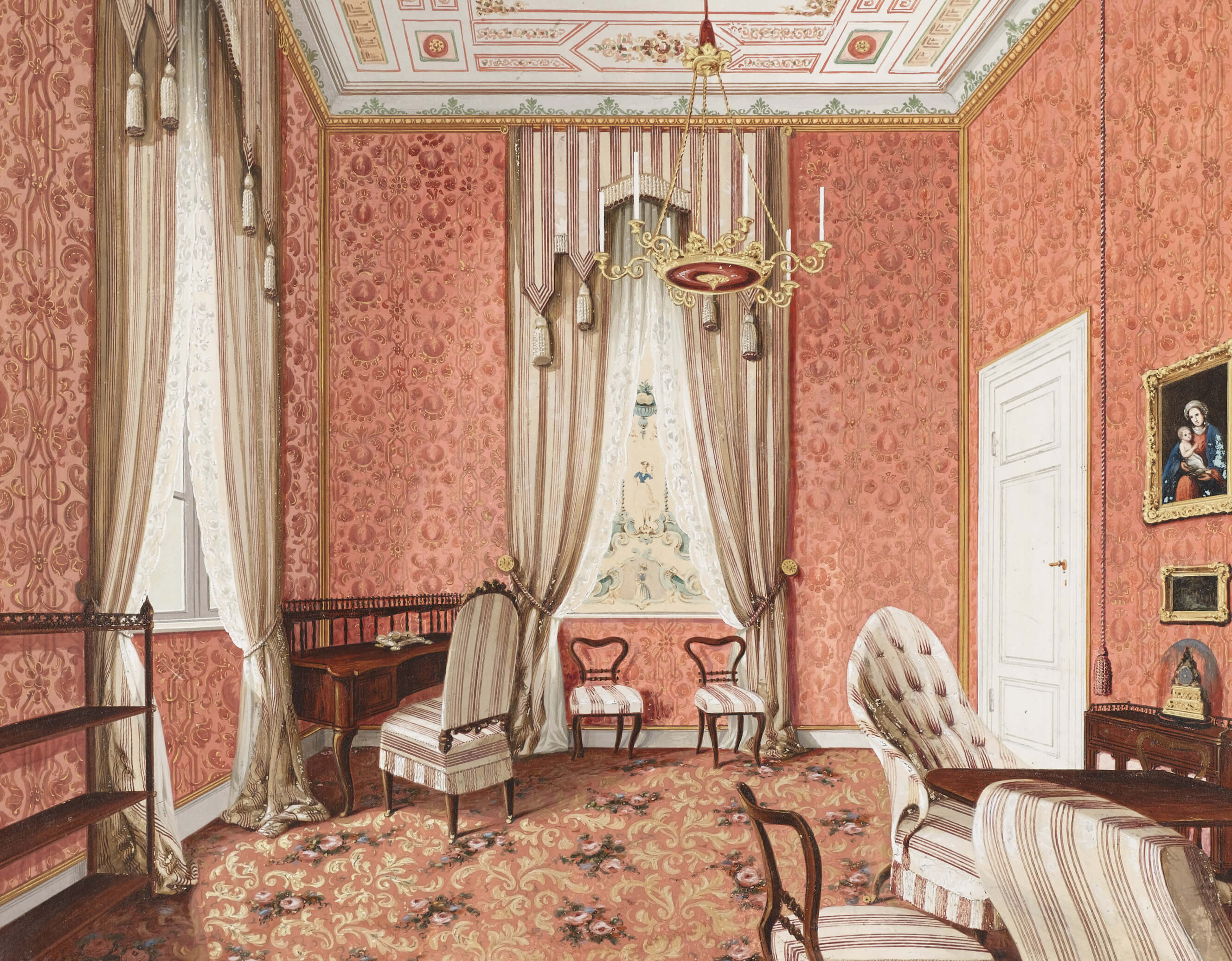
From Practical to Ornamental: The History of Dressing Windows
From a practical perspective, window treatments give a home the following: protection against wind, drafts, and cold air in the winter, and strong sunlight and heat in the summer.
Related Stories
- Albert Korber and the Business of the Artful Home
- Downtown Brooklyn’s Forgotten Emporiums
- The Big Mansion on the Corner: Crown Heights’ Schwarzmann House
Email tips@brownstoner.com with further comments, questions or tips. Follow Brownstoner on X and Instagram, and like us on Facebook.
What's Your Take? Leave a Comment