
Suzanne Spellen's Tales of Brooklyn History and Architecture in 2025
Preservationist and longtime Brownstoner columnist Suzanne Spellen penned captivating tales of Brooklyn’s history and architecture this year.

A bird’s-eye view of Brooklyn by C.R. Parsons published by Currier & Ives circa 1879. Image via Library of Congress
Historian, preservationist, and longtime Brownstoner columnist Suzanne Spellen penned a bevy of captivating tales of Brooklyn’s history and architecture this year. If you missed her 2025 monthly columns or her features in the Brownstoner broadsheet, we’ve rounded them up for some winter reading below.
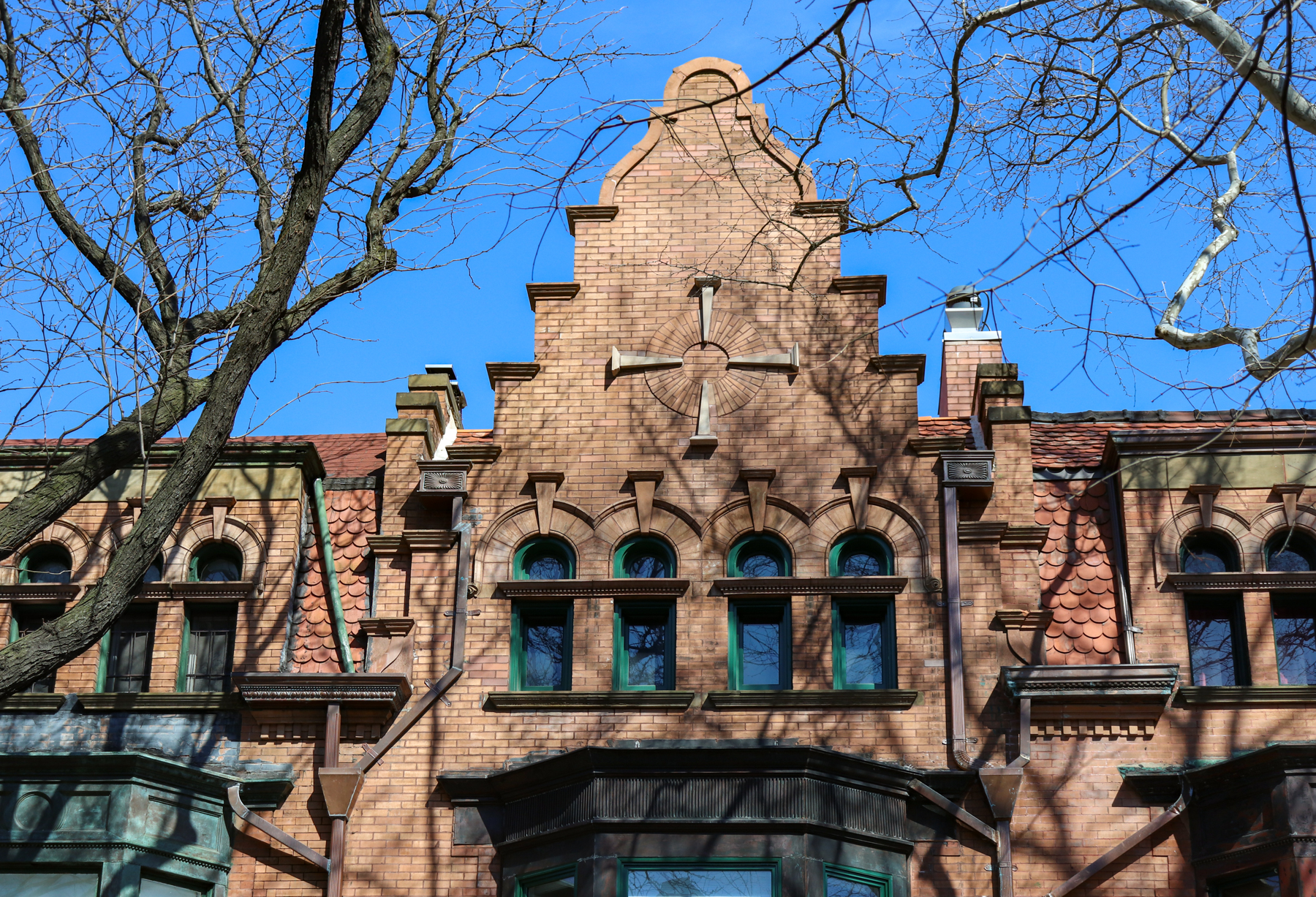
How Charles Pratt’s Morris Building Company Beautified Brooklyn
A side project of the richest man in Brooklyn in the 19th century, the Morris Building Company developed some of the borough’s most artistic and important buildings. Notable examples include English Arts and Crafts-style row houses, worker housing ahead of its time, and most of the original Pratt Institute buildings. At turns whimsical and utopian, with quality always foremost, the designs were the fruit of longtime partnerships with some of the most talented architects of the day.
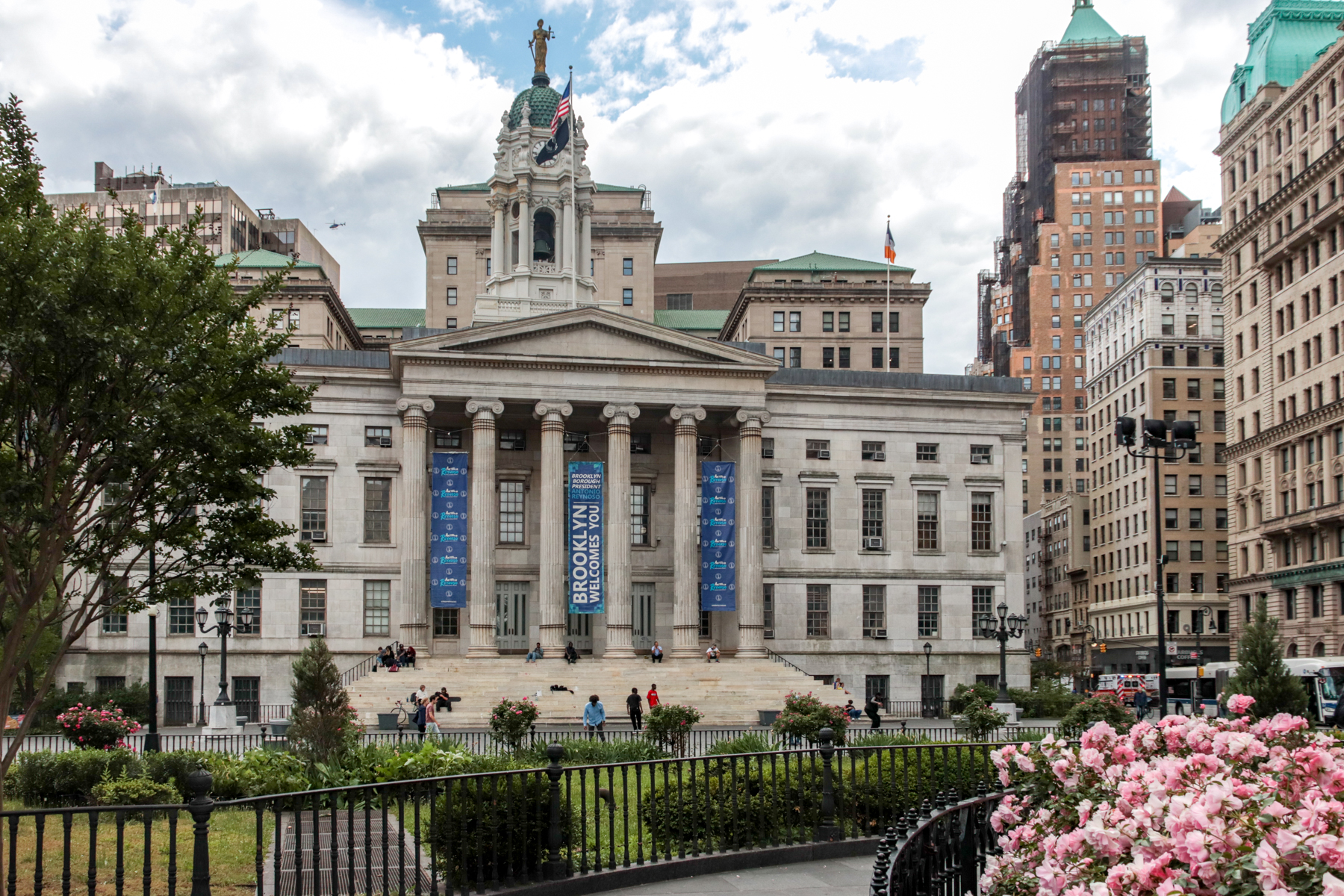
City Pride: The Making of Brooklyn Borough Hall
From modest beginnings, the building we know today as Brooklyn Borough Hall is the result of years of struggle — and narrowly avoiding demolition as the world around it changed.
Most municipalities have one building that is the headquarters for that municipality’s government. Whether you have a mayor or town supervisor or some other official in charge, well, that’s where they hang their hat. Some cities and towns have impressive 18th and 19th century city halls designed by important local architects, while others have more modest and utilitarian buildings or spaces.
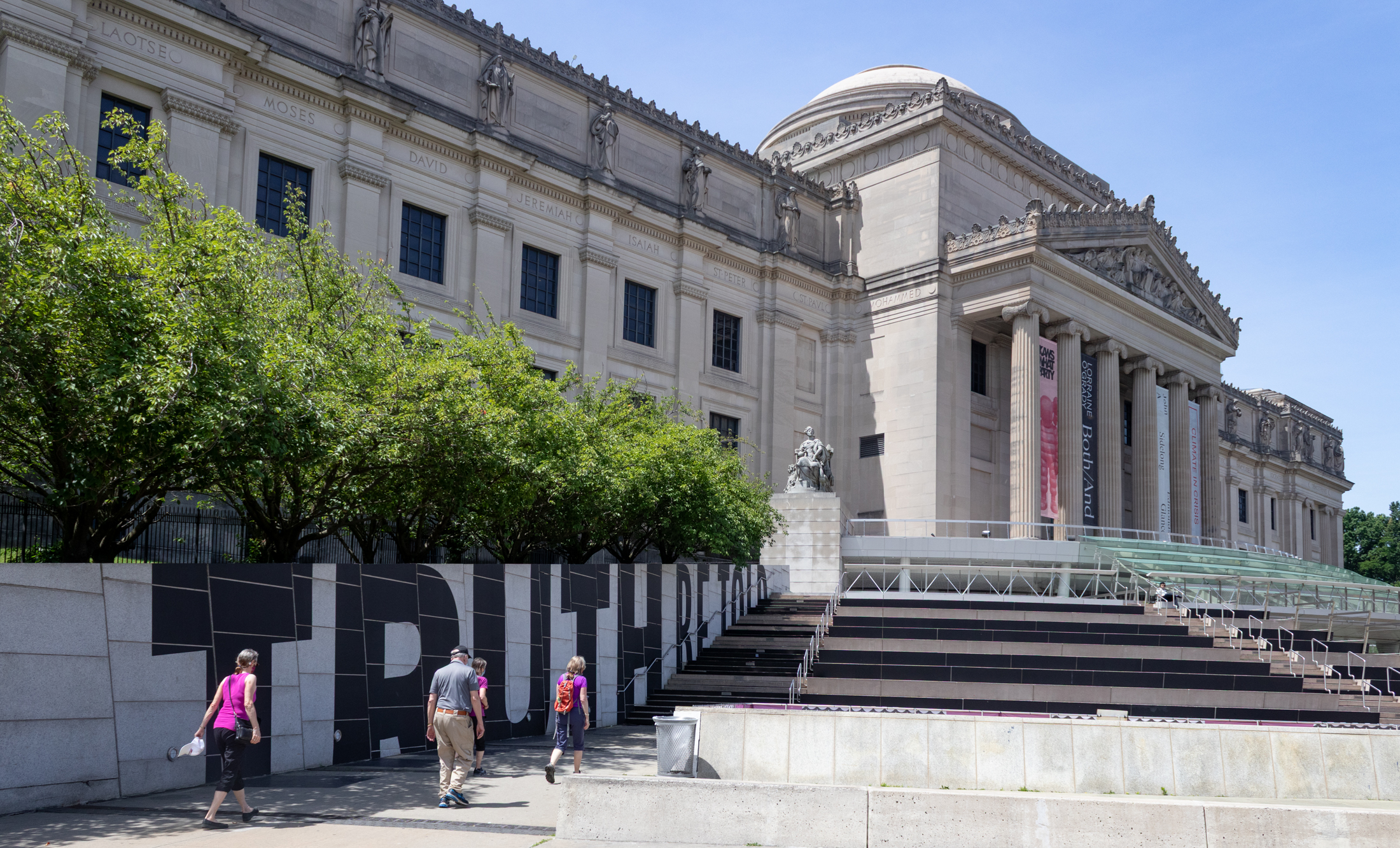
How Brooklyn’s First Free Library Became the Brooklyn Museum
Many of the great museums of the world started out as the private collections of very wealthy people. New York’s Guggenheim, the Frick, the Morgan Library and London’s Tate Modern are examples, to name just a few. Manhattan’s Metropolitan Museum of Art was the brainchild of a group of wealthy Americans meeting in Paris in 1866. They wanted to establish “a national institution and gallery of art.” They came back to New York and incorporated in 1870. The Met was always meant to be a public museum and was first housed in a building on 5th Avenue near 54th Street. Brooklyn’s great museum had a very different origin. The Brooklyn Museum began as a small library.
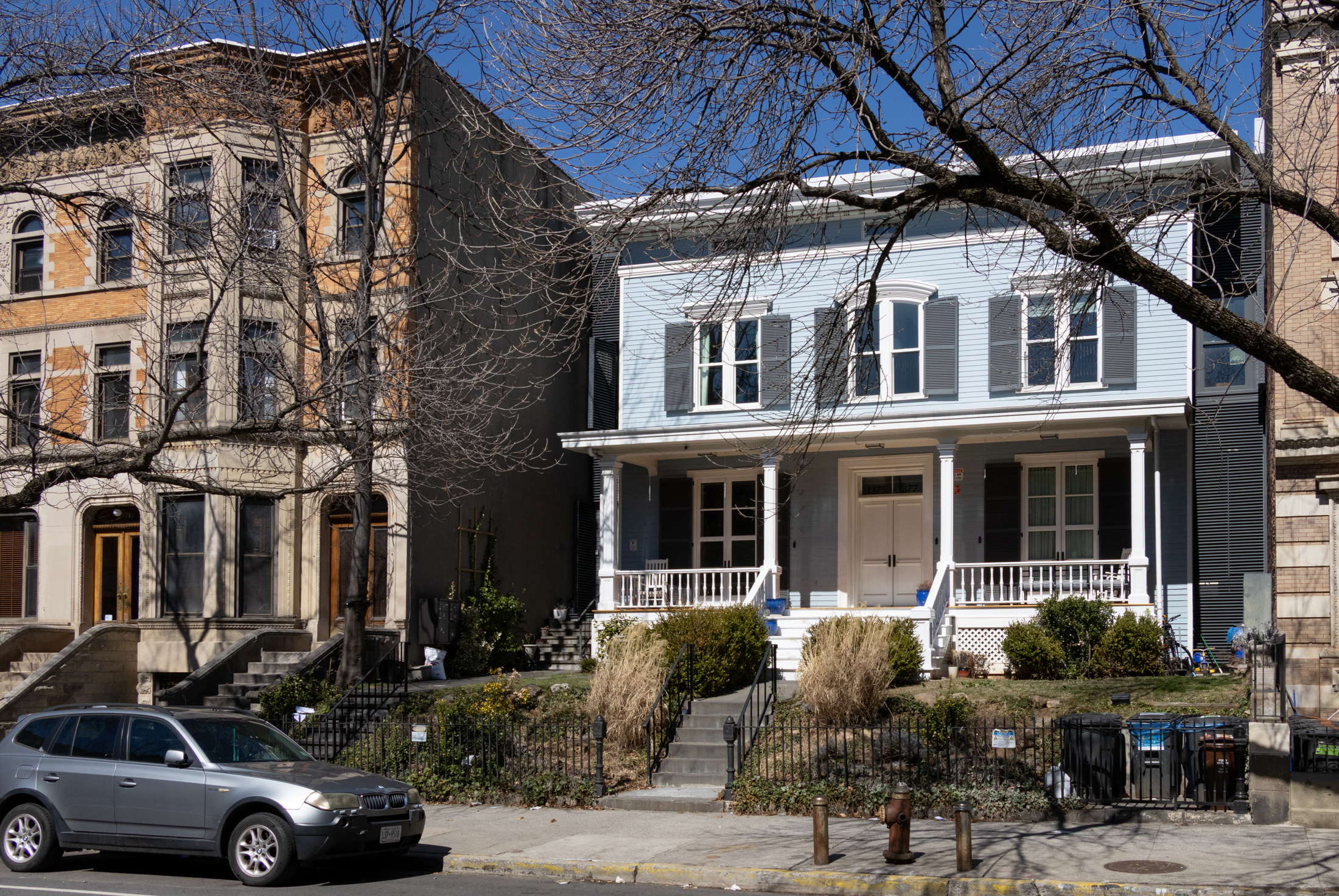
George and Susan Elkins, Their House, and the Really Big Meadow
Imagine Central Brooklyn as it looked in the decades before the Civil War. The neighborhoods we call Bedford Stuyvesant and Crown Heights North were part of the town of Bedford. Most of it belonged to various members of the Lefferts family, whose family seat at today’s Fulton Street and Arlington Place was smack in the middle of the crossroads making up the village of Bedford Corners.
Brooklyn, which included Bedford, was incorporated as a city in 1834, and the street grid was laid out by 1839. The grid was aspirational, extending far past what was already a growing city, through hill and dale, farms, and woodlands that wouldn’t be urbanized until 50 or more years later.
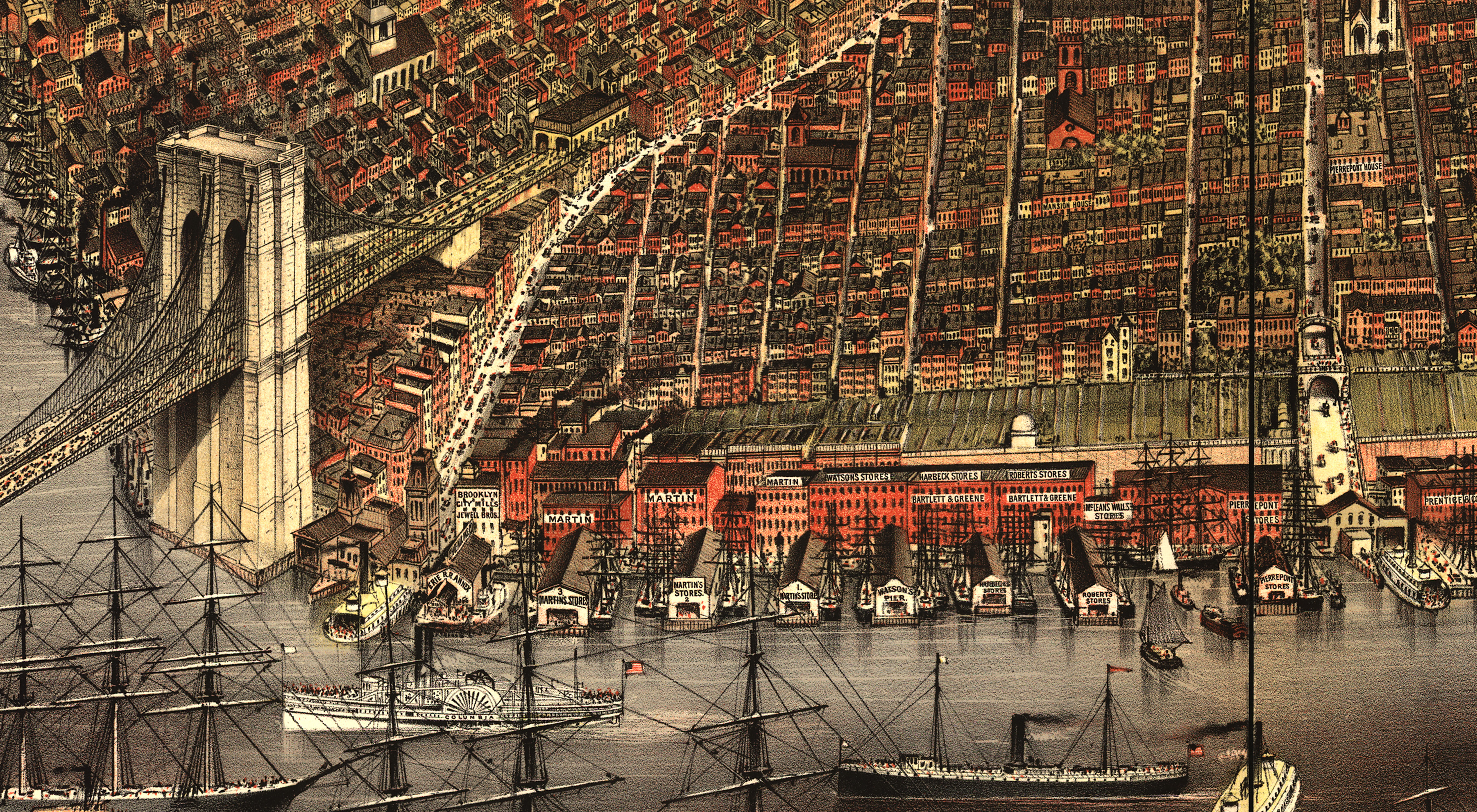
The Walled City: Brooklyn Heights’ East River Warehouses
The topography of the shoreline along the East River was perfect for the creation of piers and wharves. The harbor and the river are deep and wide enough to accommodate large vessels. As the Manhattan side filled up, Brooklyn offered even more and better opportunities for shipping, as well as manufacturing.
Thanks in great part to the opening of the Erie Canal in 1825, by mid-century, the shoreline from Williamsburg to Red Hook was full of ships loading and unloading goods. Shipping became Brooklyn’s largest industry. Merchants, factories, and shippers flourished along the river, producing and shipping everything from sugar to benzine. The merchandise being shipped in and out had to be stored somewhere, hence the need for “stores,” or warehouses.

The architecture and decorative arts of the late 19th century were greatly influenced by the Aesthetic Movement, which began in the 1870s. It was the beginning of an age of ornament and beauty for beauty’s sake that was constantly added to and modified until the end of the Art Deco period.
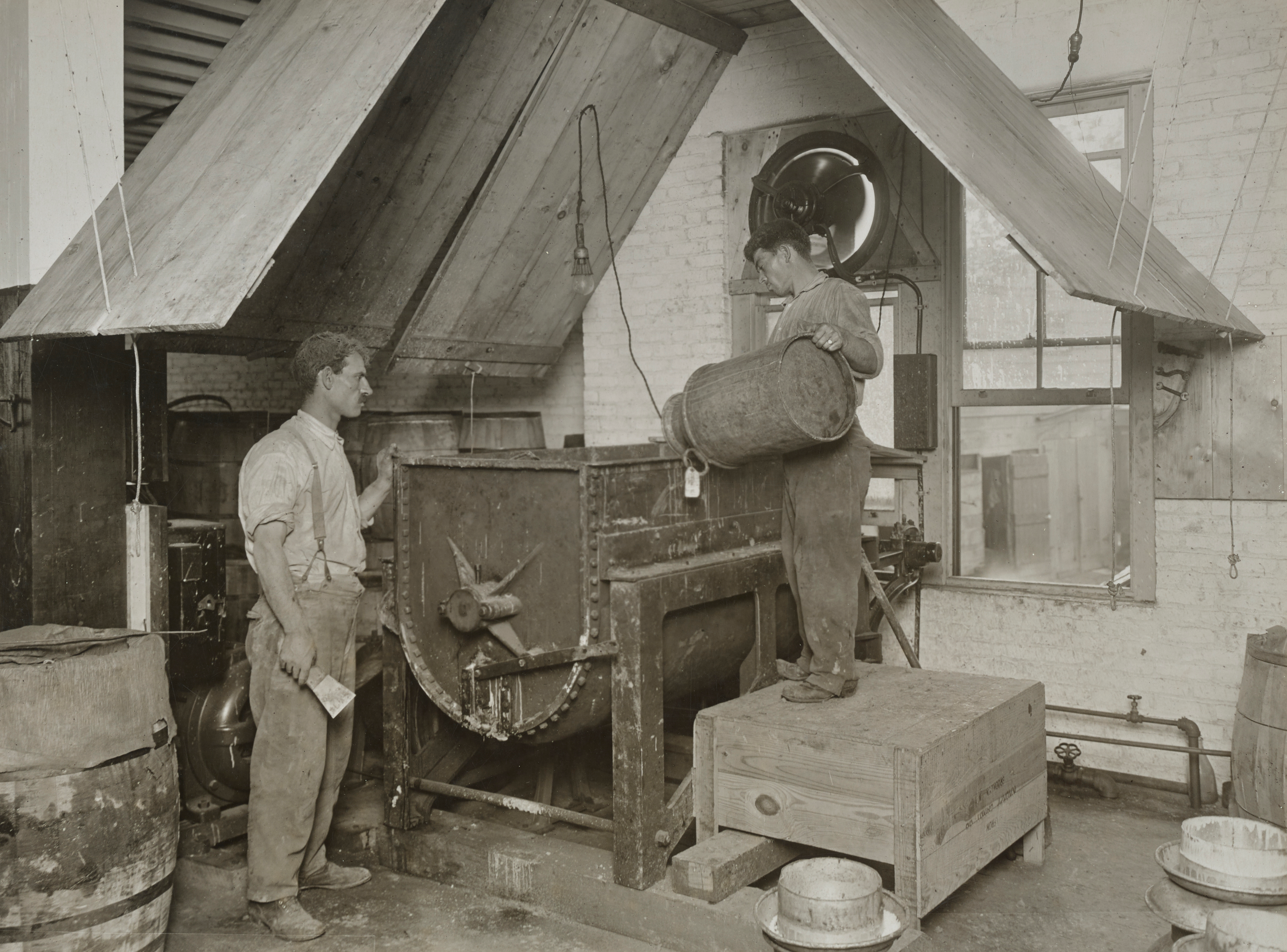
The Sweet Life: A History of Candy Making in Brooklyn
Sweets have been with us almost since the dawn of time. Mankind long ago figured out that honey, as well as various plants, saps, and leaves were pleasing to the palate, and when ingested or chewed, tasted good and could confer energy, calm nerves, and even heal. We just love the taste of sweetness, especially as children, and as a special treat. It’s in the genes!
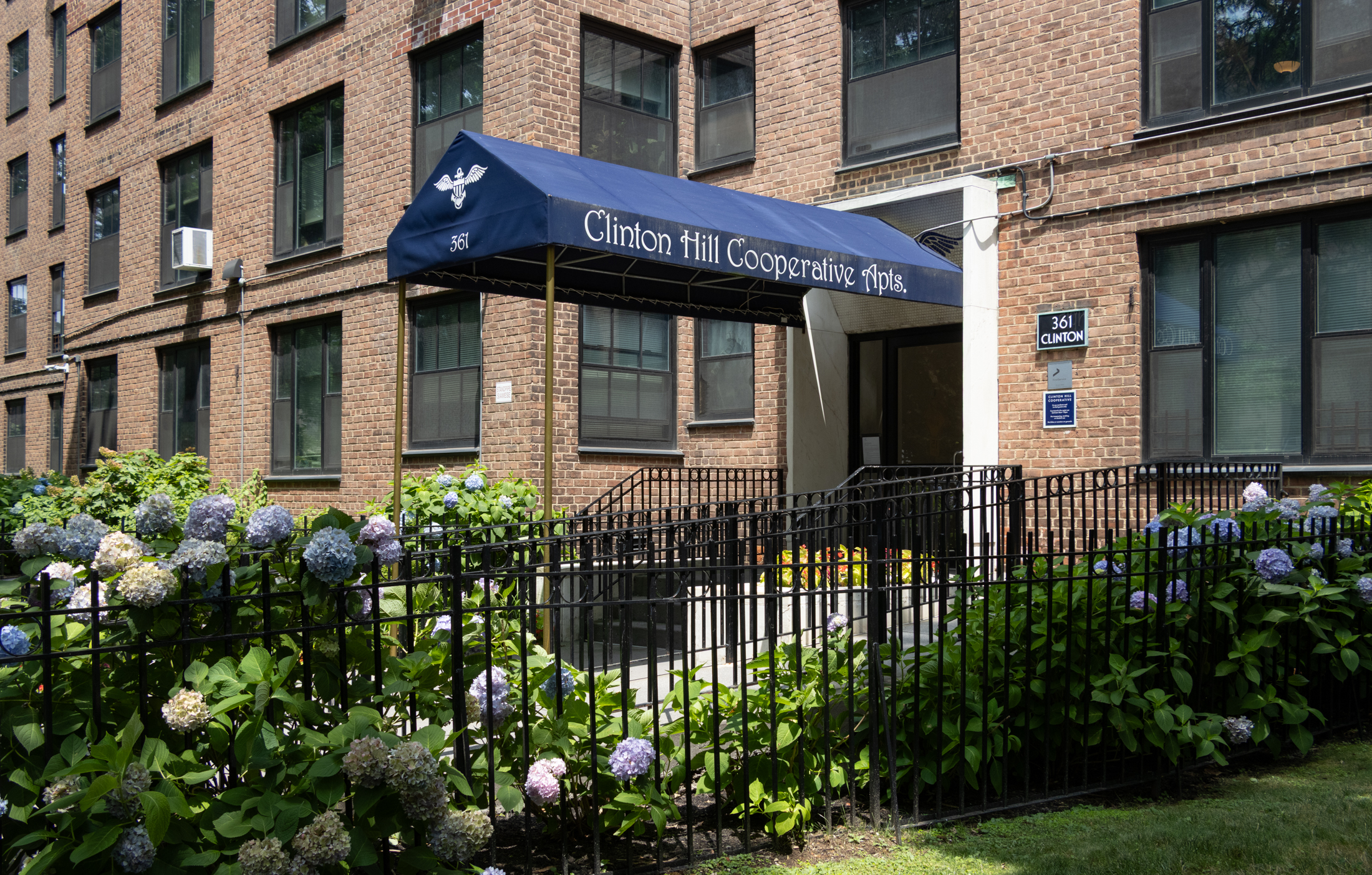
From Mansions to Housing for Navy Yard Workers: The Clinton Hill Co-ops Story
Thanks to Charles Pratt, the wealthiest man in Brooklyn, Clinton Avenue became a Gold Coast of mansions in the 19th century, but a housing shortage and changing tastes decades later saw many adapted for nonprofit use or razed for apartment buildings. One of the most notable complexes on the avenue today, the Clinton Hill Co-ops, was built during World War II as rentals for members of the armed forces or war-plant workers and their families.
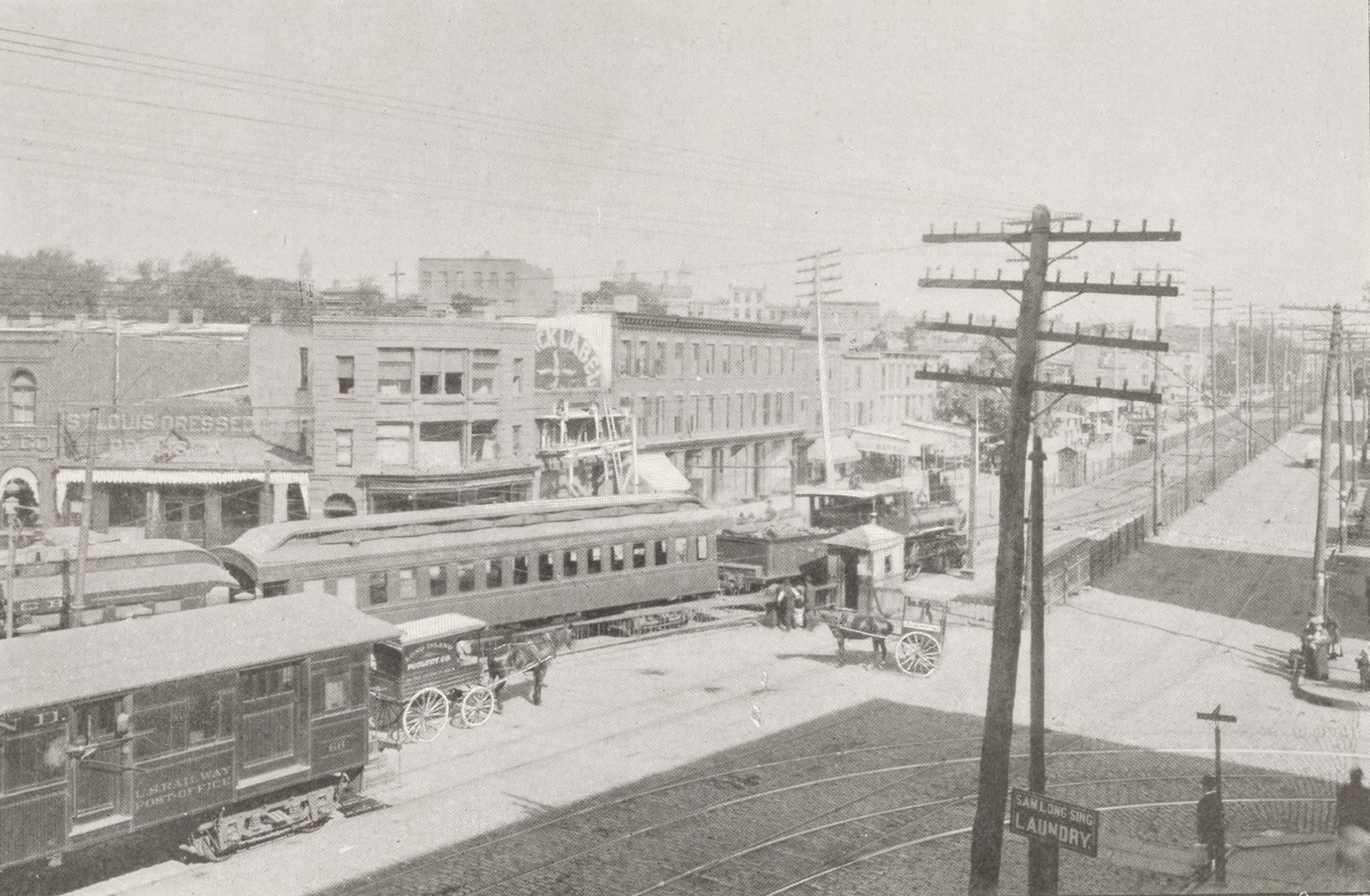
Living on Atlantic Avenue, the ‘Spine of Central Brooklyn’
People have lived on Brooklyn’s Atlantic Avenue almost as long as there has been an Atlantic Avenue. It started out as a path leading to early settler Ralph Patchen’s farm and then became a road to the East River. Part of it became known as Division Street, as it was the informal border between the town of Brooklyn and South Brooklyn, which included today’s Red Hook, Cobble Hill and Carroll Gardens neighborhoods. The thoroughfare continued to agrarian Queens and was a vital part of Brooklyn’s growth, as goods and produce made their way to the harbor.
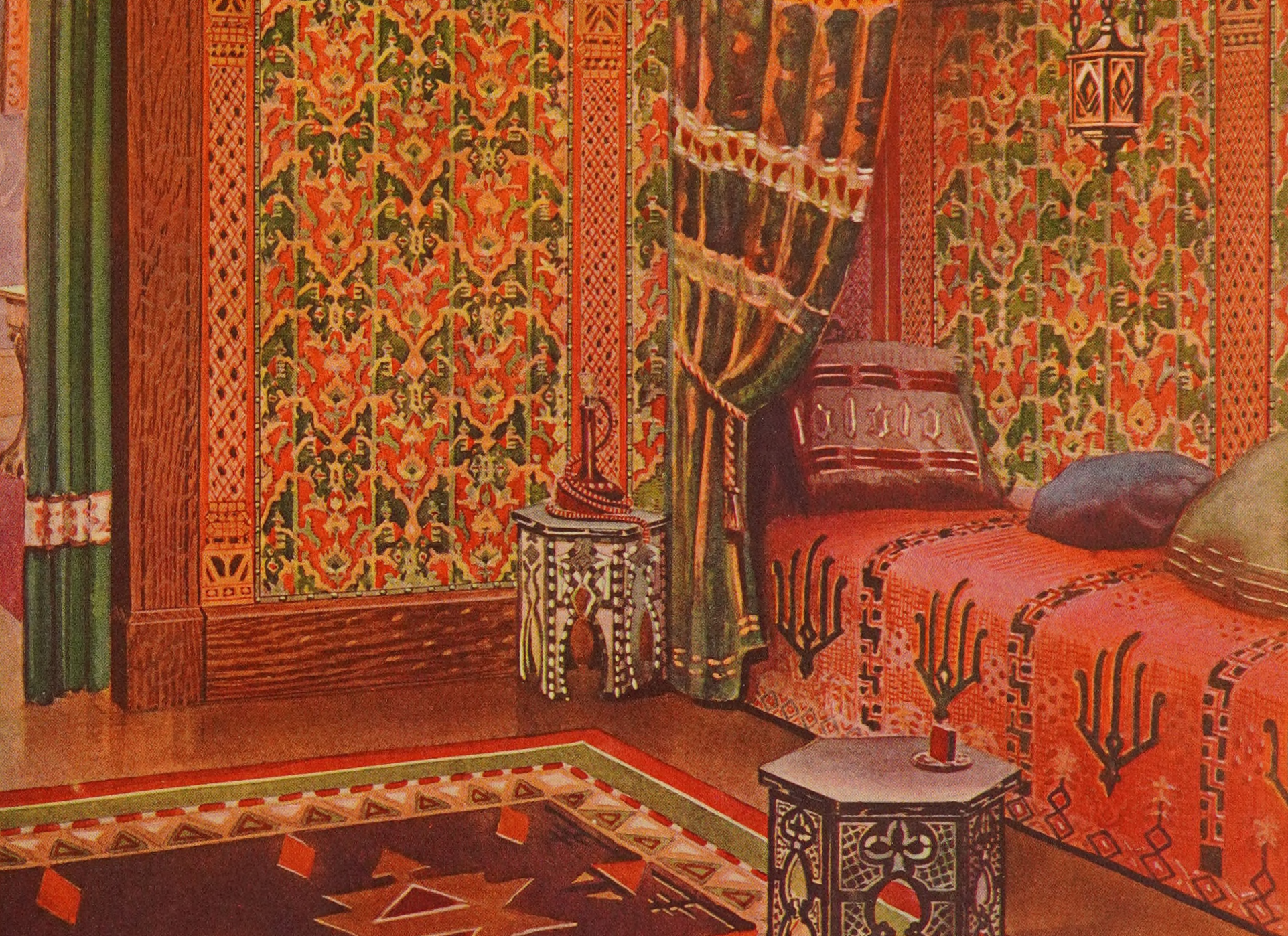
In the latter part of the 19th century, when ladies and gentlemen of the upper classes visited friends and social acquaintances, they might be introduced to a special parlor room or corner of a room that was resplendent with a multitude of throw pillows, overlapping carpets, lanterns, and other furniture and accoutrements from the then exotic-seeming lands of the Near East. Today, we might think of these as “Bohemian style,” which happens to be quite popular now, but the Victorians called those spaces “Turkish rooms” and “Turkish corners.” Anyone who was up on the latest interior fashions had one.
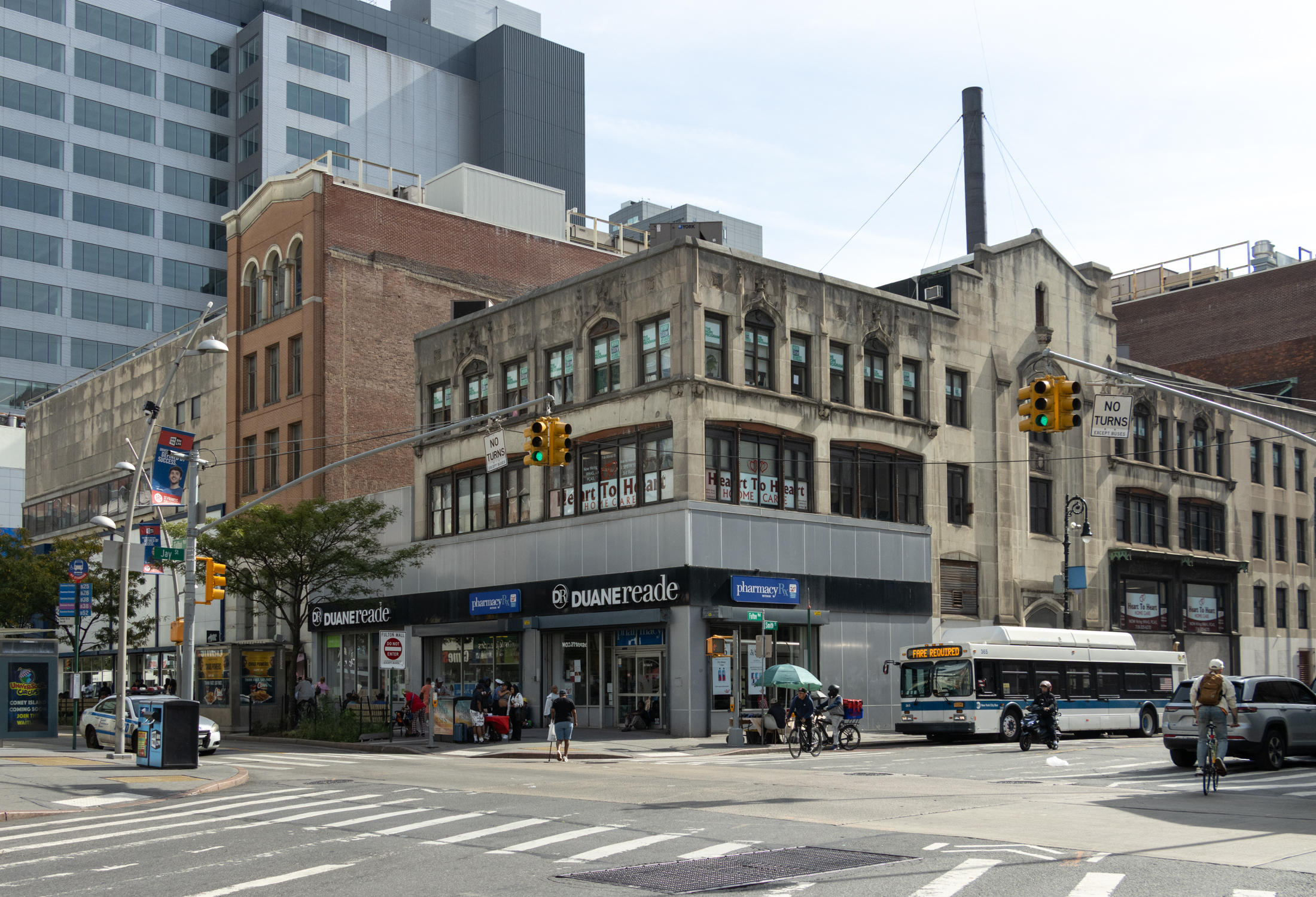
Music, Beer, and Cigars: A Concert Garden Comes to Brooklyn
The popular American concert gardens of the post-Civil War years owe their creation to the German beer garden and the English music hall. The music hall influence comes a bit later in our story. But first, Germany’s civil war between the different city-states was the impetus for thousands of Germans leaving and settling in the United States beginning in 1848. These immigrants came from every stratum of German society, and included manufacturers, merchants, and professional people.
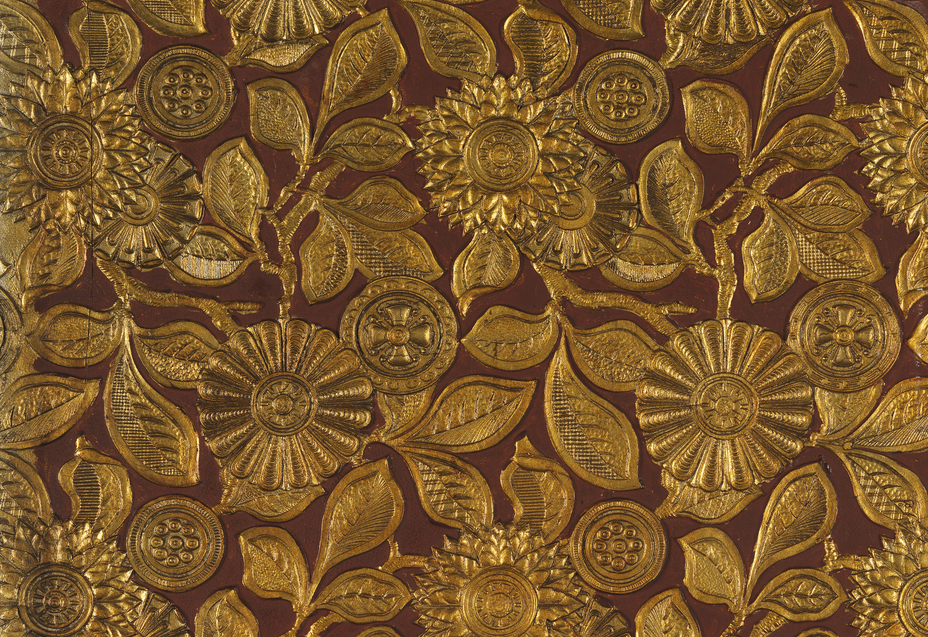
How the Victorians Brought Texture and Pattern to Walls
The Industrial Revolution brought with it great advances in printing, which helped make different grades of wallpaper affordable to almost everyone. Taking their cues from fabric printing, manufacturers began machine printing paper by passing it through a series of ink-fed rollers that transferred the patterns to the paper. The printing presses were powered by steam and could produce heretofore unheard-of feet of wallpaper quickly.
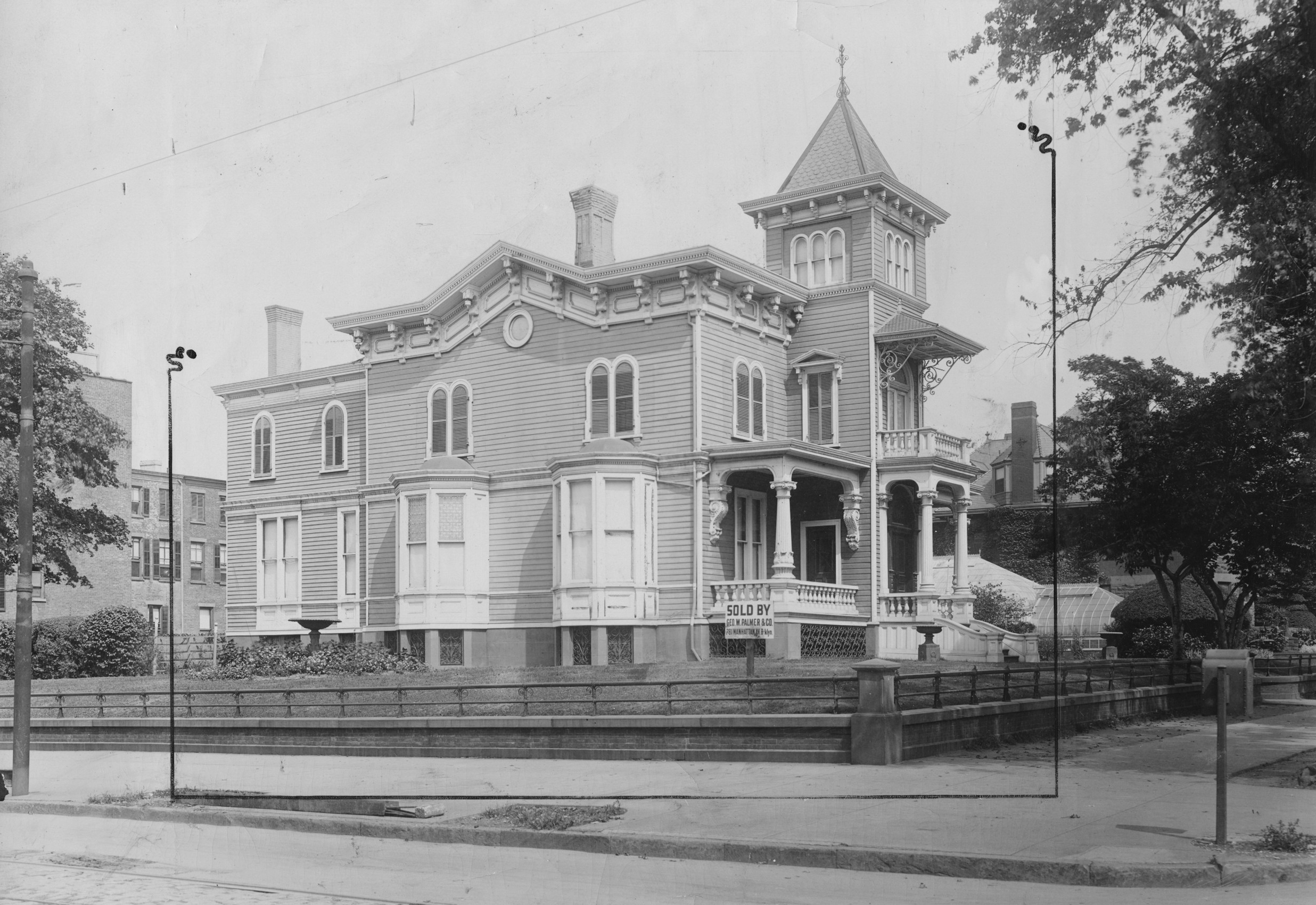
The Big Mansion on the Corner: Crown Heights’ Schwarzmann House
Running a successful and high-stakes business like the humor and satire magazine Puck in a huge new building must have been stressful. What a pleasure it must have been for Adolph Schwarzmann to come home to his spacious home in Bedford. The house at 691 St. Marks Avenue in what is now Crown Heights was built for William Taylor — the actual date is unknown but, going by the style, sometime in the late 1860s or early 1870s. His widow, Sarah, sold the house to Adolph Schwarzmann in 1880.

If you are a fan of the cinematic world of wealthy Gilded Age people on both sides of the Atlantic Ocean, or if you enjoy meandering around 19th century mansion house museums, then at some point you must have seen a room off the kitchen or the dining room where servants picked up trays or put prepared food on plates to take out to the table.
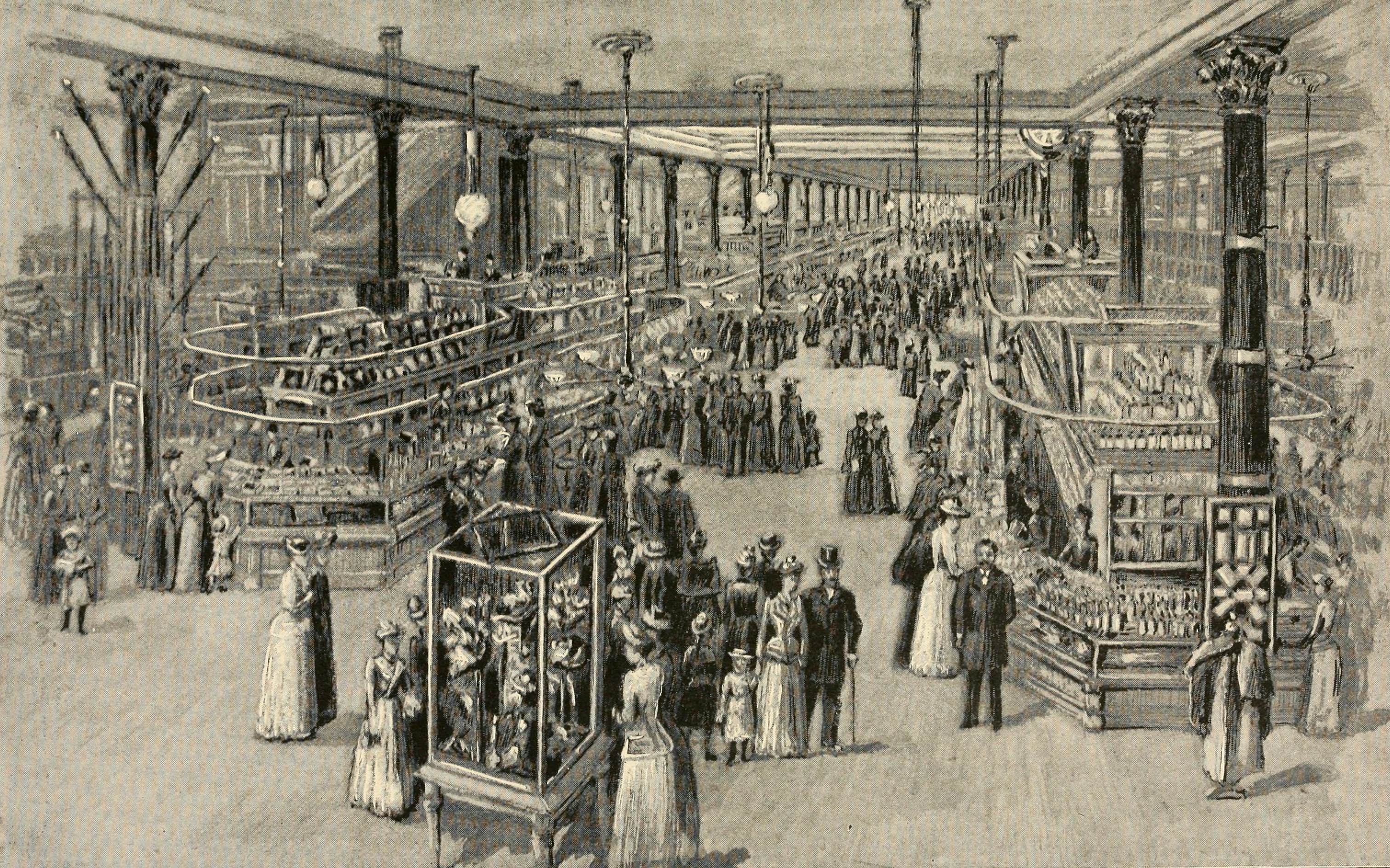
Downtown Brooklyn’s Forgotten Emporiums
There was a time when Downtown Brooklyn’s shopping district had anything and everything one would need for holiday giving, and just plain old year-round shopping. By the end of the 19th century, the area between Adams Street and Flatbush Avenue and its side streets were packed with shops large and small, theaters, restaurants, banks, and social amenities such the YMCA. There was nowhere in Manhattan or any other part of New York City that had this many stores and entertainment venues contained in one small area. Not 5th avenue or 34th Street.
Related Stories
- A Winter Wonderland: Ice Skating and Frosty Frolics in 19th Century Brooklyn
- Brownstone Revival: The Rebirth of the Brooklyn Townhouse
- Cohn Brothers: Prolific Architects of Brooklyn’s Jazz Age Apartment Buildings
Email tips@brownstoner.com with further comments, questions or tips. Follow Brownstoner on X and Instagram, and like us on Facebook.
Good ole downtown Brooklyn meant so much to me as a kid. My maternal grandmother — whom I lived with! — was born in a house on Atlantic Ave. in 1901.
Thanks again for sharing.
The Currier & ives print showing the Brooklyn Bridge with activity on it is dated 1879. However, as you know, the bridge wasn’t opened tothepublic until 1883?
Yes, good catch! The Library of Congress gives it a circa 1879 publication date.