
Bed Stuy Locals Want Girls High School Site Kept as Public Land, Not Apartments
Thanks to the Atlantic Avenue rezoning, the city intends to transfer the parking lot of Girls High School to a private developer to build 16 stories of mixed-income housing.

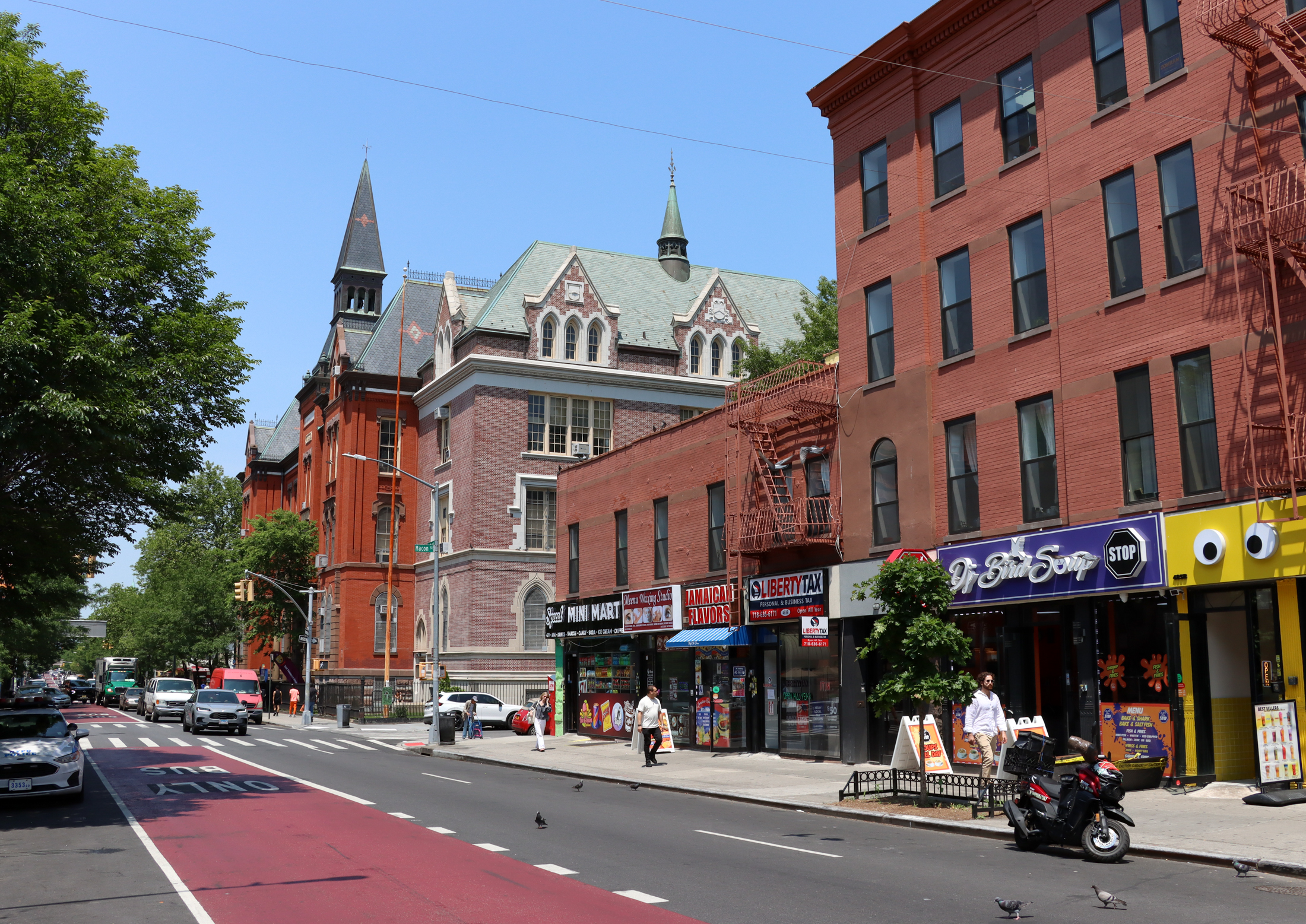
The school in June of this year. Photo by Susan De Vries
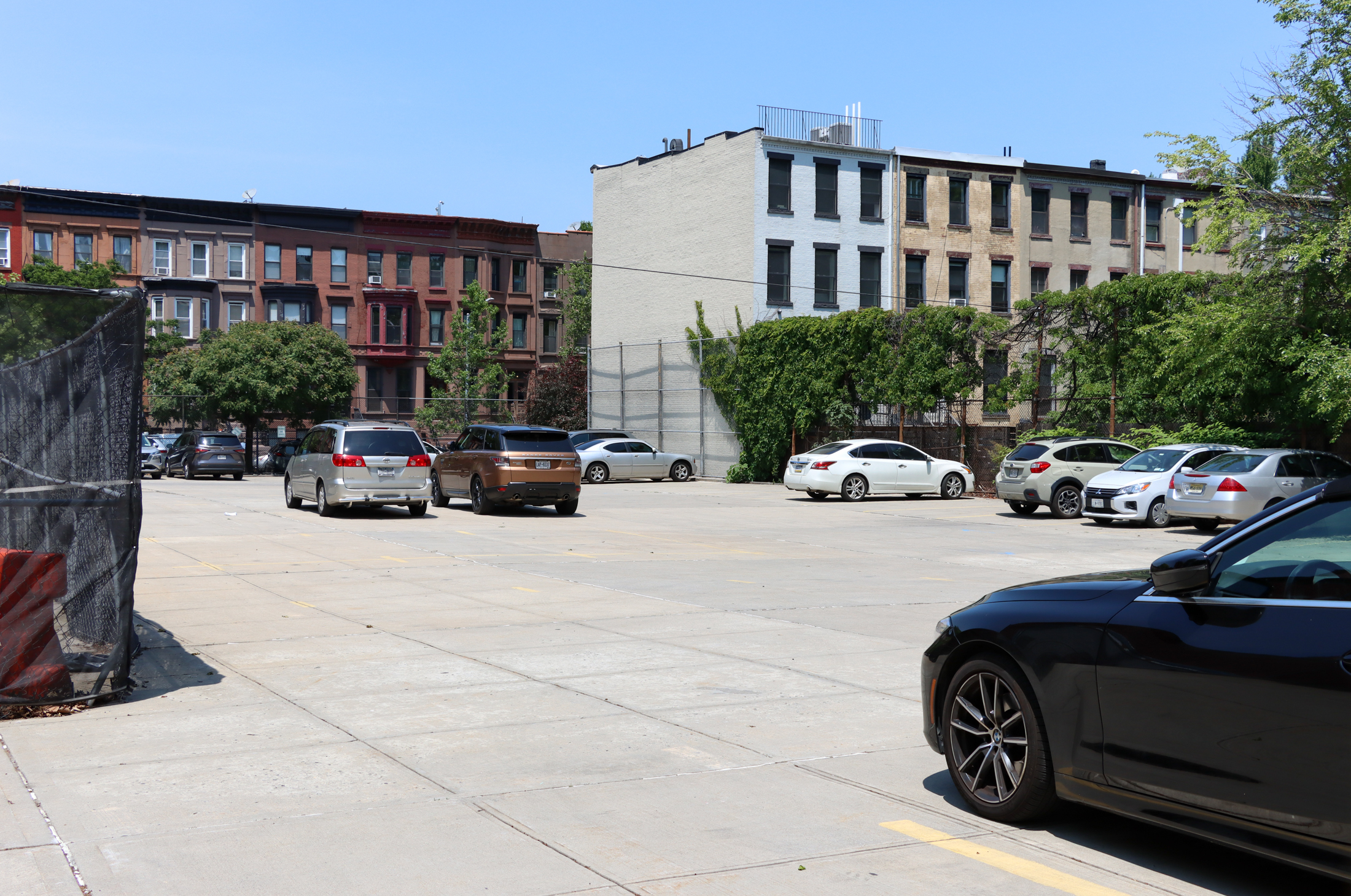
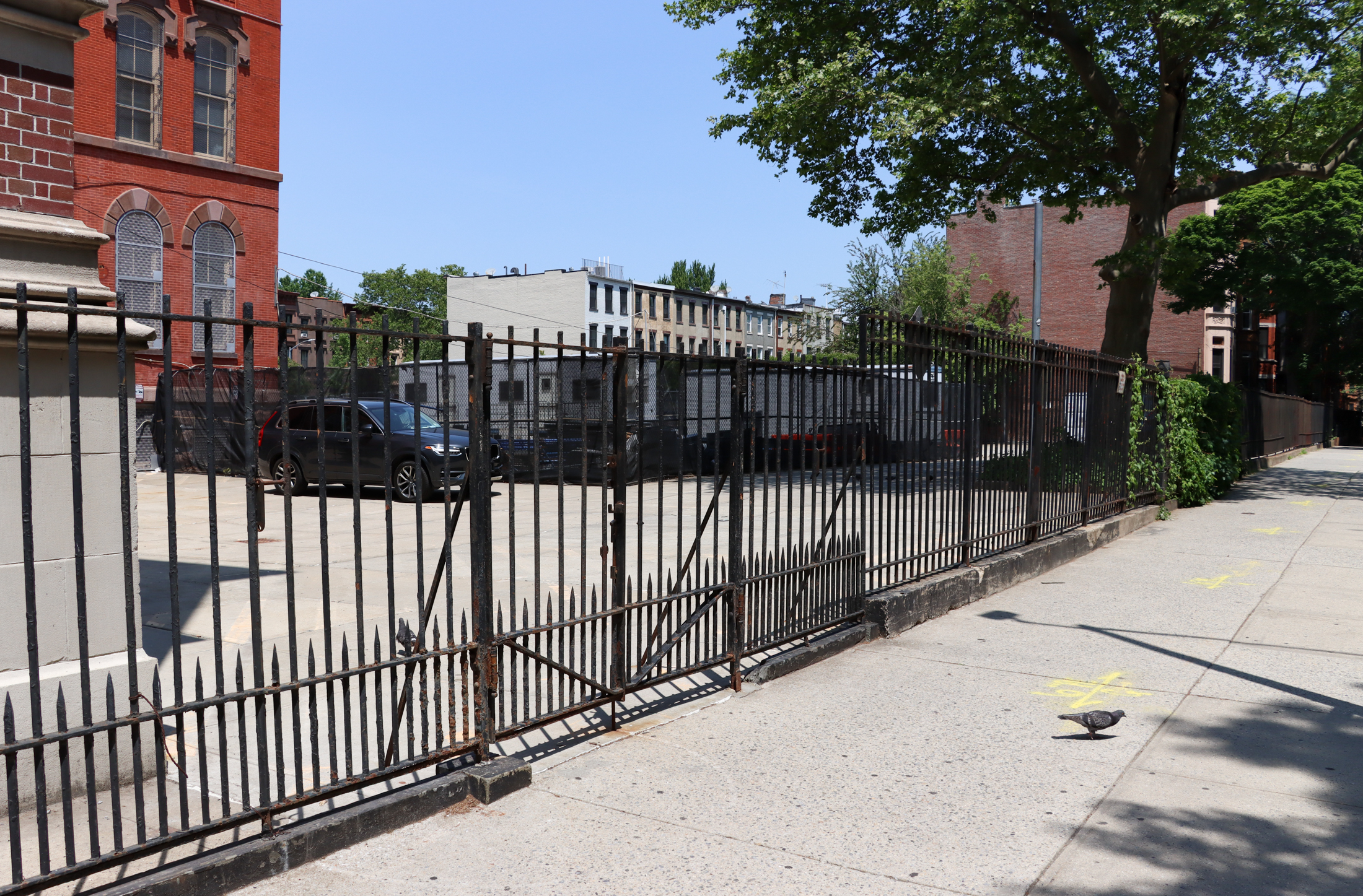
Bed Stuy locals are pushing back on the city’s plans to sell the parking lot of the historic Girls High School to a developer to build an up to 16-story affordable housing development, saying the land should remain publicly owned and should be converted into a community green space.
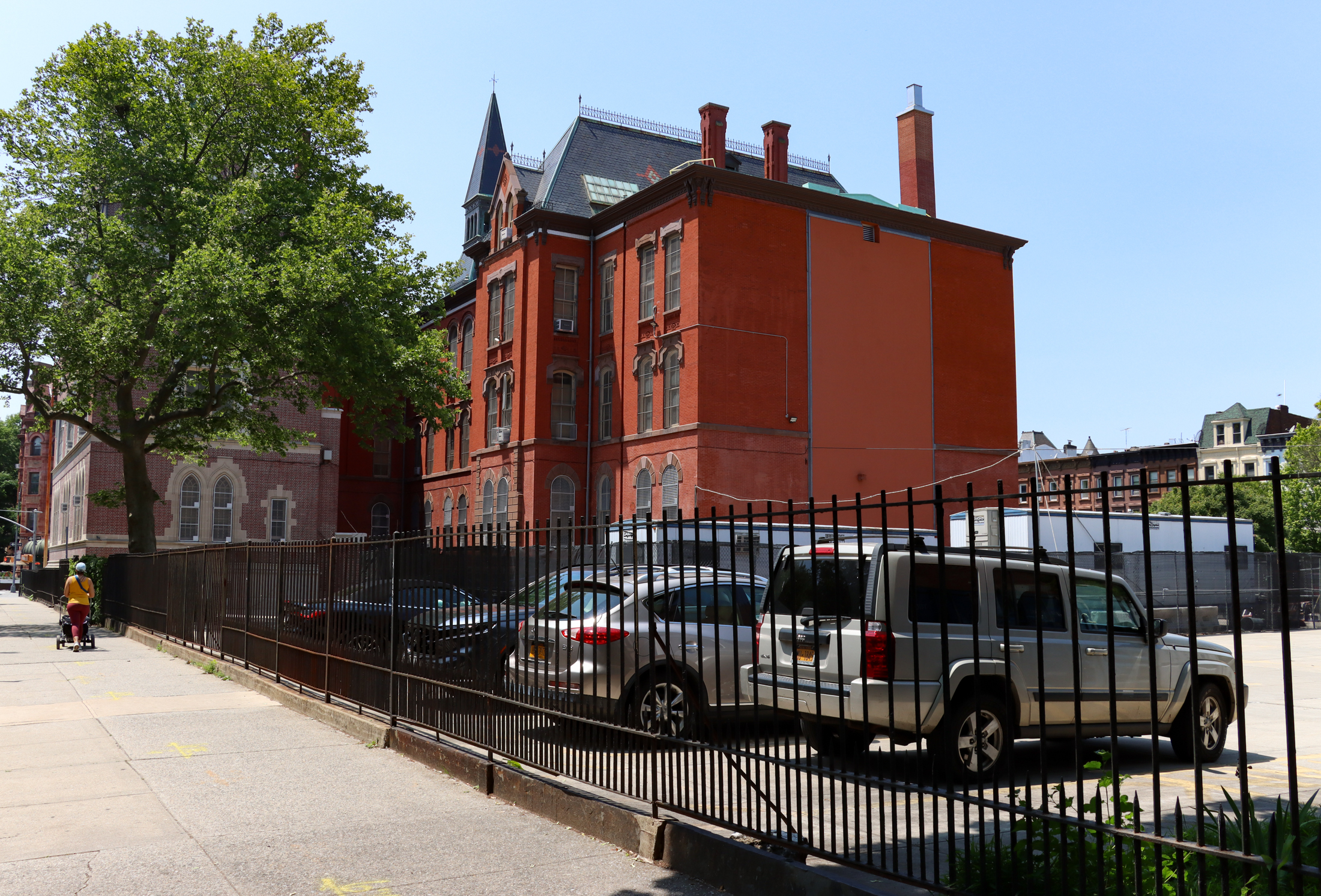
The 30,000-square-foot parking lot on the landmarked school’s site at 457 Nostrand Avenue, between Macon and Halsey streets, was one of five publicly owned sites included for disposition and subsidized 100 percent affordable housing development in the recently passed Atlantic Avenue Mixed-Use Plan rezoning, designed to spur housing in the industrial section of Brooklyn. Rezoning documents outline plans for a 240-unit building up to 155 feet tall.
Community Board 3 voted 22 to 6 to approve the project during the rezoning review, but only with conditions: The new building should not rise higher than the school’s spire, studio units should be minimized, apartments should target households earning an average of 40 percent of AMI, underground parking should be considered, and green space should be included on the Halsey Street side. Those conditions are not binding, however, and there was no community benefits agreement formed during the rezoning process, meaning it’s unlikely they will be met.
Even so, many nearby residents argue they were left in the dark and say the city skipped its usual level of outreach before deciding to dispose of public land. Over the past two months, they have organized meetings, including with local politicians, to propose alternative approaches to what could be done with the site. More than 1,600 people have signed a petition organized by the Halsey Street and Macon Street block associations that calls on the city to retain ownership of the lot rather than give it to a private developer for development.
The petition says signatories support affordable housing, but adds housing must be built in ways that sustain neighborhoods long term. It calls for the lot to become a “vibrant civic space” to serve the community.
Local resident and architect Omar Walker said the group’s message is simple in that public land, which is very rare, shouldn’t be put up for sale and should instead serve the community.
“How amazing would that be for that land right there, which is a very historic site, both culturally and historically, to be utilized as a fresh food market, a space for people to be able to gather and hold block meetings, hold community meetings, hold community gatherings, and also educational things as well,” he said.
“How amazing would it be for that site to be able to give back to the community. It would help our business districts, it would help provide a space for people to be able to breathe, because we do live in the portion of the neighborhood that is lacking in any park space.”
Walker and other locals are calling on Council Members Chi Ossé, who represents the area, and Crystal Hudson to “listen to the community” and amend the plans for the site and keep it as a publicly owned open space.
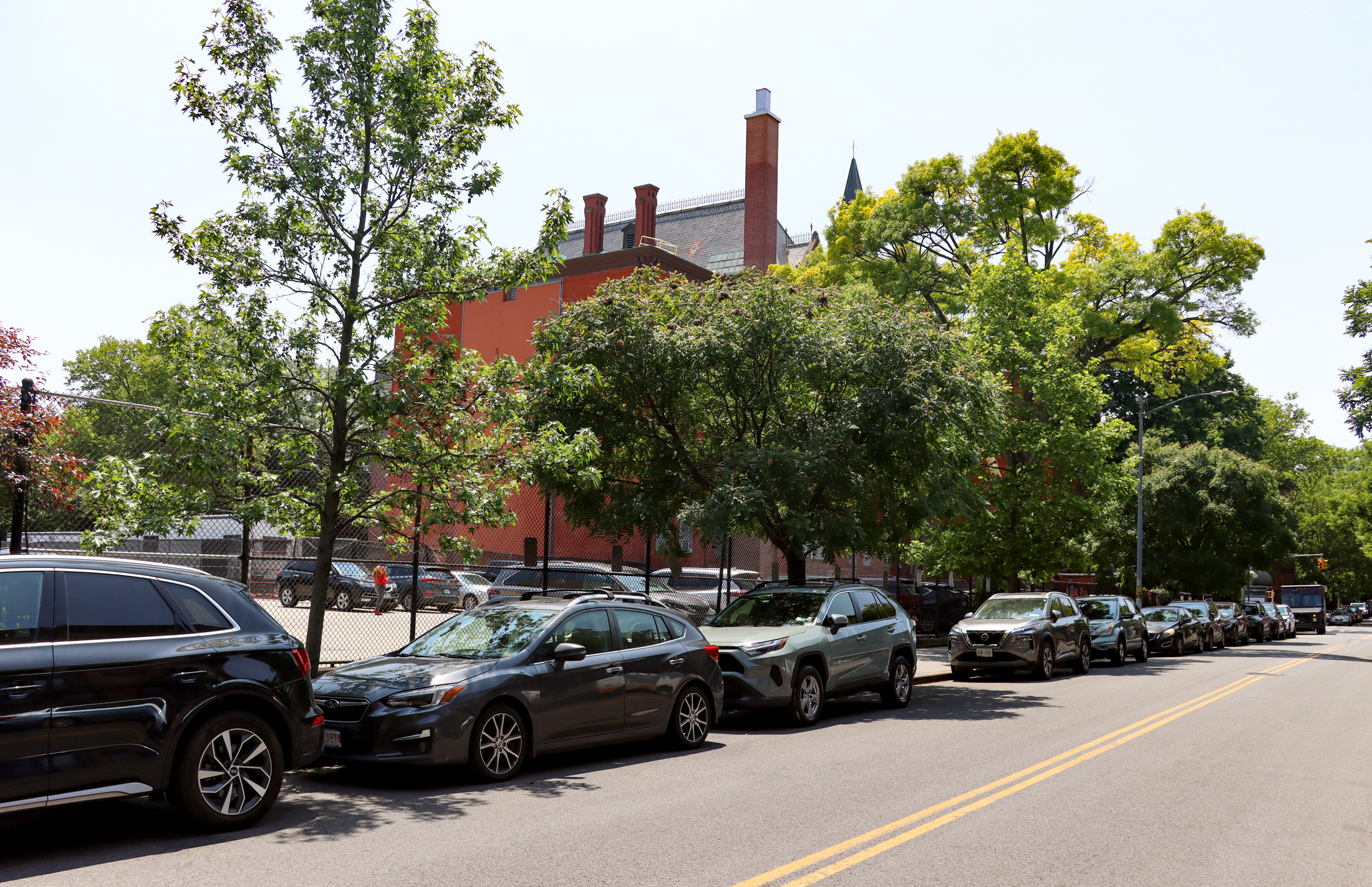
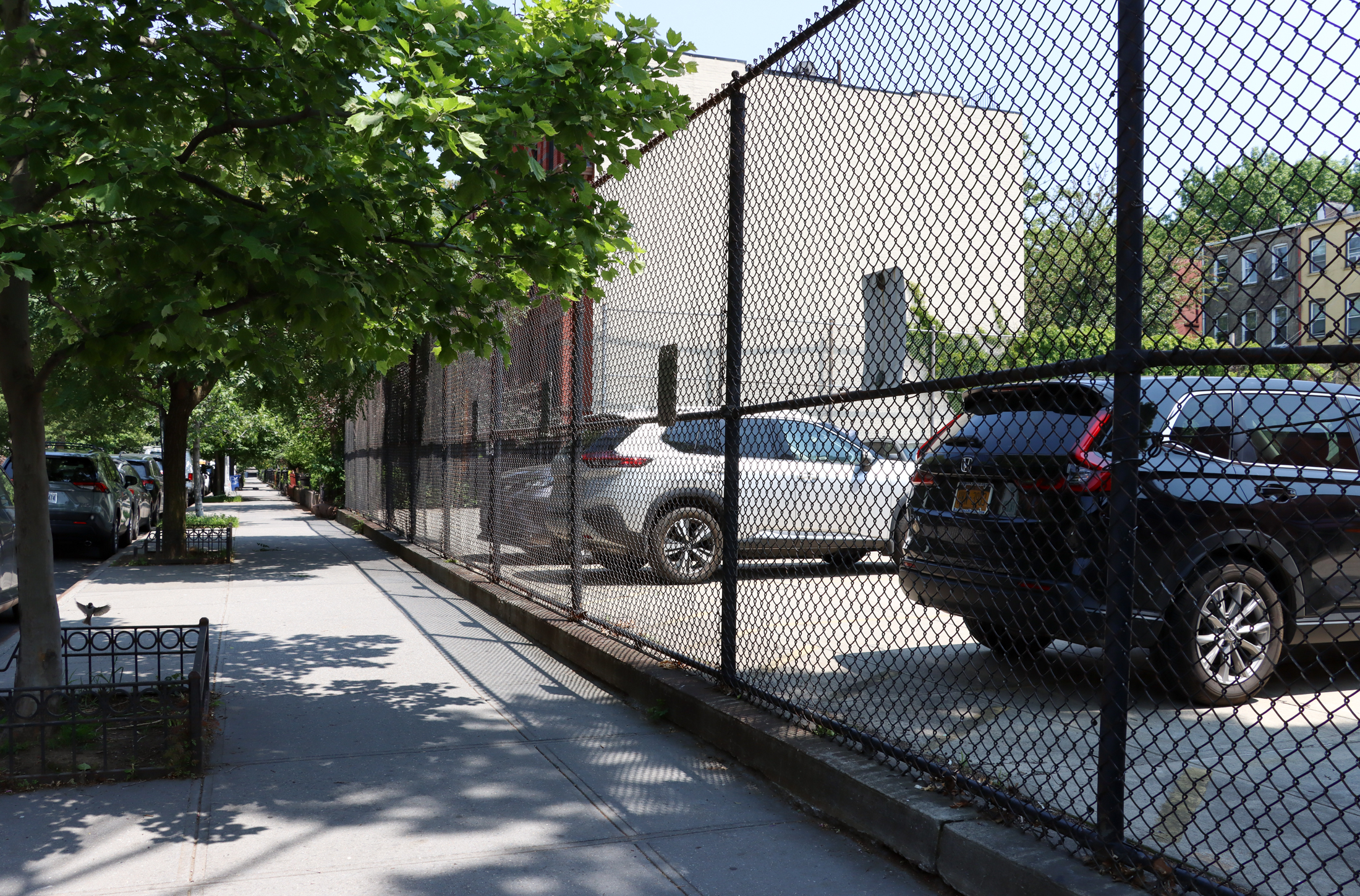
Walker said arguments of a housing shortage used to support the development were misleading, saying there is “tons of housing and there are various mechanisms that could be utilized by the city to help incentivize releasing those units back onto the market” that would create truly affordable housing. Public land, he added, isn’t the place for private development.
An informational flier circulated by the block associations highlights concerns including insufficient infrastructure to support hundreds of new residents, a tower out of scale with surrounding buildings, years of disruptive construction, and affordability levels that may not match community needs. They present an alternate vision that includes incentivizing landlords to release warehoused apartments, repurposing existing buildings with developers, and preserving public land for civic use.
Challenges to approved rezonings happen, but they are rarely successful. One of those rare cases was when the city backed off an already approved rezoning that would have hurt plants at Brooklyn Botanic Garden.
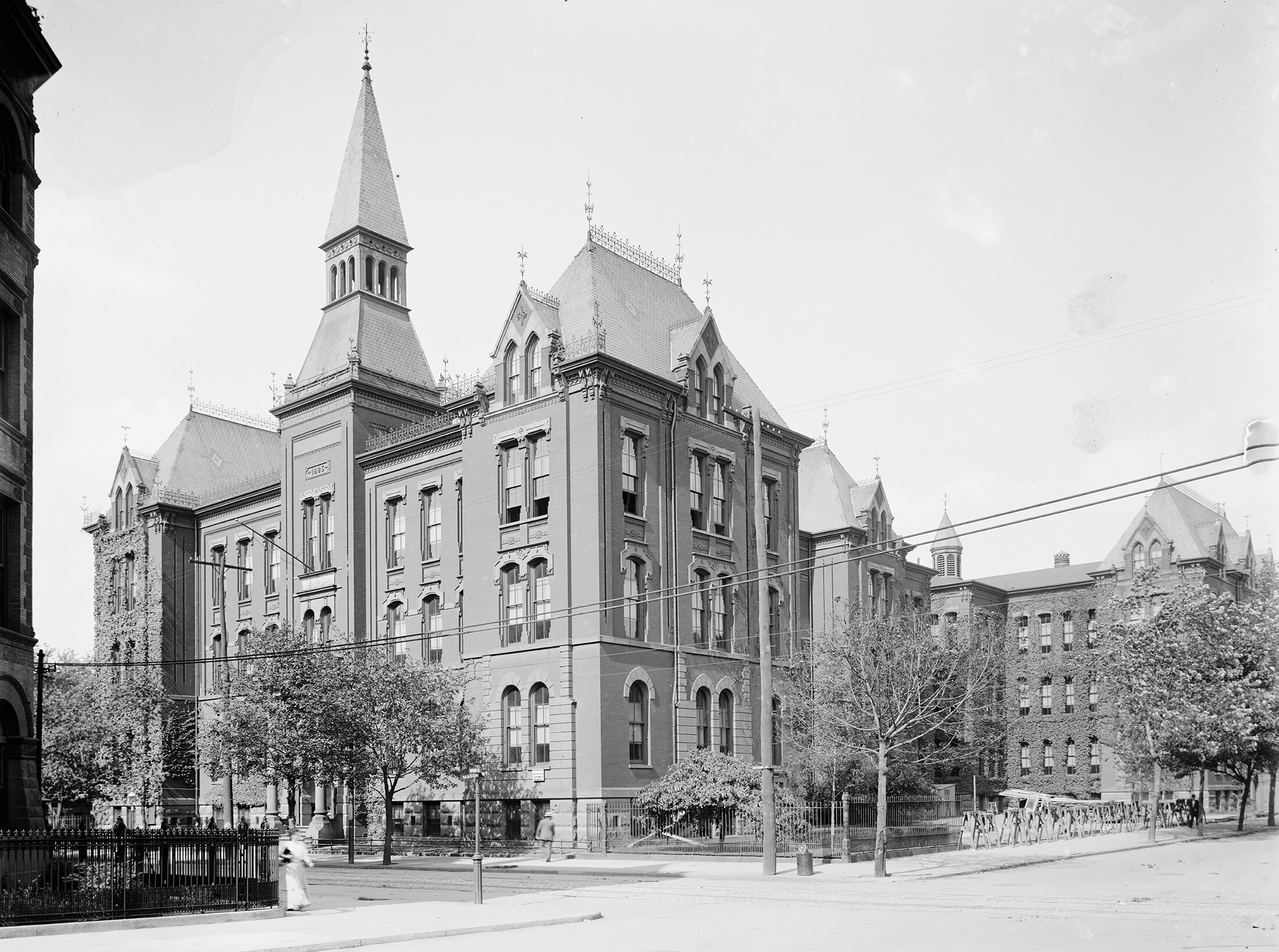
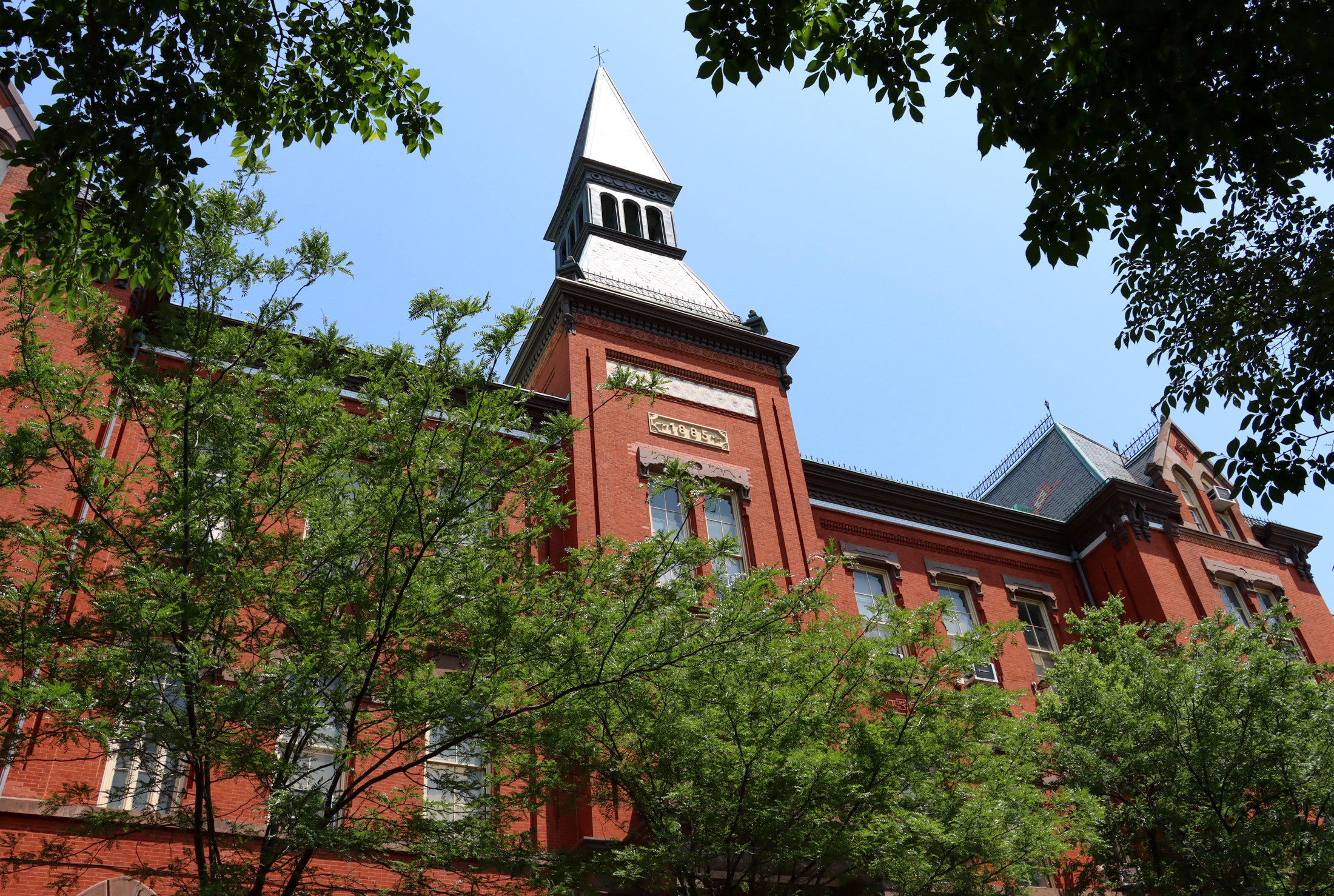
According to the rezoning documents, the new development will sit behind the 1886 school building, one of the city’s first public secondary schools, which now serves as an adult education center. A blend of Victorian Gothic and French Second Empire architecture, Girls High School is a designated landmark and part of the Bedford Historic District. Any construction on the site would need Landmarks Preservation Commission review.
An HPD spokesperson told Brownstoner the city would seek proposals for a 100 percent affordable income-targeted and rent-stabilized mixed-use project including 240 apartments and 25,000 square feet of space for NYC Public Schools. At least half of the units would be set aside for Extremely Low- and Very Low-Income households, which is between 0 and 50 percent of Area Median Income, the rep said. The other levels have not yet been determined. The height of the building would have to comply with the new zoning and it would need approval from LPC. The spokesperson added the project is in very early stages and community engagement to inform the plans would not begin until late 2027.
HPD’s First Deputy Press Secretary Natasha Kersey said in a statement: “The city is facing a housing crisis, with a current vacancy rate of only 1.4 percent. The Atlantic Avenue Mixed-Use Plan represents a significant step forward in our mission to create a more affordable New York City, and this development builds on our commitment to provide much-needed housing for New Yorkers.”
The pushback against the development has also led the proposal to spill into local politics. Assembly Member Stefani Zinerman released a letter in July after meeting with residents, voicing concern about environmental risks, infrastructure strain, landmark issues, and lack of transparency. She said the proposal “must not move forward without full review, transparency, and community input,” calling for “responsible development” that protects history and ensures infrastructure can support growth.
“I stand for responsible development—that means honoring our history, protecting public institutions, and ensuring infrastructure can support new growth. The residents of Bedford-Stuyvesant deserve transparency, collaboration, and community-first solutions,” she wrote.
Her comments drew sharp criticism from Council Member Ossé, who accused her on Instagram of siding with landlords and promoting a “pro-displacement agenda.” He argued the project would provide a lifeline to low- and moderate-income residents and ease pressure on rents citywide. Ossé said he would back a primary challenger to Zinerman who is pro-housing and wrote that Zinerman “must be voted out.”
Zinerman pushed back in a letter of response, saying her letter was based on constituent concerns and was not in opposition to affordable housing. She said she invited Ossé to meet and explore alternative sites, but said he would not engage. She said she supports real affordable housing but wants development that centers community needs and quality of life.
“My job is to secure maximum public benefit,” Zinerman told Brownstoner. “Based on 1,600 signatures, the Brooklyn Adult Learning Center’s opposition, the site’s landmarked status, and the infrastructure concerns outlined above, I do not support this specific housing proposal at this location. The Brooklyn Adult Learning Center campus should be preserved for community benefit—especially open green space, recreation, and other public uses—while we site deeply affordable housing elsewhere in the district where it does not displace vital services or sacrifice rare public space,” she said, citing a 35-unit affordable housing proposal by the Jefferson Avenue Block Association and a “large district space” empty most of the year that might work for affordable housing.
Brownstoner reached out to Landmarks and Ossé for comment but did not hear back by publication.
Editor’s note: This story was updated with comment from Zinerman on Friday, September 5.
[Photos by Susan De Vries unless noted otherwise]
Related Stories
- Atlantic Avenue Rezoning, Set to Bring Thousands of Homes, Passes City Council
- Sweeping Atlantic Avenue Rezoning Plan Moves Forward
- Building of the Day: 475 Nostrand Avenue
Email tips@brownstoner.com with further comments, questions or tips. Follow Brownstoner on Twitter and Instagram, and like us on Facebook.

I think you are missing my point. You asked a question about has a 16 story building EVER been built in Brooklyn on a residential block before.
And the answer is yes. There are many, many examples of tall buildings being built that were out of character with and towered over their brownstone neighborhoods.
If you click on the links I provided you will find specific examples. There are old photos showing these newly constructed buildings towering over their neighbors.
You yourself lived in one. That “high-density area with mixed-use buildings” didn’t start out that way. 52 Clark is flanked on both sides by the sorts of Brownstones it replaced. You can also read Suzanne Spellen’s series of posts about the creation of Hotel St. George across from your old building – it actually kicked off the evolution of the neighborhood’s residential character when they tore down a tavern to build a ten story tower in 1885.
I understand that there are apartment buildings taller than 16 stories in Brooklyn. I lived at 52 Clark Street in Brooklyn Heights for eight years and wouldn’t consider that a typical residential block; it’s a high-density area with mixed-use buildings. That’s a very different environment from the one we’re discussing.
The block in question on Macon and Halsey is a residential block defined by its brownstones, most of which are four stories or less. This is the established character of the neighborhood. The reason the article mentions a rezoning is precisely because the current zoning for this residential neighborhood doesn’t allow for a 16-story building. It would fundamentally alter the block’s historic and aesthetic character.
Even one block over on Fulton Street, which is a major commercial corridor, building heights are typically limited to 10 stories. A 16-story building would be too high for that busy street, and it’s certainly too high for a quiet, low-rise residential block.
While you may feel a 16-story building is an acceptable addition to a residential block. What about another 74-story Brooklyn Tower? At what point does a building become too tall for a residential neighborhood?
I just approved your reply to John Page. Our system automatically held it (maybe because it had a lot of links). I haven’t deleted any comments today.
Cate, I think i posted a reply to John Page but it doesn’t seem to have appeared. Are you holding it back or did it not go through?
You are correct that Hancock and Potomac (and St Andrews which you did not mention) are all paved, but it’s misleading to say that their just paved concrete slabs – they all have a decent amount of mature shade trees – Potomoc in particular is very shaded and lovely.
By the way, Hattie Carthan which you mention is a community garden and most certainly not paved. Herbert Von King across the street from there has a huge grass lawn and trees.
All of this is to say that I found the original comment in the article to be an inaccurate and an odd justification for the argument he was advancing. If you don’t want the city to develop the land, fine then say that. But tossing out comments about not having “any parks” whatsoever was jarring and I think undercuts the credibility of the overall message.
Hi Andrew, I can see how looking at the map would lead readers to believe there are 3 parks near the girls school: John Hancock Playground, Potomac and Hattie Carthan. However all of those ‘parks’ are grassless concrete slabs (Think basketball courts). The closest parks with any grass and trees are 15 – 20 minutes away. One of which you need to cross busy Atlantic ave to get there.
“How is it possible to build a 16-story building on a residential neighborhood block in Brooklyn? Has this ever been done anywhere else in Brooklyn?”
Yes! faithful readers of Brownstoner will be familiar with many examples. Including:
Leverich Towers in Brooklyn Heights:
https://www.brownstoner.com/development/brooklyn-heights-assisted-living-watermark-memory-care-leverich-towers-hotel-21-clark-street-tour/
the former Hotel Bossert also in Brooklyn Heights:
https://www.brownstoner.com/history/bossert-hotel-brooklyn-history-photos-postcards/
27 Prospect Park West (which replaced a beautiful Gothic, Romaniesque, French Home):
https://www.brownstoner.com/history/brooklyn-history-mansion-park-slope-27-prospect-park-west/
And of course, Brownstoner readers will be acquainted with the giant highrises not far from this site in Clinton Hill: the Willoughby Houses, Pratt Towers, Lafayette Gardens, and The Clinton Hill Co-ops.
“we do live in the portion of the neighborhood that is lacking in any park space.”
This is not true. There are 3 parks close by as a cursory glance at a map will show.
This comment is an example of the exaggerated claims that often and unfortunately feature in these discussions.
“we do live in the portion of the neighborhood that is lacking in any park space.”
This is not true. There are 3 parks close by as a cursory glance at a map will show.
This comment is an example of the exaggerated claims that often and unfortunately feature in these discussions.