
"Real Wave of Pain Just Beginning"?
In one of the grimmest articles we’ve read to date on the US housing market, the Market Oracle scoffs at Treasury Secretary Hank Paulson for saying on Friday that “the housing market is at or near the bottom and that the subprime mortgage situation is not a “serious problem.” Which begs the question, How serious…


In one of the grimmest articles we’ve read to date on the US housing market, the Market Oracle scoffs at Treasury Secretary Hank Paulson for saying on Friday that “the housing market is at or near the bottom and that the subprime mortgage situation is not a “serious problem.” Which begs the question, How serious a problem is it? Deadly, thinks fund manager Kenneth Heebner:
The real wave of pain and foreclosures is just beginning… would expect that housing prices in 2007 will decline 20% in a lot of markets…What you are going to see is the greatest price decline in housing since the Great Depression.
If the doomsday scenario does play out across the country, the $64,000 question will be to what extent is New York City (and Brooklyn) dragged into the mess.
Is It Too Late to Get Out? [Market Oracle]
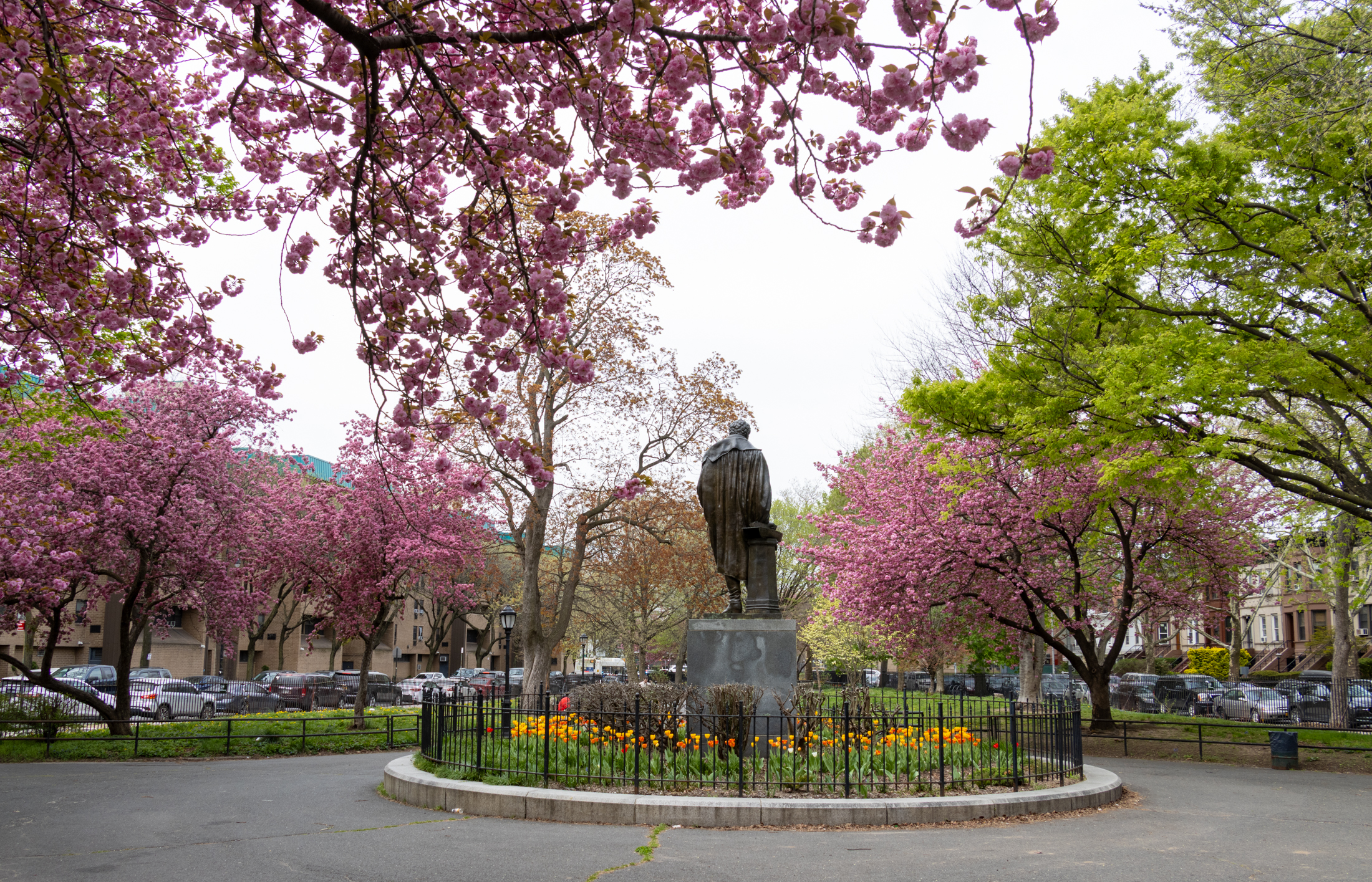
Photo by billypalooza

Sometimes I think people (on this and other blogs, the NYTImes, etc) forget the real demographics of this city. The number of englishman, french, german and whatever – and way overused term ‘manhattanites moving to brooklyn’
(as if even 10% of them are even native NYers), suburbanites moving to the city, hipsters and midwesterers are dwarfed by number of chinese, middle-easterers (arab and pakistani), russians, latinos (dominicans, mexican, etc) and other immigrants that have moved here and working hard and buying homes/property.
They are the reason NYC including Brooklyn have increased in population and that even the most undesirable ‘hoods (according to ‘Our Crowd’) have increased in price so much.
Cut off the immigration and that would be far greater blow to housing market than pop at high end of market.
And BTW anon 10:03 – ‘ordinary’ brownstones aren’t 3-4Million – It is detailed, crafted houses that would cost much more to ever replicate that cost that kind of money. Ordinary they are not.
Ken Heebner profits more as the market turns. He’s a smart guy, but because he’s taken bets against housing in his portfolios, undermining confidence in the housing market is part of his job.
Not saying things aren’t overvalued, but evoking the great depression is more PR than analysis. Brooklyn real estate may no longer be a good place for flippers, but even at today’s prices, there’s still a lot of homes that are fair value for those of us that need a roof over our heads. And that’s not going to change much.
More and more inventory is coming online. I don’t think there will be a crash but we will definitely see prices softening. Its a good thing.
That article is full of bull: “The details of the meltdown are being downplayed in the media to prevent panic-selling among the public.”
Oh yeah, we’re all going to run to our windows and sell our homes for $100 just to put a potroast on the table. House ARE NOT stocks. There is no such thing as “panic-selling” a house. Not when it takes three months and requires board approval.
NYC is different because it’s a huge concentration of wealthy people. And if there’s one thing that BS article kept repeating was that the wealthy are already ahead of the “subprime implosion.”
Are we in store for a correction? Maybe. Will the fringe areas of Brooklyn (where there is not a concentration of wealthy people) have a sharper correction? Probably.
But we’re not going to see Brooklyn Heights or Park Slope 3-family brownstones going for $1million anymore in our lifetime.
Generally the greater the rise, the harder the fall. There is nothing ‘unique’ about NY or Brooklyn that a change in psychology wont eliminate.
The real estate market is mostly about psychology (just like all markets).
Its easy to say a sophisticated investor made a strong bet on NYC by buying NYTimes building for 3x 2004 price – however its just as easy to say that Tishman Speyer who knows the NYC RE market better then some Israeli (and former Boylemgreen partner) must be fairly convinced that the midtown office market has reached a top.
Currently the psycology of the NYC market (which tends to have more international particpants then other US locales) is that low interest rates, strong employment and low vacancy rates justify higher and higher prices. One of these ‘pillars’ of wisdom (or some unforseen event) could easily destroy this conventional wisdom. And absolutely NO ONE anywhere has EVER been able to consistently predict such changes in advance.
I don’t think Japanese or other businessmen are really interested in investing in properties which, until recently, were considered middle class family oriented neighborhoods in Brooklyn, Queens, SI and the Bronx. What we may be looking at (hopefully) is a return of middle class families to these areas because property values fall enough for them to be able to afford to buy back into the neighborhoods they grew up in, myself included.
that super sweet sixteen show makes me sick, but i can’t tear myself away from the horror of it.
There are no housing crashes when the unemployment rate is 4.5% and the mortgage rate is 6%. Just don’t assume it will stay like that forever.
“Mortgage rates and unemployment affect the housing industry much more than anything else on the whole. ”
And those rates will rise – see the posts above concerning the utter worthlessness of the US dollar. The only way to prop that up is to raise rates. They’ll go up – maybe not to 18% but they will rise. At the very least, they won’t get cut. And employment – well, chicken or the egg? What are the jobs being created right now? Are they service related? Manufacturing? Do they relate solely to the “wealth effect” created by the increase in property values? Employment is not a certainty either – I don’t want to be unemployed, but I certainly think there is some kind of financial storm brewing, and how it will play out, who knows?
By the way, Amen Brenda. Too many people like the new “me me me, give me, give me” lifestyle. I’ll take the Wonder Years over My Super Sweet Sixteen anyday!