
NYC Real Estate Market 'Most Challenged'
“When we look at New York City, we look at a price-income ratio that historically has been four times income, versus three times nationwide… If you want simply to get back to the median, it would be a 46% correction…If I had to pick one market in the country with the most challenge and the…


“When we look at New York City, we look at a price-income ratio that historically has been four times income, versus three times nationwide… If you want simply to get back to the median, it would be a 46% correction…If I had to pick one market in the country with the most challenge and the most substantive rate of decline [ahead], it’s New York City. It has the greatest number of job losses among the higher earners.” — Ivy Zelman, a former Credit Suisse analyst, in Barron’s via Curbed.
> “I was kind of paraphrasing to make sure I got the argument”
Ahh, got it.
“I mean are we talking 50% down from Jan 07 (as BHO has identified this month as the “peak”) or are we talking 50% down from now?”
No, Jan 07 was the “peak call”/top pick (when YOY passed through zero). Jun 06 was the actual peak (the absolute highest reading from the Standard and Poors site).
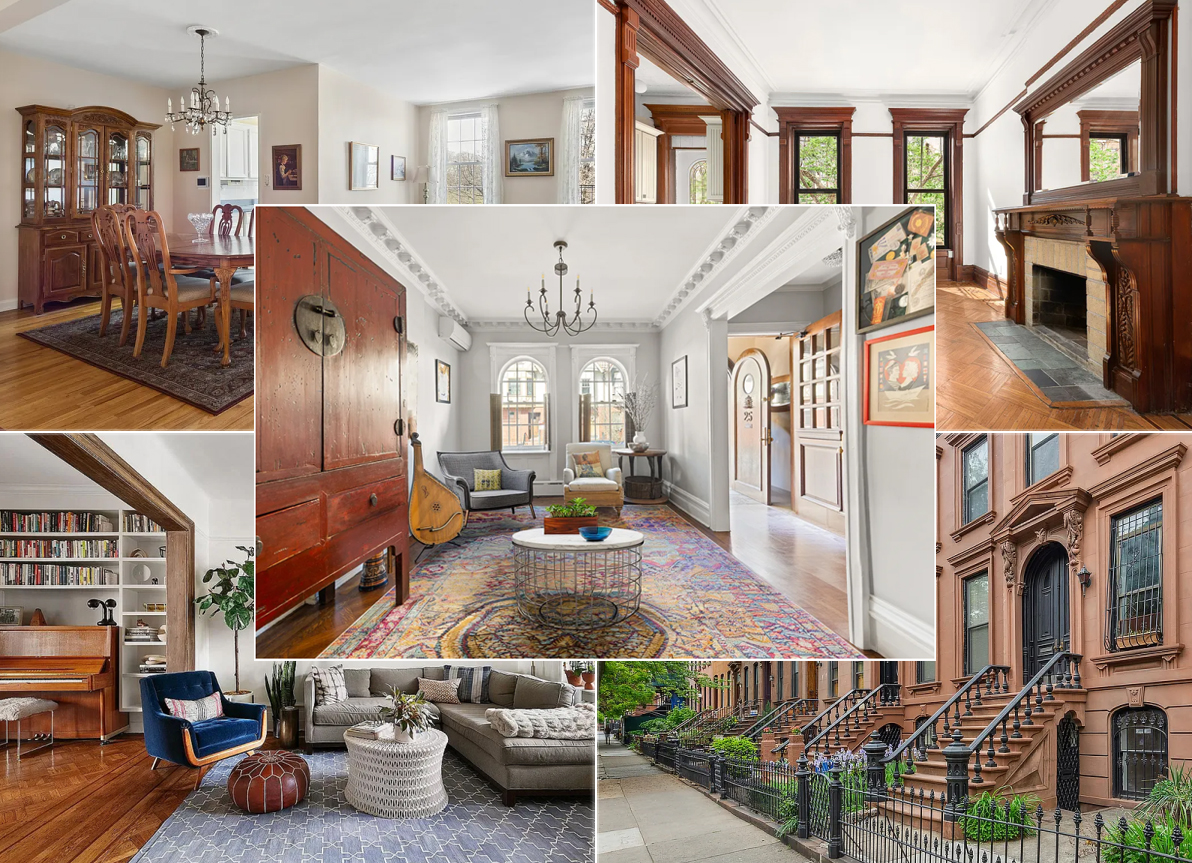
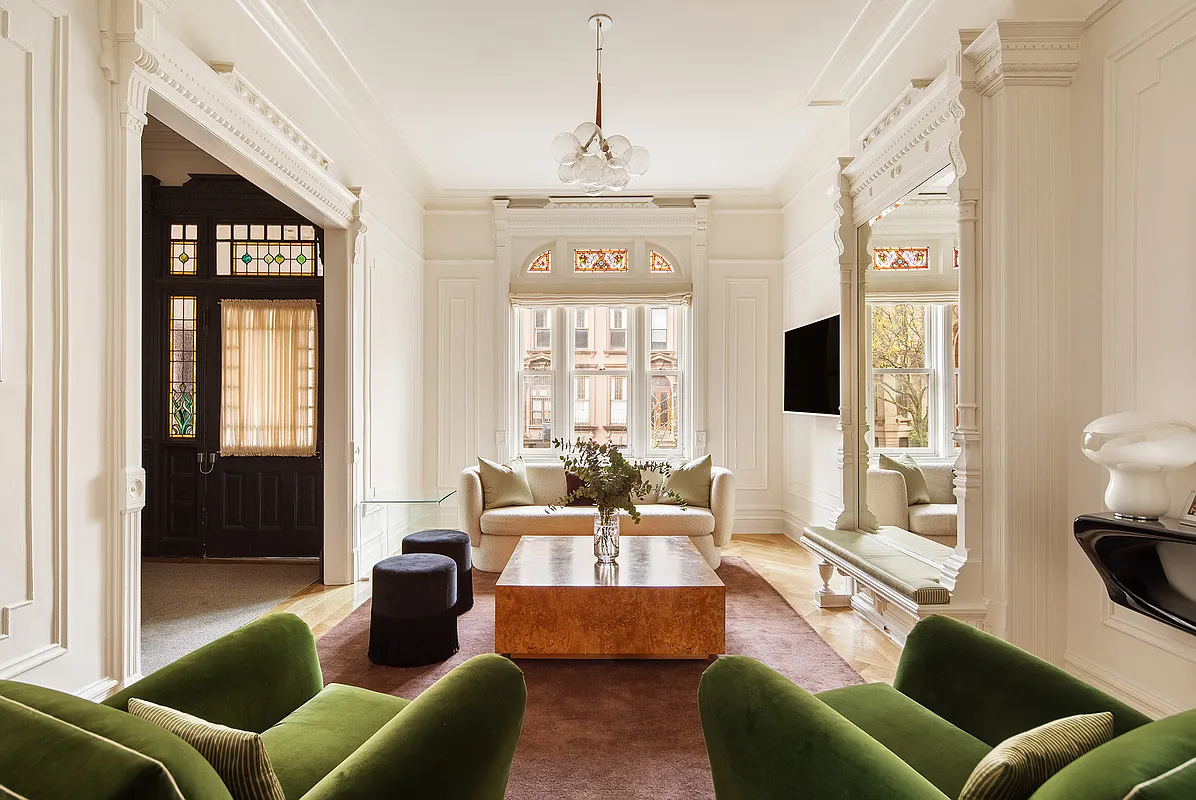
Another paramter to clarify is whether in real terms or nominal terms. Clinton Hill townhouses, for instance, are already down -15% nominally (Source: Halstead). If things get significantly worse and it seems like they will, -50% nominally and -76% really (as What calls out) is not too far fetched. So, whatever the numerical prediction, it could be in either terms depending on how the economy deflates/reflates.
I’ll be shocked, though, if the market declines more than -50% nominally from the peak. Interesting debate.
***Bid half off peak comps***
“a) If you don’t see brownstone prices falling by that much, then you have to explain them tripling over the last 10 years (ok you have a “sticky gentrification” argument)”
***
I’d just like to point out (and please correct me if I’m wrong) that brownstone price increases in Park Slope at least have been relatively gradual, when compared to housing in Manhattan.
I remember when I first moved to Park Slope (the first time) in 2000, prices of Brownstones were already over a million dollars.
Now they are about 2 million, nine years later. That doesn’t sound outlandish to me, especially when a large chunk of Park Slope (5th Avenue and environs) has had a full 100% renaissance since 2000.
dibs– ok, a floor of a brownstone on west 110th street, to correct for income.
Joe:
(a) I guess “sticky gentrification” is a good summary.
(b) The brownstone near Prospect Park is much less likely to be owned by a former Lehman banker.
Because the PP brownstone will run you $1.2-2.0 MM and the one near Central Park will run you $10.0-60 MM
benson–
http://www.facebook.com/profile.php?id=1155414861#/photo.php?pid=1465784&id=46273244339
lech — I’m not trying to say everyone’s like me, I’m just trying to present a case.
I don’t think that just because something is beautiful and made of brown stone, it is immune. I agree the new condos are going to get waxed, but:
apples to apples…
a) If you don’t see brownstone prices falling by that much, then you have to explain them tripling over the last 10 years (ok you have a “sticky gentrification” argument)
b) why is a brownstone near prospect park in a better pricing position (%-age wise) than a brownstone near central park?
Haven’t been to Kamakura. Only been to Japan twice but dying to get back. Love that rural japanese feel too. Thanks for hte tip. Did a photo essay in Kyoto that I should put up one of these days.