
The One That Got Away
Harvey Araton, a sports writer for the Times, penned an epic tale for the paper’s real estate section this weekend about making peace with his decision to sell low in Brooklyn Heights nearly 17 years ago. According to Araton, he wrote the article as a form of therapy, since he’s often kicked himself for selling…


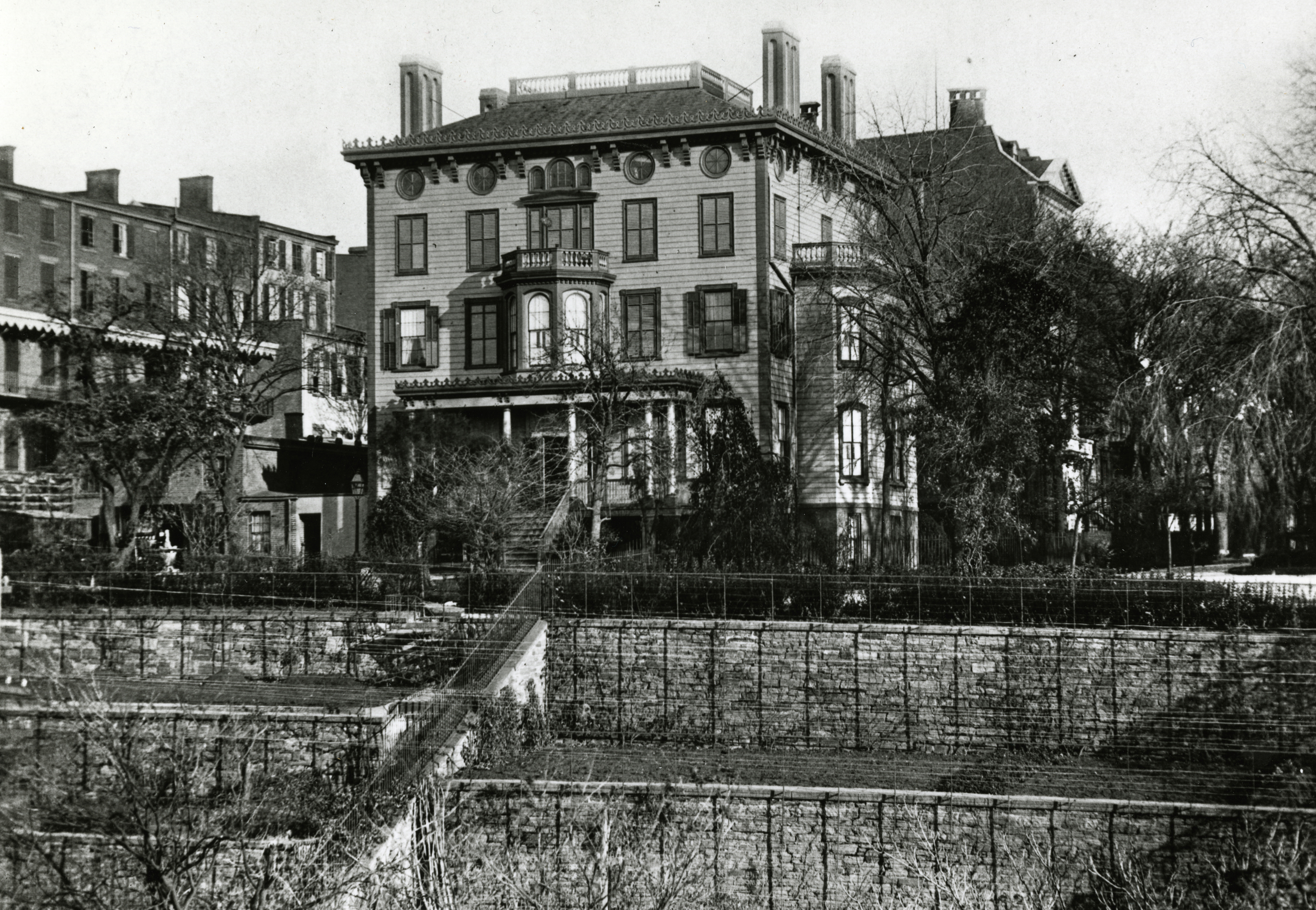
Harvey Araton, a sports writer for the Times, penned an epic tale for the paper’s real estate section this weekend about making peace with his decision to sell low in Brooklyn Heights nearly 17 years ago. According to Araton, he wrote the article as a form of therapy, since he’s often kicked himself for selling his family’s co-op in the busted early ’90s market: “It has been 16 1/2 years since we sold a two-bedroom apartment in Brooklyn Heights, en route to the suburbs and the birth of a second child. Actually, I should say that we gave it away: We lost about $80,000 on a $240,000 purchase made in 1988.” The current value of the co-op is around $900,000. Araton gets in touch with other people who sold in the building—which Brooklyn Heights blog identifies as 157 Hicks Street—at around the same time. “After reconnecting with our old neighbors, the other thought I am left with—and hope to hang onto—is that as much money as we lost, judging a period of life by the bottom line is the road to existential ruin…I suppose, then, that the closure I have been looking for might be in the realization that the apartment was never just an investment. It was a place to live,” he writes.
A Brooklyn Apartment Sold Too Soon? [NY Times]
Photo from Property Shark.



I loved this story, it was quite a juicy read, and a nice reminder/illustration of how things looked back then.
I am a CPA. To be fair, I started as entry level and moved up quickly. I doubt my income will triple again in the coming 8 years, but one can only hope.
isn’t it supply and demand that is primary factor in prices of real estate? not median income of metro area? (or mine for that matter).
Increased population surpassed increase in housing units.
(reverse may be the case past year or 2 into next year or 2).
So people need to pay greater % of income for housing. Also sale price of housing is only part of total cost of housing (taxes, fuel, insurance, and interest rates on mortgages).
newsouthsloper,
Do you sell crack on St. Marks?
My income has not tripled in eight years. 2007 was my best year ever.
also, i’m not looking at this from purely my own personal perspective. my income has nearly doubled since then. my personal income though, makes little difference to me as i look at larger home price trends. looking macro…
newsouthsloper…
congrats. an increase like that is impressive and probably hard-earned.
though, since average incomes have remained mostly flat, i don’t think that incomes weren’t the main driver of home price increases. most likely loosening credit standards, imo.
newsouthsloper,
What do you do?
This article perfectly highlights why the NYT is becoming irrelevant as both a national and local broadsheet. Gee, one of their journalists needed some therapy to overcome the fact that he sold at the wrong time, and so fills the paper with a whole lot of nothing. Hey Harvey, how about an appearance on Oprah next? “Tell us about your pain, Harvey…”. The NYT, especially in the “soft news” department incresingly engages in the latest navel-gazing taking place on the Upper West Side and the other precincts where its (shrinking) readership lives.
In the mean time, today’s WSJ REPORTS on a REAL story of concern: the ongoing scandal at the FHA, which continues to insure sub-prime-type mortgages on a large scale. They present a graph that is startling in its implications: wheras less than 15% of the loans insured by the FHA in 2004 were in arrears 50 months later, more than 15% of the loans insured in 2008 are already in this category. They are increasing the potential liability of the taxpayer, as we speak. THIS is of concern to me, not this shmuck Harvey’s “closure”. You want closure, Harvey? How about this: grow up.