
Stop Leaks Early: A Brownstone Owner’s Water Sensor Guide
Especially in older buildings, even a small leak can turn into a multi-floor, six-figure loss.

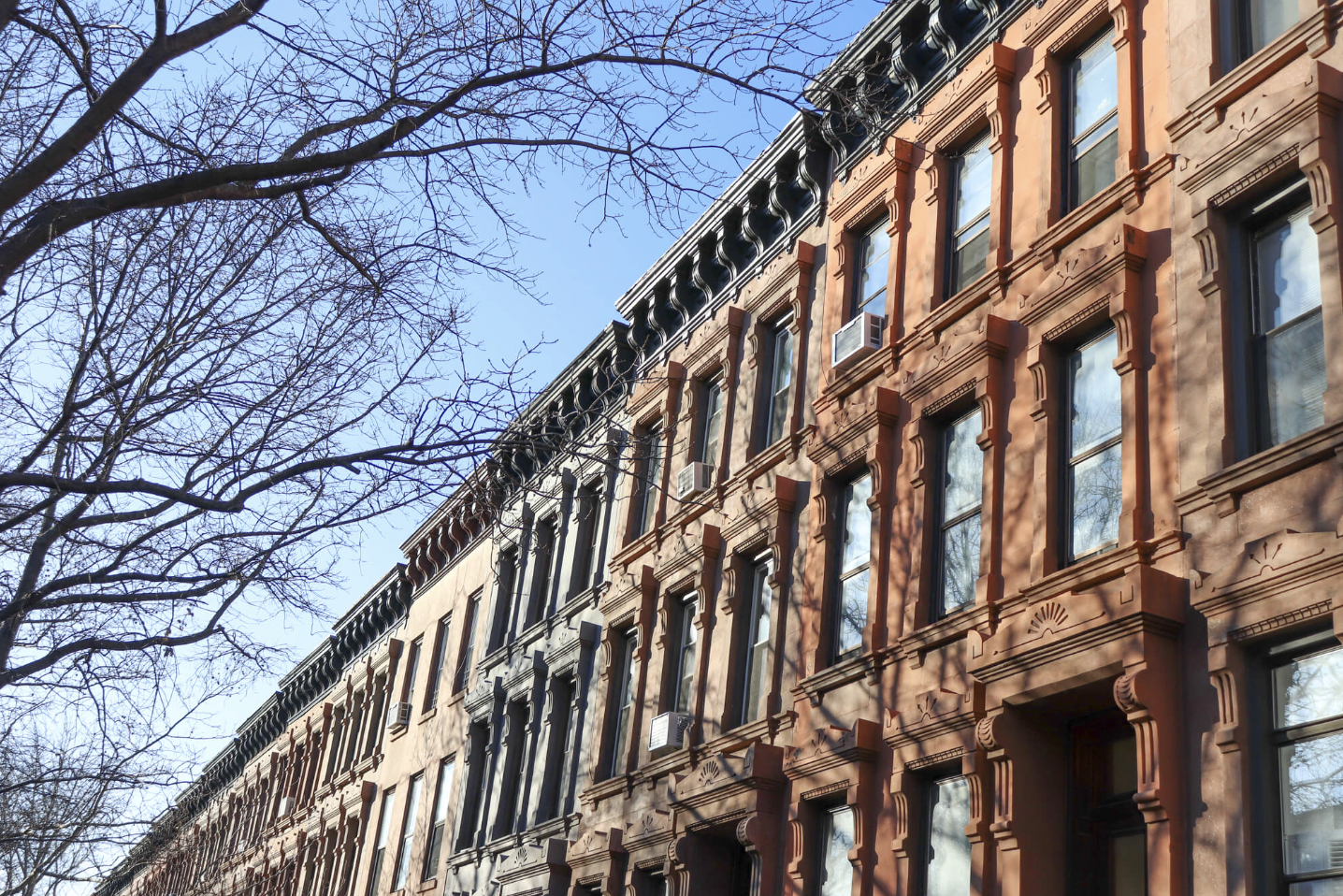
Photo by Susan De Vries

What’s the claim that multi-family brownstone owners file most? Water damage.
In older buildings, even a small leak can turn into a multi-floor, six-figure loss.
Day-to-day housekeeping and maintenance are your first line of defense. Get in the habit of opening cabinet doors and looking under sinks for damp wood, staining, or soft spots. Check around toilets for soft flooring. If you see anything suspicious, call a plumber early—and when they’re there, have them inspect all nearby connections, not just the obvious problem.
Ignoring these signs, or delaying fixes, can lead to losses that not only cost you out of pocket but can also threaten your eligibility for preferred coverage or renewal.
One of the smartest upgrades a multi-family owner can make is installing water sensor technology. There are several types:
Point-of-leak sensors: A small puck or strip you place directly under or next to a likely leak source.
- Under every kitchen and bathroom sink
- Next to each toilet
- Near the water heater and any laundry machines
Rope-style sensor: A long cable that senses water anywhere along its length.
- Along boiler room and mechanical room floors
- Wrapped around or run behind key equipment
Smart flow-based shutoff valves: These track how much water is flowing.
- Installed on the main water line
- Monitor water use via AI 24/7 to detect abnormal continuous flow
- Can automatically shut off water to limit damage
Temperature sensors: A small device that monitors the air temperature in a specific spot.
- In cold spots: basements, stairwells, near exterior walls, vacant units
- Help prevent frozen and bursting pipes in winter
Many insurers are starting to recognize these systems with potential premium credits or other incentives, because they dramatically reduce the severity of water claims.
Finally, if a water incident occurs, report it promptly. Trying a quick “patch fix” and waiting months to file a claim can hide trapped moisture, structural damage, or mold. Insurers typically distinguish between sudden, accidental water damage (often covered) and gradual seepage (often not). Fast reporting and proper remediation protects your building.
It also protects your coverage. With Brownstone Agency, you can lock in that coverage for three years with a prepaid plan. Get in touch with Brownstone Agency today.



What's Your Take? Leave a Comment