
National Prices Fall 18%, New York Further to Go
Along with yesterday’s headline that houses in the nation’s 20 largest cities fell an average of 18 percent year-over-year in October was the news that single-family homes in the New York metropolitan area declined a more modest 7.5 percent. (The 20-city index has now fallen more than 23 percent since its July 2006 peak.) Reason…


Along with yesterday’s headline that houses in the nation’s 20 largest cities fell an average of 18 percent year-over-year in October was the news that single-family homes in the New York metropolitan area declined a more modest 7.5 percent. (The 20-city index has now fallen more than 23 percent since its July 2006 peak.) Reason to cheer? Not exactly, says the Wall Street Journal:
Markets where price declines have been slightest may be in worse shape, because prices still have further to fall before enough buyers step in to bring housing activity to normal. Meanwhile, heavy foreclosure activity in hard-hit areas like Phoenix, Las Vegas and San Diego are bringing prices into equilibrium. Those cities may be closer to a turnaround…In the language of Wall Street, with asking prices not dropping to levels where bidders will pick them, the market isn’t “clearing.”
The Journal article goes on to say that New York City’s slower decline resembles past patterns: It took three years between 1988 and 1991 for prices to fall just 15 percent. This go-round, “the price decline may be far more severe,” the article predicts. “Right now, people are still living on last year’s bonus,” says Barclays Capital economist Ethan Harris, who is based in New York. “You can sort of feel the local economy on the edge of a cliff.”
New York, Boston Prices Expected to Fall Further [WSJ – Sub]
Home Prices Fell at Their Sharpest Pace in October [NY Times]
Local Home Prices Fall 7.5% [NY Post]


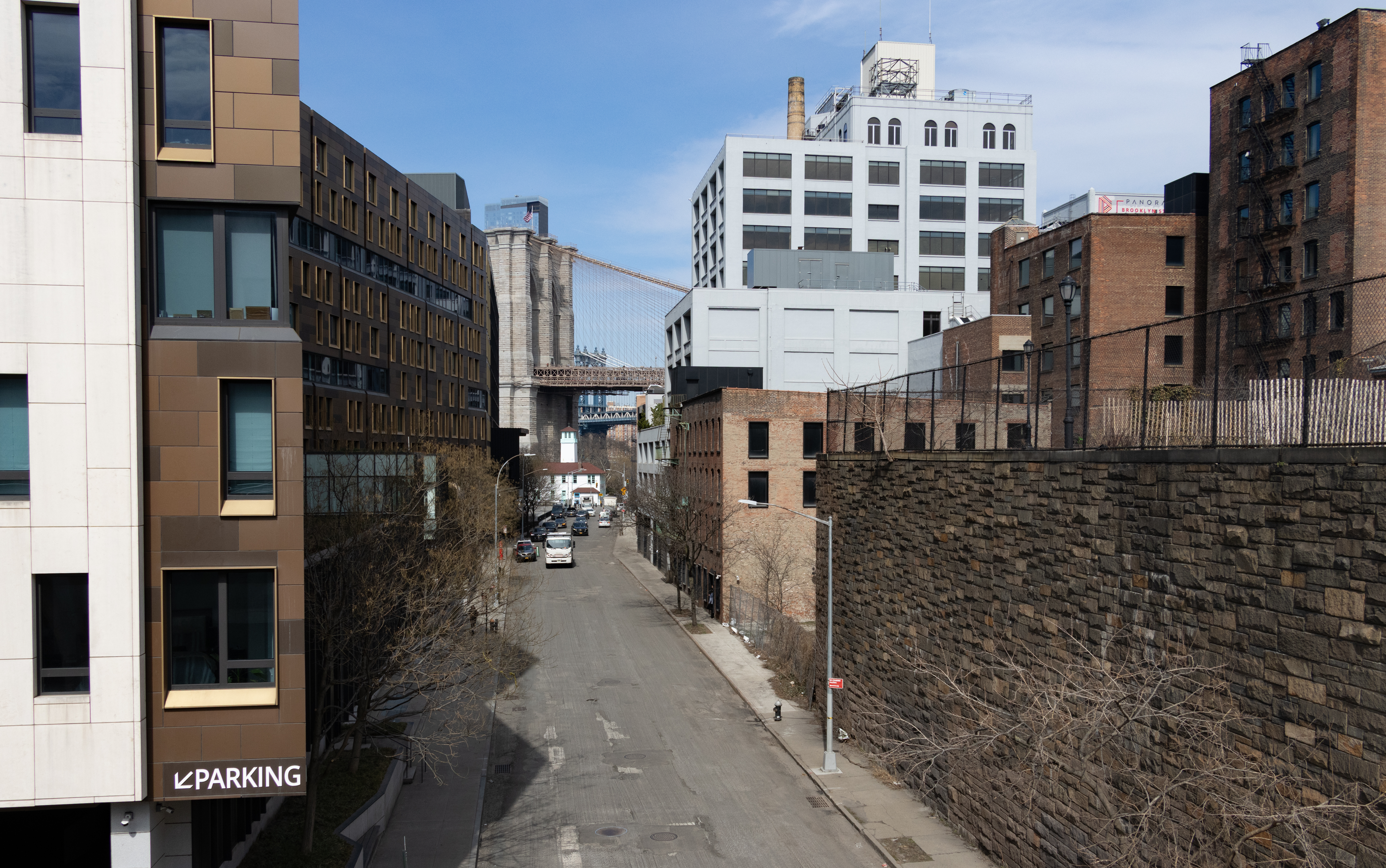

Down baby down, I want that BHTOWNHOUSE for under 1 million.
“I am always reminded of countless books and movies of post-Apocalyptic or natural disaster/disease America, or “Lost” type scenarios, where people are forced to start over in a non technical society. The paper pushers, the financeers, are always counted as useless, soft handed fodder, as they don’t have skills that help in survival. The farmers, carpenters, sewers and craftspeople then become the new elites.”
“”we banish “finance people” to some island in the arctic”
This might be the solution!”
MM and BRG;
Hi! I can’t stay long in the discussion, as I’m busy cracking the whip on my domestic help, preparing for the gala New Year’s eve party in which I invite 500 people. Hey, I put them to work for the $20 bonus!!! 😉
Where did this idea come about that I have domestic help?? To set the record straight: I do not have any such employees.
With regard to your statements above. If you want to see such a society in action, please visit just about any third-world country. Sure enough, you will find that farmers and sewers are at the top of the heap.
I do not wish to throw out the baby with the bath water. While it is clear that the leadership of our financial sector has screwed up big-time, I believe we should put this all in perspective. These financiers provided the money for the Googles, the Ciscos, the Intels and all the other leading industries of our day. Compare our economy to that of Japan, which has a much weaker finance sector. Whereas we have created whole new companies and industries such as the ones above, the Japanese are still focused on older industries. Quick question: name one new Japanese company that is at the leading edge of a new indutry. Answer: none. It is still the same old companies (Sony, Toyota, Mitsubishi, etc.) focused on the same industries. Ditto for Europe. Our financial sector is a key factor in the dynamism of the US economy.
that’s a good idea, especially since all the self-important and hypocritical artists and interior designers and consultants and “media people” and bloggers and everyone else who relies on ‘finance people’ for their livelihood would have to follow them there. somewhat unfair to the polar bears and penguins, though.
“we banish “finance people” to some island in the arctic”
This might be the solution!
I, for one, am planning to take up farming in 2009.
I generally agree with you Ledbury. Just about everyone is overextended. But I’ve never seen a compelling statistical analysis of NY bonus pools affecting housing prices or inventory. There are a lot of fuzzy steps in between, so the analysis is always anecdotal. There are a million factors affecting RE prices. Bonus pools is a relatively small one. Employment will be a big one.
Now, if you want to worry about the volume in Tiffany’s precious gem department, then I think bonus pools are a big factor.
Before we banish “finance people” to some island in the arctic, lets remember that virtually every person had their lives enhanced by the credit bubble. Not saying we will end up better off when all the dust clears, but it wasn’t just finance people who benfited immensly from the overheated economy. Everyday companies who make widgets or sell advertising, or whatever all had their operations expanded and hired more people. They all paid their people more than they would have otherwise. Neighborhoods were built up and suddenly there were Whole Foods and Banana Republics where there used to be only Key Foods and Old Navy (thanks to both consumer credit and corporate credit giving them capitlal to build the outposts.)
Finance people defintiely took a lot of money off the table and they deserve some derision for that, but lets not pretend that everyone else didn’t get to play a little too.
I am always reminded of countless books and movies of post-Apocalyptic or natural disaster/disease America, or “Lost” type scenarios, where people are forced to start over in a non technical society. The paper pushers, the financeers, are always counted as useless, soft handed fodder, as they don’t have skills that help in survival. The farmers, carpenters, sewers and craftspeople then become the new elites.
While I don’t think we’ve gotten there yet, it’s never too late to learn a skill. When I was in high school, people looked down on the kids who were in vocational training, as opposed to college bound. It would be interesting to see who is successful, and who isn’t these days. Of course we need both, but I hope the days of looking down on those who work with their hands is over.
Finance people pay for all of those brownstone renovations that keep plumbers/carpenters/designers working. My plumber makes a fortune. Not all Wall Street people are making millions. Those in legal/marketing/compliance/operations do well, but their base salary makes up most of their compensation.
Fat Lenny – I think the issue is that many wall streeters who bought in recent years still have last years bonus in helping pay for what now appears to be an overextended mortgage. With a smaller bonus, the amount they have available to pay next years payments is smaller and many run the risk of not being able to make it through the whole year comfortably. I say comfortably because most will still be able to make all their payments, but not live the lifestyle they are accustomed to as well. At that point there will be a choice to be made and it is then that the market might find itself with a rush of supply.