
To Bail or Not To Bail on Your Home?
If the value of your home is less than the amount of your mortgage does it make sense to keep making your payments or should you just walk away? If you can’t get the bank to reduce the principal of your loan, what should you do? Well, no one can tell you that because every…


If the value of your home is less than the amount of your mortgage does it make sense to keep making your payments or should you just walk away? If you can’t get the bank to reduce the principal of your loan, what should you do? Well, no one can tell you that because every situation is different, but, as The Times points out this weekend, the penalties for defaulting on your mortgage may not be as onerous as they once were. First of all, more and more banks and saying OK to short sales, in which the owner sells the house for less than the value of the mortgage; secondly, even if you go into foreclosure, the bank is unlikely to chase you down to make up the difference between the sales price and the mortgage amount. If the lender does forgive some piece of your debt, however, some states will still try to treat the forgiven debt as taxable income. Lastly, some legal experts expect that the credit rating agencies won’t hit you as hard for a foreclosure now as they might have in the past. It just seems obvious that a foreclosure in 2008 or 2009 doesn’t have as much information value as a foreclosure five years ago, said legal prof Todd J. Zywicki. Are any readers currently underwater and considering voluntarily bailing on their home?
Thoughts on Walking Away From Your Home Loan [NY Times]
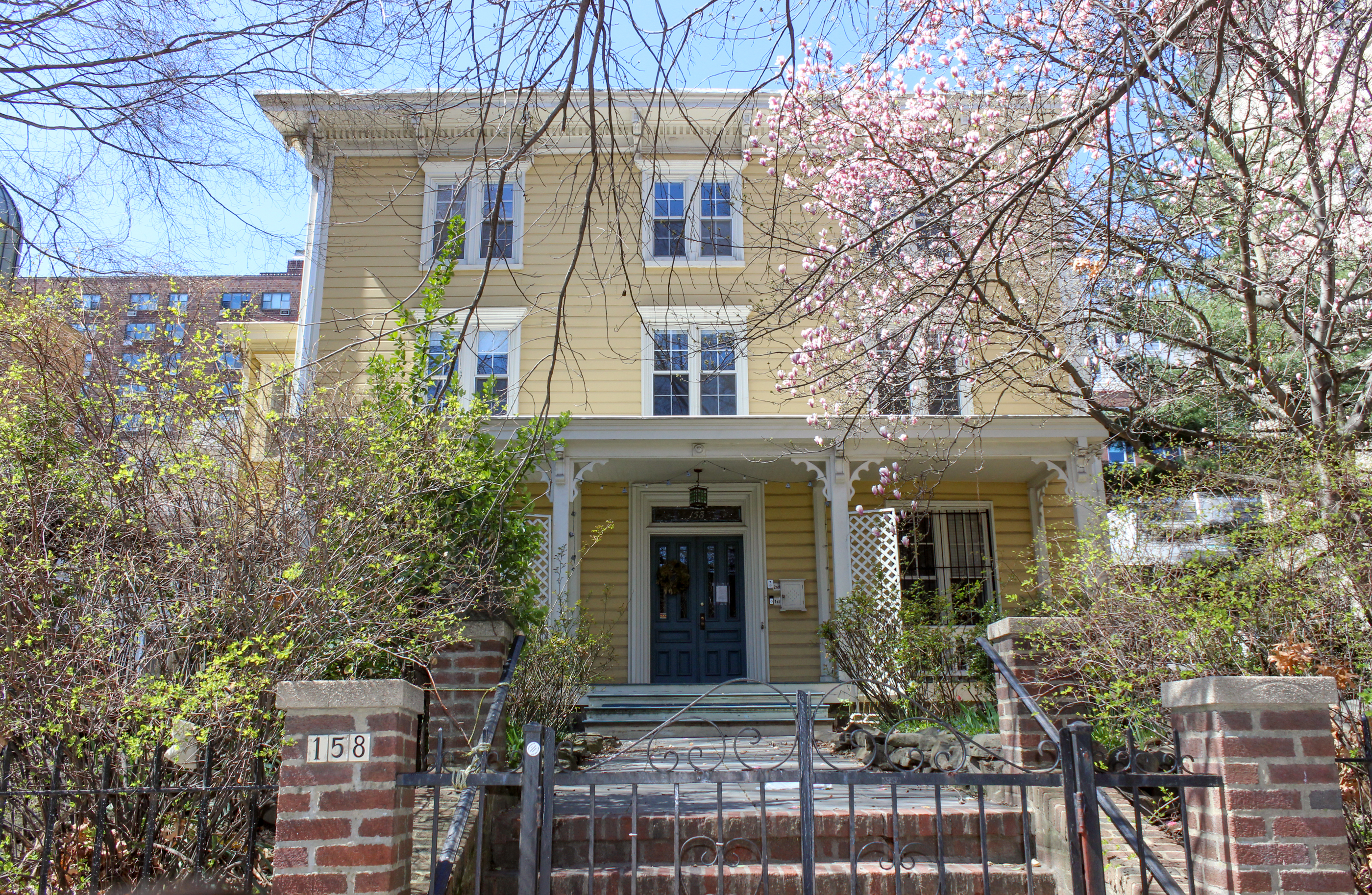
Photo by Jennscrzy



Thanks, Dave. Next question: Why would any bank allow a loan to go through that is more than the appraised value of the home? What does the bank stand to gain by taking (what seems to me) to be a big risk like that?
Yes, Snappy that would be it. It usually starts with a very high Loan-To-Value Ratio of say, 90-100%. There were Equity Lines of Credit being given out where you could actually get more than the appraised value (minus of course any existing mortgage debt).
I don’t get it…
… values go up and down, why would someone intentionally walk away from their home? It may be worth less today, but what about a year, 5 years, etc?
I think the only people seriously considering this were the speculators or the people who couldn’t afford the home in the first place. Otherwise, regardless of the value it is your home and a place you, at least in my opinion, would have planned to stay in for a long time, regardless of intermittent shifts in value.
I think this mentality of “well I guess I’ll just bail ’cause foreclosure isn’t that bad anymore” is the same mentality that got us in to this problem in the first place.
.02
Please don’t shoot me for what is likely a really dumb question: This whole thing of owing more on the home than it’s currently worth – this generally pertains to those who recently bought a home right? Or those who recently took out a large home equity loan? Or, are there other situations I’m not thinking of?
sebb….even I don’t believe that!!!!!
dittoburg : Why would i walk away from my homes? I guess you forgot to read the Douglas Eliman report. Brownstones are still going up !
“Every now and then the world is visited by one of these delusive seasons, when ‘the credit system’ … expands to full luxuriance: everyone trusts everybody; a bad debt is a thing unheard of; the broad way to certain and sudden wealth lies plain and open; and men … dash forth boldly from the facility of borrowing.
“Promissory notes, interchanged between scheming individuals, are liberally discounted at the banks…. Everyone talks in [huge amounts]; nothing is heard but gigantic operations in trade; great purchases and sales of real property, and immense sums [are] made at every transfer. All, to be sure, as yet exists in promise; but the believer in promises calculates the aggregate as solid capital….
“Speculative and dreaming … men … relate their dreams and projects to the ignorant and credulous, dazzle them with golden visions, and set them maddening after shadows. The example of one stimulates another; speculation rises on speculation; bubble rises on bubble….
“Speculation … casts contempt upon all its sober realities. It renders the [financier] a magician, and the [stock] exchange a region of enchantment…. No ‘operation’ is thought worthy of attention that does not double or treble the investment. No business is worth following that does not promise an immediate fortune….
“Could this delusion always last, life … would indeed be a golden dream; but [the delusion] is as short as it is brilliant.”[1]
Washington Irving in the “Crayon Papers” about the Mississippi Bubble fiasco of 1719.
I’d be interested in a real-life example or a knowledgable comment as to what this ACTUALLY would do to someone’s credit score. If it was already tenuous in the, say 500-700 range and it got pushed to 300-400 because of that, they’d have a hard time even finding someone to rent them an apartment.
I’m guessing Sebb is.