
Rezonings Aplenty, But to What End?
The Bloomberg administration has presided over 100 rezonings, a massive effort at rethinking and re-engineering the city’s social and economic landscape. A new study by the Furman Center at NYU takes a look at the 76 rezonings that took place between 2003 and 2007 and tries to get a handle on the current and long-term…


The Bloomberg administration has presided over 100 rezonings, a massive effort at rethinking and re-engineering the city’s social and economic landscape. A new study by the Furman Center at NYU takes a look at the 76 rezonings that took place between 2003 and 2007 and tries to get a handle on the current and long-term impact. Bloomberg rezoning strategy as overseen by Amanda Burden at the Department of City Planning sought to balance the preservation of existing low-density neighborhoods with the expansion of building rights along major avenues, on the waterfront and near transportation centers. Overall, of the 188,000 lots that were affected, the NYU study estimates, 23 percent were downzoned, 14 percent were upzoned, and the balance, over 60%, were subject to a contextual rezoning. How’s it all playing out? While we find that on paper, the upzonings have added more capacity than the downzonings have taken away, we also find reason to doubt that all of this new capacity will be built out for residential use, and it remains unclear whether we are on track for creating enough new residential capacity to accommodate the one million new New Yorkers that are expected to live in the City by 2030, said Professor Vicki Been, the lead author of the study. More specifically, the report finds that 80,000 new units of housing have been created, in broad strokes enough to house about 200,000 people. According to The Times, the city claims that it’s not relying only on rezoning to achieve its housing creation goals. Still, other critics argue that the numerous downzonings were a strike against diversity and mobility: “Whether intentional or through a lack of sensitivity to the concept of equitable development, downzoning in predominantly higher-income and white communities leads to restricted housing options for people of color and low- and moderate-income residents, said Ronald Shiffman, a former planning commissioner.
Despite Much Rezoning, Scant Change in Residential Capacity [NY Times]
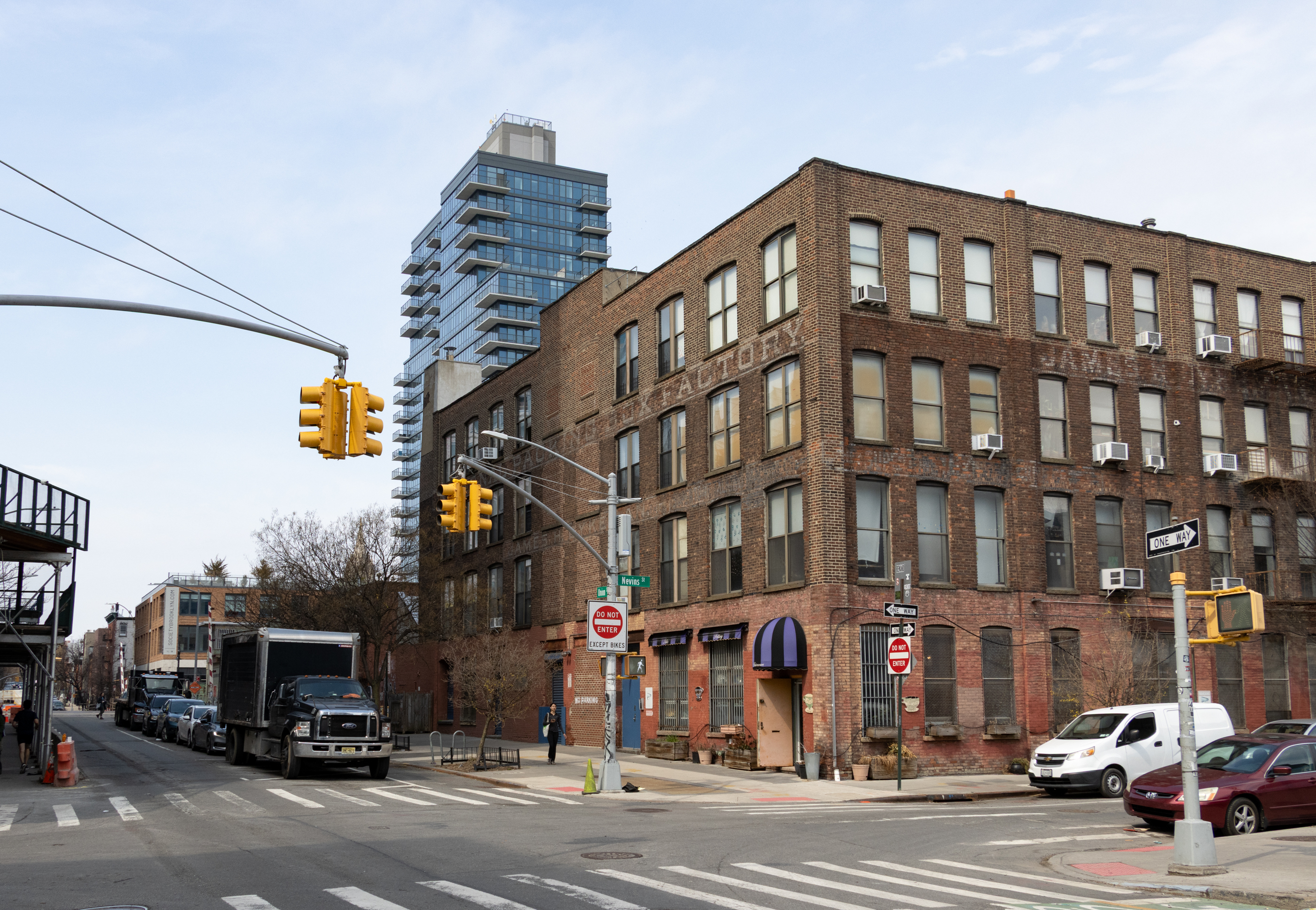
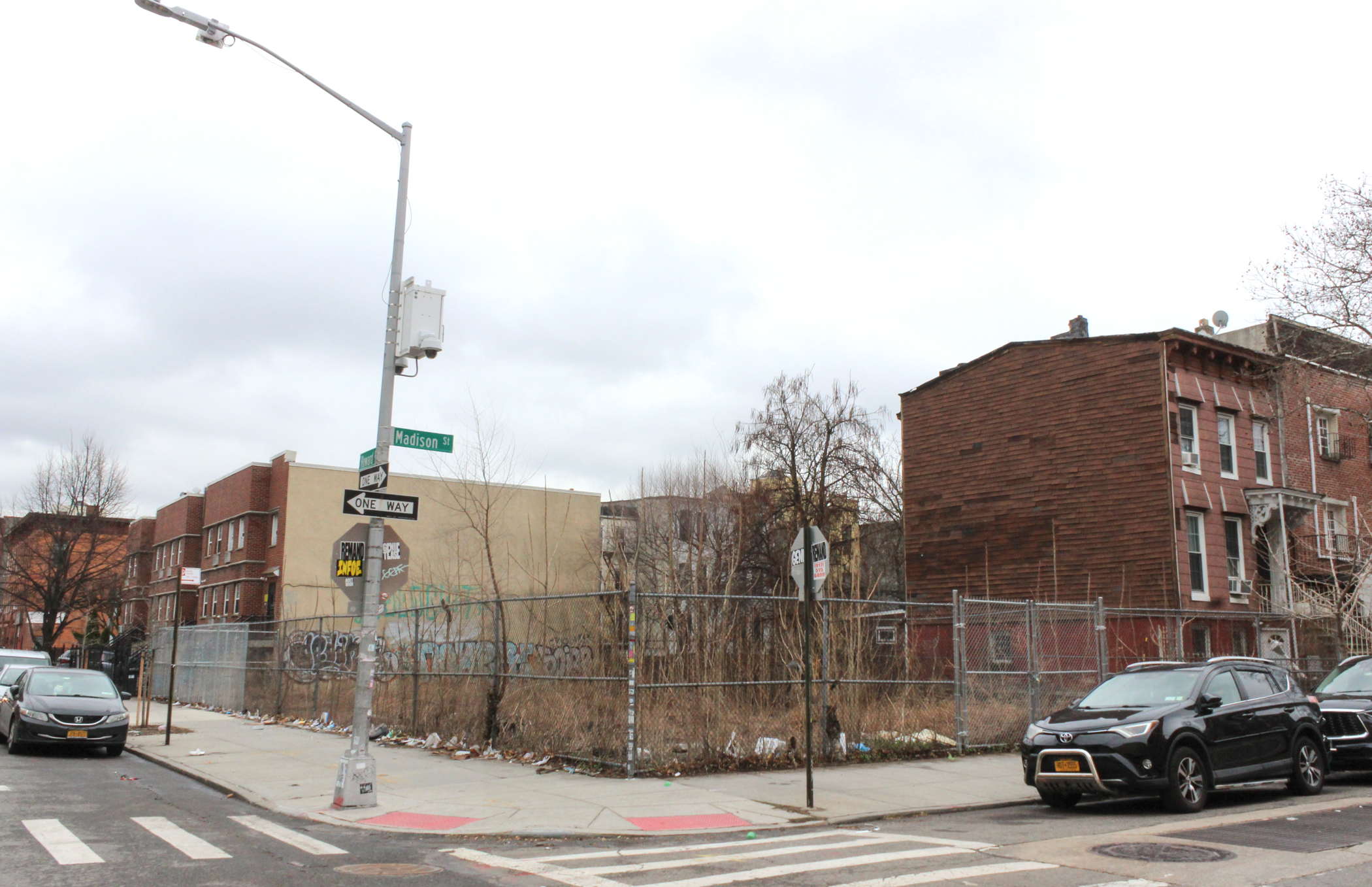
The zoning restrictions remained untouched since 1961. There was plenty of time for builders to work their magic in the Slope (When it was even more populated than it is today). The reality is that there were very few properties worth tearing down… small manufacturing spaces, auto repair garages, unkempt stand alone wood frame homes.
I’ll say one thing, when Park Slope proper down zoned in 2003, the border line, 15th Street, suddenly became the front line for the battle to get the South Slope down zoned. Everyone could see the writing on the wall after they built that monstrosity 266 22nd Street and of course the VUE.
Maly, you’re 100% right about the housing projects. Although the buildings are tall, they’re aren’t actually all that densely developed. The housing project’s in NYC’s most expensive neighborhoods could conceivably be redeveloped as denser mixed-income housing, which would restore the street grid, integrate retail, and mitigate the social ills caused by isolating and warehousing the poor, all without displacing current residents.
MM, I am not just advocating high-density, although it is part of the necessary answer to respond to the population growth. I think we have under-developed AND badly-developed land that is already under city control and that better urban planning could yield more units, commercial developments and safer streets.
Chicago is not the only city with residential towers for the poor that are far away from reliable public transportation and commerces and services. You can have higher density with better outcomes than the tower in the park model.
IMBY, that’s exactly the point here – no one wants to build affordable housing around areas like the slope because the property values are so high that they can’t make a profit doing so. It’s zoning restrictions that artificially keeps them that way.
Agreed with MM and IMBY. Had the rush to develop been slowed and partnered with smart planning, I think a lot of the issues folks are pointing out could have been avoided.
Smart growth did not happen. It was a tear them down, throw them up, cash in and get outta Dodge mentality for 95% of the new development.
Neighborhoods with traditionally low density were over developed with no thought to the impact of said development. CPC had a knee jerk reaction brought on by savvy preservationists and citizens advocating for responsible (and for the most part) lower density development.
So now we’re left with a bit of a mess. By no means will development/growth stop. Perhaps it may be done more responsibly and not just in quest for the almighty dollar.
I would say a good model going fwd would be the Sunset Park rezoning. Closely watching the new lower density and higher density growth, in there specific areas, would be a good gauge to see if CPC really knows what it’s doing.
Here’s an idea, what about improving transit to under-served neighborhoods….
Speculators have absolutely no interest in building affordable housing. Witness the recent down-zoning of the South Slope. The only affordable housing built during the boom was the 5th Avenue Committee’s 16th Street development. Not even the corresponding up zoning of 4th Avenue with FAR incentives could get anyone of the developers to bite.
There are very few “less wealthy” buying into these new developments. In fact it is the less wealthy that are being displaced when their apartment buildings are raised to make way for new luxury buildings.
As both a preservationist, and a realist, I think that the answer lies in taking the best of both growth and preservation and crafting a better city. Both extreme ends of the spectrum are wrong. A city totally covered in densely packed towers of people is a horrifying future. By the same token, I fully realize that you can’t preserve everything, and that a city must continue to change and grow. Rezoning, tempered with a fair hand, can work. We also have to be betteer at reuse. There are tons of buildings in this city, especially in poorer neighborhoods, that are just sitting empty or half empty because of they need major repairs. The city seems to concentrate better on new construction, but there are buildings already here that could and should be rehabbed. This is not happening nearly enough.
Maly, I hope you are not advocating that the projects become more densely packed and higher. Countless studies, especially in other cities, like Chicago, have shown that while you are putting more people in housing, and that looks great on paper, the reality is that human beings do not function well in those circumstances. Poverty fuels this discontent, and it’s downhill, fast, from there.
This gets at a point that preservationists just don’t seem to be aware of: Cities grow. And as that happens, low-density neighborhoods gradually become high-density neighborhoods. That’s absolutely the natural course of development-cities change with their populations. Impeding that process, plain and simple, prevents cities from meeting the needs of their people. In other words, deprives the less wealthy of places to live.
Preserving certain items or areas of historical note is great, but the practice of artificially shaping entire neighborhoods according to some historical precedent that you think is pretty is misguided and harmful. In fact, in most cases if a neighborhood looks exactly the same as it did in 1910, that’s probably a clue that it’s not meeting the needs of people in 2010.
I don’t think it’s just zoning constraints; prime areas around subways are built and occupied. It may not be very efficient, but buying several small buildings, remove all the occupants (individual owners, rs occupants, commercial renters) is enormously expensive and time-consuming.
I think it would pay off to redevelop the towers in a park in denser, higher, mixed-zoning buildings. Look at Avalon Myrtle compared with the old fashioned projects next door. If the Housing Authority removed the parking lots and built up, they could have three times the number of units.