
Rent-Stabilization Hike: Lose-Lose?
At the conclusion of the typically rowdy Rent Guidelines Board meeting last night, the board authorized increases of 4.5 percent on one-year leases and 8.5 percent on two-year leases for the city’s 1 million rent-stabilized apartments. The hike was the largest one in almost two decades, but many landlords were unhappy with the decision, saying…


At the conclusion of the typically rowdy Rent Guidelines Board meeting last night, the board authorized increases of 4.5 percent on one-year leases and 8.5 percent on two-year leases for the city’s 1 million rent-stabilized apartments. The hike was the largest one in almost two decades, but many landlords were unhappy with the decision, saying operating costs (especially fuel charges) have skyrocketed. “I am not satisfied with what we have at all,” said one landlord quoted in the Sun. According to the Times, the Rent Stabilization Association, which represents thousands of landlords, had been pushing for increases of between 10 and 15 percent. The board gave another concession to landlords in the form of a supplemental monthly rent increase of $45 for one-year leases or $85 for two-year leases for tenants who have lived in stabilized units for more than six years. Tenants, of course, expressed frustration with the board’s decision. The point we’re making is that this is a charade, Michael McKee, the treasurer of Tenants Political Action Committee, is quoted as saying in the Times. This was a done deal from the beginning. Before the meeting last night, Council Speaker Christine Quinn held a rally in support of a bill before the Legislature that would restructure the Rent Guidelines Board (which is solely comprised of members appointed by the mayor) and deny rent increases for one year on any unit with serious violations.
Board Backs Rise in Rent Up to 8.5% [NY Times]
Rent Increases Are Approved For Stabilized Apartments [NY Sun]
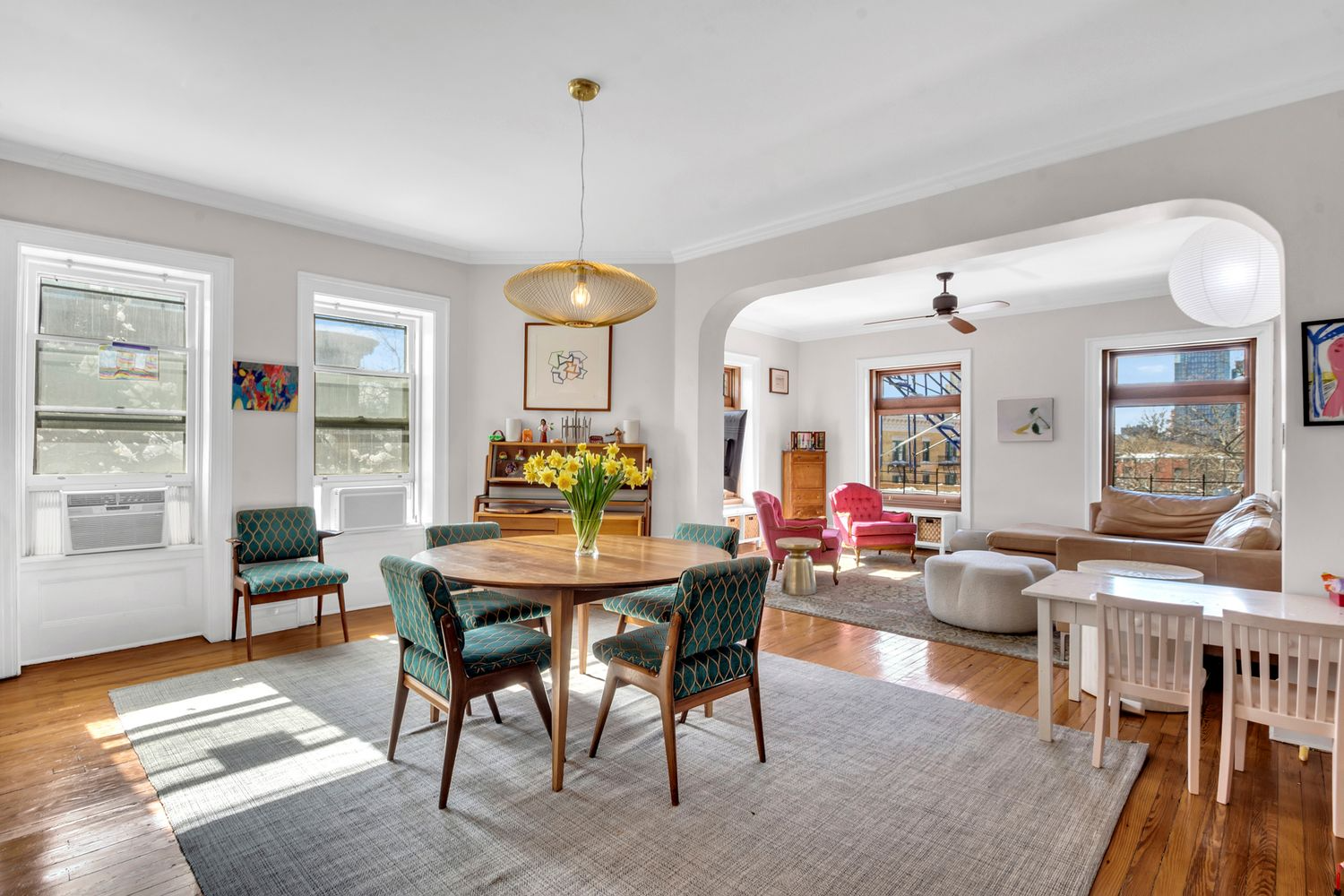
Photo by richarddavis.


The truly amazing thing is that NYC did not just completely implode and burn down in the late 1970’s and early 80’s given the pseudo-soviet leanings of the local government back then, rent control included. But the city did muddle through somehow and old run-down rental buildings started going co-op. More and more New Yorkers owned rather than rented. Suddenly “pre-war apartment” took on a glamorous, rather than grim, connotation. People took care of their investement and the housing stock, long ignored, was suddenly valuable and desirable again. Not just as low-cost flophouses but as real family homes. Let rent control and that whole disasterous period be a lesson to us as to how wrong the “best and brightest” (products of Old Money and the Ivy League) can be. And how fathomless their contempt is for their fellow citizens although that contempt is carefully wrapped in self-rightous self-aggrandizing pieties.
1:04 thanks for explaining that. i wasn’t sure.
“Are there no mitigating benefits when a landlord has rent controlled or stabliized tenants?”
No there isnt – the only benefit that is even possible is that the ‘law’ has mandated yearly increases (even though sometimes the market rate rents fall) – but that is more than offset by the fact that the LL has no right to raise rents when the market rate increases faster than the stabilization rate.
But no there is no benefit, tax wise, income wise or otherwise to owning rent stabilized apts vs. market rate and there are tons of disadvantages including costly administration.
Now I am not saying you cant make any $ owning RS buildings – you can – but the LL doesnt get any benefit for owning RS properties.
I personally believe that rent control/stabilization laws should protect the physically and mentally disadvantaged rather than people who are capable of working and doing better for themselves.
It seems to me that those who live in Rent Controlled/Stabilized apts become financially dependent on their situation in order to live rather than become Financially INDEPENDENT.
This is absolutely the wrong incentive. If people were discouraged from being dependent on things, think about cigarettes, they will break their bad habits of being dependent, if they don’t have a disability.
Over the long term, when they realize that they are in trouble unless they buy a place and lock in a fixed rate mortgage, they will be not only better off, but will have a much higher net worth.
I actually encourage all my tenants to buy eventually and explain to them that they should not look at the immediate gratification of lower rents now, but at the pain of higher rents tomorrow.
Only an opinion.
I totally agree it should be a societal solution but I think from the government standpoint, that’s what they think they are doing. When you say ” tax abatements in the RE industry ARE tied to responsibility – you generally only get them for making Capital Improvements, or particpating in some program (energy, tenant assistance, etc…) that has a societal benefit or trade-off.” isn’t that part and parcel of the same thing? Are there no mitigating benefits when a landlord has rent controlled or stabliized tenants?
I have no good answer for the regulation of food pricing but for whatever reasons the government does regulate milk prices, and subsidizes farmers- just 2 examples.
But BxGrl – tax abatements in the RE industry ARE tied to responsibility – you generally only get them for making Capital Improvements, or particpating in some program (energy, tenant assistance, etc…) that has a societial benefit or trade-off.
Further I (and few) are advocating that (legitimatley) low income-disabled-or elderly people should be kicked out of their long-time homes and left to fend for themselves – what I am saying is that the responsibility to help these people out is a societal one – for which we pay the Government to handle on a macro scale – it is wrong (and actually harmful) to put that subsidy soley on the landlord – the Government should subsidize these people – and if that means more taxes for LL (along with EVERYONE else who can afford it) then so be it.
Thank you, 12:17. Good points.
12:18 – many LL did get out of the business in the 1970’s and early 80’s – they walked away – and the result was abandonment, foreclosure and city takeovers of vast number of buildings – this did little to help “affordability” and did alot to make the city even worse for those hard working NYers you claim to care about.
LLs provide an essential service and they are entitled to a profit on that….why doesnt the Government tie the price of food to individuals income and the ‘profit’ of each grocery store? (some people cant afford food – shouldnt they pay less and why should the grocers get rich off the poor?), why doesnt the Government tie the price of Gas to individual income and the profitibility of gas station owners? (Some people need to use gas and they cant afford it) etc, etc, etc….
12:17- But it isn’t that cut and dried, is it. If you want the government completely out of private affairs, then that means the tax benefits and abatements should also go. Because in the government mentality, they are giving you a deal, not doing you a favor.
what I am saying is that it is unfair to landlords to get very low rents from people who really don’t need it. Unfair to the landlord, unfair to tenants who need help. the Boston deregulation was not a win-win situation. and it is unfair to kick people out of their long time homes if they are elderly, or disabled or have incomes that are fixed or low. If a landlord can have tax benefits and abatements with no responsibility to tenants, then essentially taxpayers are subsidizing them. It’s a 2 way street.