
Most Post-2006 Condo Buyers Are Underwater?
In an article describing how co-ops are much better positioned for the downturn because, unlike condos, their position in foreclosure proceedings is senior to the bank, comes this doozy of a quote from the president of a property management company in Manhattan: I think it’s safe to say that the value of any apartment purchased…


In an article describing how co-ops are much better positioned for the downturn because, unlike condos, their position in foreclosure proceedings is senior to the bank, comes this doozy of a quote from the president of a property management company in Manhattan:
I think it’s safe to say that the value of any apartment purchased in the last two years is less than its purchase price. The simple calculation is that if you bought an apartment a year ago and financed 90 percent of the purchase price, as many did, and now it’s worth 20 percent less, you’re upside-down as an owner.
That’s another reason why co-ops are in better shape: Most owners had to put down a minimum of 20 percent when they bought.
The Downside for Condos in a Downturn [NY Times]
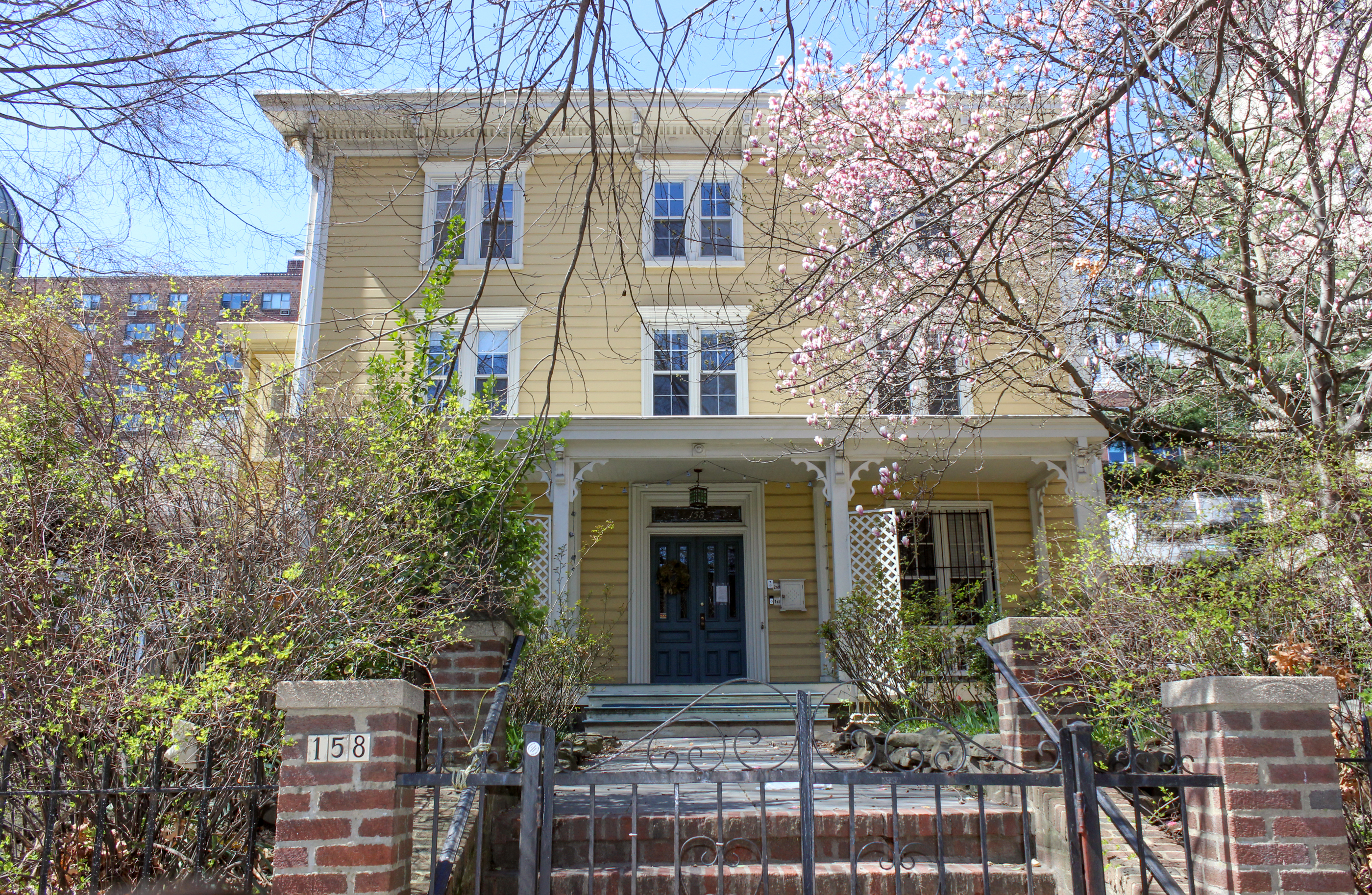

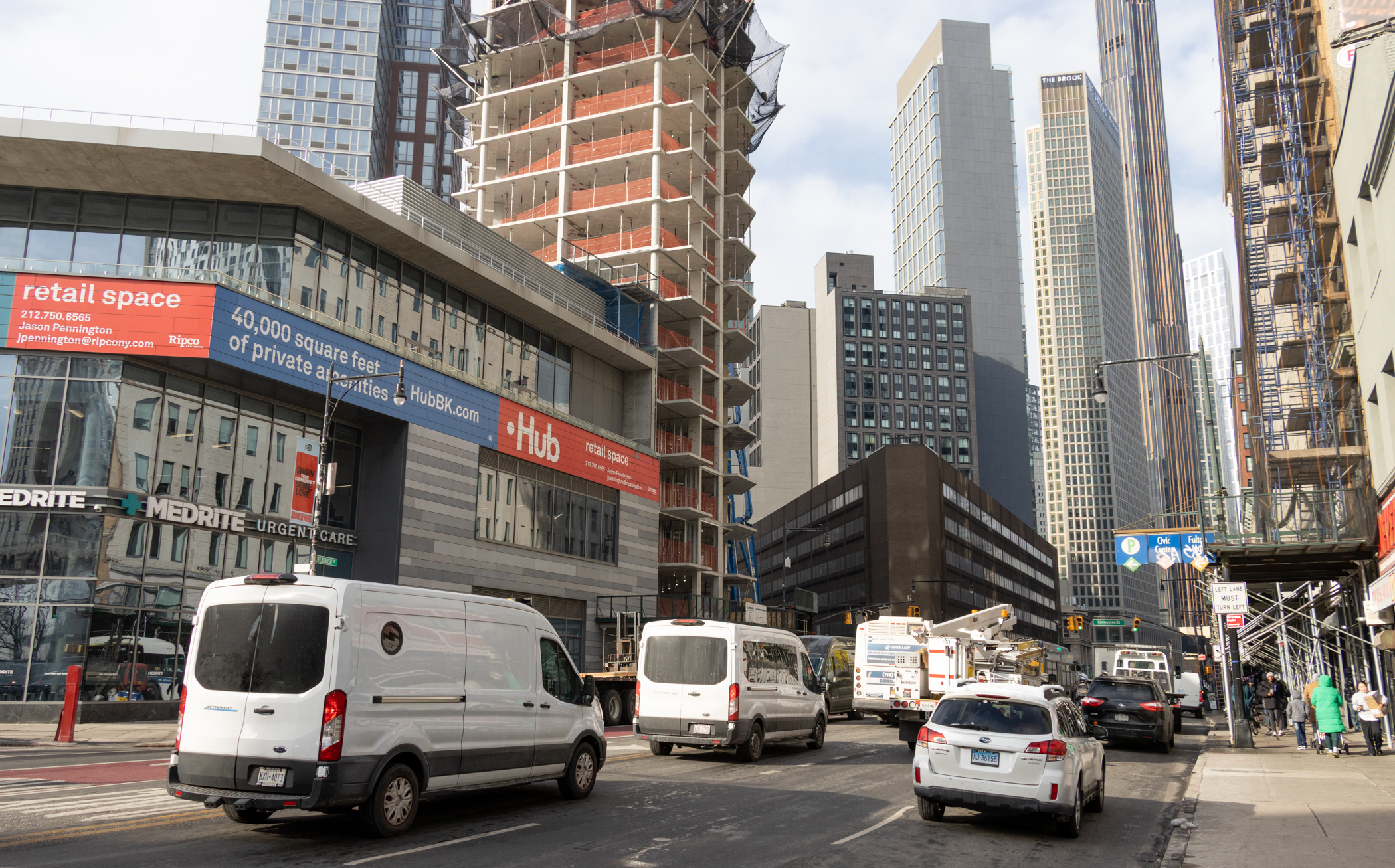
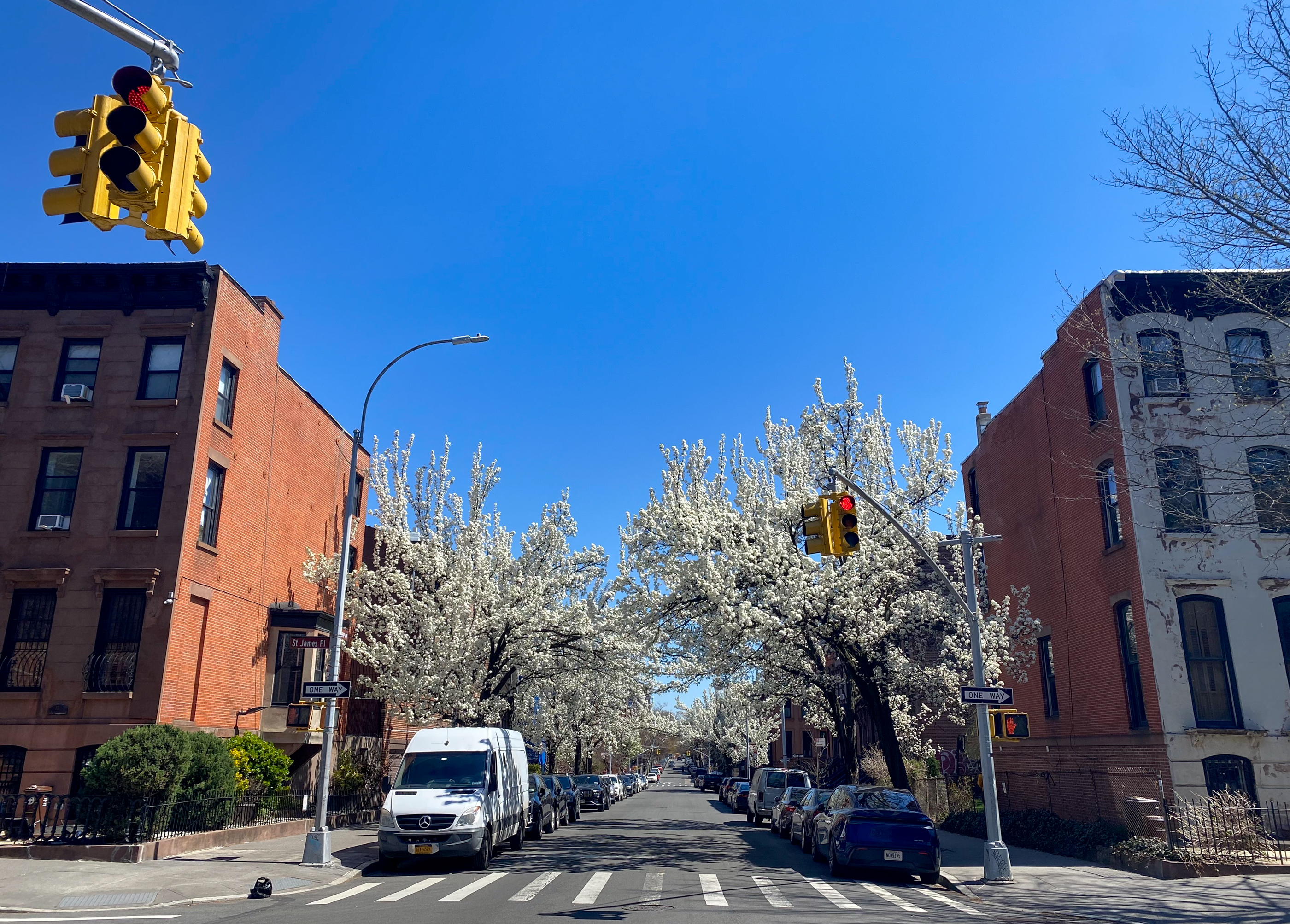
New York may be a lot nicer now than during the last downturn but it is also more expensive. In fact it is incredibly more expensive. Has the quality of life increased by as much as the prices? I don’t think so. That wil be one of the factors as to whether people decide to stay or not. Think of how cheaply one could have bought a house in Cobble Hill in 1991. Has the quality of life inproved so much there as to justify 5 0r 6 fold increase in prices? I don’t think so. It was a pretty nice neighborhood in 1991. Fort Greene is defintiely 100% nicer than in 1991 but prices have gone up 800%.
First it was just a subprime problem. Then it was a just a national problem outside NYC or one confined to the ghettos like East New York, Bed Stuy and South Side Queens. Now it’s just a condo problem.
Where will the denial end about the likelihood of a massive, across-the-board (co-ops and brownstones too) “correction”?
***Bid half off peak comps***
I also think that during this time, there might be some people wanting to scale back their costs and lifestyle from a 1 bedroom to a studio. If you’re single and the kind of person who doesn’t need or want a lot of stuff, a studio can make sense. In many cases, it’s cheaper than renting. Even still.
Snark,
I do believe you are correct about that. I think they took a real beating.
But I think a couple of things might make that not true this time around.
1. New York City is a much nicer place to live in than the last time around and a lot of single people probably see themselves sticking around for a while.
2. People saw how much NYC could go up, and if they can afford something, they might not want to “miss out” again.
I’m not saying I believe there is anything to even miss out on because I don’t think we’ll see a huge run up in housing prices anytime soon, but the mentality is still there, I believe. You don’t want to be the last renter standing around in 2012 or whenever prices stabilize/start increasing again. That is, if you are the buying type and can afford something.
If you bought a condo in 2008 for $550k, it went down 10% in value in the last year ($50k), and you got a tax benefit of ownership of roughly $10k for 2008, then by January 2011 your unit will be back to break even assuming that you keep getting that $10k tax benefit for ownership (for 2009 and 2010), inflation stays at or near 4%, and you didn’t spend more than $20k on closing costs.
foreclosures hurt condos and coops. But they hurt condos more for the reasons very clearly articulated in the New York Times article.
The Co-op always has first dibs on the proceeds of the sale of shares, a condo has to stand in line behind the bank and if the sale does not cover the mortgage or barely covers the mortgage, the condo association will never get its maintenance back.
That is a bad situation, no matter what size building.
Co-ops definitely protect the shareholder more and they screen new buyers to make sure they actually have the means to sustain the apartment. It all makes sense. New buyers have to keep in mind that not all co-ops are alike. Some old established buildings are very picky and almost onerous in their requirements. Other buildings are easy and may just want to know that you have 20% down and a decent income and some savings. Some buildings have outrageous flip taxes, some have no reserves and need to constantly impose assessments for repairs or even operating costs. Due-diligence is an important part of buying a co-op. If you work with a good realtor they will never show you a co-op where they feel you do not qualify to get it. People should not sorry so much about the “board interview” the first and most important screening is done by the realtor. They don’t want to waste their time either.
Interesting, though during the last big downturn, weren’t studios the hardest apartments to sell/finance?
lechacal – Interesting. What if the properties we’re looking at are way below what we can technically afford? We’re looking at stuff right now which is nearly doable on what I make by myself. My wife – once she has another job – will probably make more per year than I do, but we have no intention of changing what properties we’re looking at.
The basic deal is: some of the condos and co-ops we’re investigating would be *substantially cheaper* per month than our current rent, even with only 10% down. So it seems hard to believe that renting is the smarter alternative.
Interesting article from the Real Deal:
Buyer interest in studio apartments strong
Brokers say that their studio listings are getting more traffic at open houses and more interested buyers than other types of apartments for sale, mostly because first-time buyers, who were previously priced out of the market, are taking advantage of low prices and falling interest rates on mortgages. In the fourth quarter of 2008, studios made up 14 percent of contracts signed in Manhattan, and in the first two weeks of January, 17 percent of contracts signed were for studios. According to Brown Harris Stevens, the average price per square foot for Manhattan studios rose about $49 in the fourth quarter of 2008, compared to the same time in 2007, while almost all other units saw price declines.