
Front Page Forum: Walk Away from Downpayment?
This post from yesterday on the Forum has already received seven comments but we thought it deserved even wider input. Take a gander: A couple of months ago I entered into a contract on a one bedroom apartment. I put 10% of the $380,000 purchase price down at contact. I am scheduled to close at…


This post from yesterday on the Forum has already received seven comments but we thought it deserved even wider input. Take a gander:
A couple of months ago I entered into a contract on a one bedroom apartment. I put 10% of the $380,000 purchase price down at contact. I am scheduled to close at the end of October. The apartment is great and I can afford the monthly payments (only slightly higher than our current rent). The apartment is priced around or a little lower than comps in the past year. I have been getting cold feet watching the news this past month and have been thinking about walking away and losing my deposit. Is that crazy? Also, is there anyway I could recover even part of the 10% deposit? I’ve already passed the board interview otherwise I would think of talking about my love of piano playing, etc.
Words of wisdom?
Break Contract or Not [Brownstoner Forum]
Photo by Mike Hurren

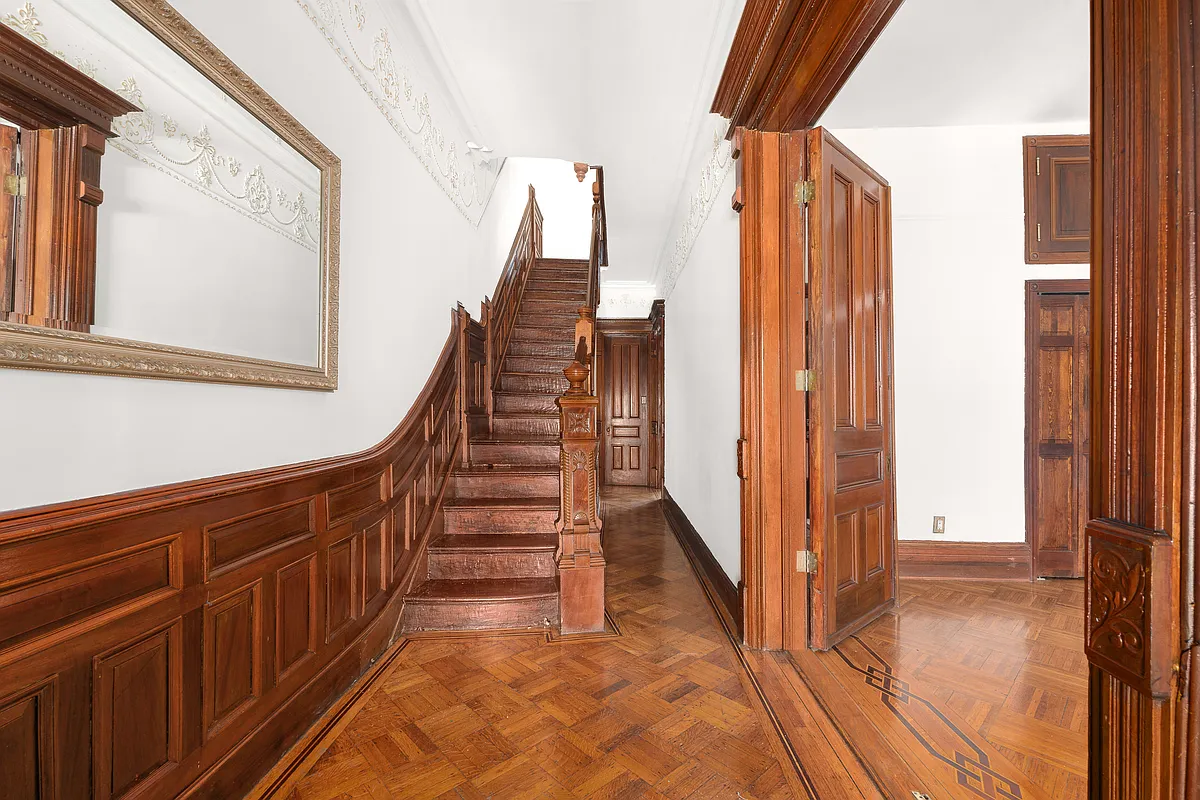


This is why you generally have to decide if you want to buy (vs rent) figuring in ZERO price appreciation at the eventual sale.
No one (ever) knows what is going to happen and therefore it is intellegent to determine if buying makes sense on a cash flow basis (not based on SPECULATIVE capital gains).
Now given the cycle your in, I’d figure a price depreciation over the near term 1-5yrs (certainly a safer assumption than figuring a price appreciation) – so if your going to be in the place less than 5yrs you have to sit down and make a prediction (guess) on how much the place is going to fall in value – use ‘early 90’s data (the closest analogy in NYC) -if you predict the value is going to fall by less than 32G than you should go through with it, if you predict the value will fall by more then you have to determine how much “psychic” benefit you will get from living there. If it doesnt exceed your predicted loss then leave your deposit on the table.
Two other things 1. Your (rational) guess as to price movements is probably as good as anyones – no one has an f’in clue no matter what they say. 2. Once you decide – enjoy where ever you live and dont spend time researching your decision to see if you would have ‘made money’ the other way – a home is a place to live – NOT AN INVESTMENT
If you are planning on staying there, and you have a steady job, I’d go through with the deal. If your mortgage will be similar to your rent, it shouldn’t a financial strain. Rents will be higher in ten years. Your mortgage won’t.
I bought my first apartment in CG in August of 1987 (nice timing), and it took until 1997 for its value to pass what I had originally paid. Sold in 1999 for a nice profit and bought a larger place.
BTW, the average price for a 1br coop in uptown Manhattan in 1988 was 299K. 1990, 285K. 1993 was the bottom at 193K. It took five years after the last downturn for prices to hit bottom before rebounding.
I don’t see how walking away from $38K is even an option. If you lose that and on top of it pay rent towards a non-asset over the next few years, you’re losing more money that way than by buying this place and perhaps seeing its value dip. The value will come back up, the question is just when. But your lost cash if you walk way won’t come back to you. Lastly, the harder it is to get mortgages the fewer if any properties you can buy with only 10% down.
I would go back and negotiate with the seller for a reduced purchase price. Perhaps split the difference . . . $19K off the original $380K. Alternatively, do some work and determine what you would offer for the condo today if you could start from scratch. In short, the seller would probably be crazy not to accept some discount, but if you love the apartment I wouldn’t try to get to greedy.
I don’t agree with lethacal’s comment about the additional 10% down at closing being a deciding factor. Essentially, that is just a financing decision. You’re either financing with equity (the additional 10% down) or with debt (a higher mortgage).
Maybe you can negotiate a reduction (5%?) in the purchase price. So as not to disturb all of your financing documents, it might be possible to arrange it as a credit paid by the seller to the buyer at closing. The lawyers could probably work something out.
It’s possible that the seller would rather sell the unit for 5% less than pocket a 10% deposit but have an unsold unit on his hands. If so, and if the seller is afraid that you might walk, then maybe you can strike a deal.
Lechacal–what is your guesstimate for when the NYC market bottoms out?
Might as well buy if you’re it for the long haul. Seems like an awful lot of money to lose, particularly if the monthly payments are the same as your rent.
Alot of panic bubbling on this board. This is the psychology of extremes that is causing the volatility we are seeing. Walk away and leave $38,000 on the table??? Im stunned so few posters don’t find this reasoning out-of-whack. Even if a homeowner temporarily loses equity in their investment, this is your home you are investing in. There are clearly very good reasons that got you, OP, into buying the property, and they are presumably reasons that one hopes will continue to be valid for you. No one can know with any kind of certainty how things will be play out in the local and global markets, but if you love your new home and plan to stay for awhile, there is little reason to think you wont be a) happy with your purchase and b) find yourself with much more equity in the coming years. Your down payment didn’t “evaporate” over night, even if market values soften further, it still wont–until the property is sold.
Hi Lechacal. Sure that could happen.
But I prefer to think that what I have seen in the past and in other markets will happen again. Those markets that showed strength amidst general weakness tend to show strength in general strength also … rather than strength in weakness simply meaning there is a lag.
This makes sense to me because there is typically a fundamental reason why one market holds up when other markets do not. A quick way to discover this is by shorting stocks that stay strong when their sector falls. Sometimes you will make money doing this but most of the time you will make more selling the stock that fell in the first place.
In the end it is all a gamble.