
Foreclosure of the Week: 101 Kent Avenue
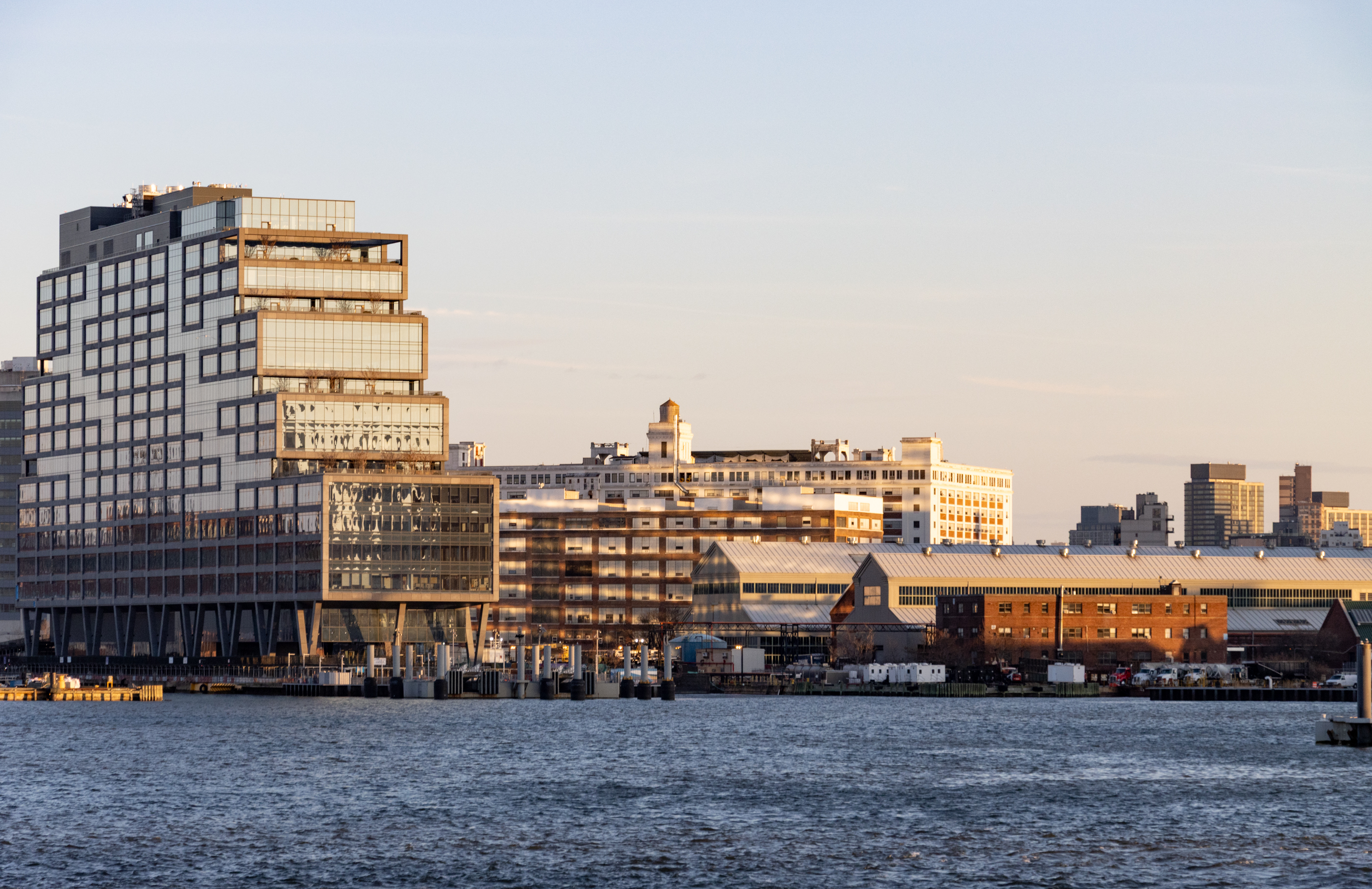
This building at 101 Kent Avenue is one of those foreclosure listings that makes you scratch your head and wonder how it came to this. A 5,800-square-foot loft building with partial water views on a part of North 8th Street recently rezoned for residential development? The lien on the building is just $1,028,533. What gives?…


This building at 101 Kent Avenue is one of those foreclosure listings that makes you scratch your head and wonder how it came to this. A 5,800-square-foot loft building with partial water views on a part of North 8th Street recently rezoned for residential development? The lien on the building is just $1,028,533. What gives? The auction is scheduled for 3 p.m. tomorrow at 360 Adams Street, Room 274.
101 Kent Avenue [PropertyShark] GMAP
Just checked, the amount owed was paid by the owner and this proceeding is not going forward.
Just checked, the amount owed was paid by the owner and this proceeding is not going forward.
as fun as the discussion about the ivy is……the stuff died about 2 years ago when they tore down the buildings next door (for uber-development 111 Kent) So, yeah, no more ivy. That stuff was displaced too.
like it as is
Those photos are a few years old (or at least the one of the front is). There is a building going up next door that would be visible in that front view.
As I recall, the ivy grew over the course of two or three years, sometime in the late 90s. This stuff (boston ivy, I think) is all over the neighborhood and will cover a wall in a couple of seasons. Hard to get rid of if you want to (and you might want to – even though it doesn’t get into the masonry like other ivies, it still keeps a lot of water on your building, which is not where you want the water to be).
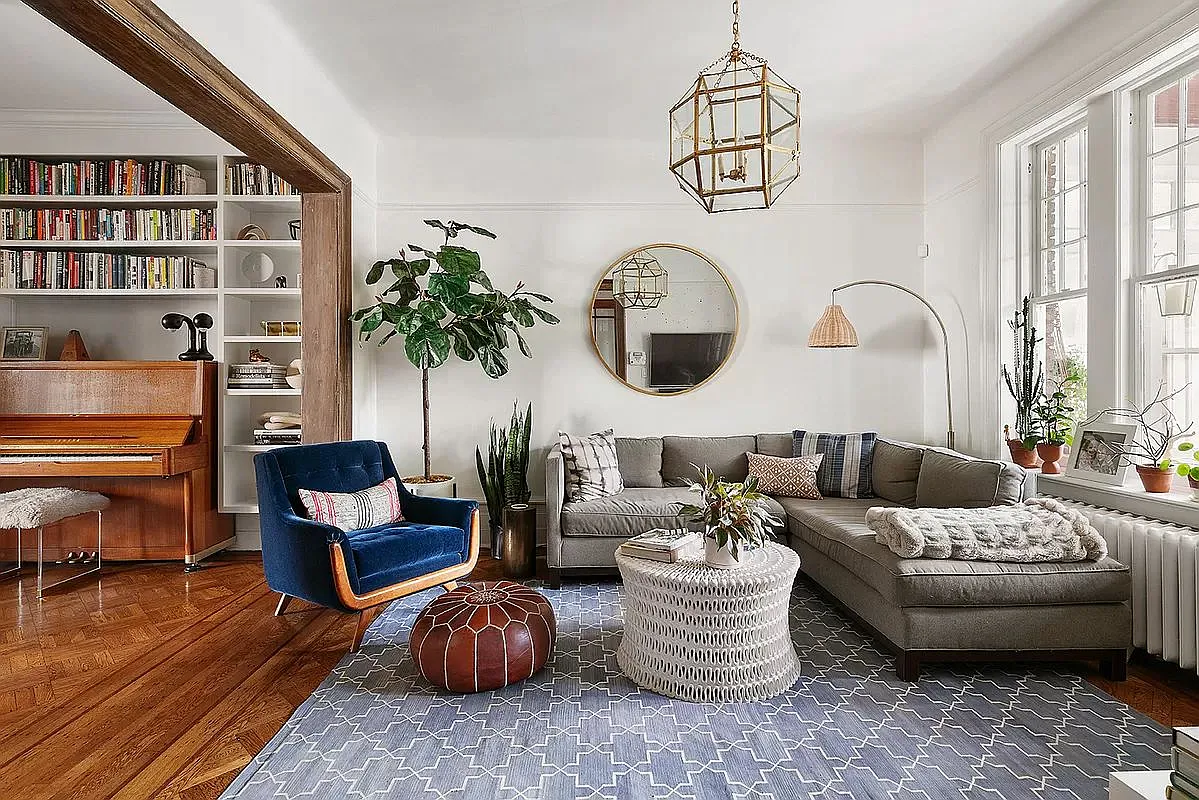
The second floor of this building has some crazy beamed ceiling. Really nice building, really nice location. (And yes, NAG is on the ground floor.)
Headline:
Montrose and BRG arrested for trespassing.
The two ‘friends’ were seen on private property banging their heads against air conditioners. They proceeded to sprinkle an unknown substance against the base of the building.
They tried to flee the scene in a an old Cadillac and were captured heading towards a ‘fringy’ neighborhood. Ivy seeds were found in small clear plastic bags on their being.
They were identified by ‘Benson’.
P.S. you see the vines used to cool a wall or building in CA quite a lot (like the Fred Segal store to name one people might know). I really could have used that on my old house there. The stucco wall and tile roof that faced West turned my house into an oven because there were no large trees there. It was horrible.
BRG’s suggestion is awesome. I can see it, architecture-terrorists sneaking in the night planting Boston Ivy at the base of all the ugly buildings in Brooklyn.
Frederick, the vines with sticky disc like pads are the ones to choose to avoid damage to mortar. Like go for Boston Ivy not English ivy.
Also Virginia Creeper has the adhesive pads and its Wikipedia page explains why to choose that type of vine, and tells how to remove the vine without causing damage to the surface (you have to kill the vine at the root first):
“Virginia creeper can be used as a shading vine for buildings on masonry walls. Because the vine, like its relative Boston ivy, adheres to the surface by disks rather than penetrating roots, it will not harm the masonry but will keep a building cooler by shading the wall surface during the summer, saving money on air conditioning. As with ivy, trying to rip the plant from the wall will damage the surface; but if the plant is first killed, such as by severing the vine from the root, the adhesive pads will eventually deteriorate and release their grip.”