
Elliman: Brownstones Kick Ass in Q1
Unlike the commercial numbers we saw yesterday, the residential real estate market in Brooklyn perked up in the first quarter of 2010, according to a report released today by Miller Samuel for Douglas Elliman. “The modest decline of inventory and a return to a higher level of sales activity helped stabilize prices across most markets,”…


Unlike the commercial numbers we saw yesterday, the residential real estate market in Brooklyn perked up in the first quarter of 2010, according to a report released today by Miller Samuel for Douglas Elliman. “The modest decline of inventory and a return to a higher level of sales activity helped stabilize prices across most markets,” said the report. “These trends combined with the sharp decline in days on market and listing discount suggests that the consumer is bypassing properties that are not priced close to market levels. The median and average sales prices across all property types ticked up 4.2% and 7.5% from the fourth quarter, but both were down slightly from the first quarter of 2009. The number of sales increased year-over-year from 1,186 to 1,861 and the days on market decreased from 142 to 114. House sales in Brownstone Brooklyn saw the most price improvement, with the median sales price rising 15% from $1,087,500 to $1,250,000. Bring it!

A diversified portfolio of stocks and bonds reflective of your age and years to retirement, Pete. Come on over to the capitalist side.
“I’m hoping folks will refuse to allocate so much of their income & savings toward housing (rent or buy) and drift prices down” — so what should spend on, luxury cars that depreciate ?
BHO, maybe try googling for some real input. Your comparisons with the Great depression are out on the lunatic fringe. Most of the other lunatics have already abandoned that position.
M4L–I understand the sentiment though it feels like people have been wishing for this in NYC forever and it never seems to happen. Even in “down” times like the early/mid 90’s housing was out of whack cost wise.
wasder, I’m hoping folks will refuse to allocate so much of their income & savings toward housing (rent or buy) and drift prices down
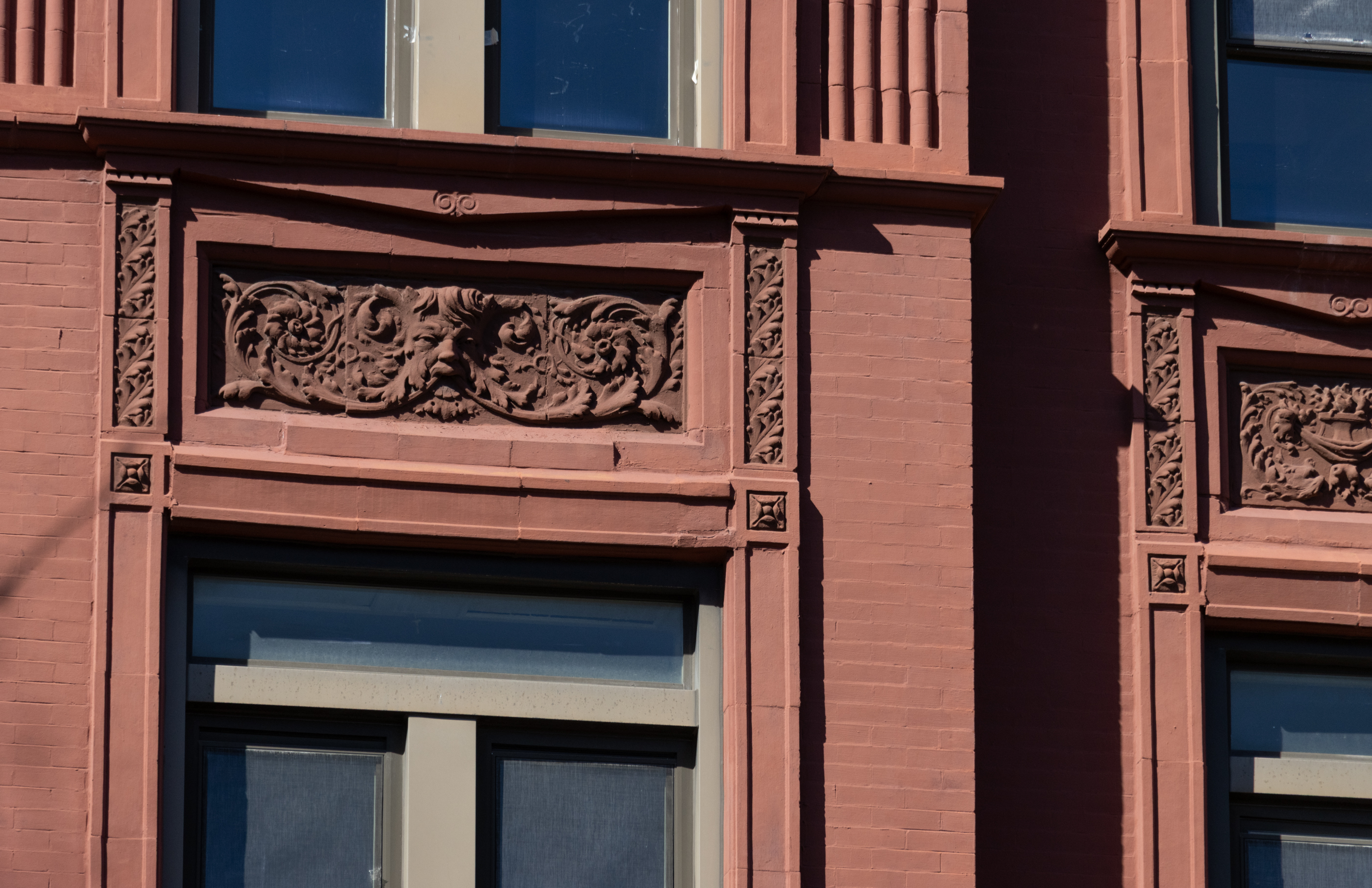
“Brownstones are not only homes but a precious commodity in many people’s eyes.”
That was already priced in before cheap EZ credit and rampant mortgage fraud. If it weren’t for the relaxed lending, we never would have saw +200% prices from the 90’s. Maybe +50% nominally due to inflation. A reversal of fortune is inevitable, whether real or nominal.
“BHO, do you know anything about the economic conditions during the 1929-1933 timeframe???”
Yeah, they were more or less like today (negative savings rate, unprecedented monetary policy by Hoover, wide-spread accounting fraud, right after a hyperinflationary event – housing, etc) but better (we were producers then!). This depression will end up worse. Hence, the Greater Depression.
***Bid half off peak comps***
Thanks Legion. Interesting stuff for sure. Why don’t you think that the current stimulus legislation is not stimulating economic growth?
BHO–you are probably right that the government won’t have the funds to pull off another TARP or trouble loan purchase plan but I am not sure that these policies were the reason that we didn’t see panic selling in 09.
I would also have to say, since my primary job expertise has been investing in Japan and Asia since 1989, that things here are different regarding the way we approached the problem and are currently dealing with it. It wasn’t until 2003, 13 years later, that they recaopitalized their banks. 13 years later.
The comparisons are truly ludicrous. Even Thailand in 2007 learned that things had to be done quickly. they were. And that market recovered swiftly.
BHO, do you know anything about the economic conditions during the 1929-1933 timeframe??? Anything at all??? Interest rates, money supply, gold standard, fed policy or lack thereof??? Anything other than the word “depression??”