
Checking In On The Vermeil
When we wrote about some price cuts at The Vermeil, the 22-unit development at 133 Sterling Place at the corner of 7th Avenue in Park Slope, there were only four units left, according to StreetEasy. Now, strangely, there are six available. There haven’t been any price cuts since then, though it looks like some of…


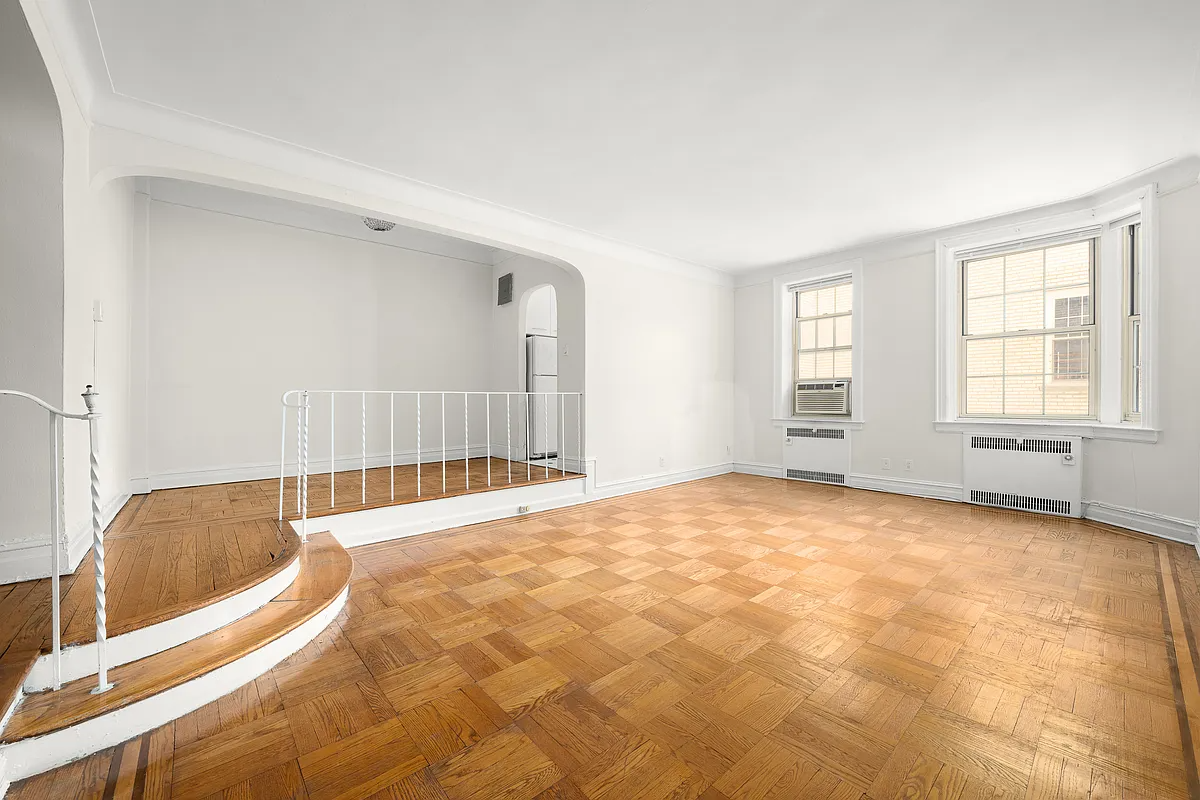
When we wrote about some price cuts at The Vermeil, the 22-unit development at 133 Sterling Place at the corner of 7th Avenue in Park Slope, there were only four units left, according to StreetEasy. Now, strangely, there are six available. There haven’t been any price cuts since then, though it looks like some of the apartments were temporarily pulled off the market in February and brought back again last week. The remaining units range from a 1,532-square-foot two-bedroom for $1,100,000 to a 1,711-square-foot three-bedroom for $1,299,000.
More Price Cuts at The Vermeil [Brownstoner] GMAP
Checking in on The Vermeil [Brownstoner]
Changing of the Guard at The Vermeil [Brownstoner]
First Closing at The Vermeil [Brownstoner]
Condo of the Day: Price Cut at The Vermeil [Brownstoner]
Update on the Vermeil [Brownstoner]


I hate this new trend of frosted glass, not-in-counter sinks that look like flying saucers and generally have really ugly hardware to go with them.
I agree Sam. This definitely works.
And the modern interiors should appeal to those who want their homes to reflect the gadget oriented lifestyle so many seem to have embraced.
I’d take a slab of crown molding over a fancy stove any day, though.
The Morgan works, the addition to the poly-prep academy on PPW works, but this works too. There is no value added in being strictly doctrinaire about what is “correct” and “incorrect” modern building styles. That doctrinaire approach, going back to Adolf Loos equating ornament with crime, is what is retro. Very pre-war European intellectual elite. As Rob would say: move on! put it behind you!
The Morgan addition works precisely because it is contemporary- it clearly delineates between the new and the old.
When you put new ‘historic-looking’ developments in historic neighborhoods, invariably the new will look like a cheap imitation of the original. New should be new, old should be old.
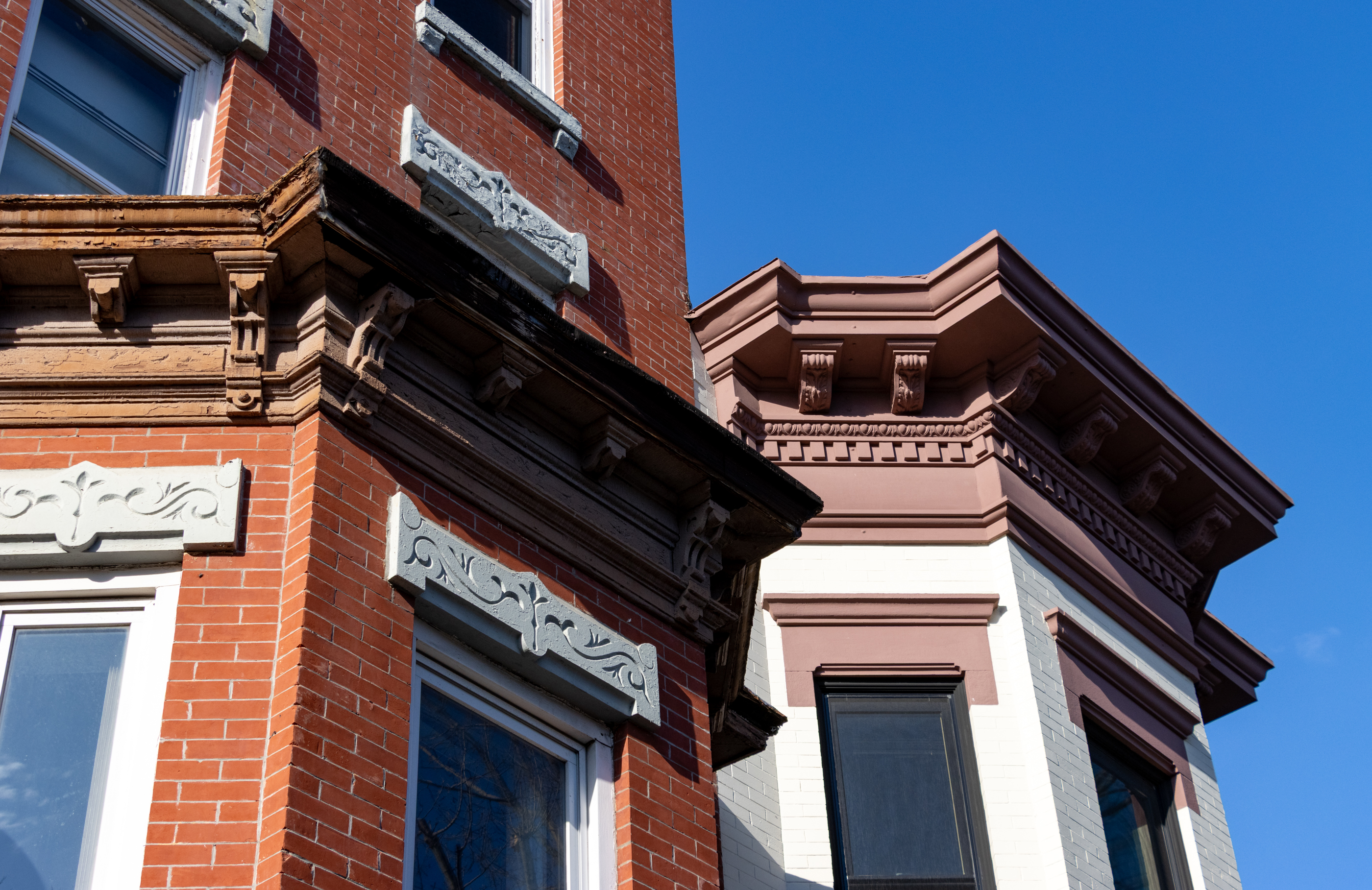
I agree with BH76 and would add that there is nothing particularly 19th cenutry about this building other than it was built using right angles and is clad in brick and limestone rather than glass and titanium. No one with any working knowledge of architectural history would mistake this for an historic building. The Landmarks Commission generally likes to strike a balance between traditional materials and massing, and clean, contemporary details. Occassionally a very talented architect will wow them with something very modern that is also contextural and they will approve it. For instance Aldo Rossi’s SoHo building or Renzo Piano’s additions to the Morgan, or Henry Smith’s little angled builing on Hicks Street in Brooklyn Heights, but they usually do not get outstanding architects presenting imaginative designs, they usually get developers wishing to make a profit and so need to work with what they are given.
Sorry but I dont buy it BH76 – A brick building has INFINITELY more seams than a glass or other ‘modern’ facade – and brick itself is porous and requires periodic maintenance – Therefore , while it is possible that new buildings will be money pits in 10-15 years; it is also possible that a brick building will be as well, if not more so depending on construction (most modern facades are actually designed with the unskilled laborer/installer in mind).
Rightly or wrongly (and sometimes both) the only legitimate reason for historical districts is as lechacal stated – to maintain a basic aesthetic
We do not replace buildings as we do cars or cell phones. And there is a certain construction that seem to be time-tested. Glass walls conduct noise, heat, cold. Although they may be very popular now, I think that many people will not be happy actually living in proverbial fish bowls. Generally people know what to expect with brick buildings regarding maintenance and repair. Does anyone know what a leak in a facade like Toren’s will require in 10 or 20 years? An engineer said that there are a lot of new buildings that could end up being major money pits in 10-15 years. Hence, buildings like the Vermeil, the Stern buildings, are attractive.
The pillar of Fire Church may have been across the street.
The crash destroyed many buildings on both sides of Sterling Place.