
Nothing Fuzzy About Affordable Conversion
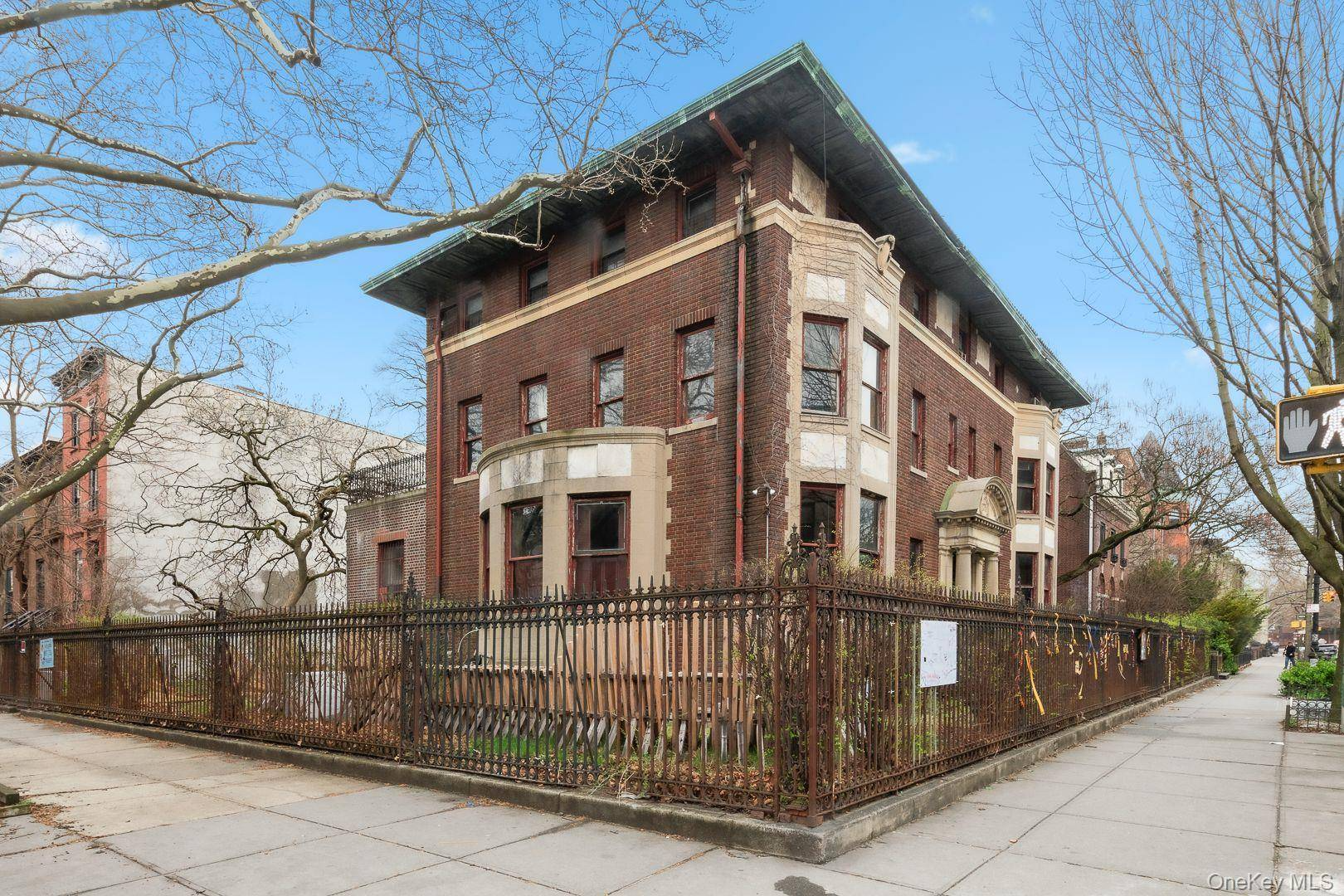
Lower-income earners who’ve never bought a home before will get an unusual shot at living in an historic building. According to the Brooklyn Downtown Star, an 1890’s police building at Humboldt and Herbert in Greenpoint is slated to be turned into 14 condo units subsidized by $1 million allocation from the North Brooklyn Development Corporation…


Lower-income earners who’ve never bought a home before will get an unusual shot at living in an historic building. According to the Brooklyn Downtown Star, an 1890’s police building at Humboldt and Herbert in Greenpoint is slated to be turned into 14 condo units subsidized by $1 million allocation from the North Brooklyn Development Corporation and another $300,000 from the borough itself (how does that work?). As someone who has been admiring this building for the past several years, all we can say is that this is a huge score for the lucky few who win the lottery. One drawback: Because of the subsidies, owners will not be able to benefit from any price appreciation that may occur over time.
Seminar Preludes Affordable Housing [Brooklyn Downtown Star]


In the past, most buildings like these (e.g., hdfc coops, mitchell-lama) would allow the home-owners the opportunity to sell at market rate 15-25 years after the program inception. This must be the new form of affordable housing that is being put forward by the city.
But it still begs the point…”why label it home-ownership if you can’t build equity”? Isn’t it just another form of glorified rent-stabilization/rent-control or even better, isn’t it just another ‘project’ or ghetto.
By the way, I wouldn’t exactly call living in Bushwick, in this day and age, ‘lucking out’. The major benefit that I see from this process is that whoever wins garners the right to stay put when the area gentrifies
forgot to put my name on the anon 3:51 post 🙂
I disagree, I think its totally unfair to let ppl who were “lucky” enough to get desirable housing through lottery to cash out like the guy who is trying to sell that house on Fulton especially since they’re not necessarily more deserving of these living conditions than other ppl in similar situations who just weren’t lucky enough to win the lottery.
I totally agree with this practice, I think it makes the playing field even and stablizes affordability in the community. its unfair to suggest that someone who won affordable housing through a lottery should be able to fund their children’s education more than someone who didn’t win. ideally, a person should use this opportunity to save money and move on to a property where they can have equity that they’ve actually earned and were not given. these kind of programs are meant to assist not rescue and when you allow ppl to buy a place for 300k and sell it for over a million and cash out and take the lottery winnings (literally) its just giving them a handout. if they’re smart they’ll use the money the should save by avoiding market rate rent, buy a home, get out, and let someone else have a chance to be helped and not fester in the property taking advantage of the opportunity they were given like ppl grandfathering ppl in these rent-stabilized apartments.
all this does is allow someone to pay to lock in a low rent and is really nothing more than a rental would be.
If you can’t benefit from appreciation you can’t really build equity other than the “savings” you accumulate from your principal payments.
These people won’t be able to trade up to anything because the properties won’t increase in value. They will be stuck where they are because they won’t find another place with the same situation to trade up to.
They also won’t be able to leverage the equity in their homes to do things like start a business or fund a child’s education. These are some of the core benefits of homeownership that help people to improve their lives and the lives of their future generations. This situation does not allow the owners to take advantage of the benefits of home ownership.
I’m not saying this is a bad thing and it shouldn’t be done but people need to recognize what it really is.
Re: financing; the article actually states that Councilwoman Reyna is pledging a million, and Markowitz $300k. My guess is that Markowitz is using Resoluation A money; Reyna may be using something similar. The church and Northeast Brooklyn Dev. Corp. are most likely the co-developers, putting in most of the capital in along with the bank.
Absolutely right, Anon 12:27. When we said drawback, we meant from the owners’ perspective.
Not allowing owners of subsidized housing to cash out serves at least two good purposes: i) it creates a more stable, long-term community and ii) it preserves low-to-middle-income housing. Surely it is only fair that if the owners have already benefited once by getting a deal in the first place, that they shouldn’t benefit a second time while at the same time removing their units from the –slender — stock of affordable housing in the city?
This is one of those buildings I always see from the Southern approach and have never had the time to specifically go check it out. In my imagination, it was always a police station.
And since this is on the other side of the BQE, technically I would call this Williamsburg – “Italian Williamsburg”.