
In Crown Heights, Bill Clinton Supports Addiction Treatment Center Expansion
The former president joined locals on Bergen Street Wednesday to celebrate a planned addition to addiction treatment center Anchor House.

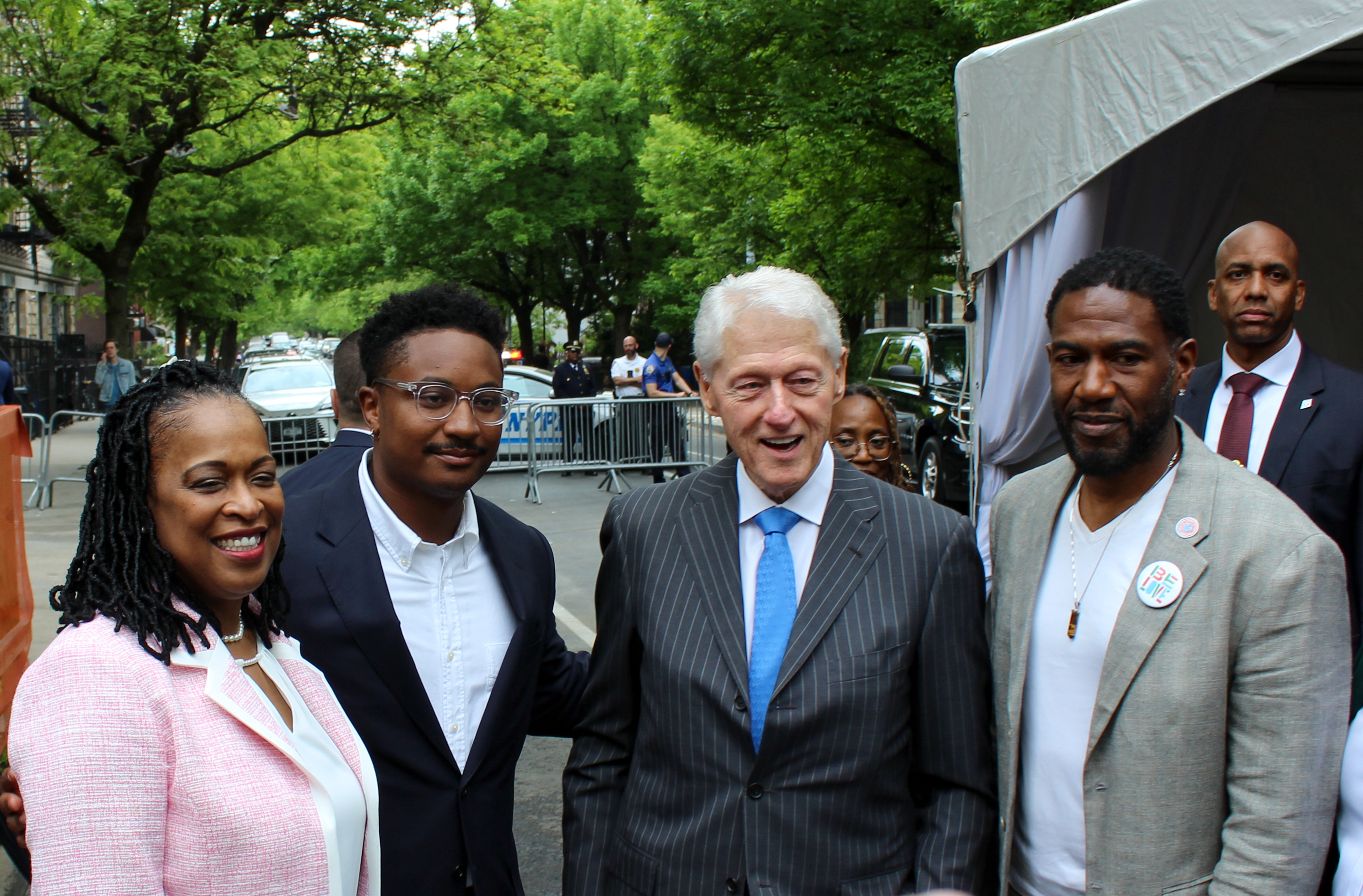
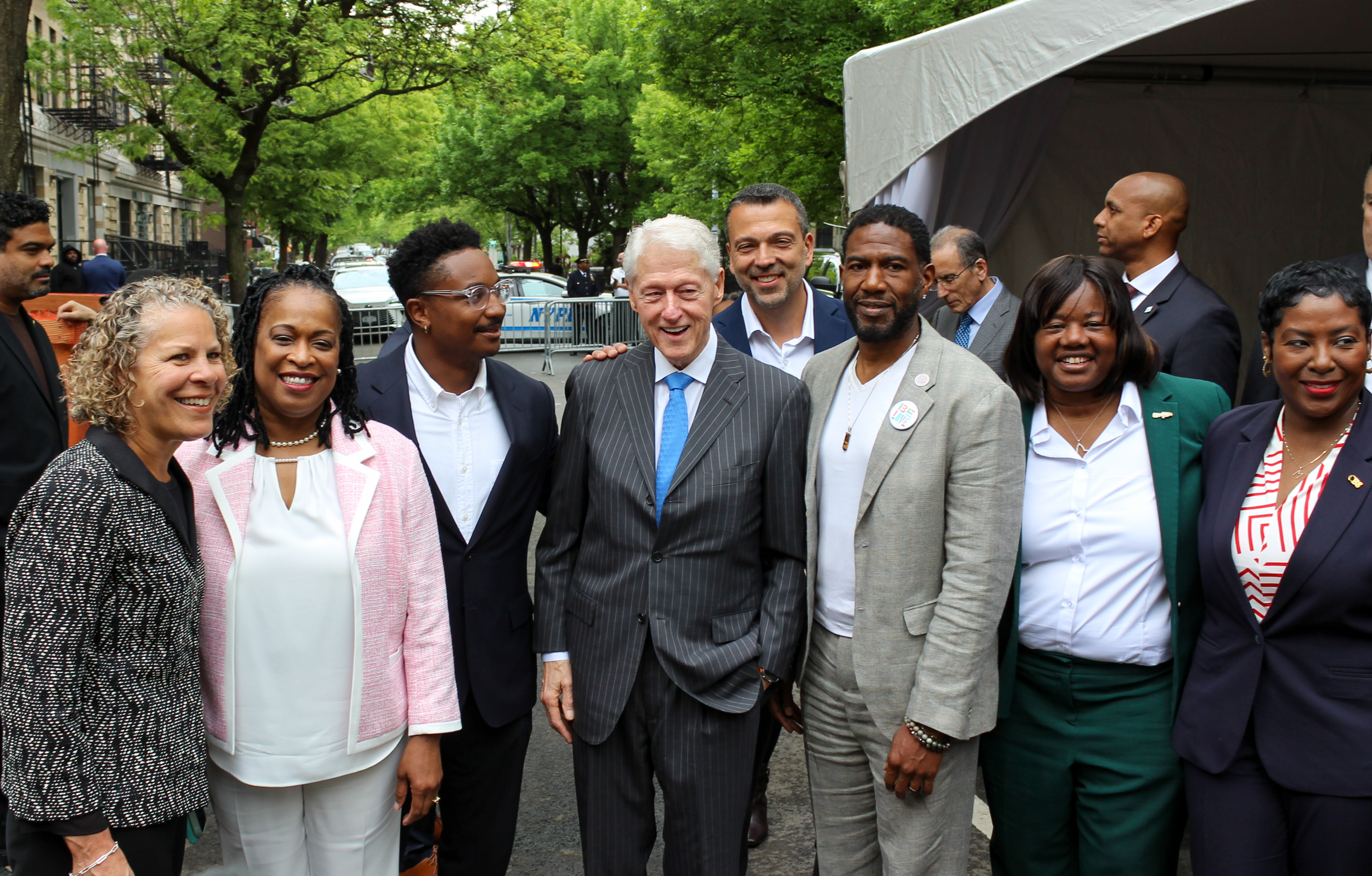
Former President Bill Clinton at the celebration. Photo by Anna Bradley-Smith
Sarah plans to work as a public defender. She has a master’s degree in social work from Columbia University, finished law school, recently passed the bar exam, and is pending admission to the New York state bar. She is also an alumni of Crown Heights addiction treatment program Anchor House. And she can now count former President Bill Clinton as a supporter.
On Wednesday, Sarah, who requested her last name be withheld, shared her story of overcoming addiction with dozens of people, including Clinton, who gathered outside Anchor House’s men’s center at 1041 Bergen Street to celebrate its planned expansion and renovation.”
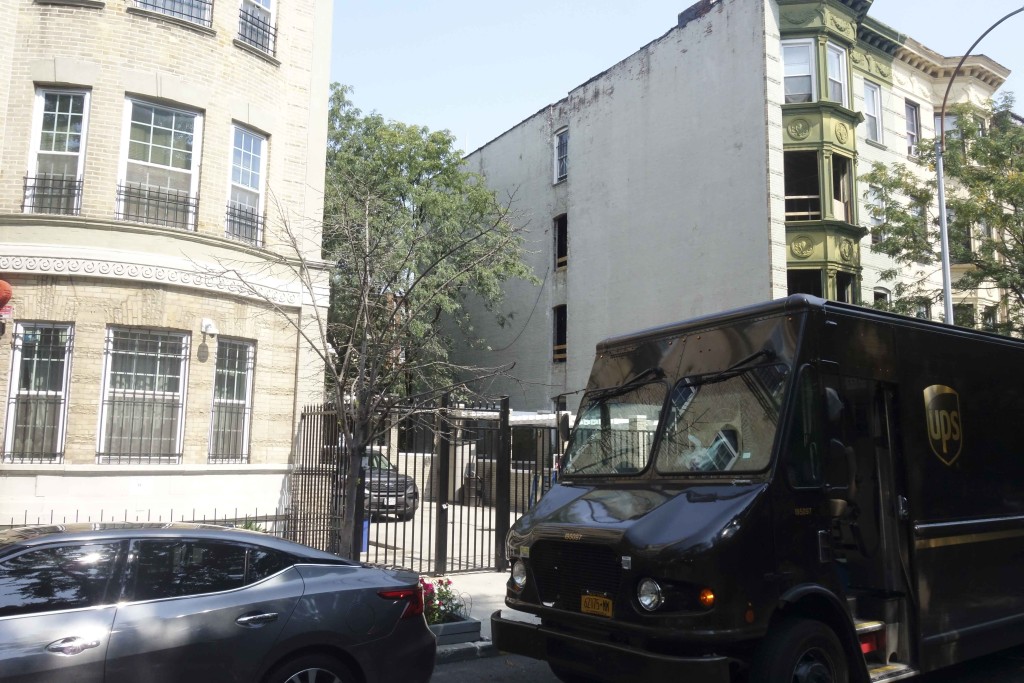
A new building slated to rise on a long-empty lot next door at 1045 Bergen Street will increase the center’s available beds for men from 50 to 70, and expand its range of services. The existing building will also be renovated as part of the project.
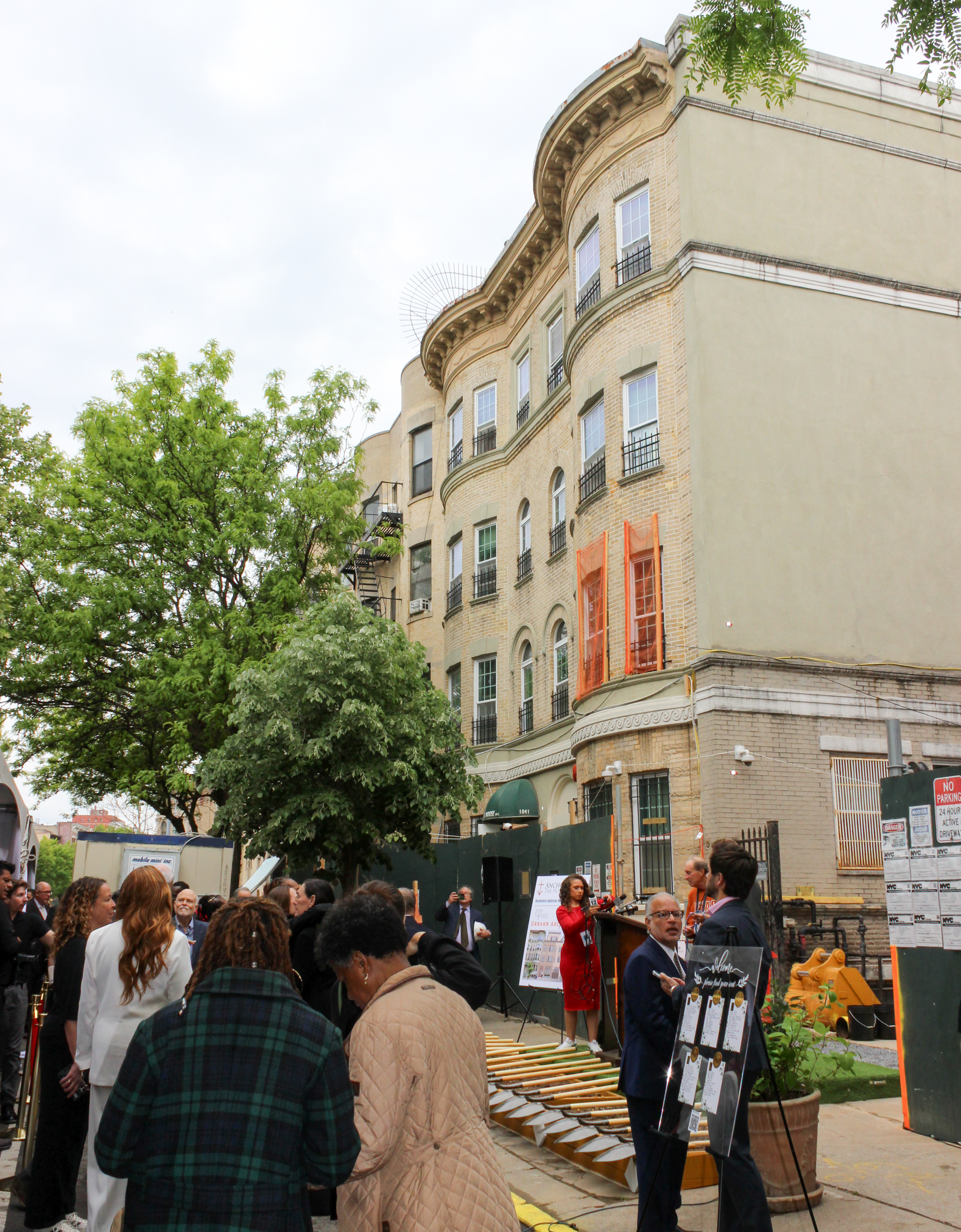
Sarah said she knows firsthand how much the expansion and continued support matters. In 2010, when she was 19 years old, she walked through the doors of Anchor House’s Park Place women’s center. She was addicted to opiates, facing a 12-count indictment for her role in a series of robberies, each carrying a minimum of five years in prison, and said addiction had taken her to the lowest point of her life.
“I didn’t know what to expect when I walked through the doors of Anchor House. I was scared, I was broken, I was hopeless, and I had no relationship with my family and certainly no relationship with God. But what I found here was something that I didn’t expect. I was met with love, with support, and with genuine care,” she said.
Sarah completed the 18-month recovery program in 2011, but her legal case had continued simultaneously. She was sentenced to six months incarceration.
“I served my time, and Anchor House still didn’t leave me. They stood with me in court. They answered the phone when I called from jail, which meant more than I could even put into words, and when I was released, six months later, I returned to Anchor House, not because I had relapsed, but because this was my home, and this was my family.”
Sarah went on from there, with the encouragement of staff, to further her education. She said she wants to work as a defense attorney to help others secure freedom.
“It all started here. And it started with each and every one of you, the staff, the volunteers. This matters and this expansion matters.”
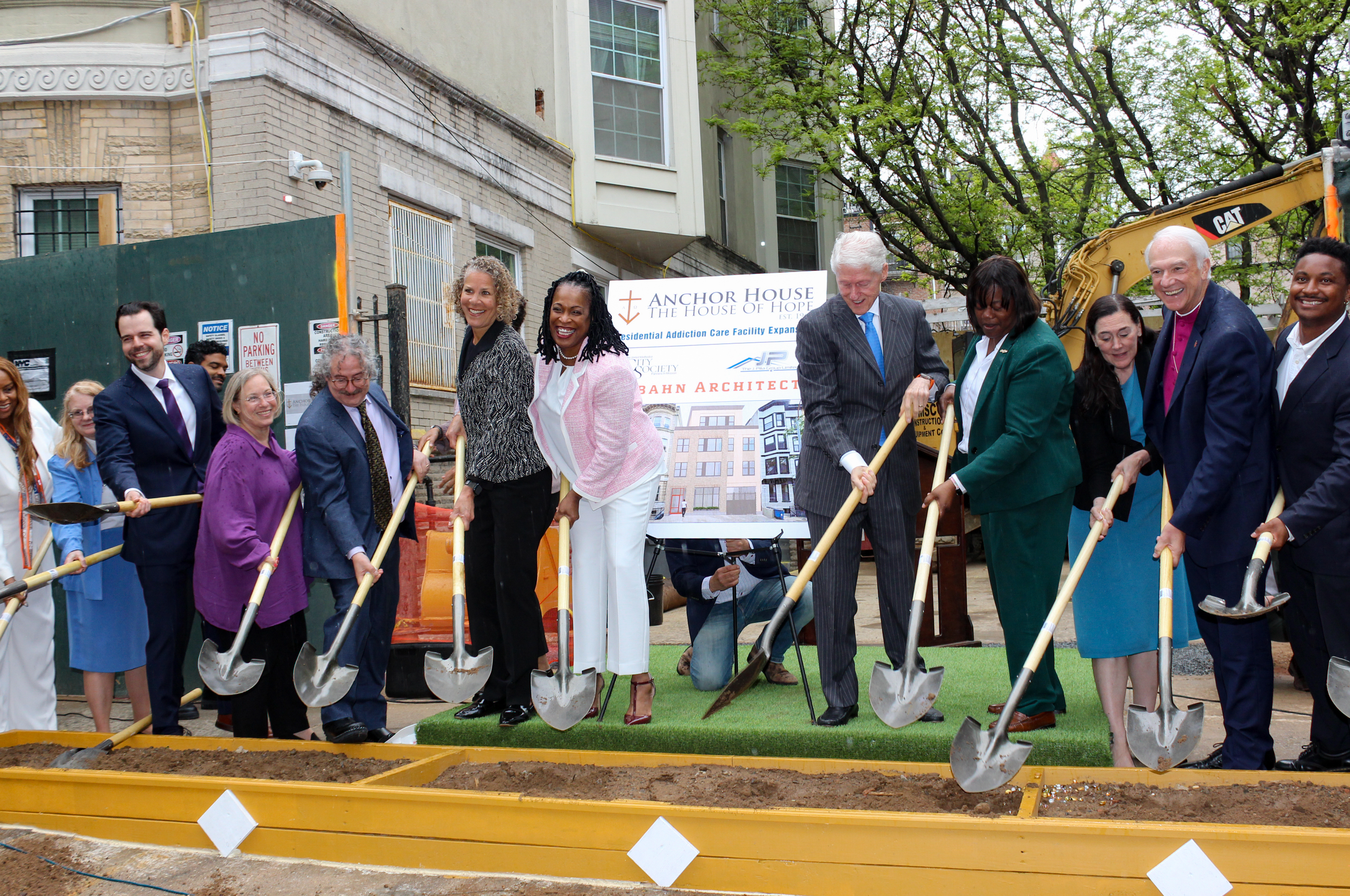
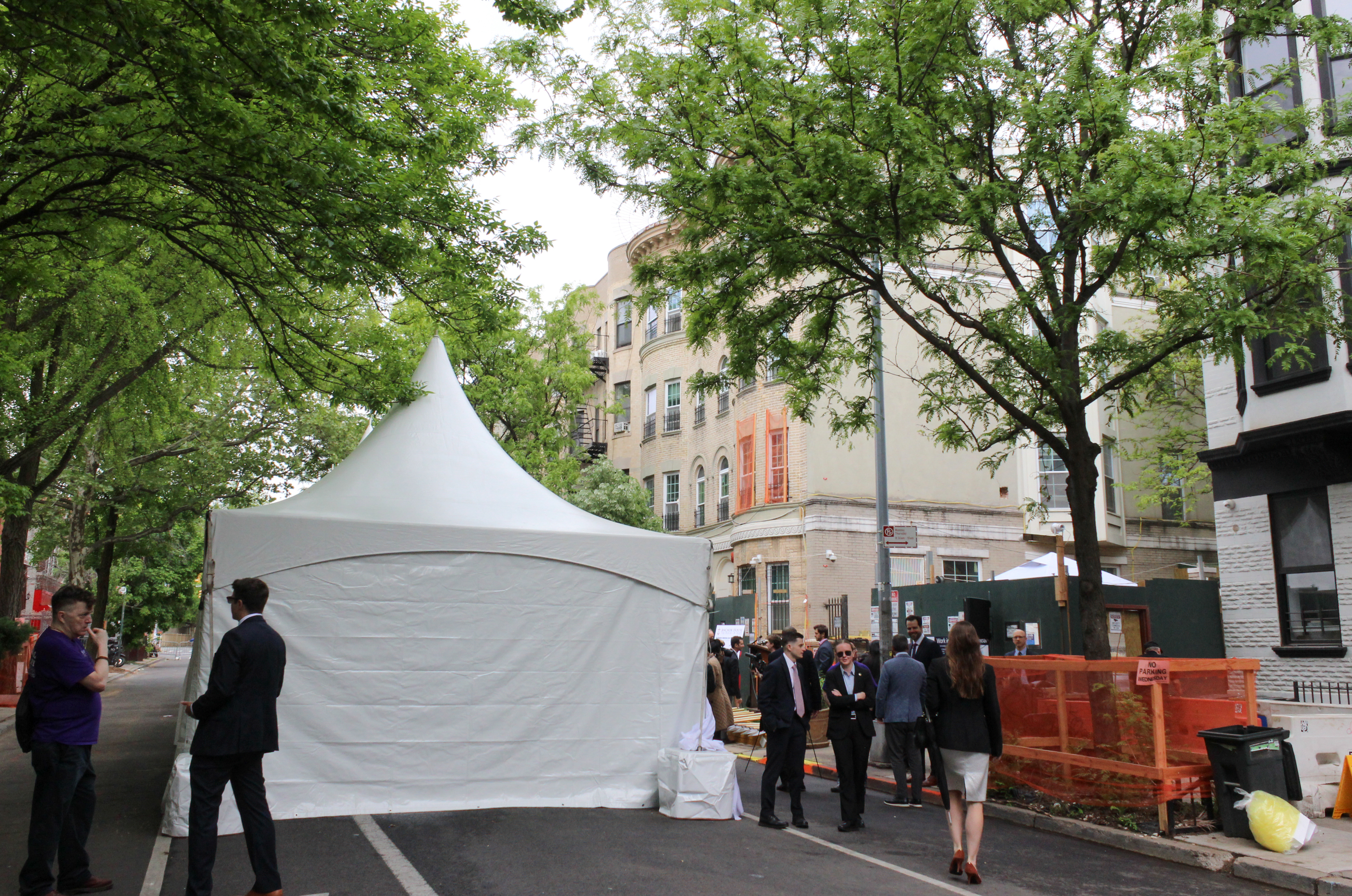
Anchor House has been open in Crown Heights since 1967. Licensed by New York State’s Office of Alcoholism and Substance Abuse Services, Anchor House runs a faith-based residential treatment program that typically lasts 12 to 18 months. The program is run out of its men’s facility at 1041 Bergen Street and its women’s facility at 976 Park Place. OASAS put up the $18 million for the four-story, 20-bed expansion, and gives $1.5 million annually for programming.
When Anchor House opened, then 11-year-old Bill Clinton was growing up miles away in Arkansas. But, as the former president said on Wednesday, that did not mean he escaped the issues plaguing Brooklyn at the time.
“I was very touched when they asked me to come today, because they know the subject is close to my heart,” Clinton said. “I have two generations of serious substance abuse problems in my family, and I would have come here just to hear Sarah speak and tell her story, and we can all go home, because that’s what this is about.”
Several of his friends’ children have died from overdoses, he said, and his brother has long battled addiction. “I have a brother I’m very proud of who was in rehab four times, was in prison 14 months, and was very near death after battling it for 50 years, and just when it seemed that all of our time ran out, he decided he wanted to live. And there were people there who wanted to help him stay alive,” Clinton said.
Now, he added, his brother has a good life managing guest houses and making organic soap back home in Arkansas. “He can tell you, to this day, how many days he’s been sober, and as far as I’m concerned, in many ways, that’s a bigger achievement than anything I ever did.”
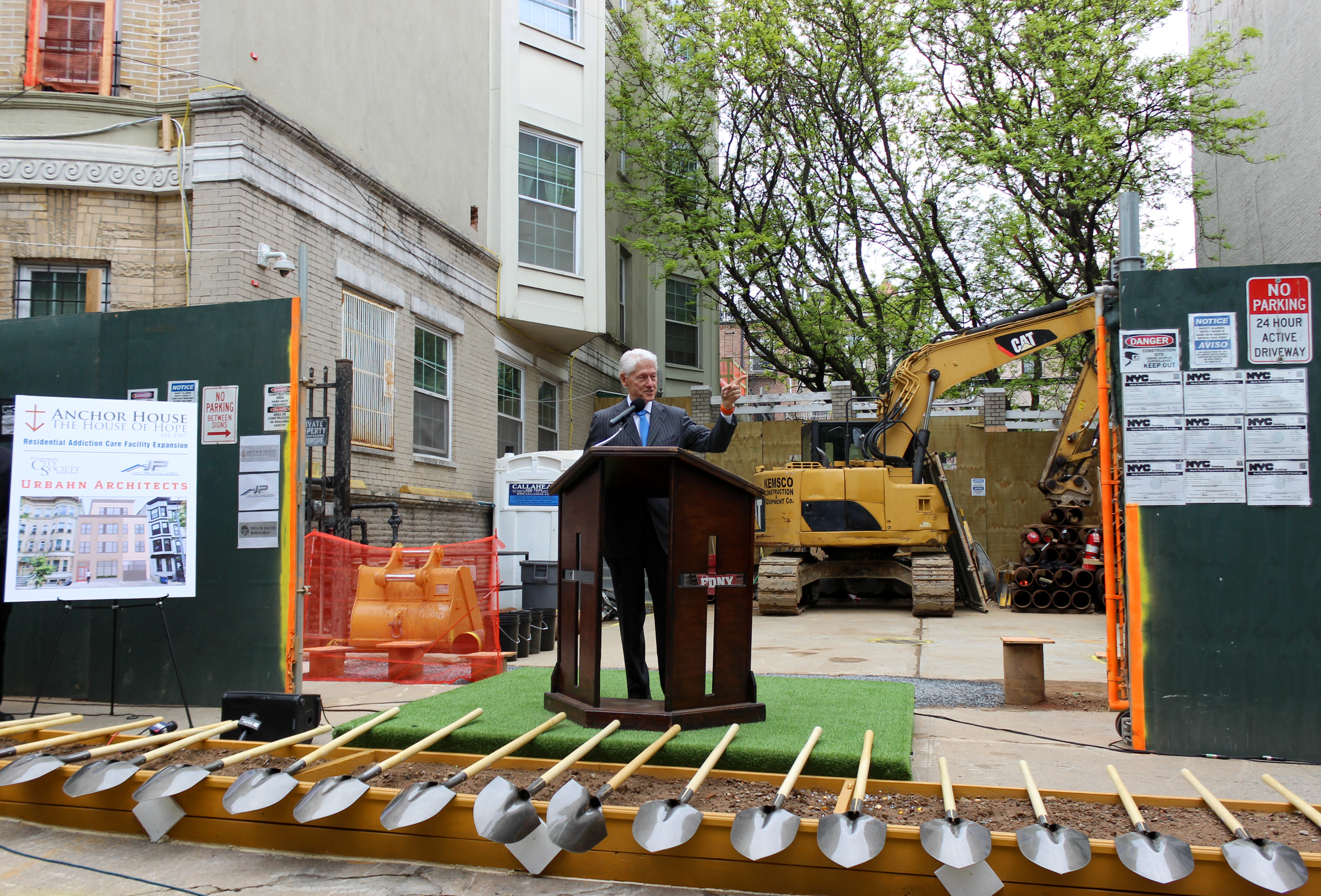
The Clinton Foundation runs an overdose response program that has support across political lines, he said, because there’s “really not much of a partisan difference when human lives break.”
“It seemed to me that we were all sleepwalking through a problem that, yes, it had a political component—I was glad when the peddlers of OxyContin were held to some account—but the truth is that people don’t have to die, but people don’t know that the simplest thing is an orderly, caring, loving response.”
He shared that when asked once why he was still Christian, he said “because I believe in a God of second chances, and I have needed a lot of them, so this is a place of second chances.”
“We should thank the faith community. We should thank the people who are involved in this work. We should thank you, Sarah, for being willing to smile and laugh and tell the truth and not be ashamed.”
Brooklyn pols who joined the celebration all stressed the importance of the recovery treatment center in the neighborhood, and the work that needed to be done to repair Brooklyn neighborhoods hit hard by addiction and the War on Drugs.
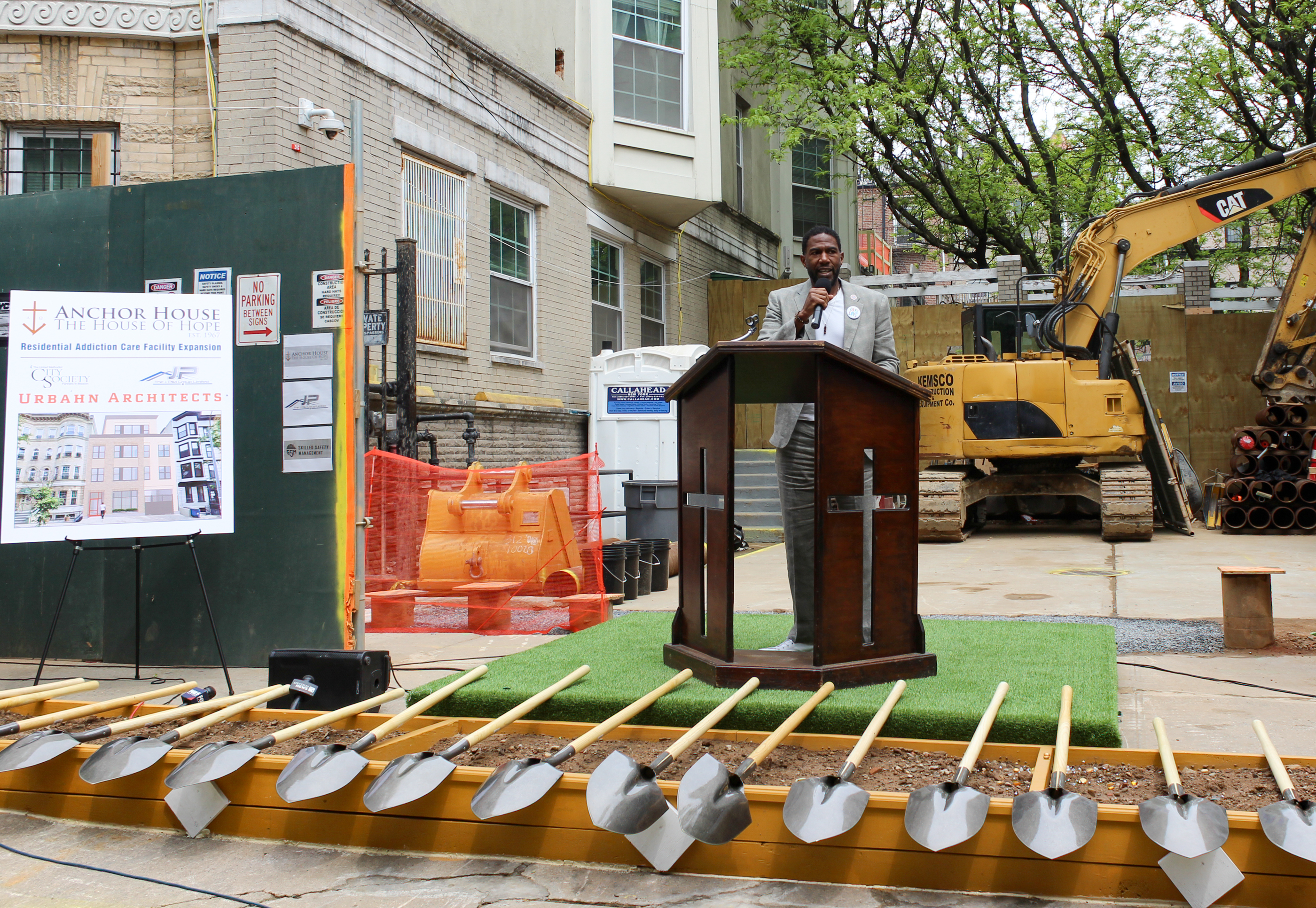
“I’d be remiss if I didn’t point out the difference that I see in how we’re responding to this crisis than when I was growing up, and I have to be clear about that, when the Black community and the brown community was suffering, they were called everything but a child of God,” Public Advocate Jumaane Williams said.
“We saw the opiate crisis hit a different community, and I saw a different response, and I’m sad that the community I’m from could not get that same human response. But the silver lining is it brought some light, and we changed the direction in which we are moving.”
Longterm treatment centers and affordable and supportive housing are key components of treating addiction, he said, adding instead of policing users, we should be investing in services. “We owe it to those who have lost their lives to reduce the harm wrought on our communities by this epidemic.”
The program is deeply personal to Deputy Borough President Kim Council, she said, growing up in a household where her father struggled with substance abuse for most of her life, “but my mother refused to give up on him.”
She reiterated that at the time “our community was criminalized and demonized because of their addiction” and said that since the ’60s Anchor House had established itself as a place that meets Brooklynites where they are, and helps them start a new chapter in their lives.
“We have to embrace our brothers, our sisters, our fathers, and our mothers who are struggling with substance abuse disorder, we must put the days of treating addiction as a crime behind us,” she said. “This is a public health crisis.”
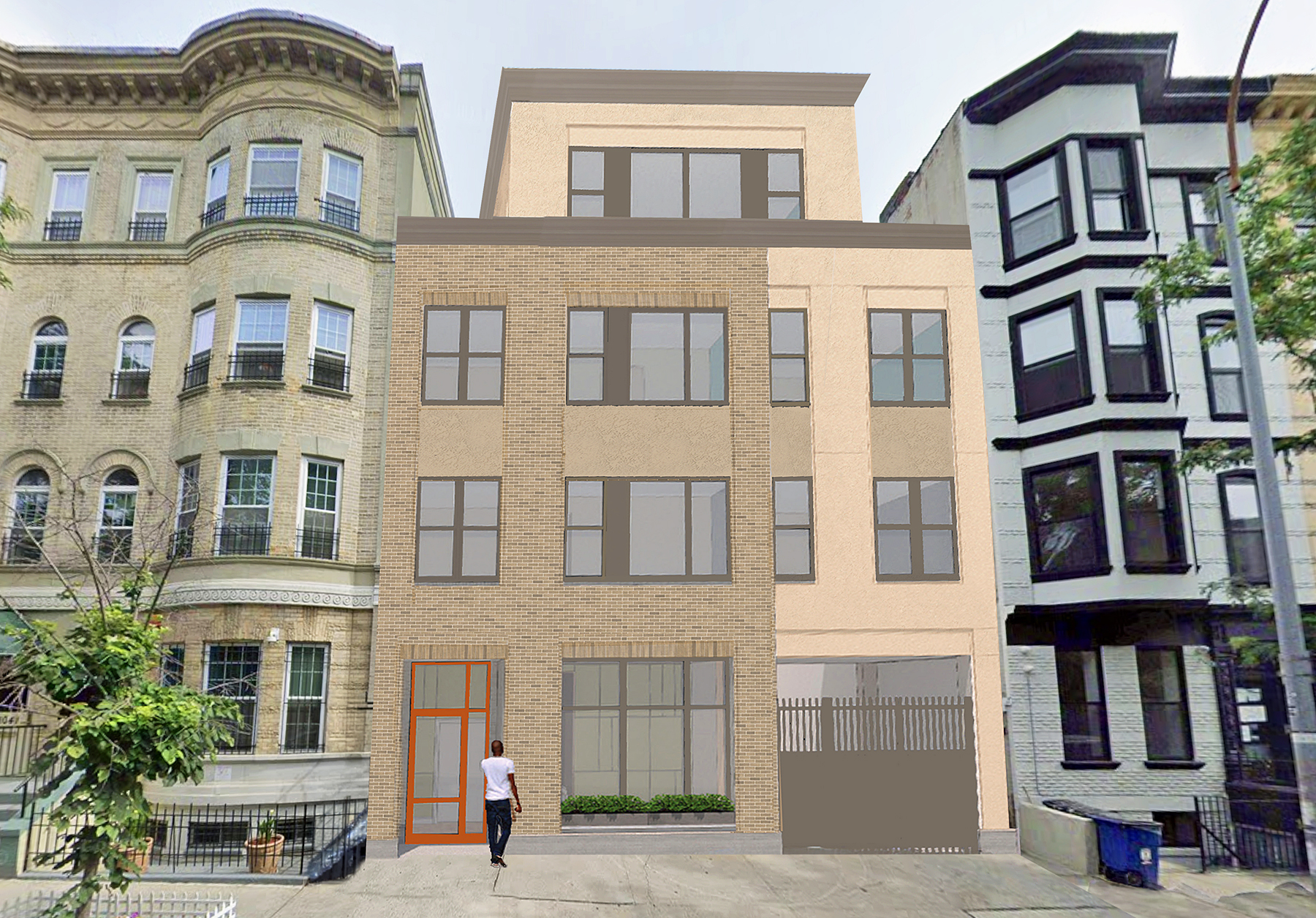
The $18 million expansion was about responding to the reality of the situation, Anchor House Executive Director Alison King said, and securing more beds for men seeking recovery, expanding Anchor House’s programming into outpatient services, and walking with those struggling with addiction “towards stability, reintegration, and long term success.”
“We are building systems that are firm, that recovery is not reserved for few, but it is possible to all,” King said. “This is more than a facility. This is a declaration that addiction will not define this community, recovery is accessible, families can be restored, and that hope will always have the final word.”
Dan Zbarsky of Urbahn Architecture, which is working on the project, said the new four-story building would connect to the existing center through multiple passageways, and would include a range of bedrooms, as well as a group therapy room, consultation rooms, a medical wing, and a backyard that could be used for events while maintaining privacy.
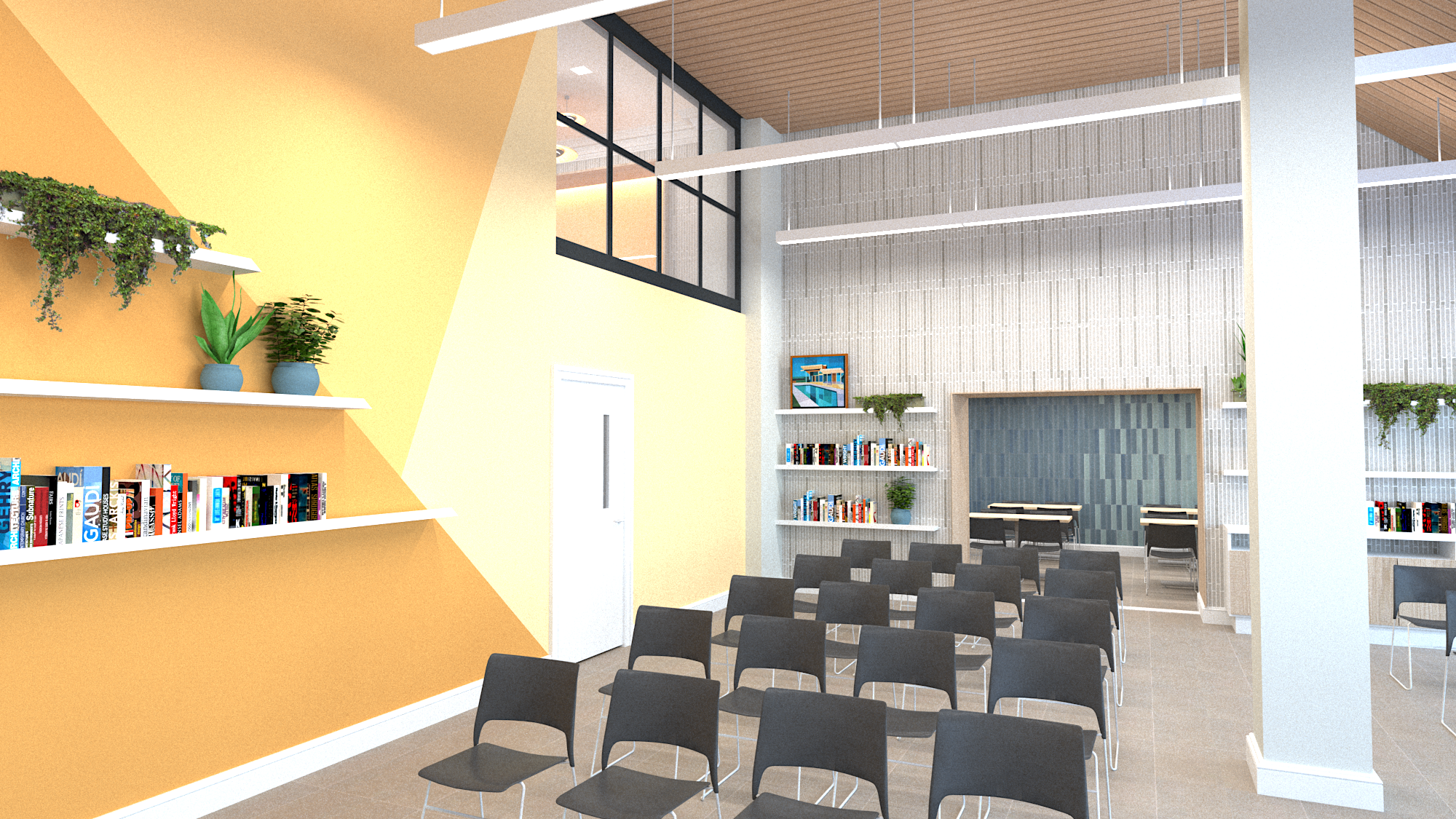
“One of our main mantras throughout our design was keeping up with a residential feel. We didn’t want it to feel like a hospital, we didn’t want it to feel like an institution. We wanted all the residents to feel comfortable and safe, and really push the sense of community and warmth,” he said.
He said while the facade will be finished with modern materials, the team tried to match the character of the historic block.
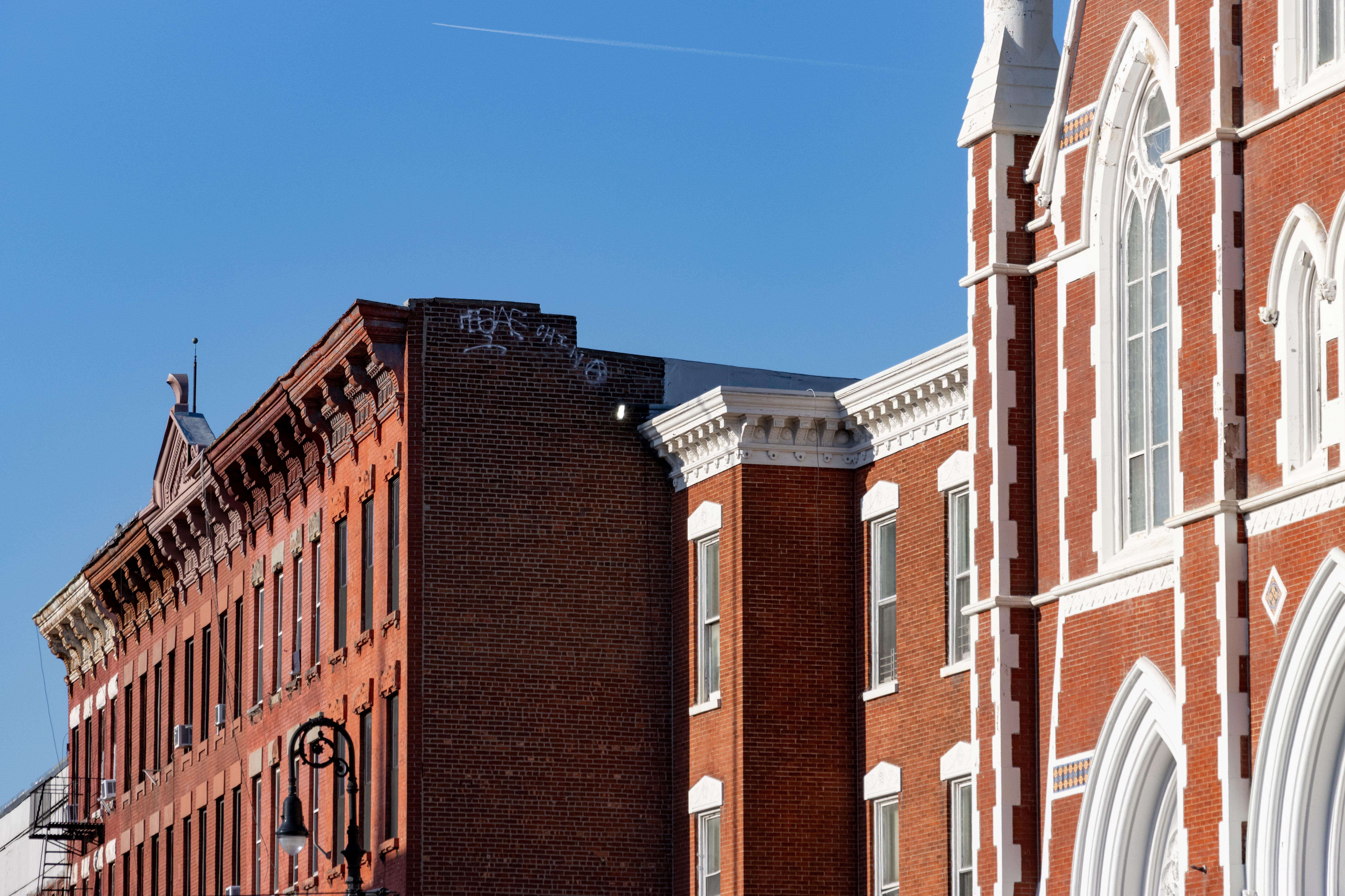
A rendering shows the new building will be a similar size and beige color as the neighboring treatment center, which like other buildings on the stretch was built circa 1900 as a multi-family apartment building. Finished in brick and stucco, the new building will rise four stories and have a more boxy, modern look with wide windows and a gate for vehicles.
Old tax photos show the lot has been empty at least since the 1980s, and originally held another light-colored multi-family building that was already boarded up by the time of the circa 1940 tax photo. More recently, the lot has been used for parking.
The new-building permit for the development was issued in July 2025, city records show. While the celebration Wednesday was touted as a groundbreaking and there is an excavator and materials on site, foundation work has not yet begun. Zbarsky said the project would be done in phases, starting with the new building before the renovation of the existing building, and would take several years to complete.
[Photos by Anna Bradley-Smith unless noted otherwise]
Related Stories
- Drug Rehab Center Plans to Relocate From Flatbush to Atlantic
- Hospital-Replacing Nursing Home in Crown Heights Has New Renderings, Finally Moving Forward
- Crown Heights Salvage Haul Explained
Email tips@brownstoner.com with further comments, questions or tips. Follow Brownstoner on Twitter and Instagram, and like us on Facebook.
What's Your Take? Leave a Comment