
Live Your Gilded Age Dreams in This Kingston Manse, Yours for $2.25 Million
The Queen Anne dwelling, built for George and Emma Coykendall, is filled with lush details.

Photo via Four Seasons Sotheby’s International Realty
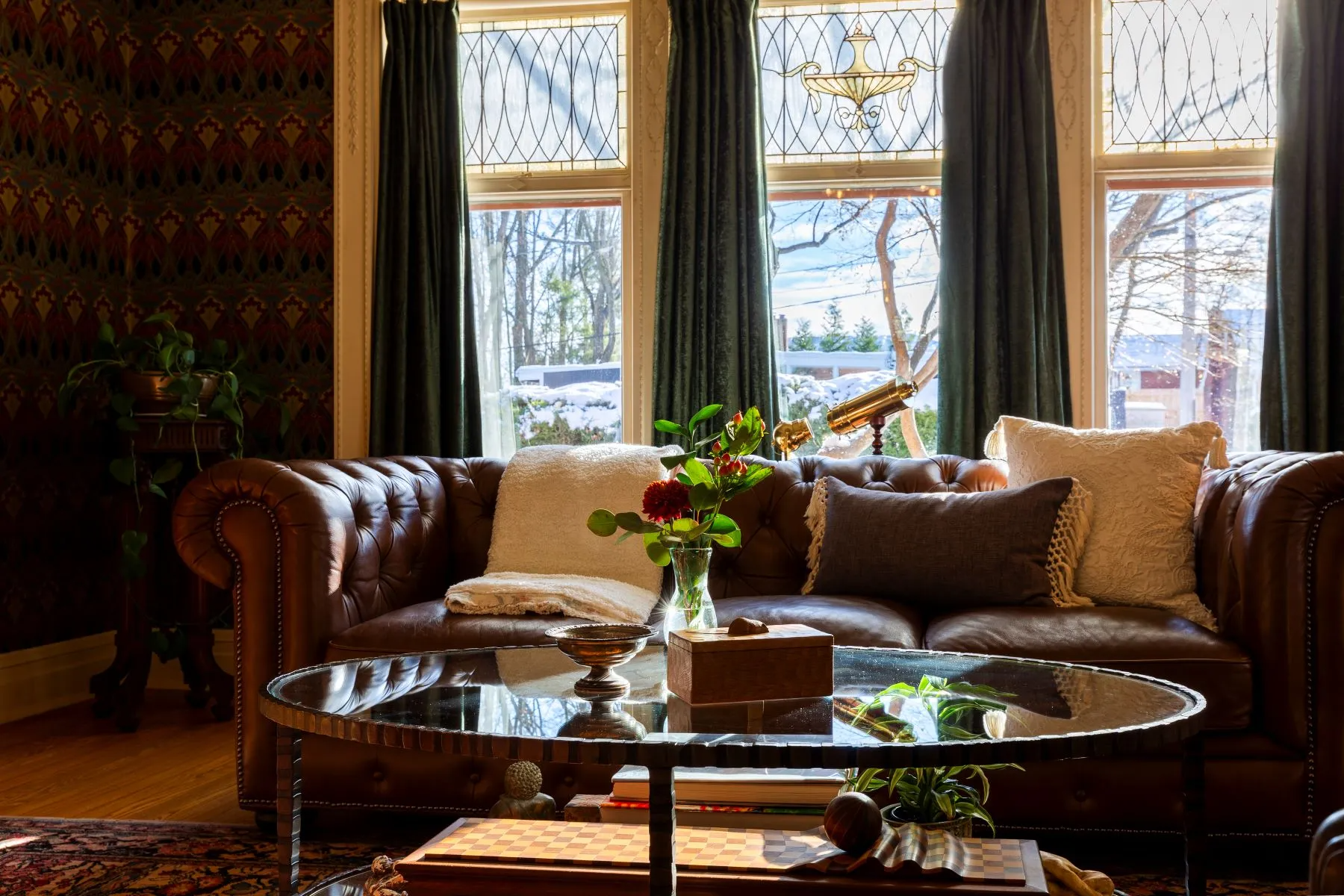
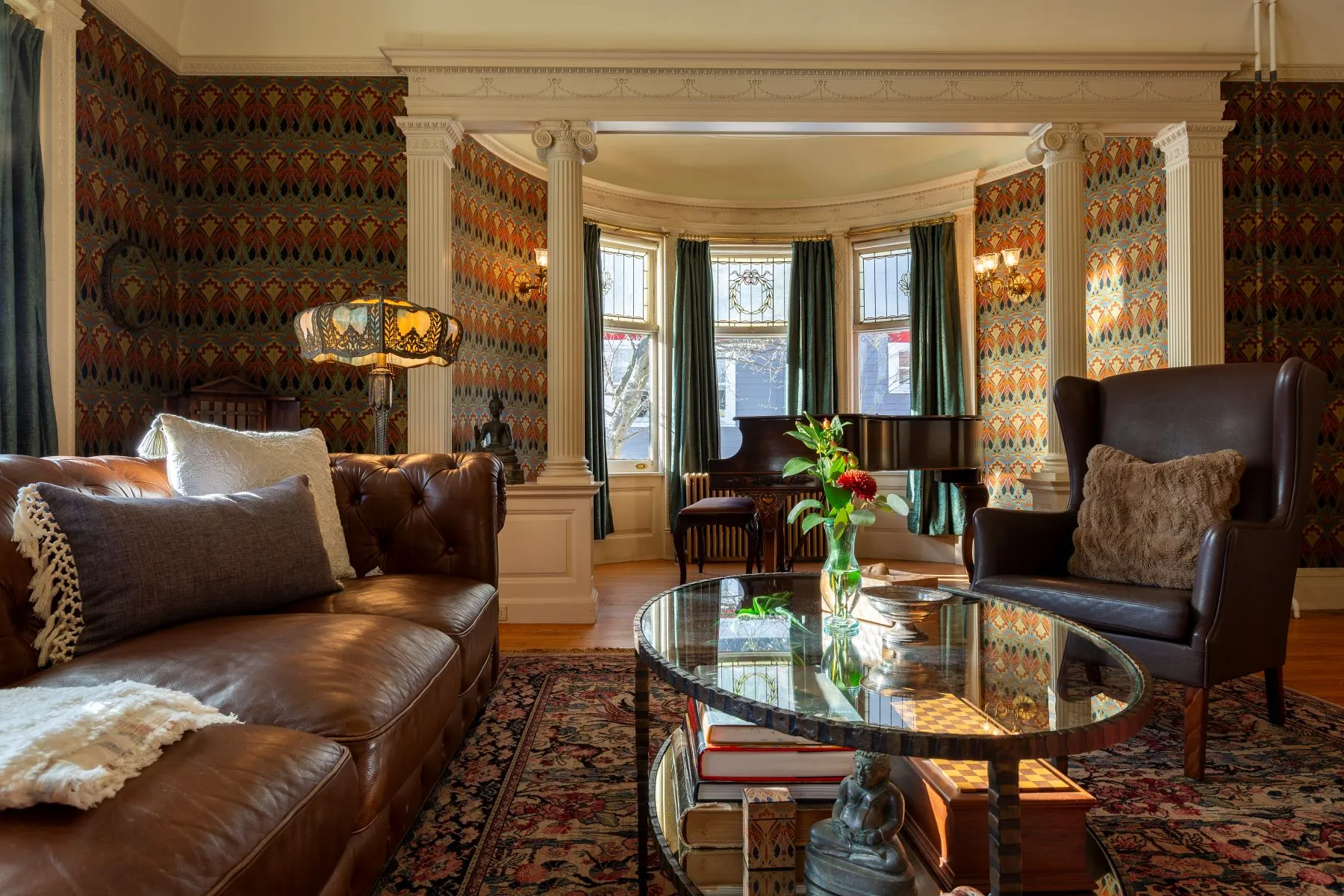
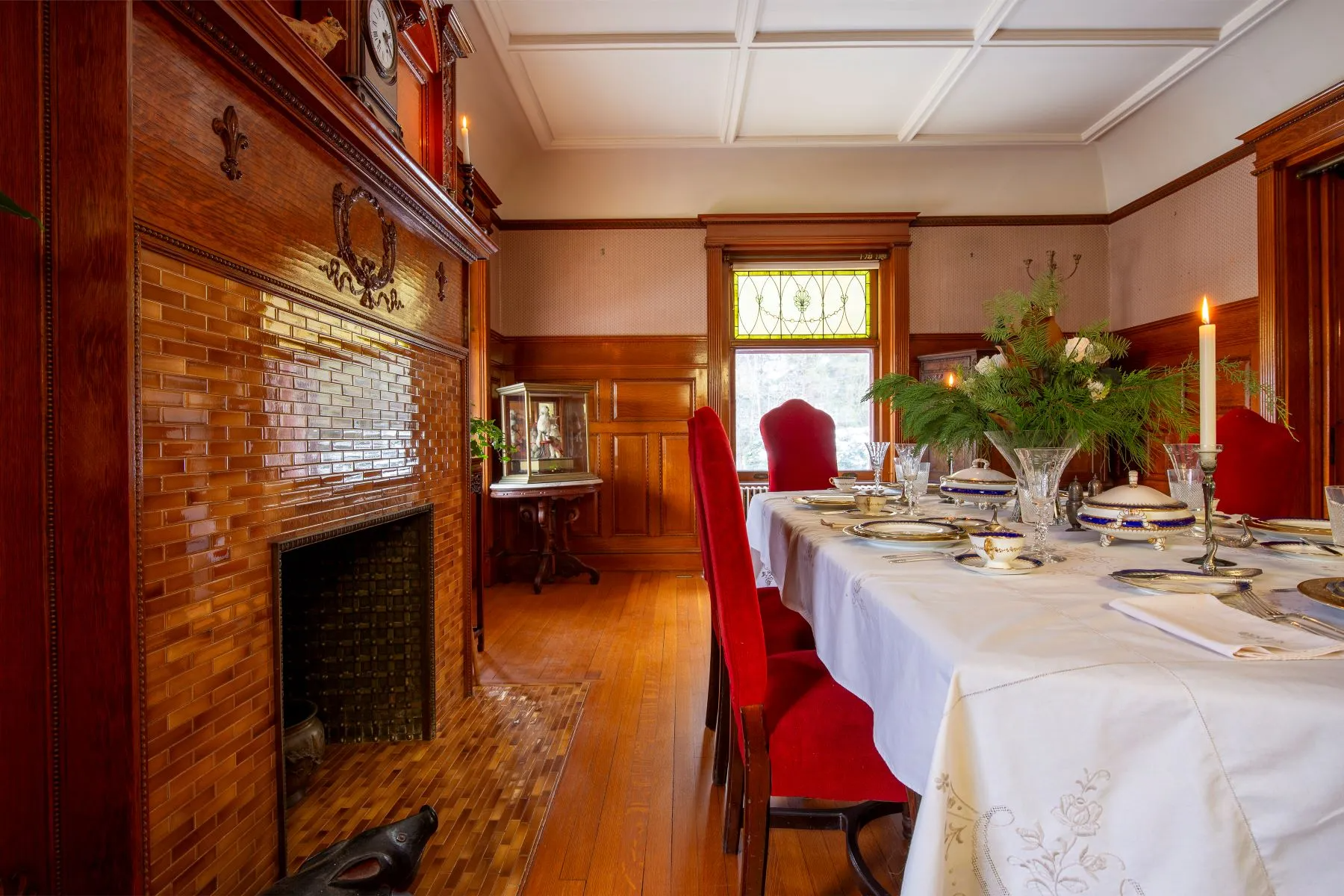
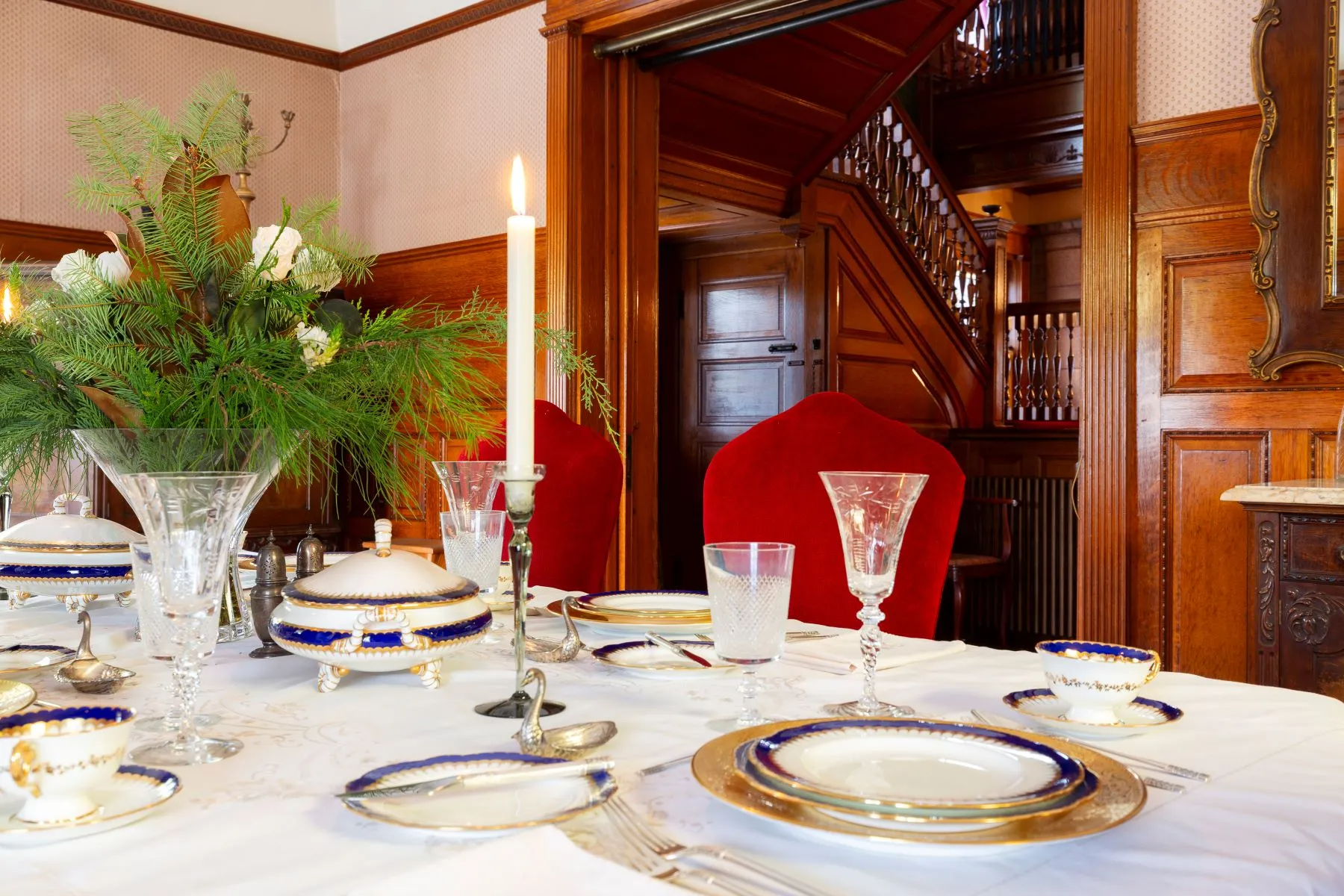
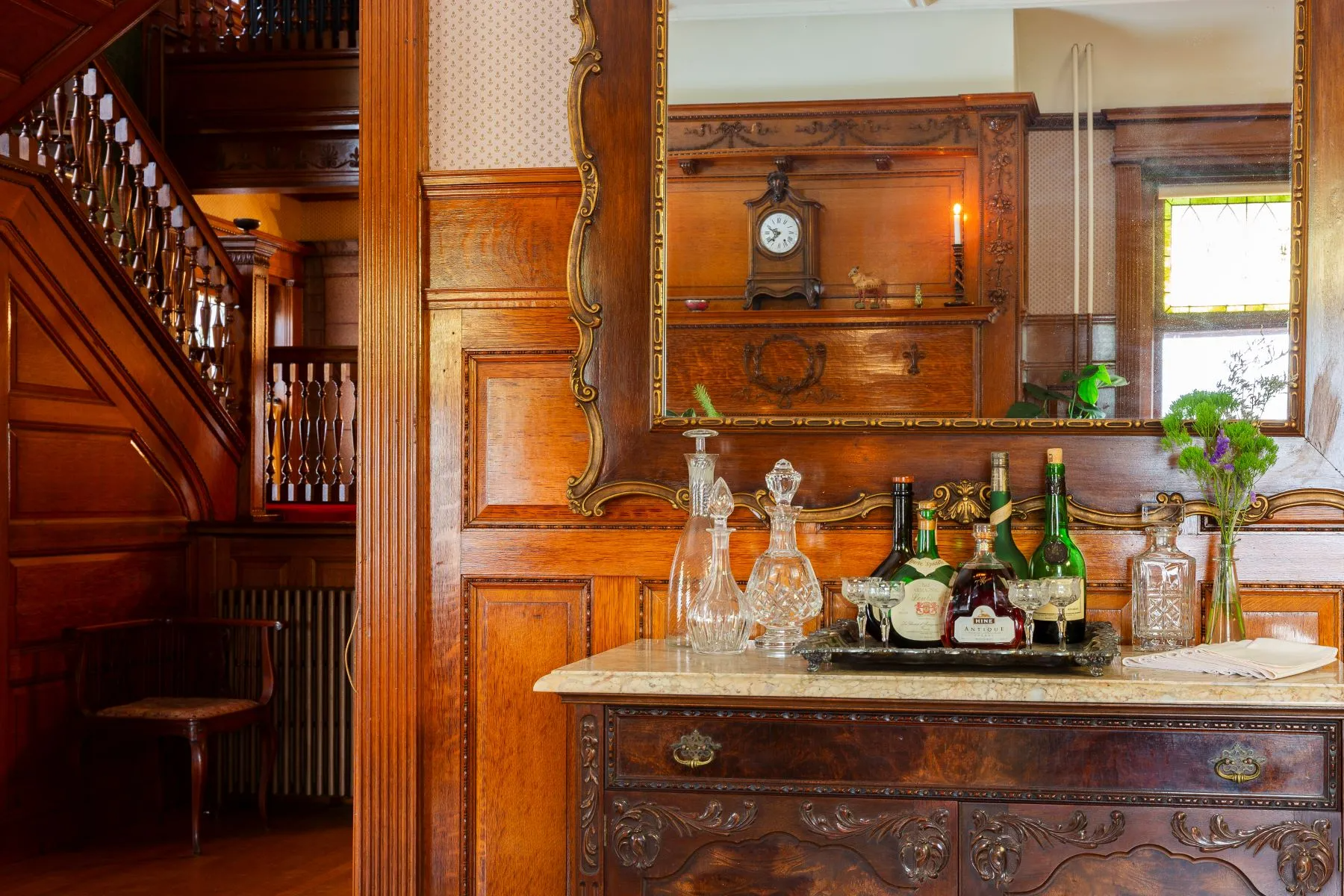
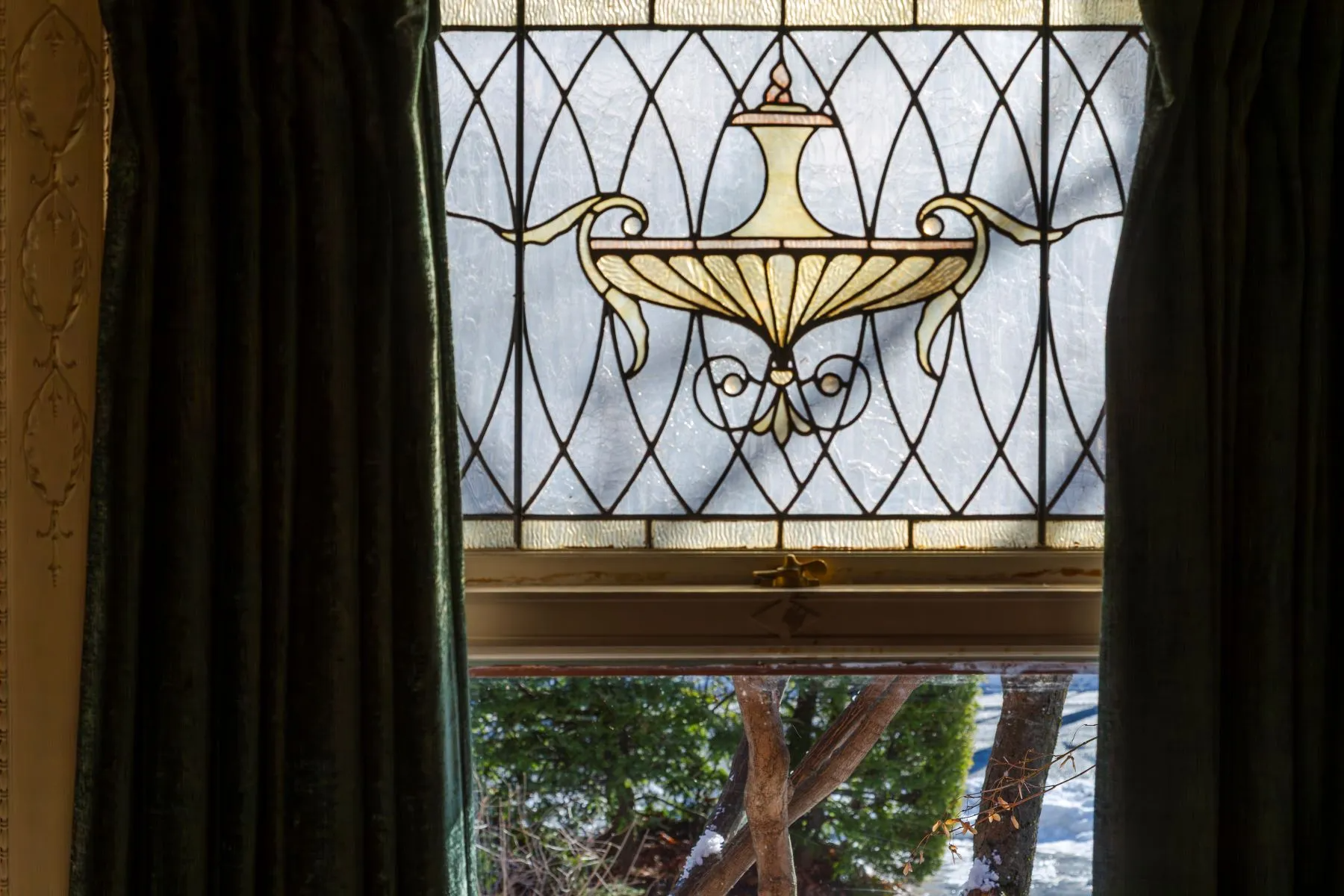
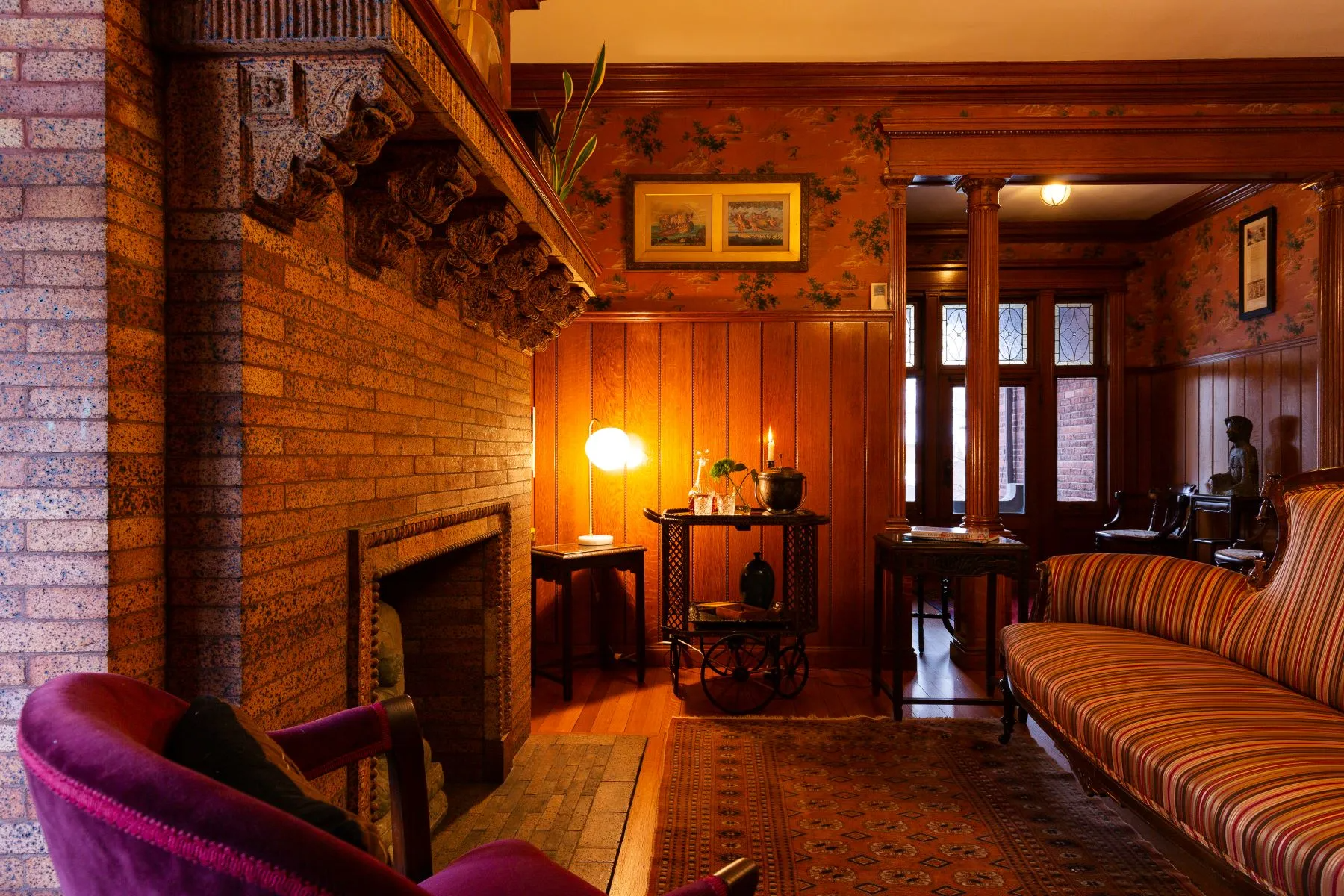
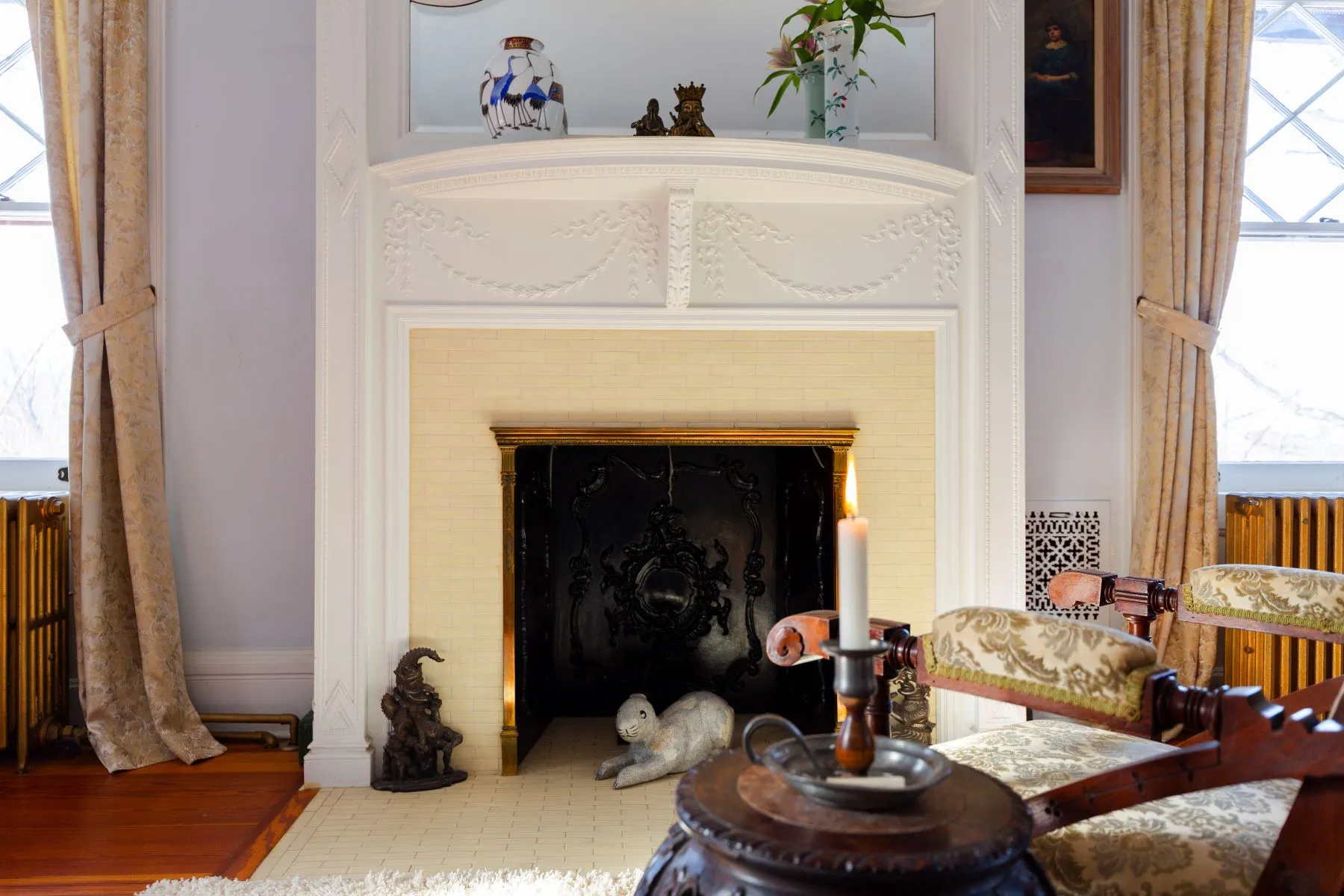
Gleaming woodwork, cozy window seats, and shimmering stained glass windows contribute to the lush Gilded Age atmosphere inside this 1890s Queen Anne in Kingston. All those details do come at a price, but the interior looks lovingly cared for with restored original elements and period sympathetic updates.
The dwelling on the market at 77 West Chestnut Street is within the Chestnut Street National Register Historic District, which includes substantial dwellings originally constructed for the influential and affluent of Kingston.
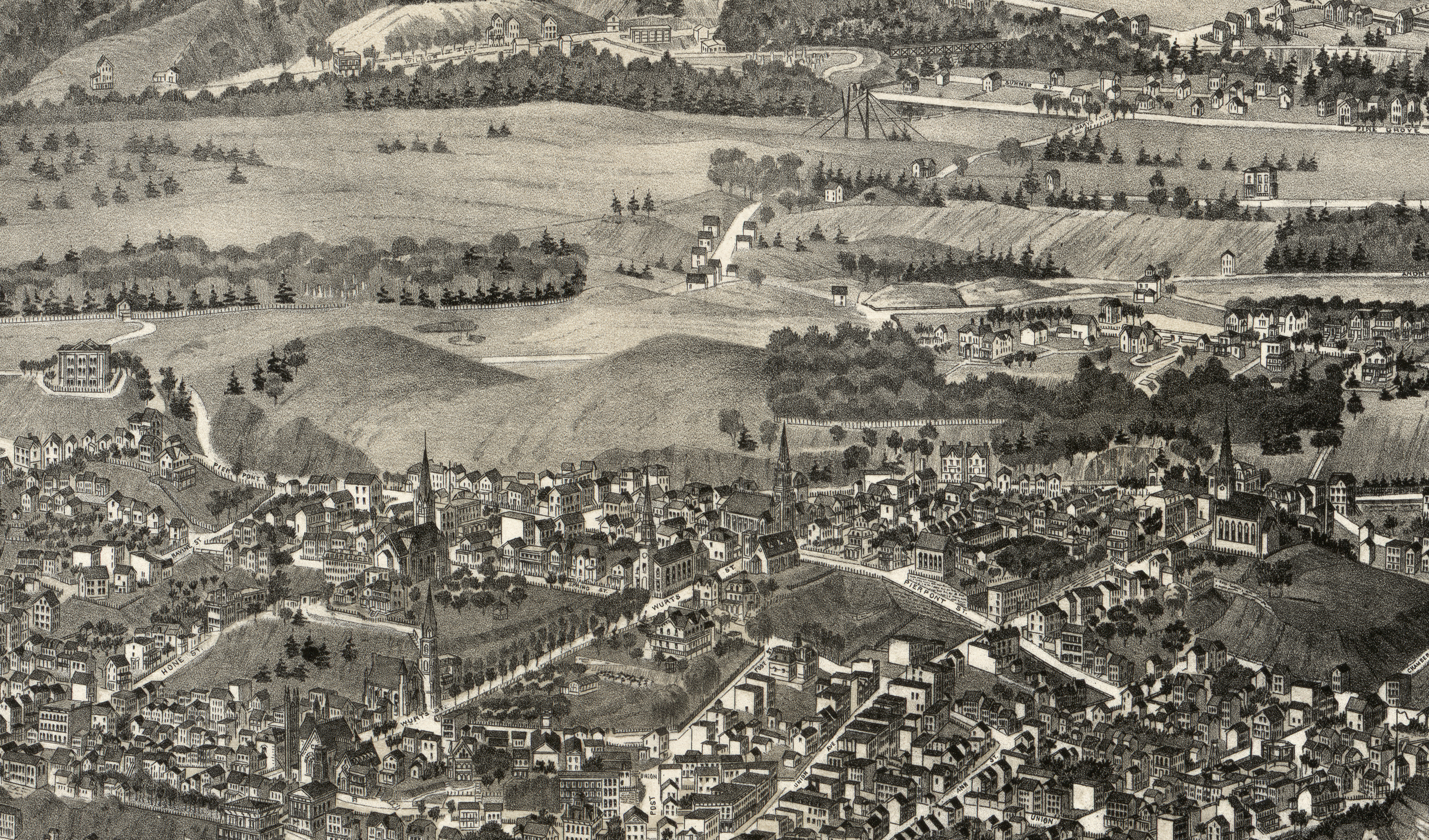
A bird’s-eye view of Kingston published in the 1870s shows the area as rolling hills overlooking the more developed Rondout neighborhood. While some houses were built in the 1850s, according to the nomination report, it wasn’t until later in the 19th century that the land was subdivided and grand homes were constructed on Chestnut Street.
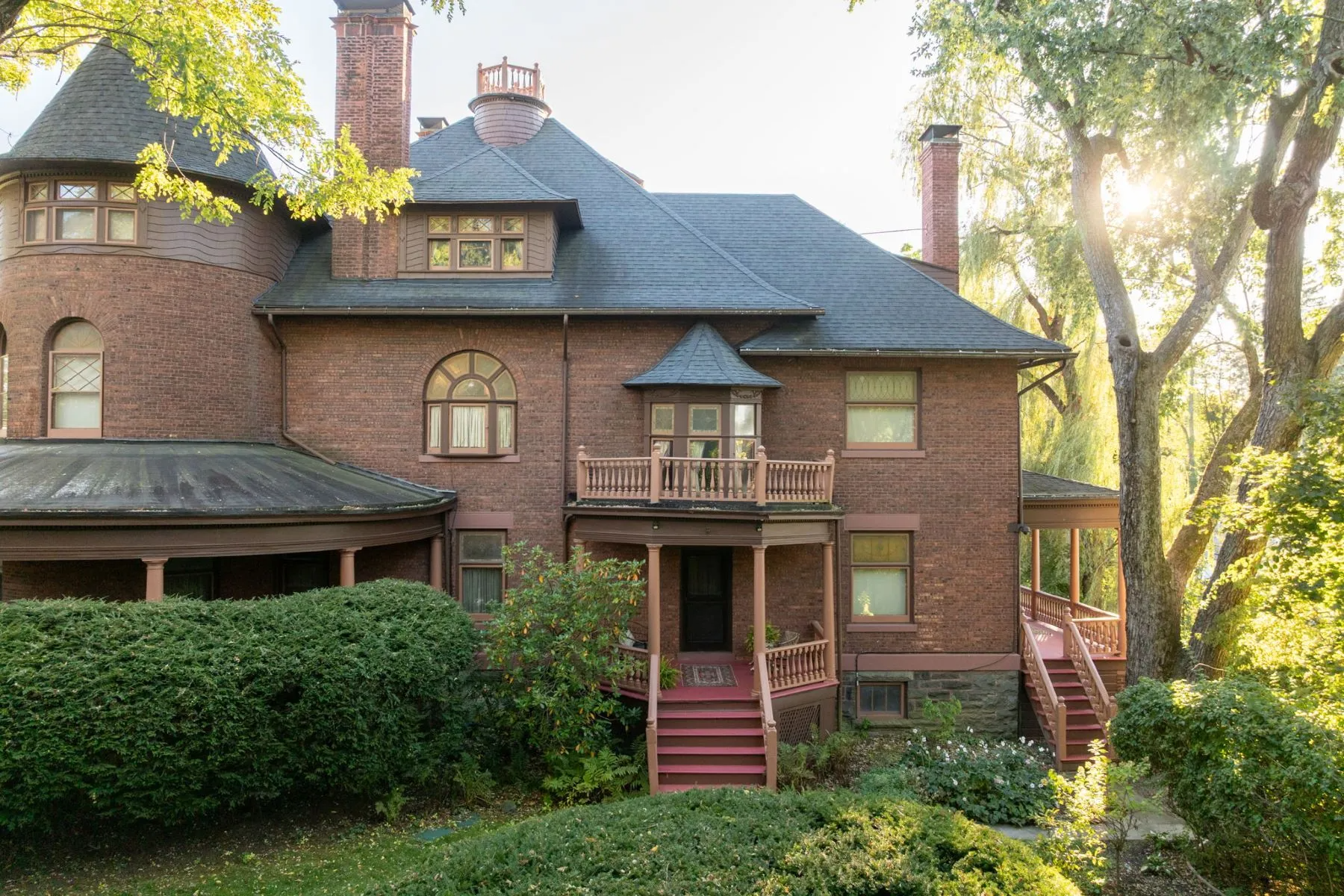
No. 77 was constructed in 1895 for railroad man George Coykendall and wife, Emma Loudon Coykendall. Deeds indicate that George acquired land on Chestnut Street in 1894, and by the city directory of 1896 his home address is recorded as 77 West Chestnut Street. The 1895 construction date seems to be confirmed by a 1959 reprint of a blurb from a March 1895 issue of the Kingston Argus, which notes that George Coykendall was fixing up property on Chestnut Street and “intends to erect a handsome residence.”
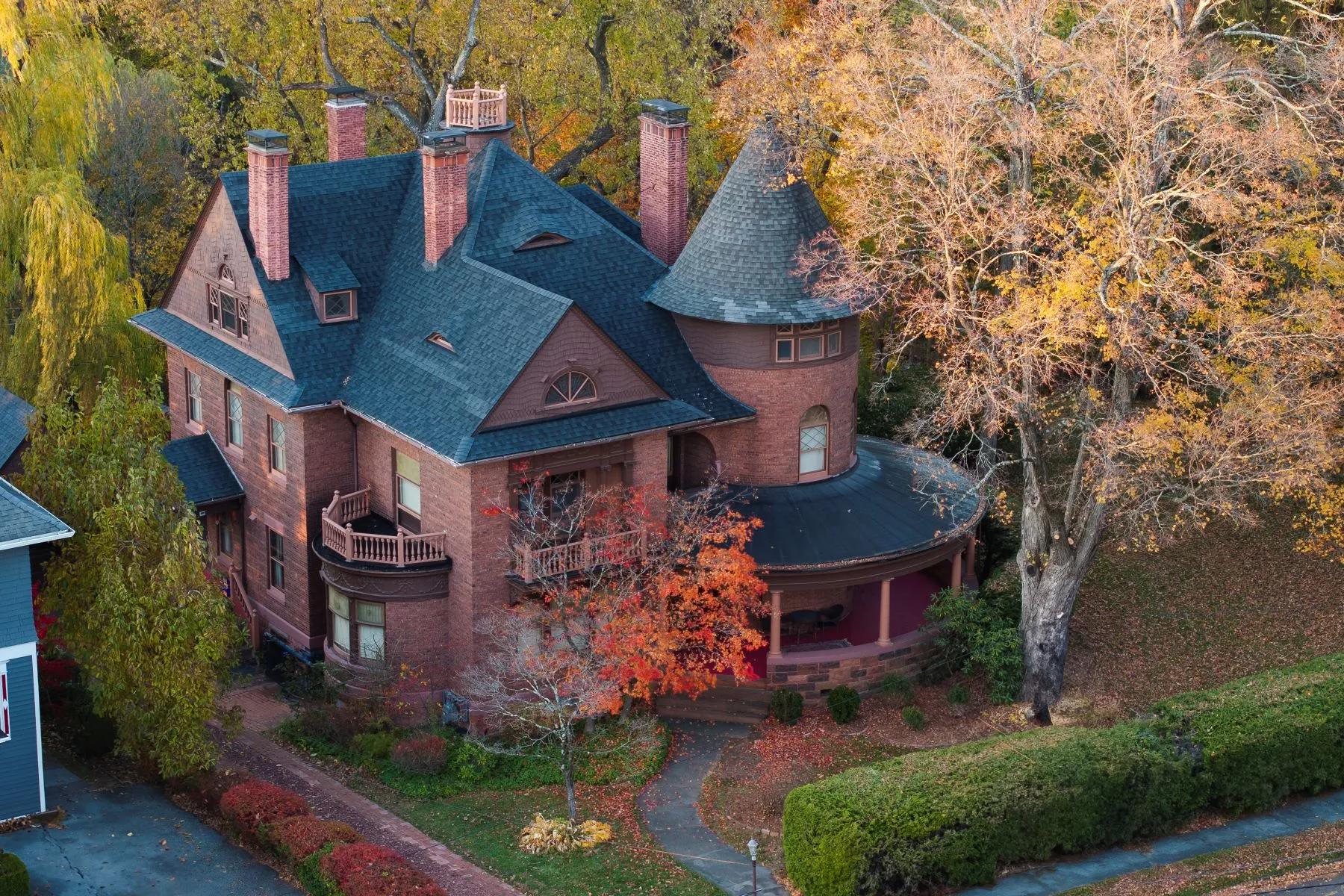
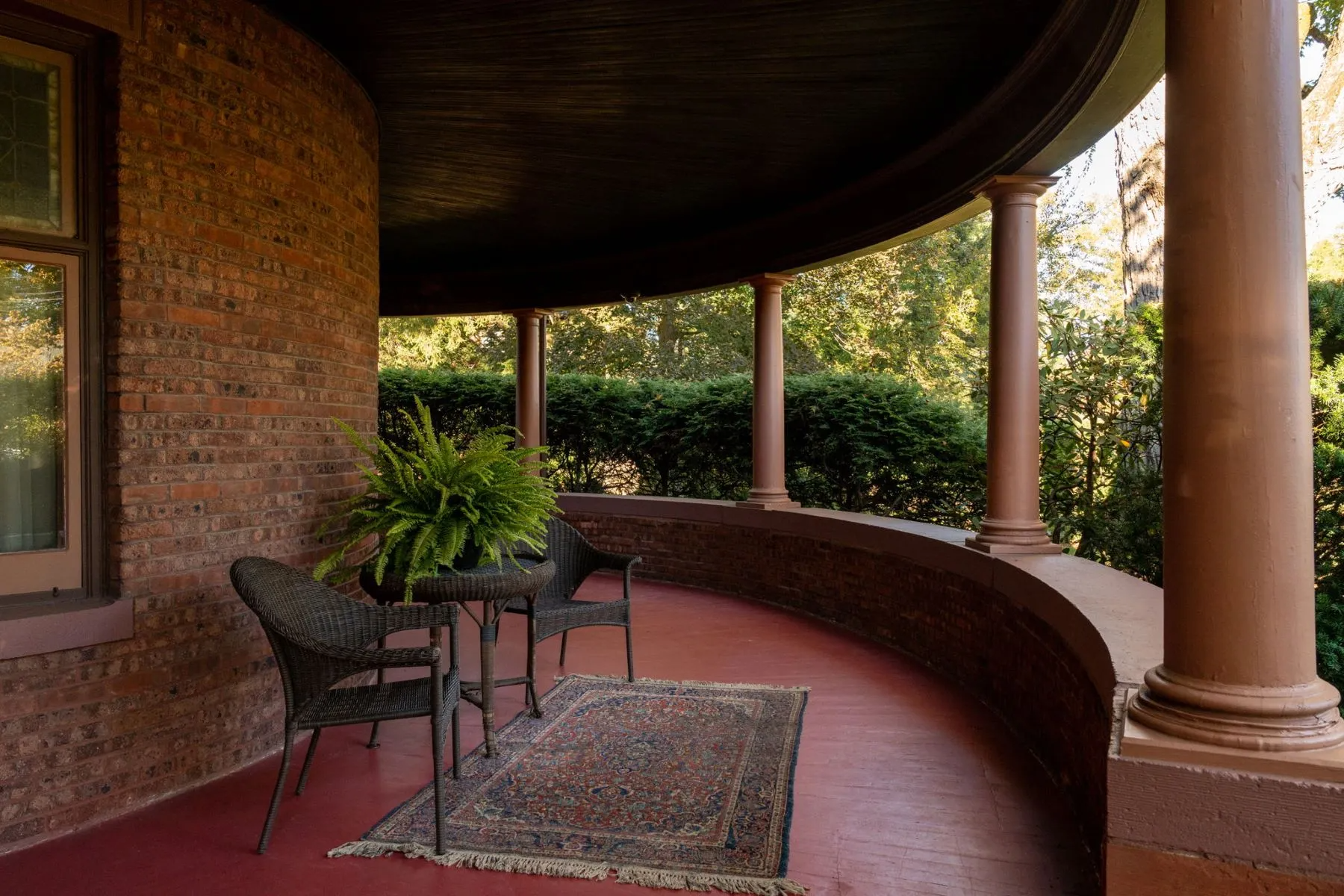
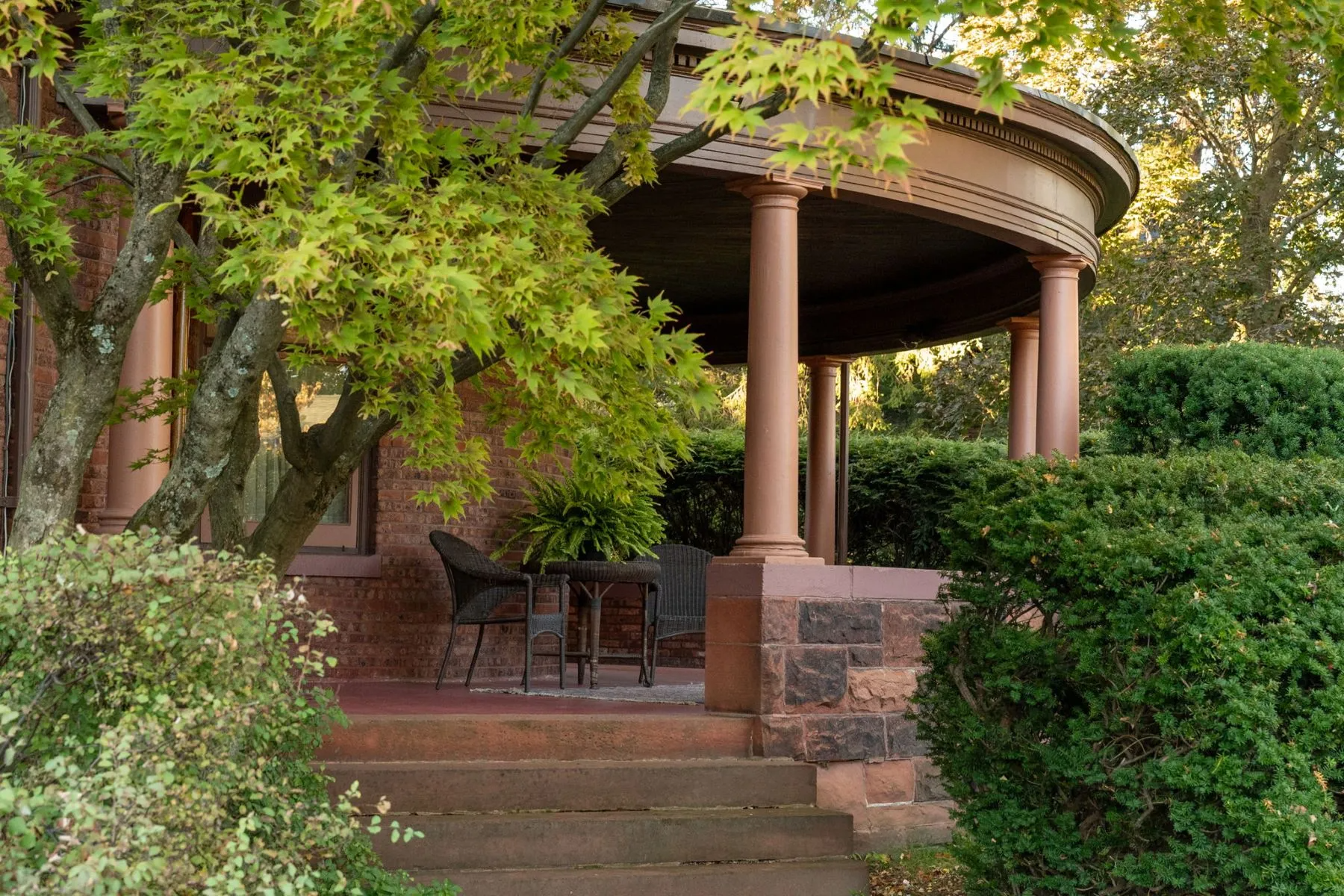
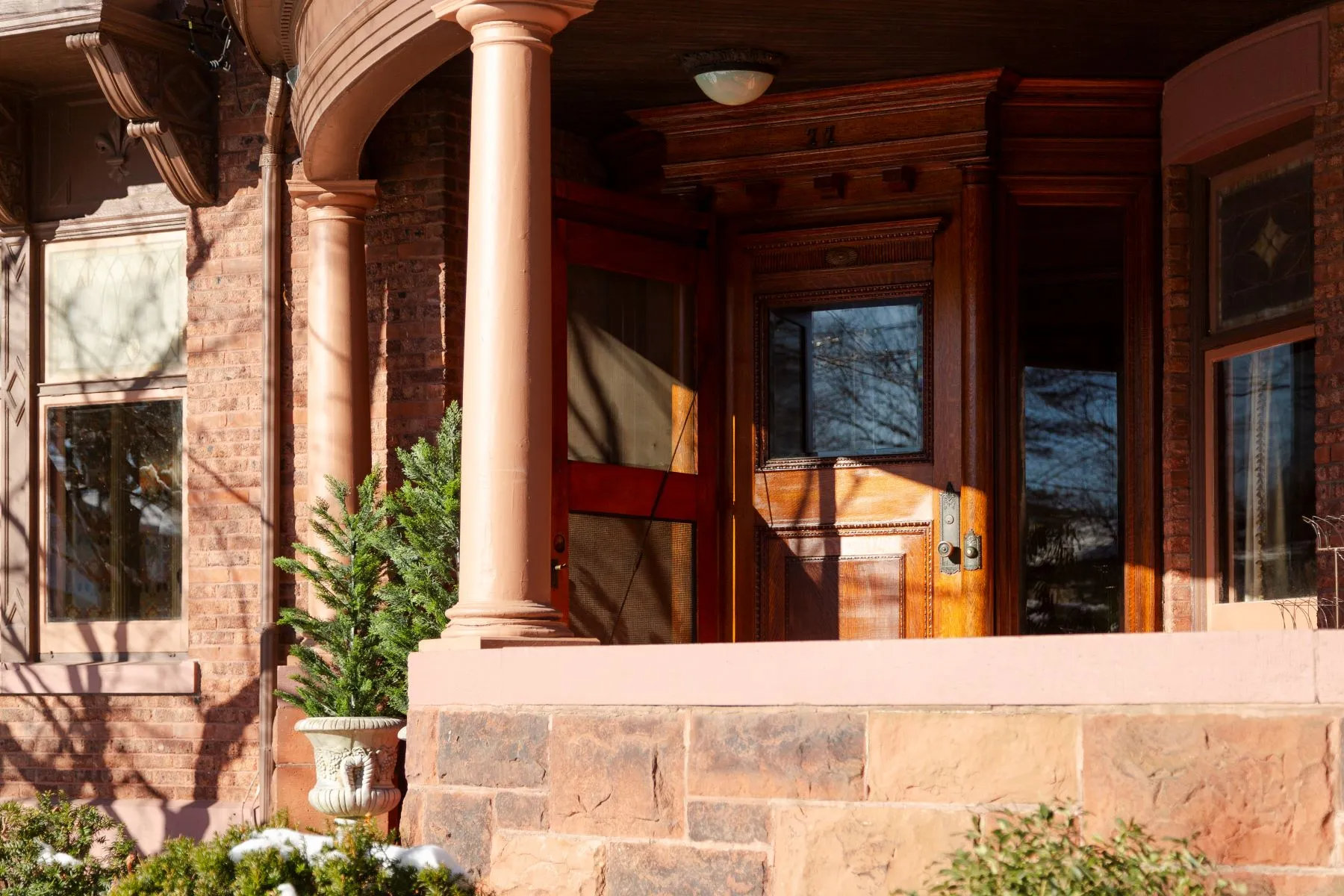
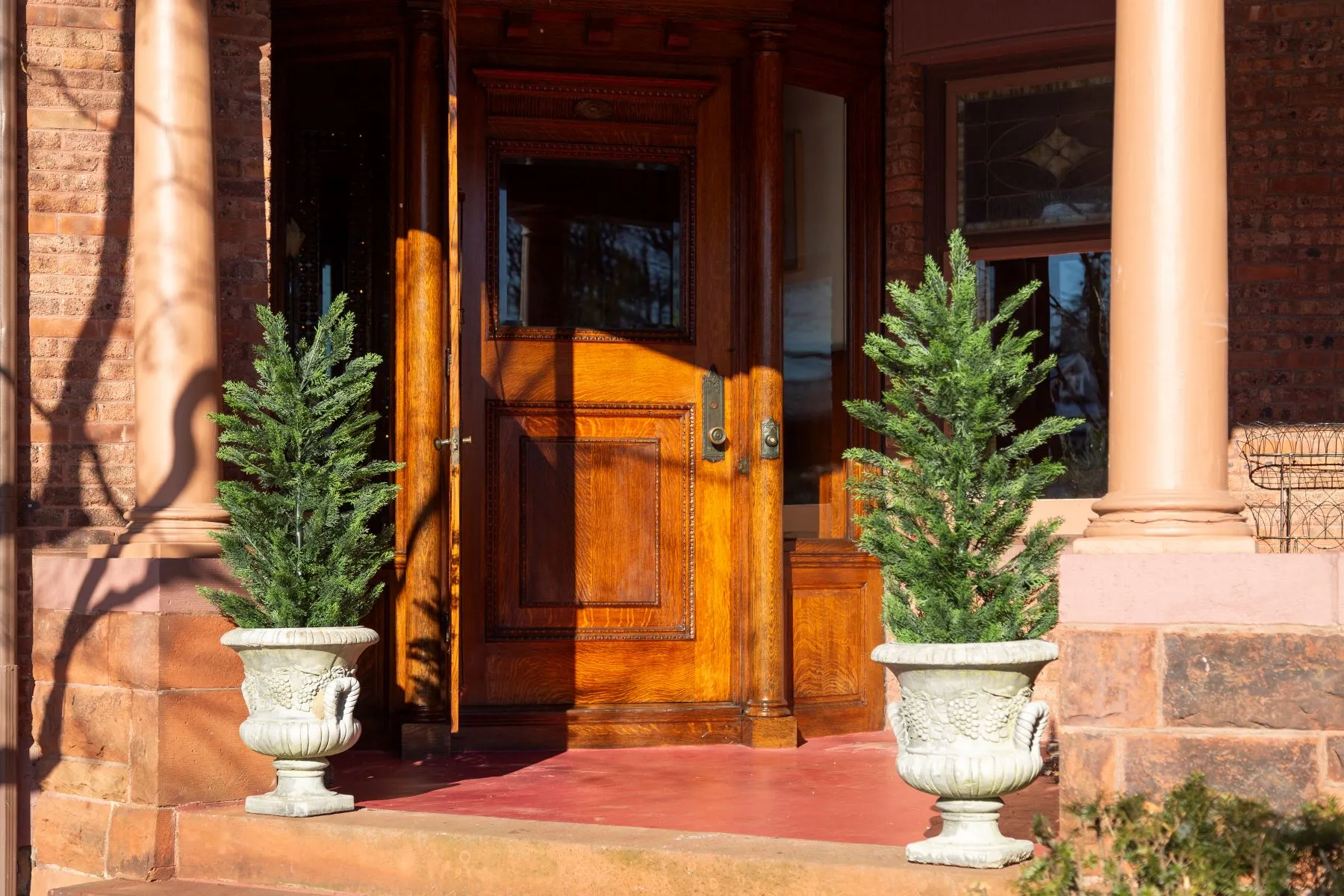
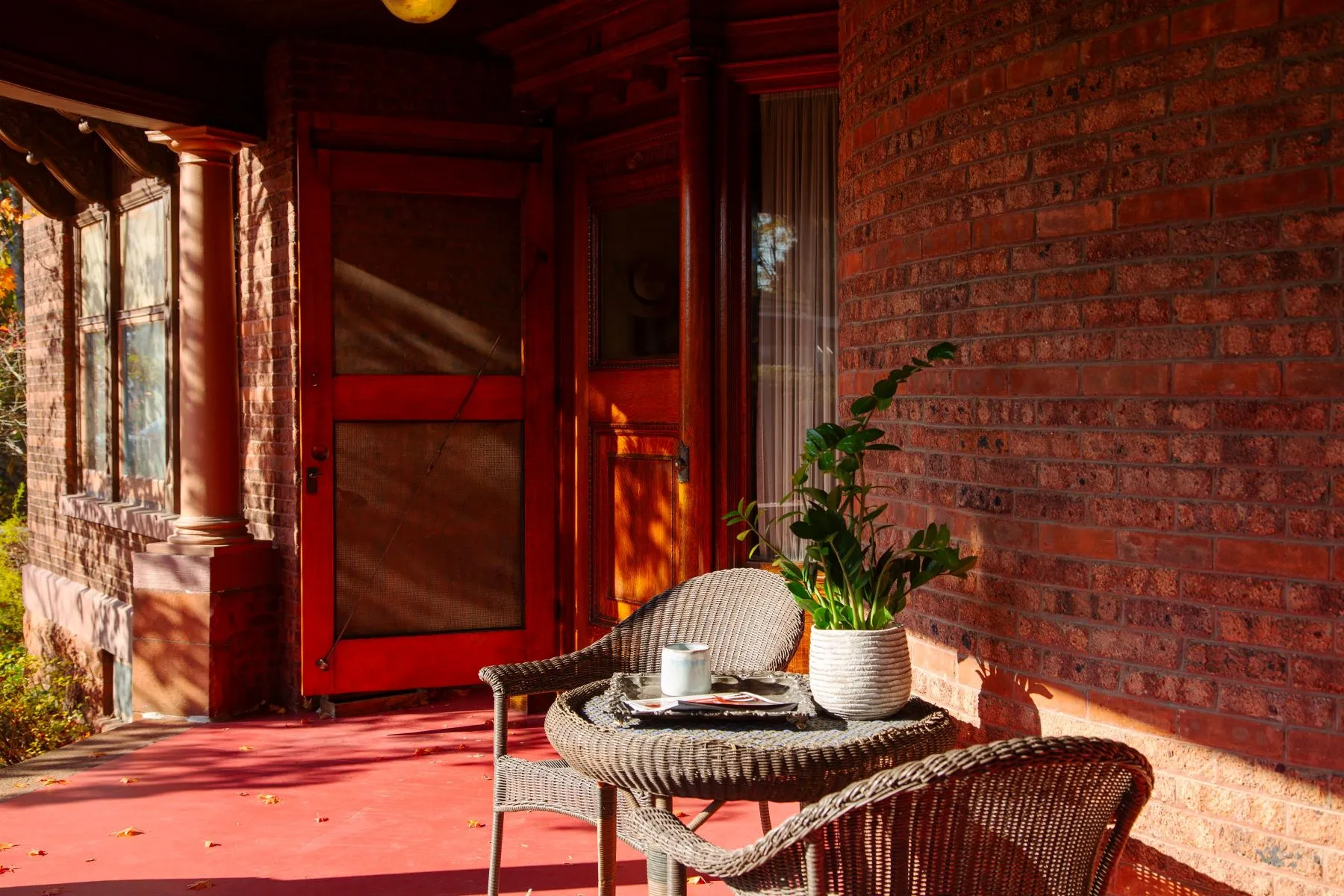
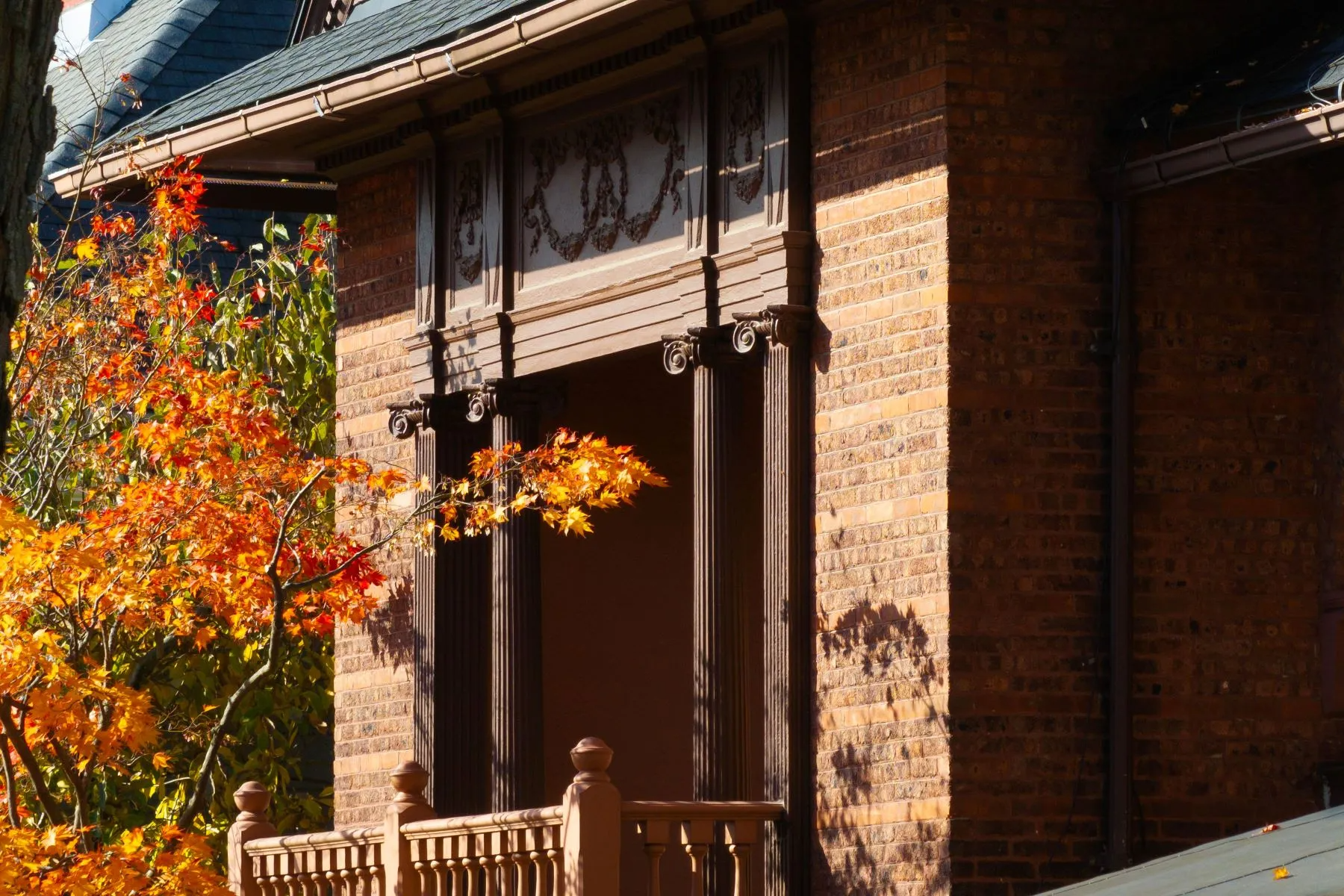
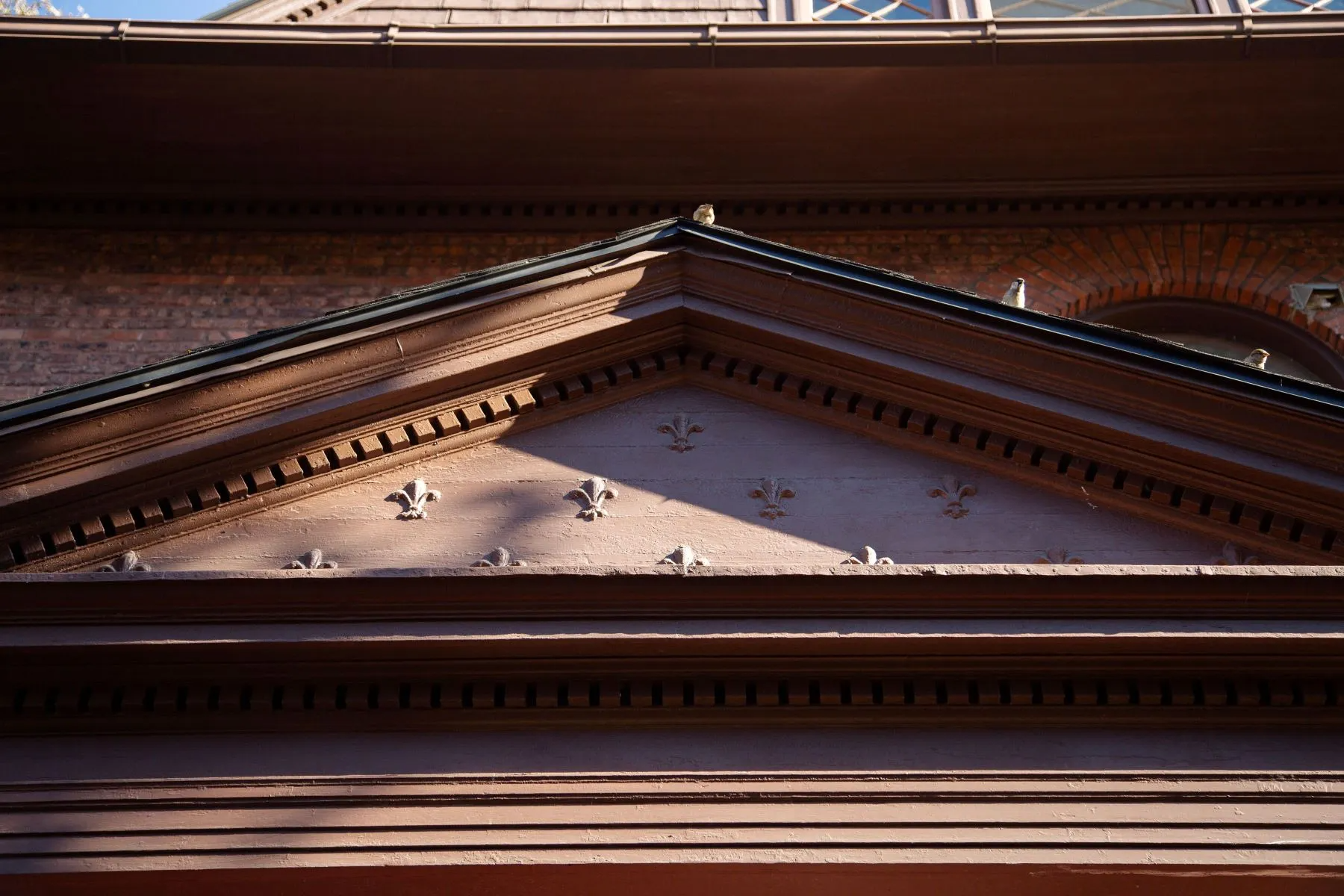
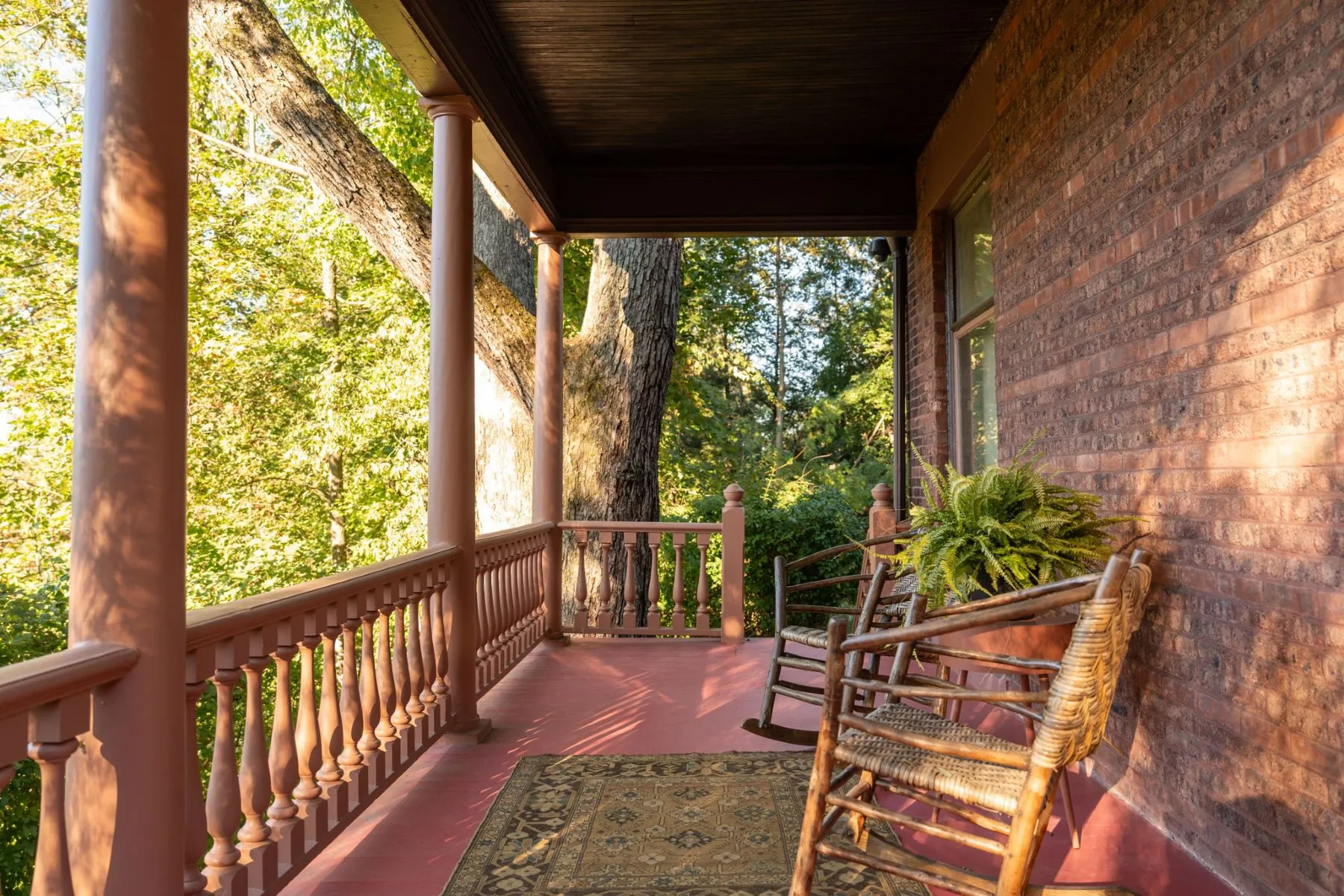
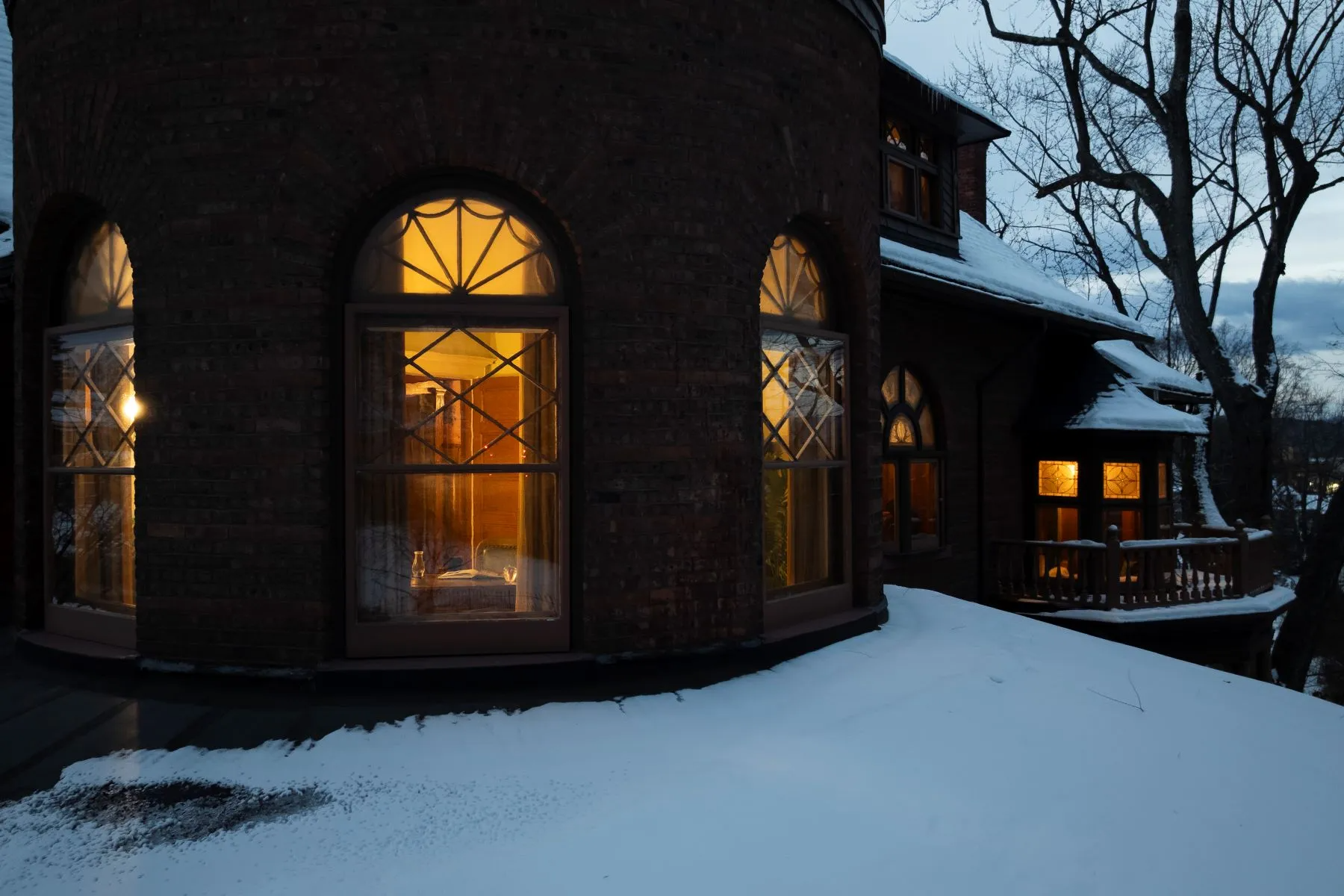
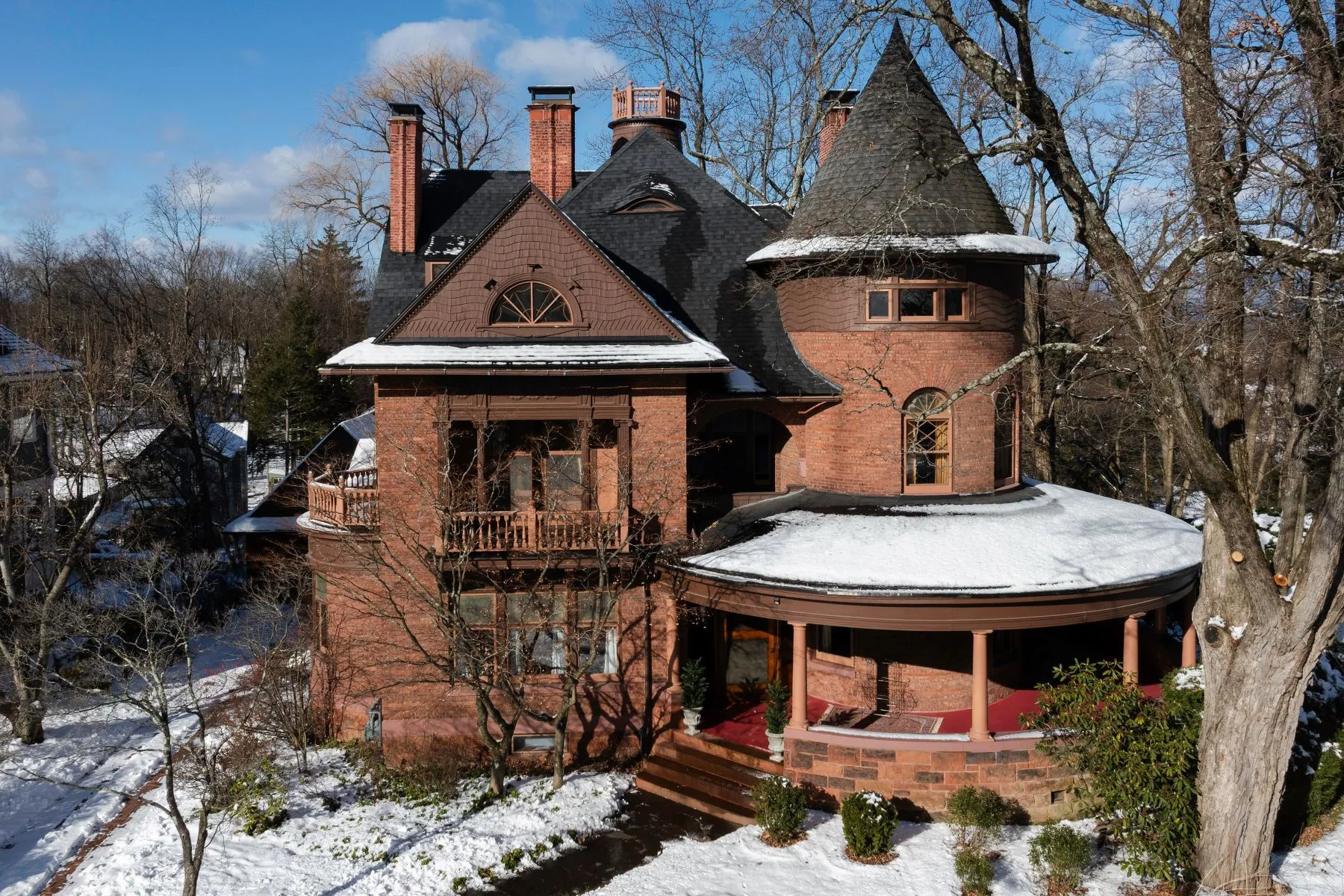
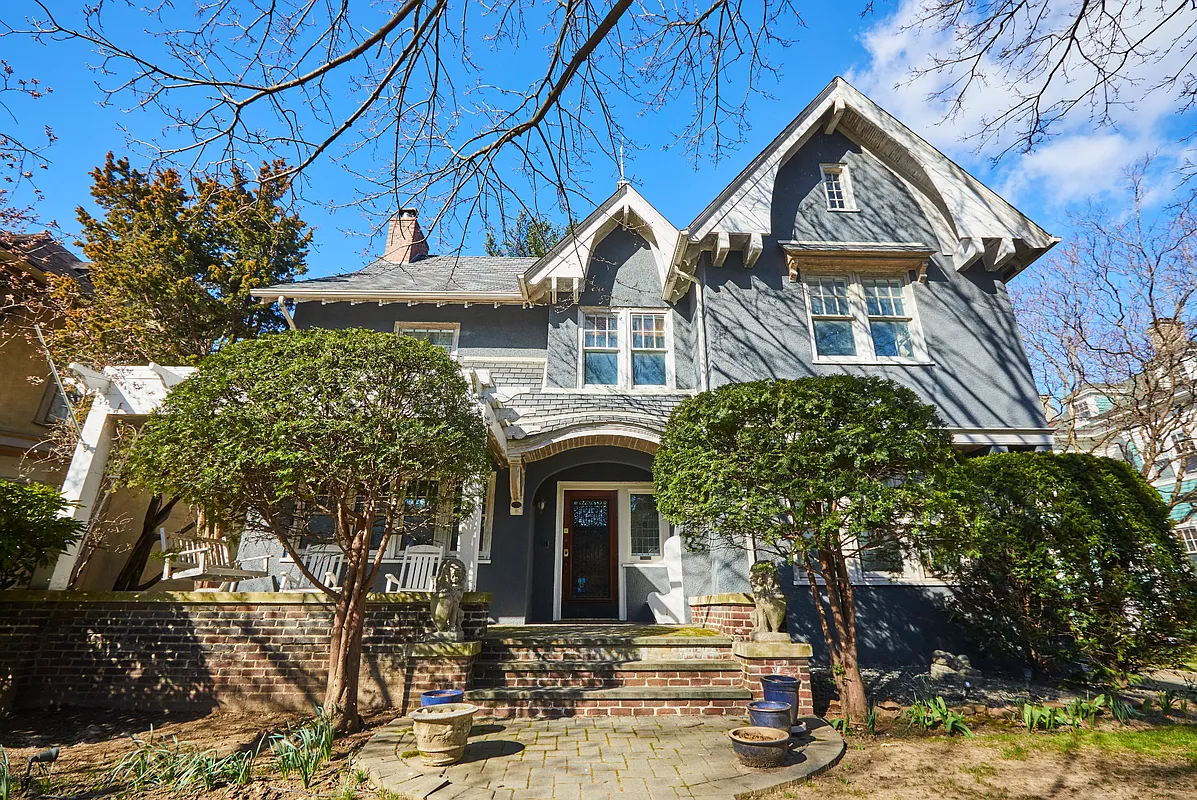
The architect behind the brick dwelling is unknown, but he or she incorporated the architectural elements and massing that define the Queen Anne Style. A gracious porch wraps around the base of a conical roofed tower, there’s a complicated roofline, and a cornucopia of window styles includes dormers, fanlights, an eyebrow window, and multiple bays.
The couple, who married around 1876, joined family already living on the block. George’s brother and sister-in-law Samuel D. and Mary Coykendall were living in their even larger mansion across the street. Samuel, a local tycoon, acquired some acreage in 1890 and commissioned Calvert Vaux to design a residence. In the 1940s, plans called to turn the now-vacant mansion into a hotel, but ultimately it was demolished and the acreage transformed into a housing development.
Fortunately, this Coykendall house managed to survive. Census records show that in the decades after the house was constructed, it was home to only George and Emma Coykendall, sometimes with a servant or two. George died in 1918 and his obituary reported that he had been ill for several years. This might explain the 1913 deed transferring ownership of the property to Emma. George’s will also bequeathed all his property to “his beloved wife” and appointed her his executrix. Emma remained in the house until her death in 1942.
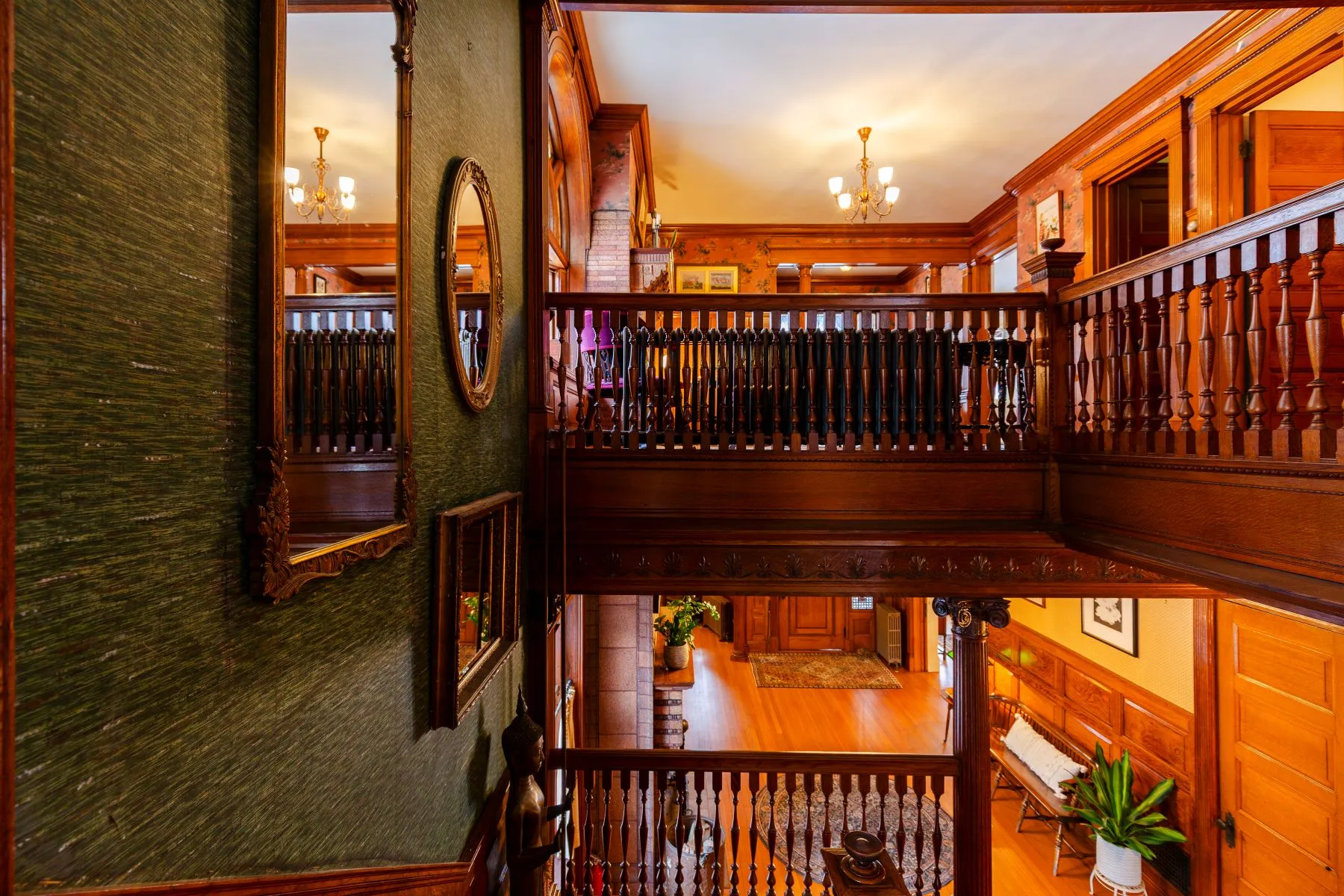
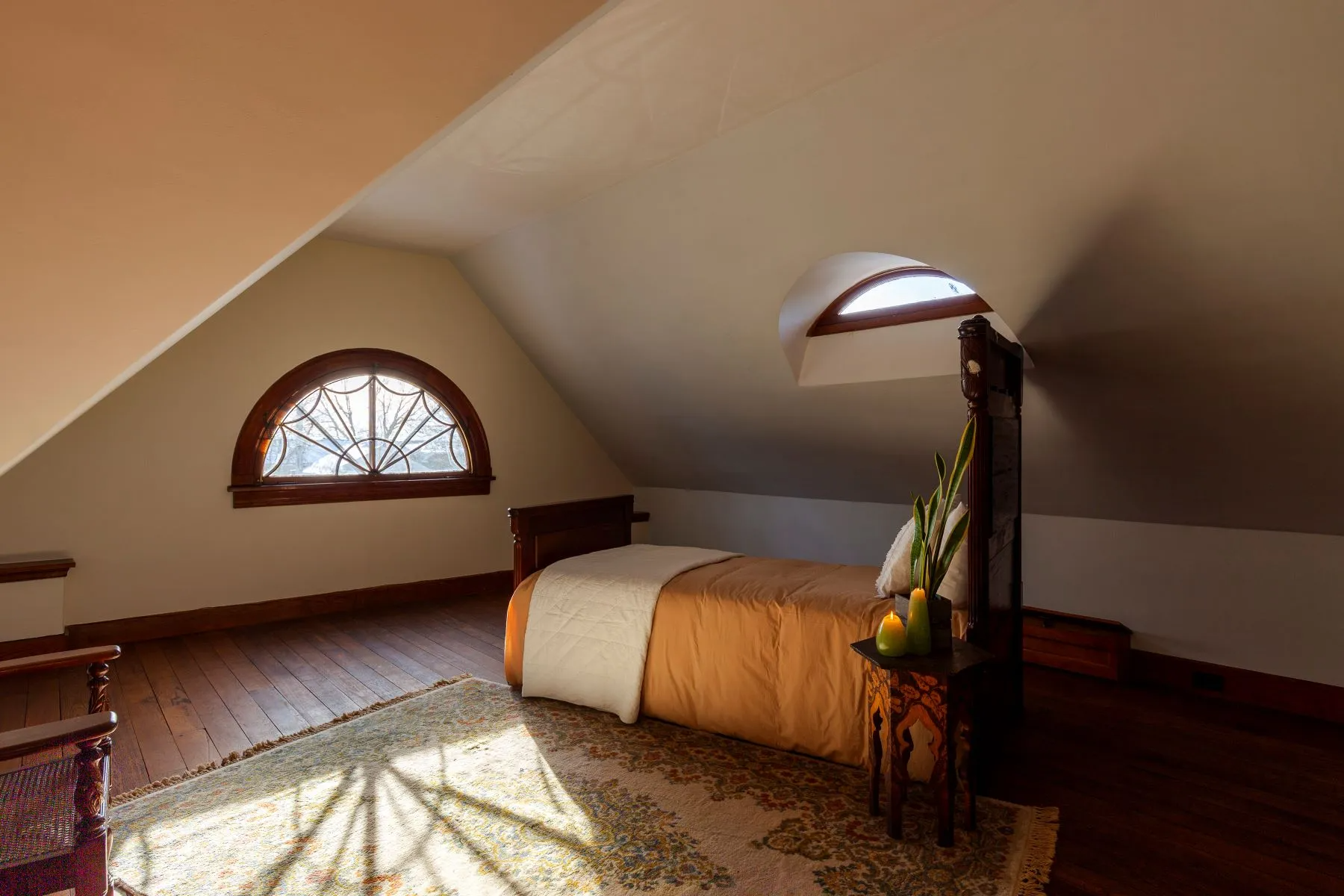
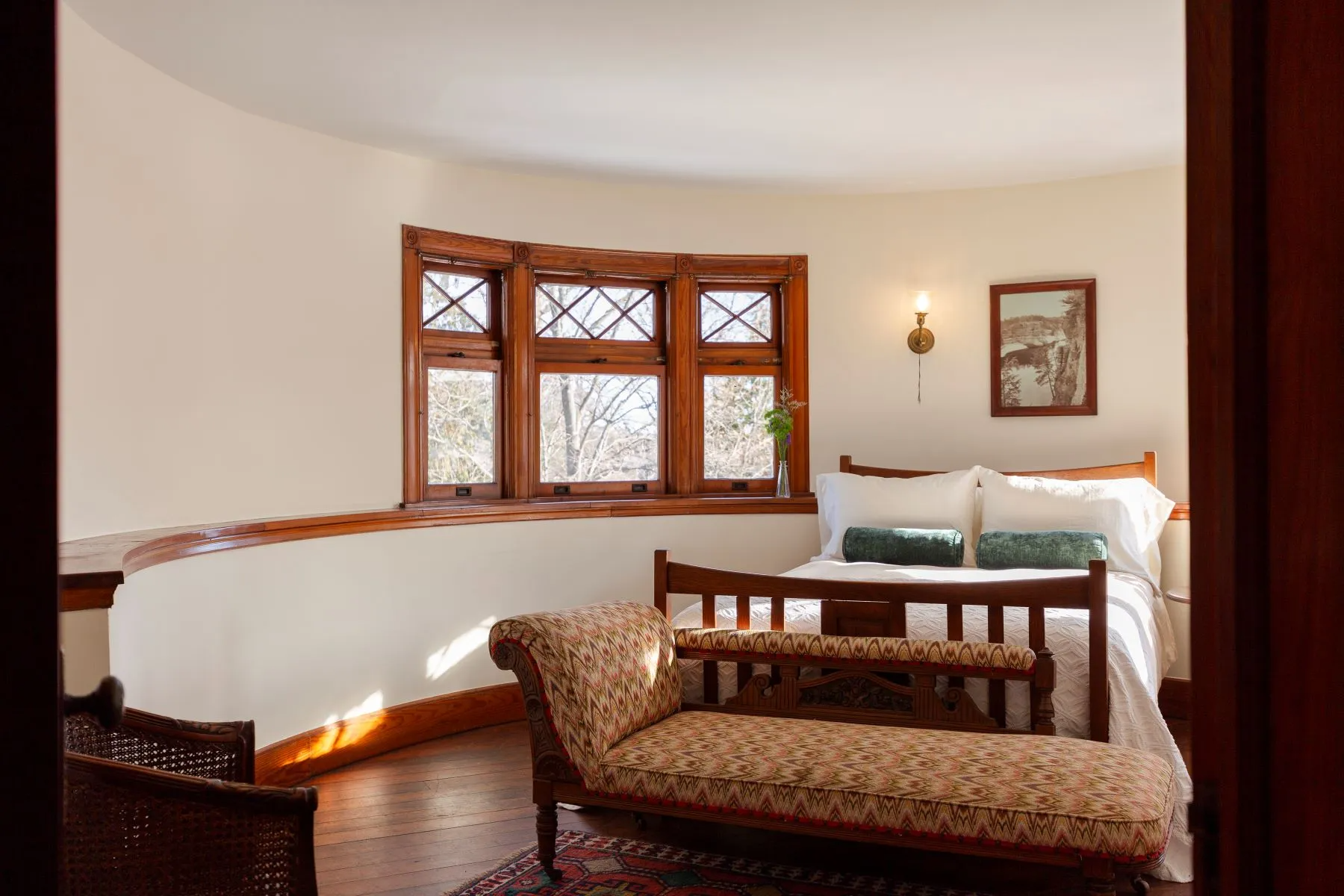
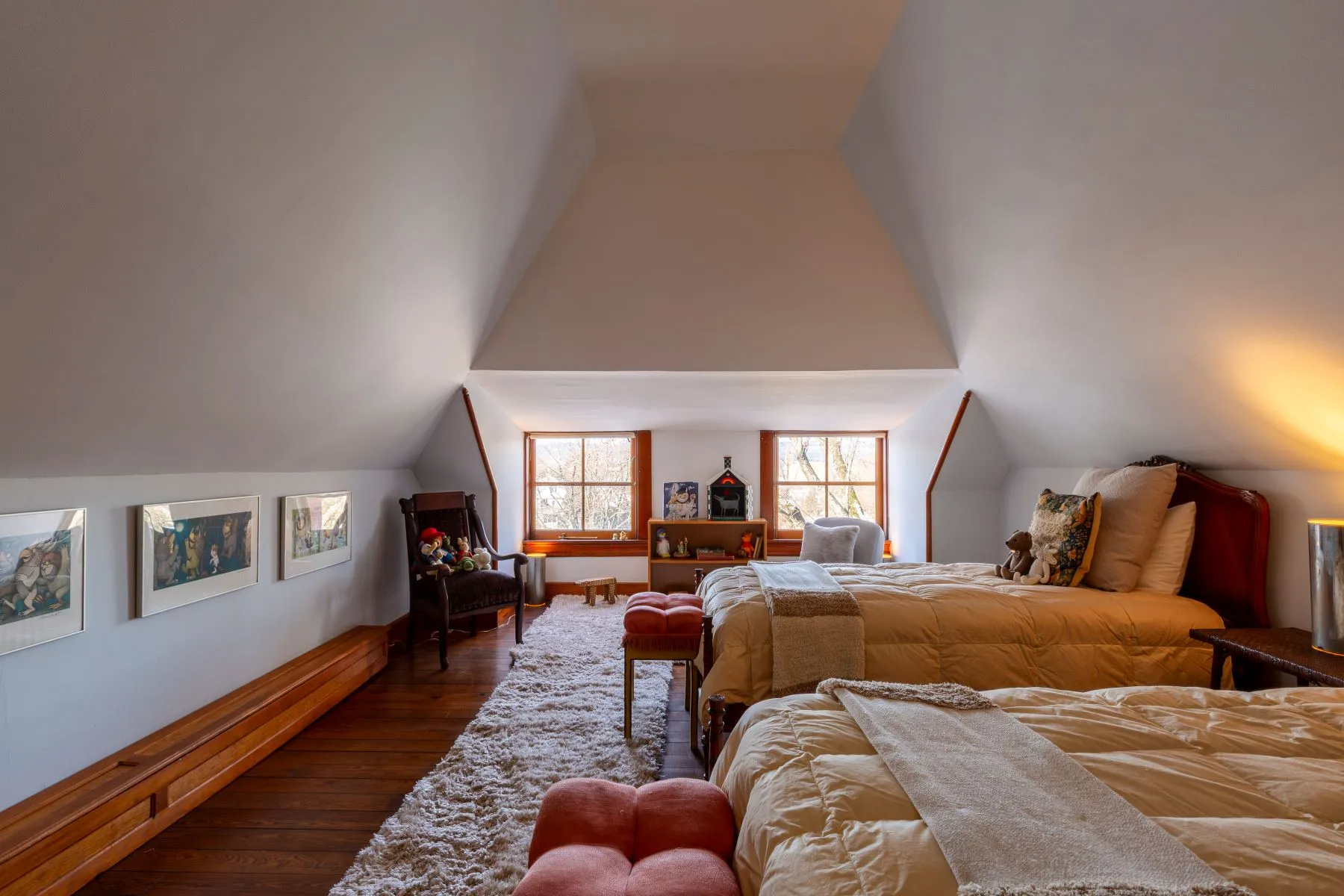
The Chestnut Street dwelling has been in the same hands since the 1980s, and the copious listing photos and a virtual tour show off the many still intact details. The house has roughly 5,400 square feet, much of which seems to be dedicated to grandly proportioned spaces for entertaining, including a grand entry hall, parlor, a library, dining room, and a grand staircase. The listing notes just three bedrooms and 2.5 bathrooms, but there appears to be additional sleeping space on the upper levels.
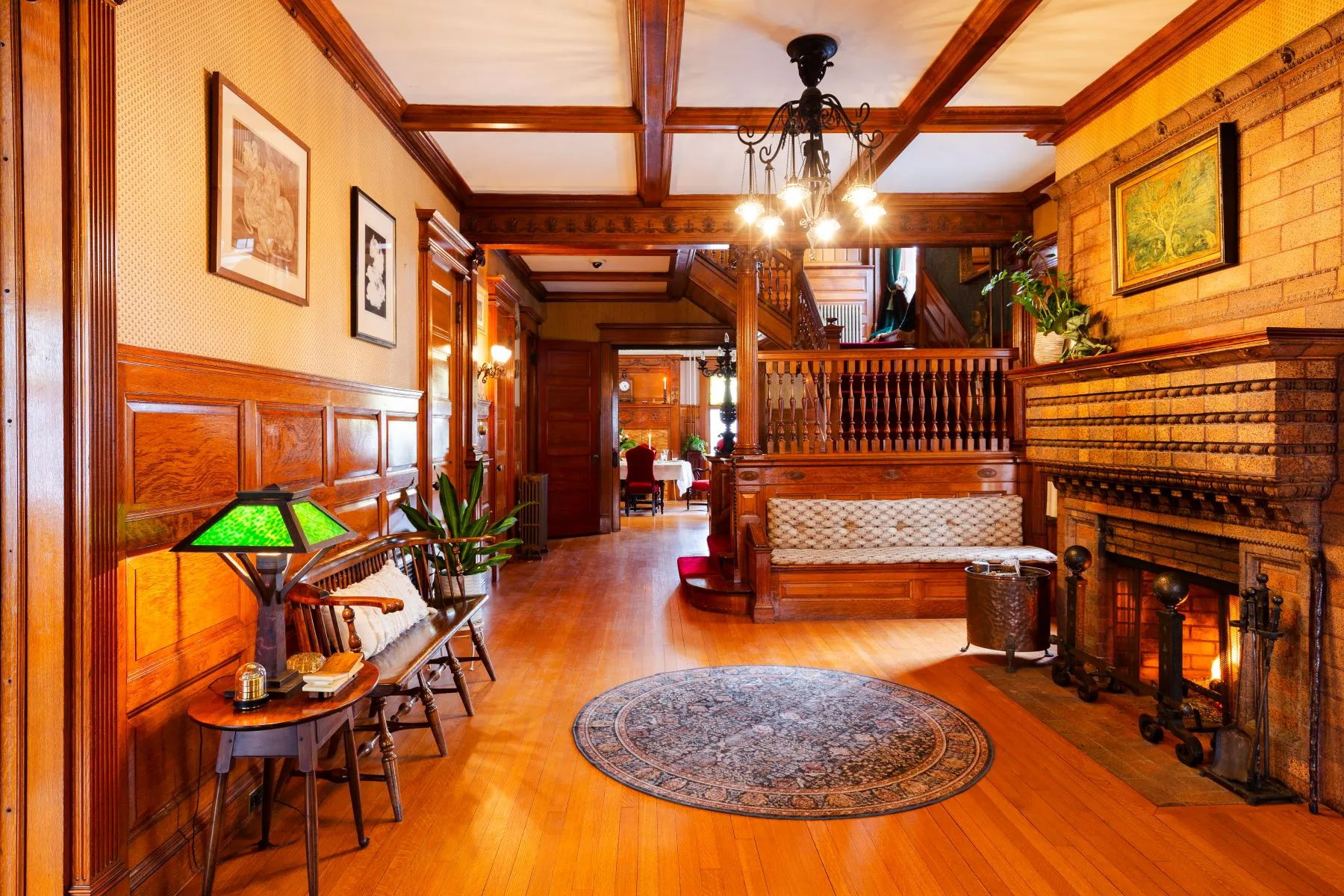
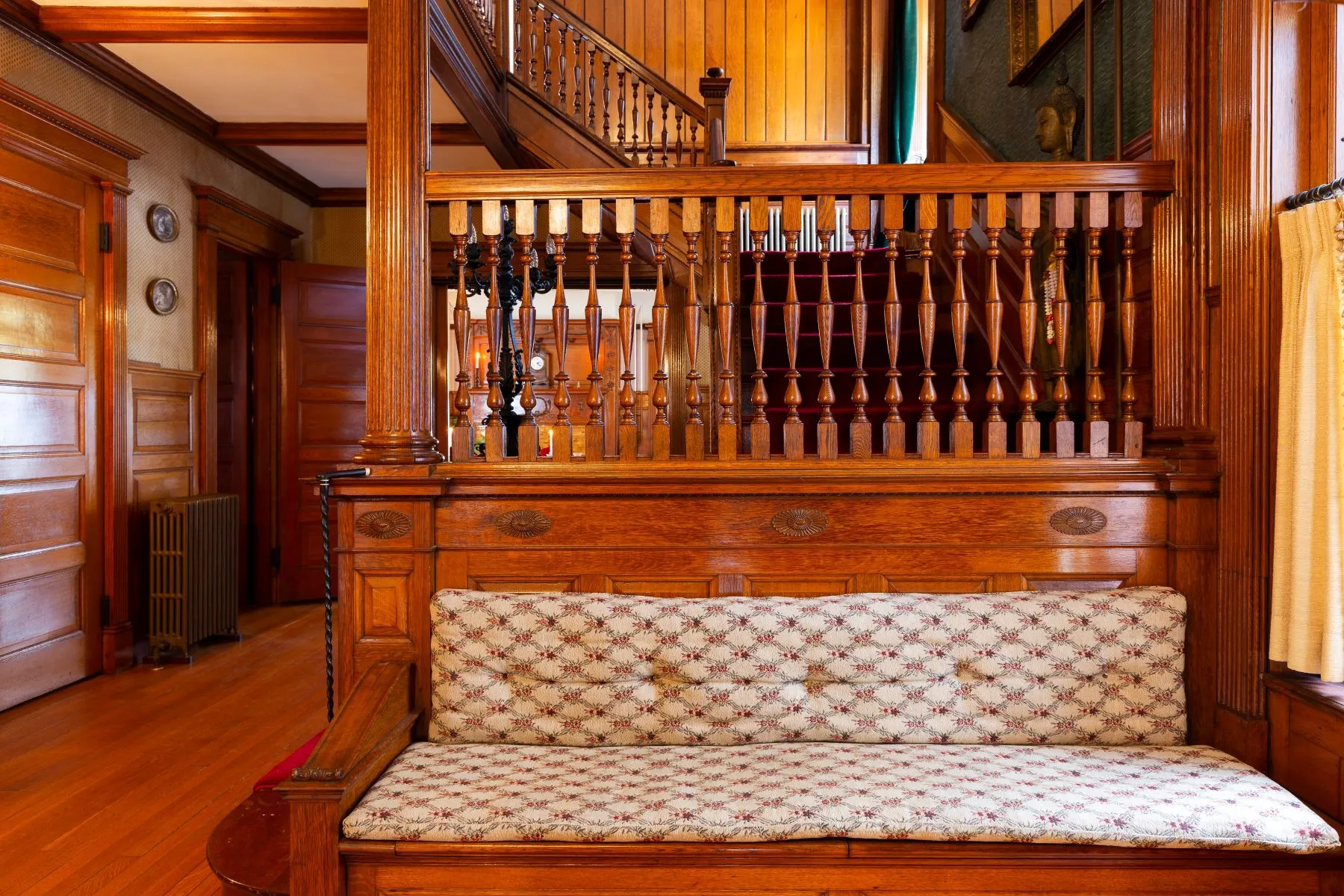
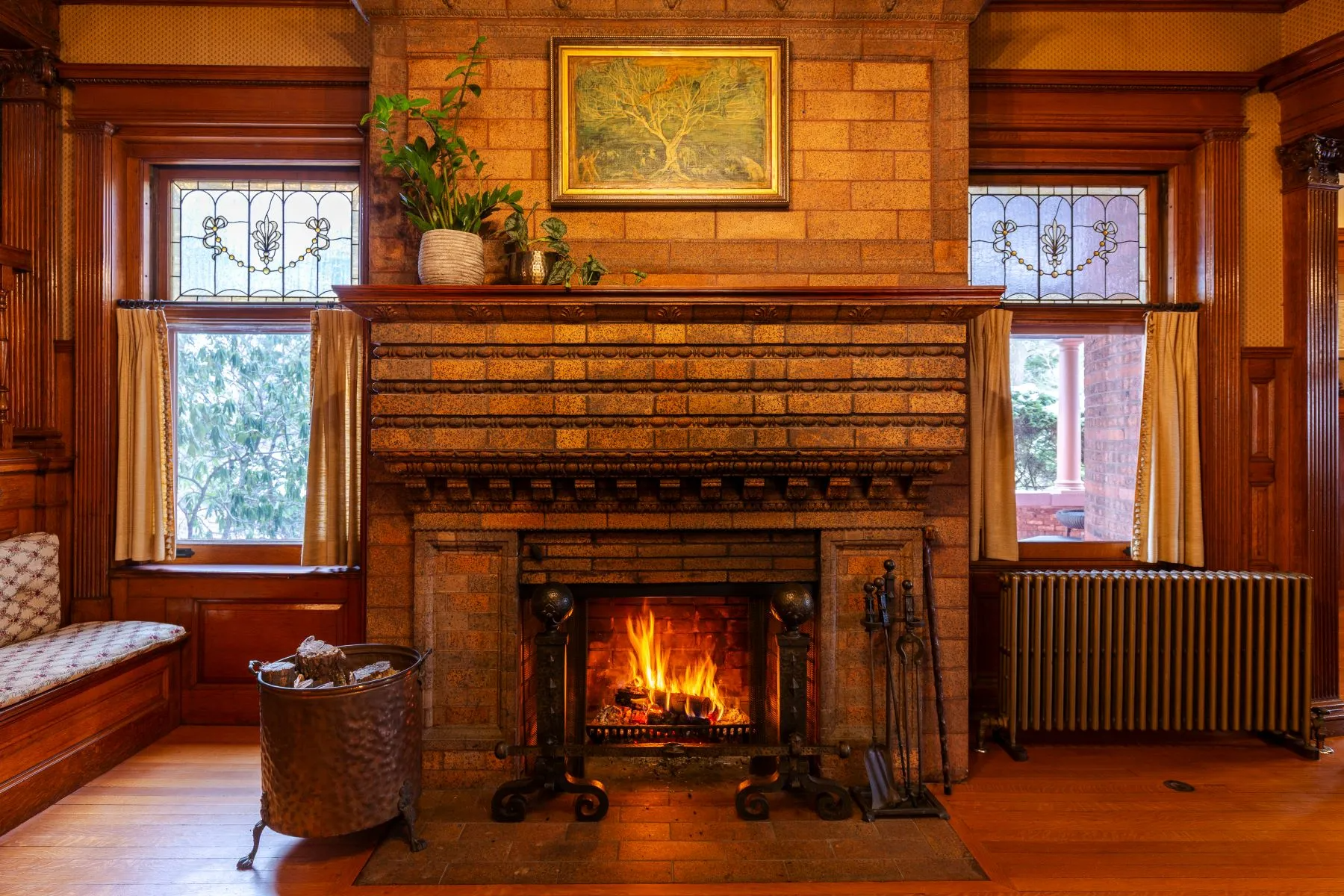
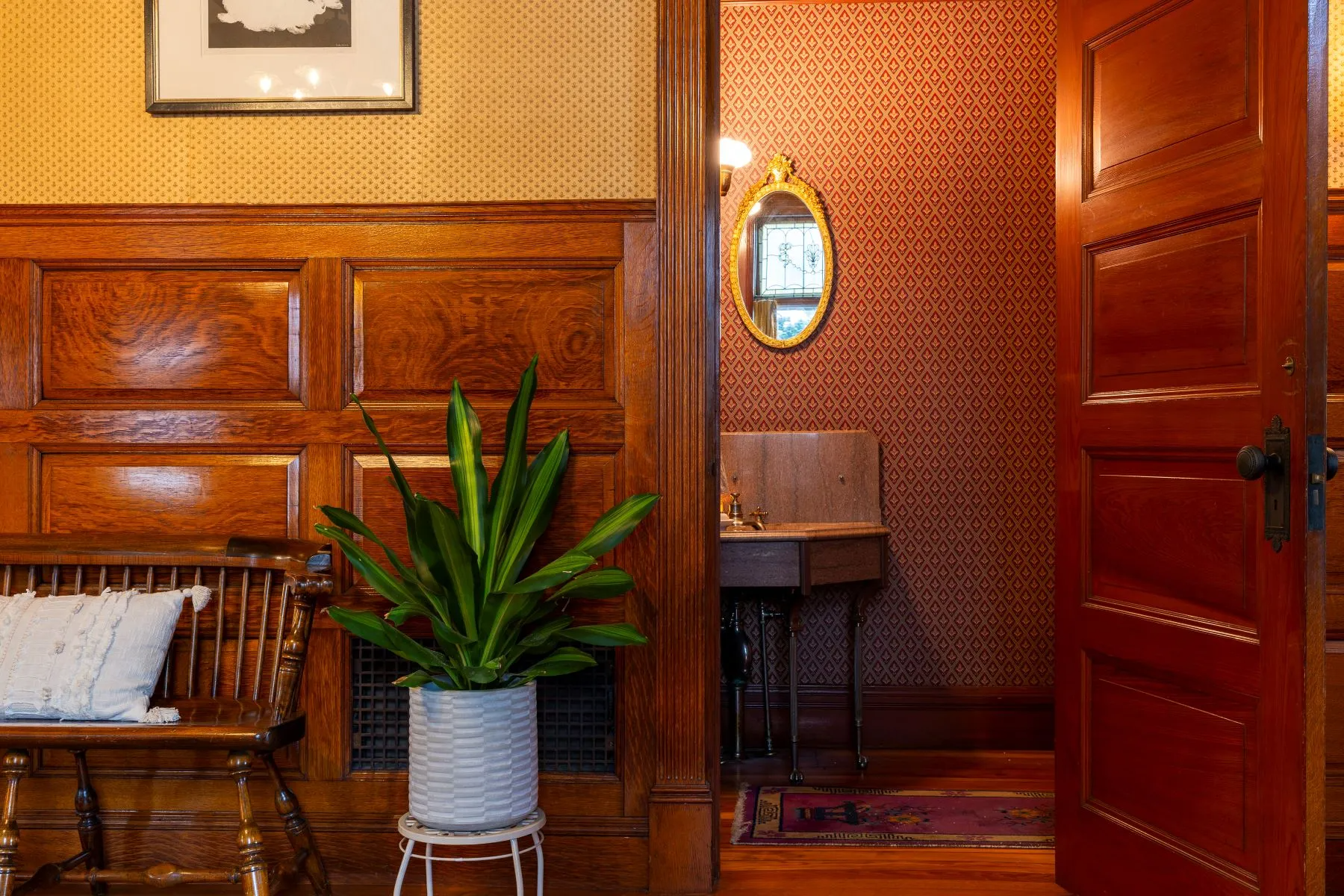
The impressive details begin in the entry hall with wainscoting, a beamed ceiling, stained glass windows, a brick mantel, and a built-in bench.

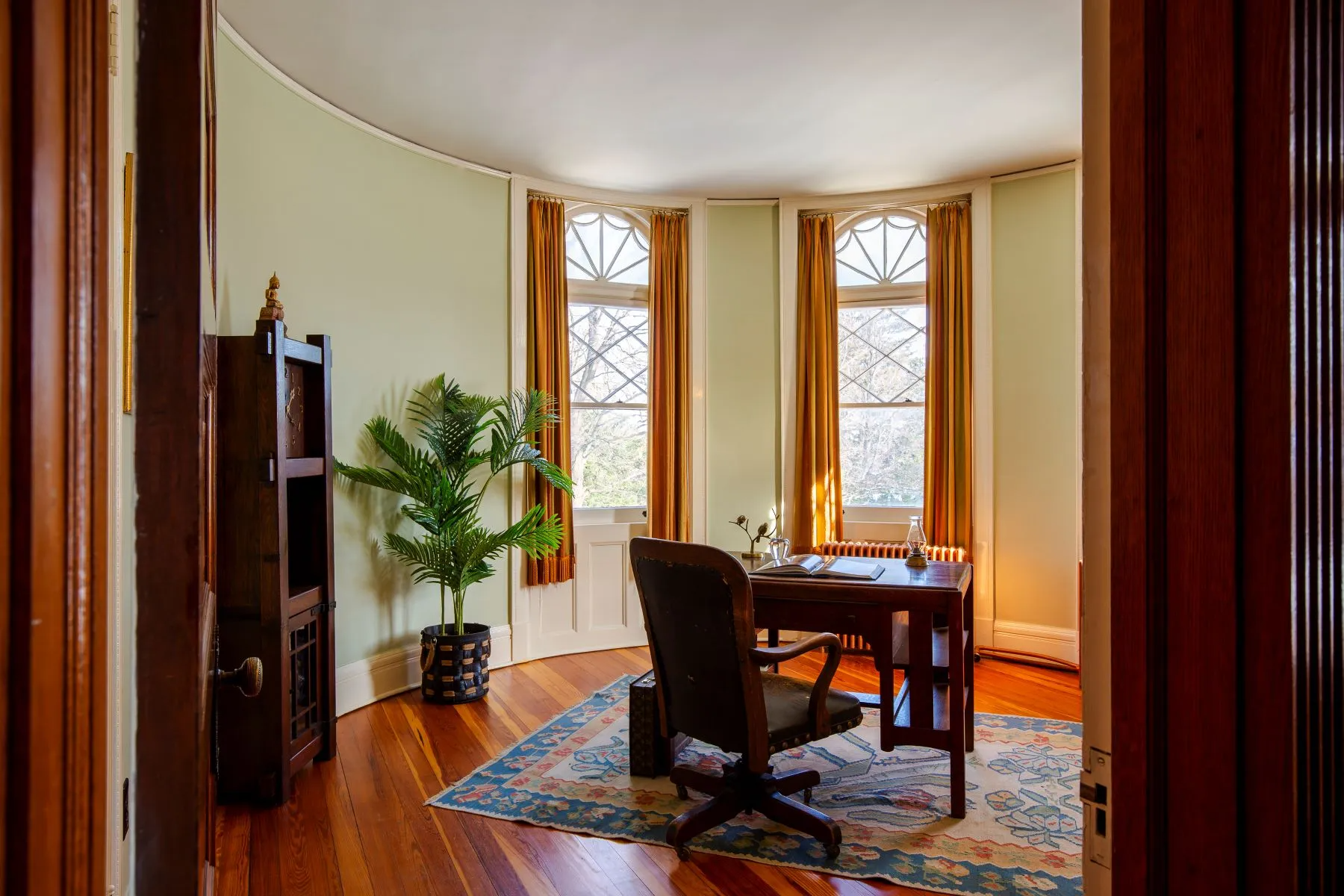
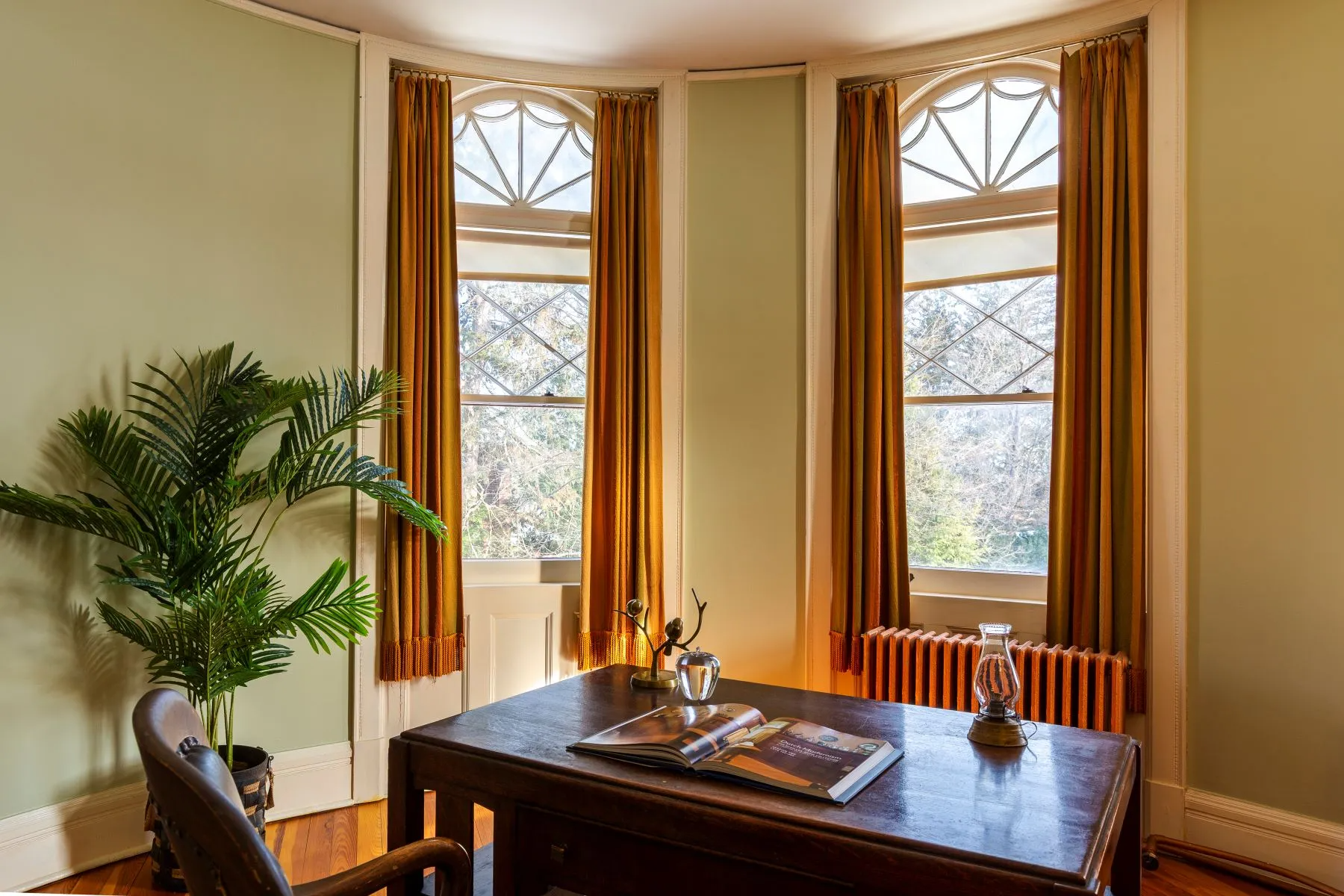
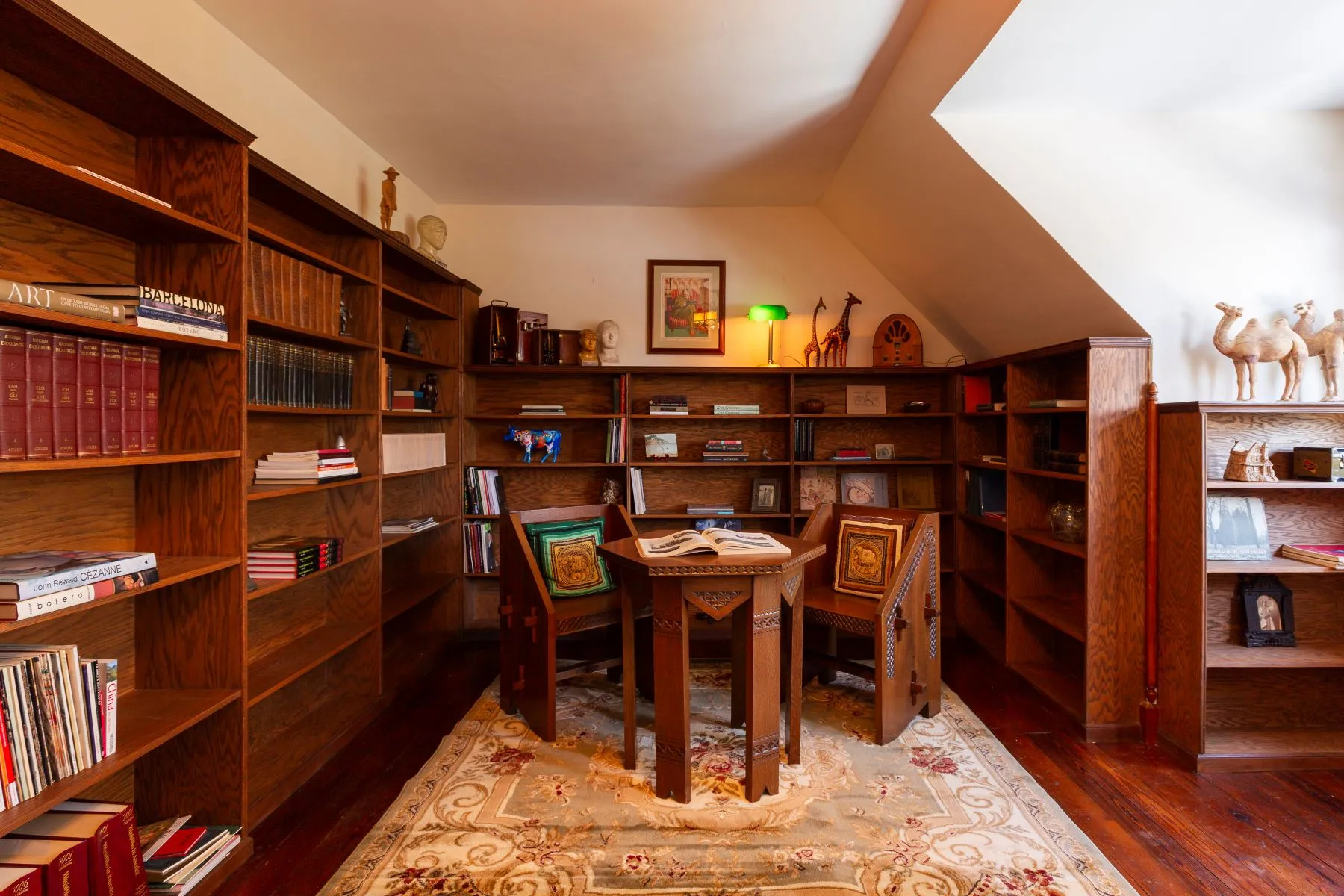
A library is tucked into the rounded tower, with bookcases lining the walls and matching the curve of the room.
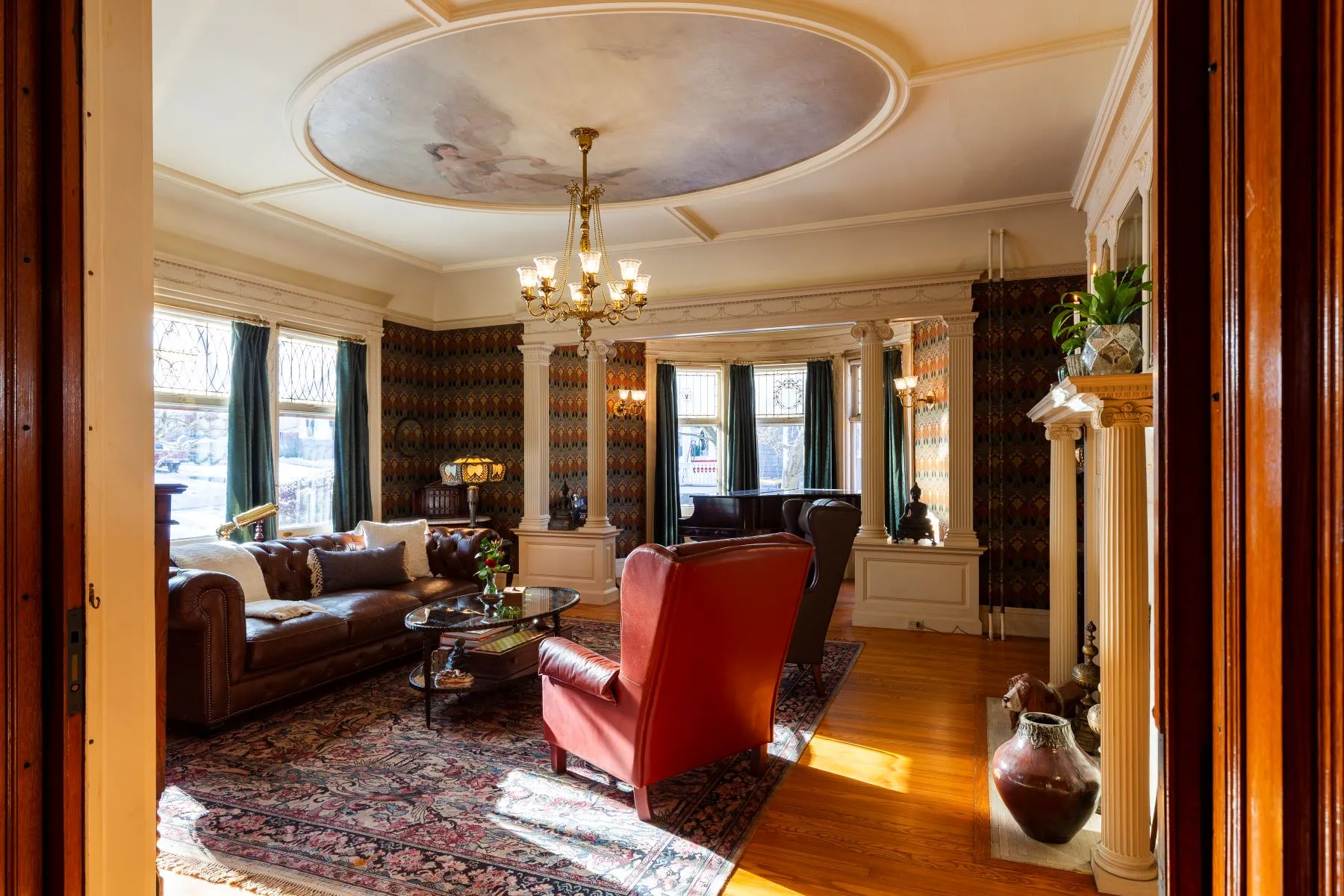
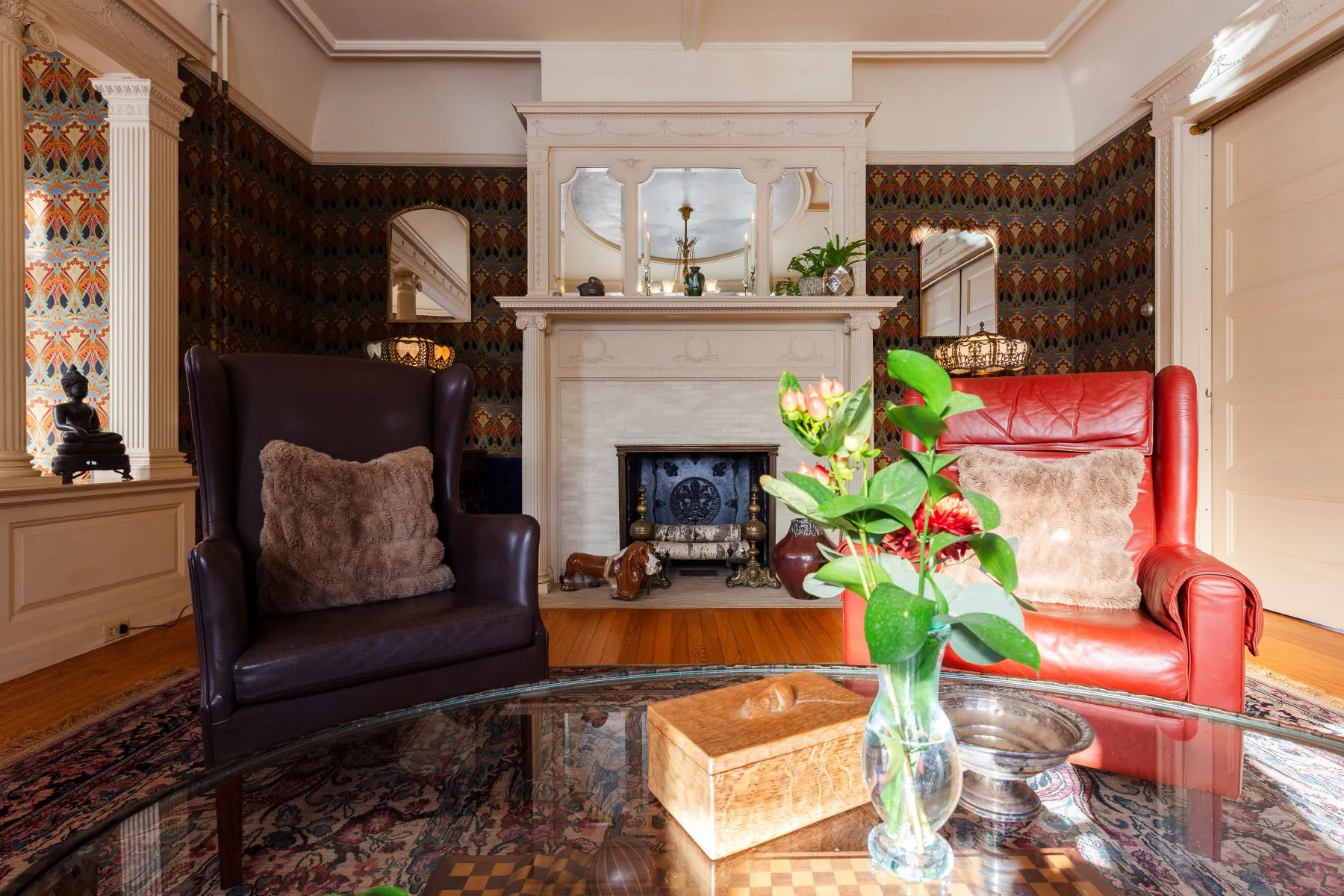
Finishes are lighter in the parlor with painted woodwork and a softly toned mural on the ceiling depicting a diaphanously clothed woman. A columned screen frames a bay that serves as a music nook.
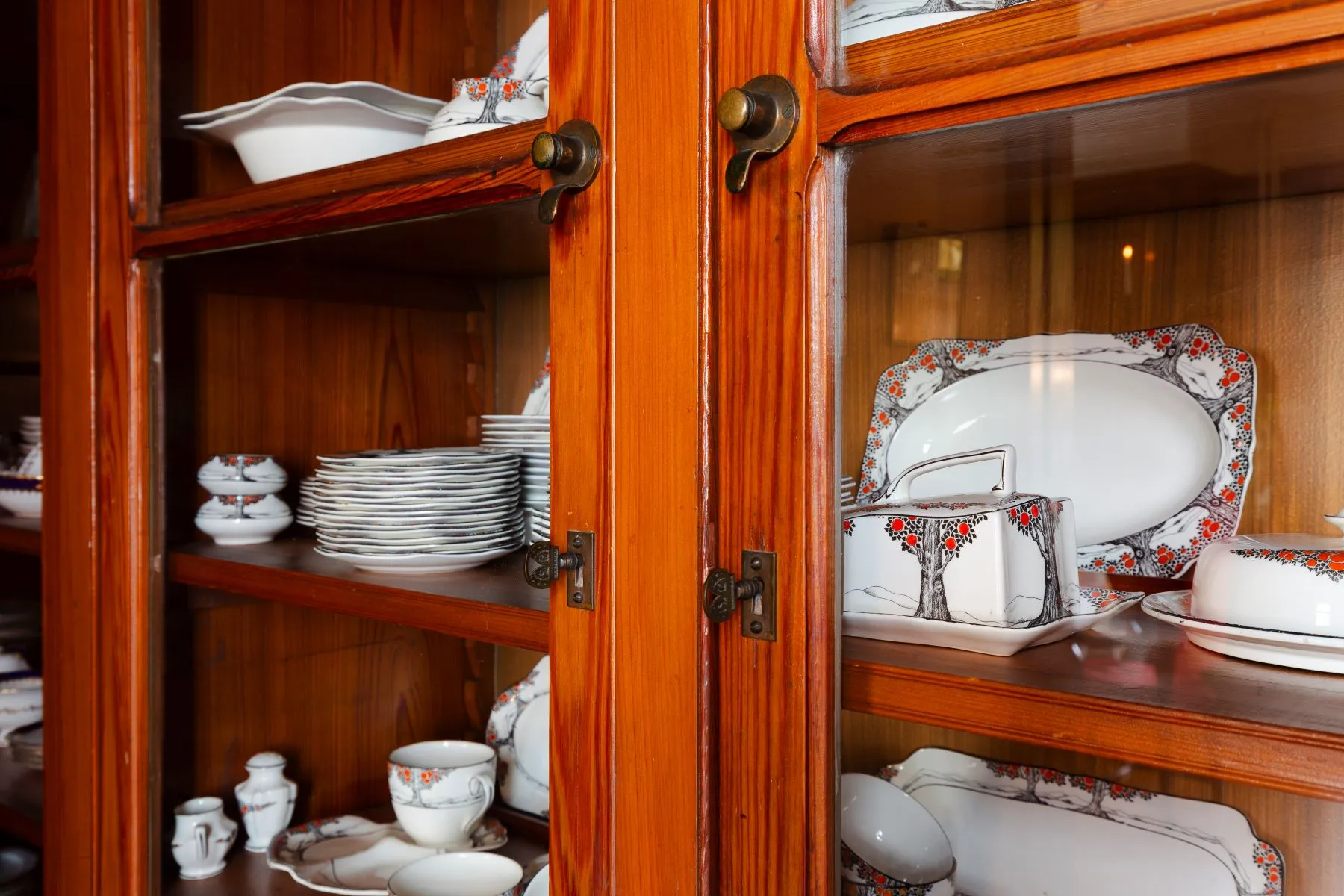
Gleaming wainscoting pops up again in the dining room, which has another mantel and more stained glass. A butler’s pantry still has its built-in cabinets and, as seen in the virutal tour, two sinks, likely of soft metal for the careful washing of glass and china.
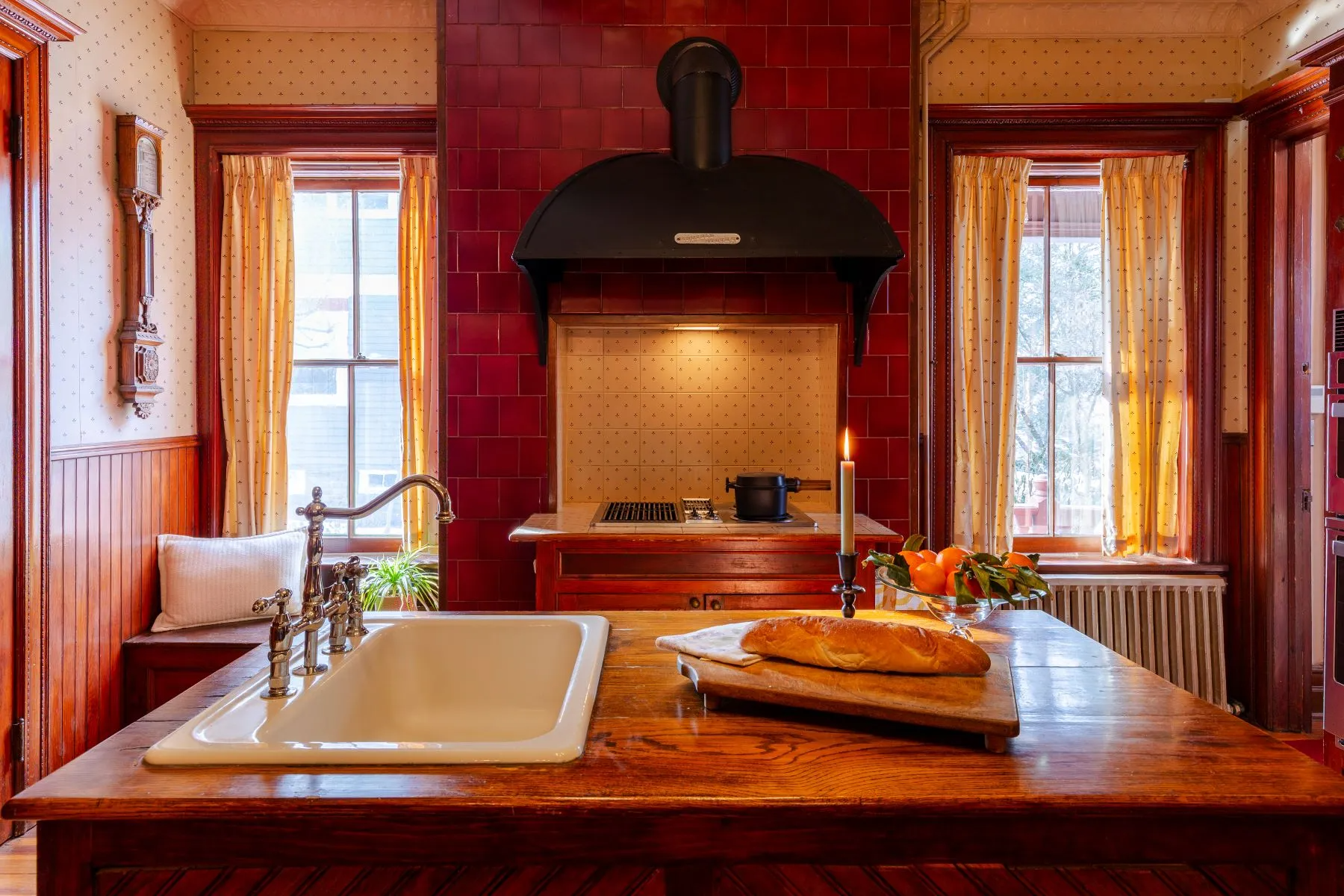
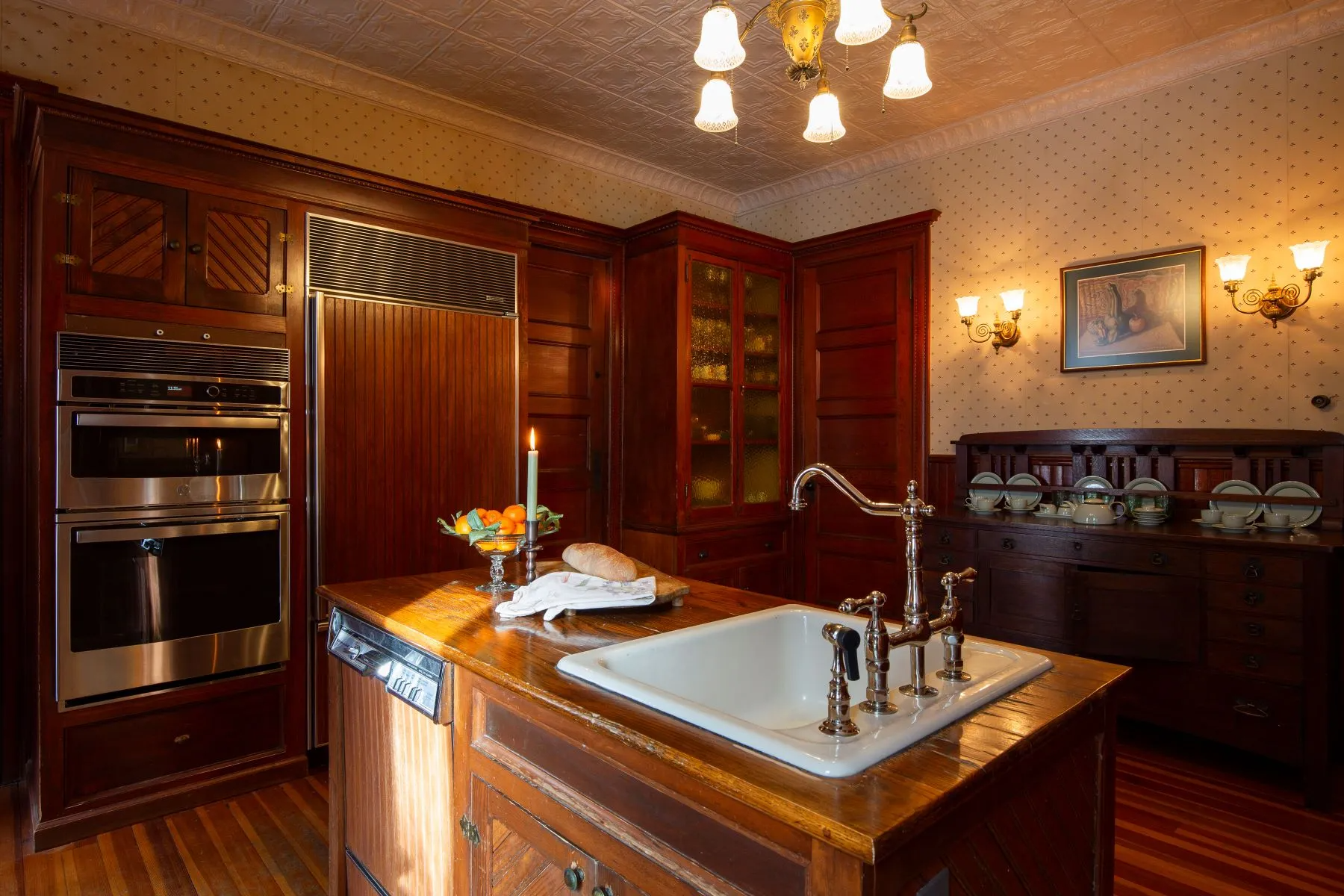
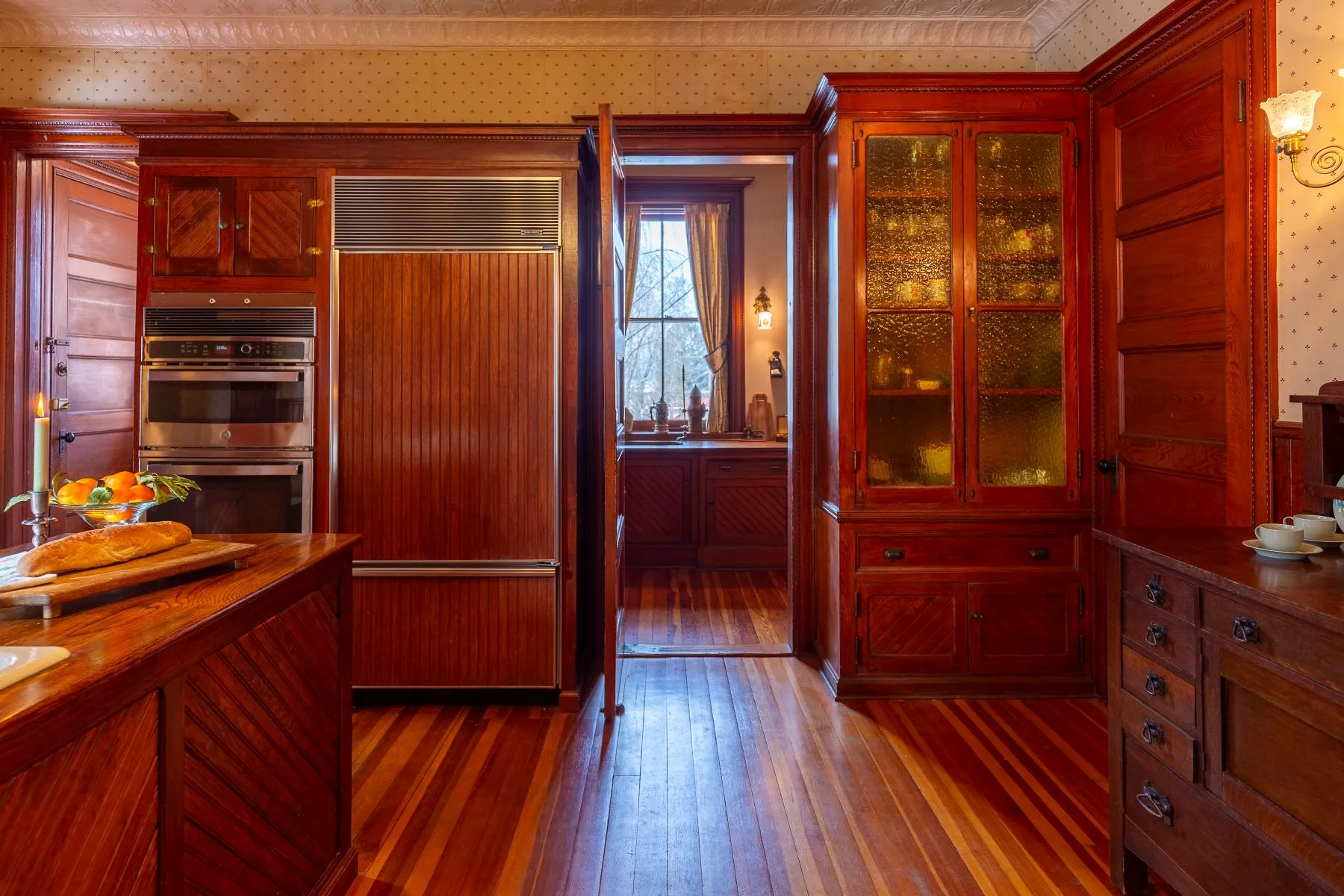
The kitchen has bead board, a tin ceiling, and built-in cabinets. Some nods to modernity, including a fridge and wall ovens, are nicely incorporated into the space. A wood-topped island includes a sink and a dishwasher.
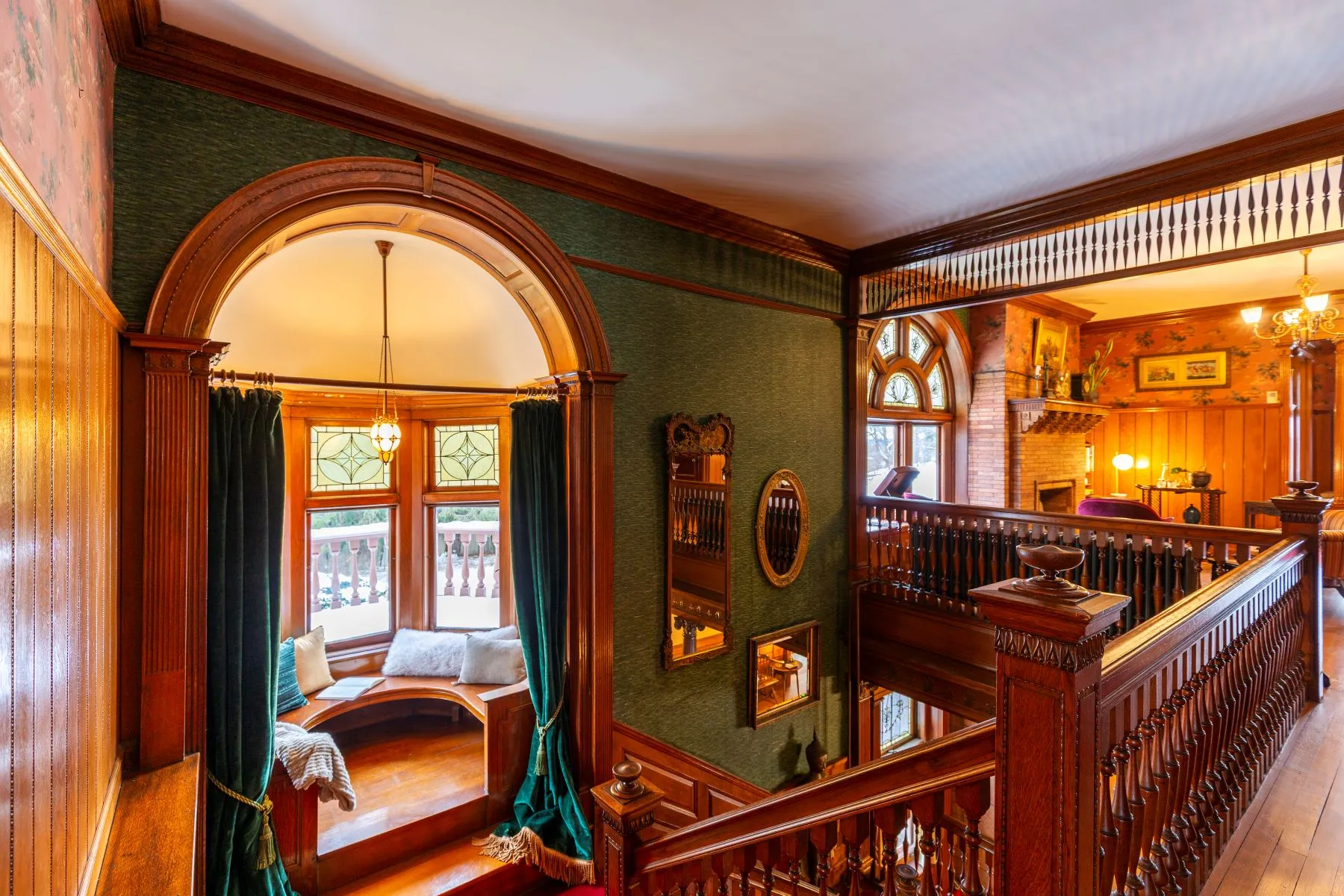
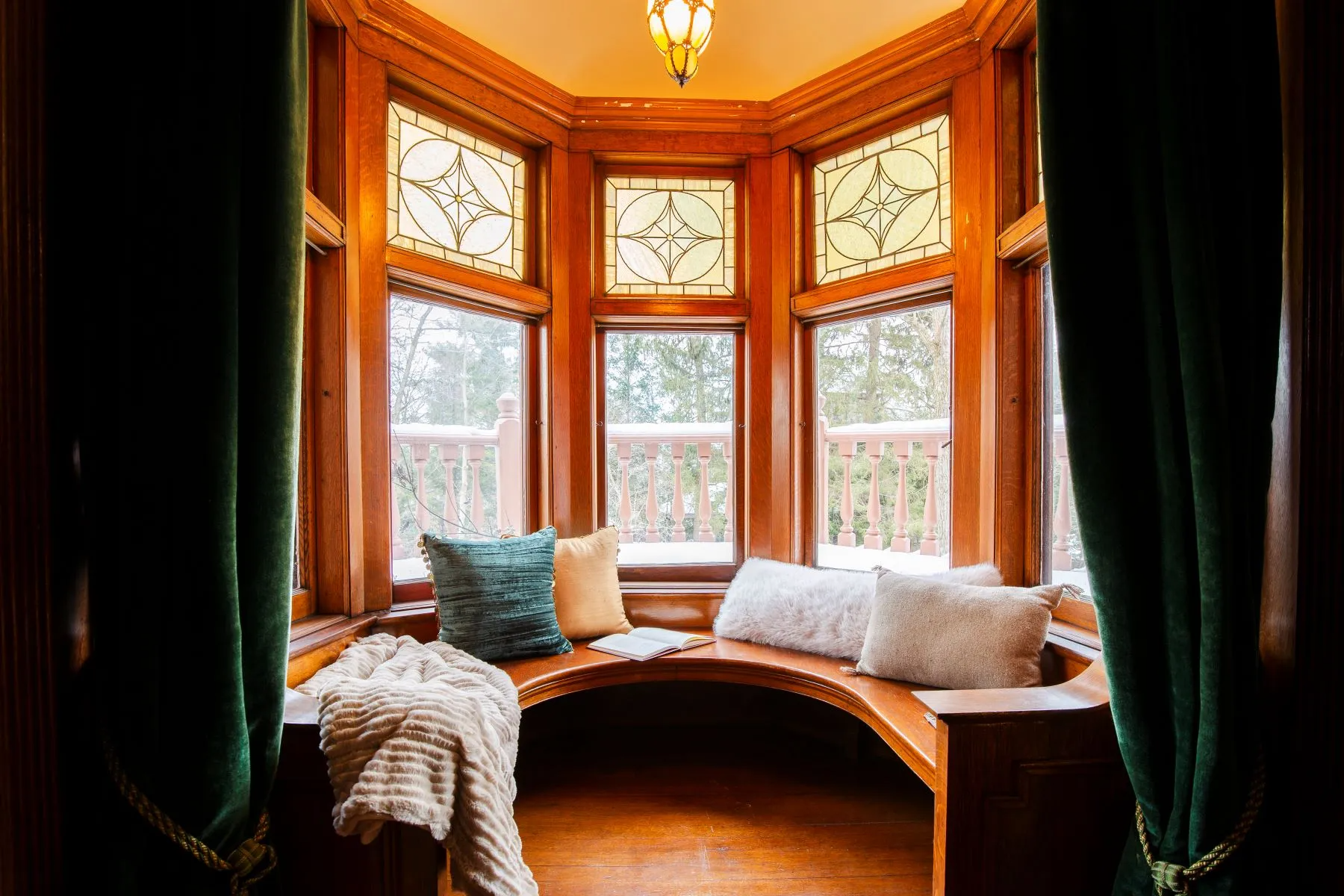
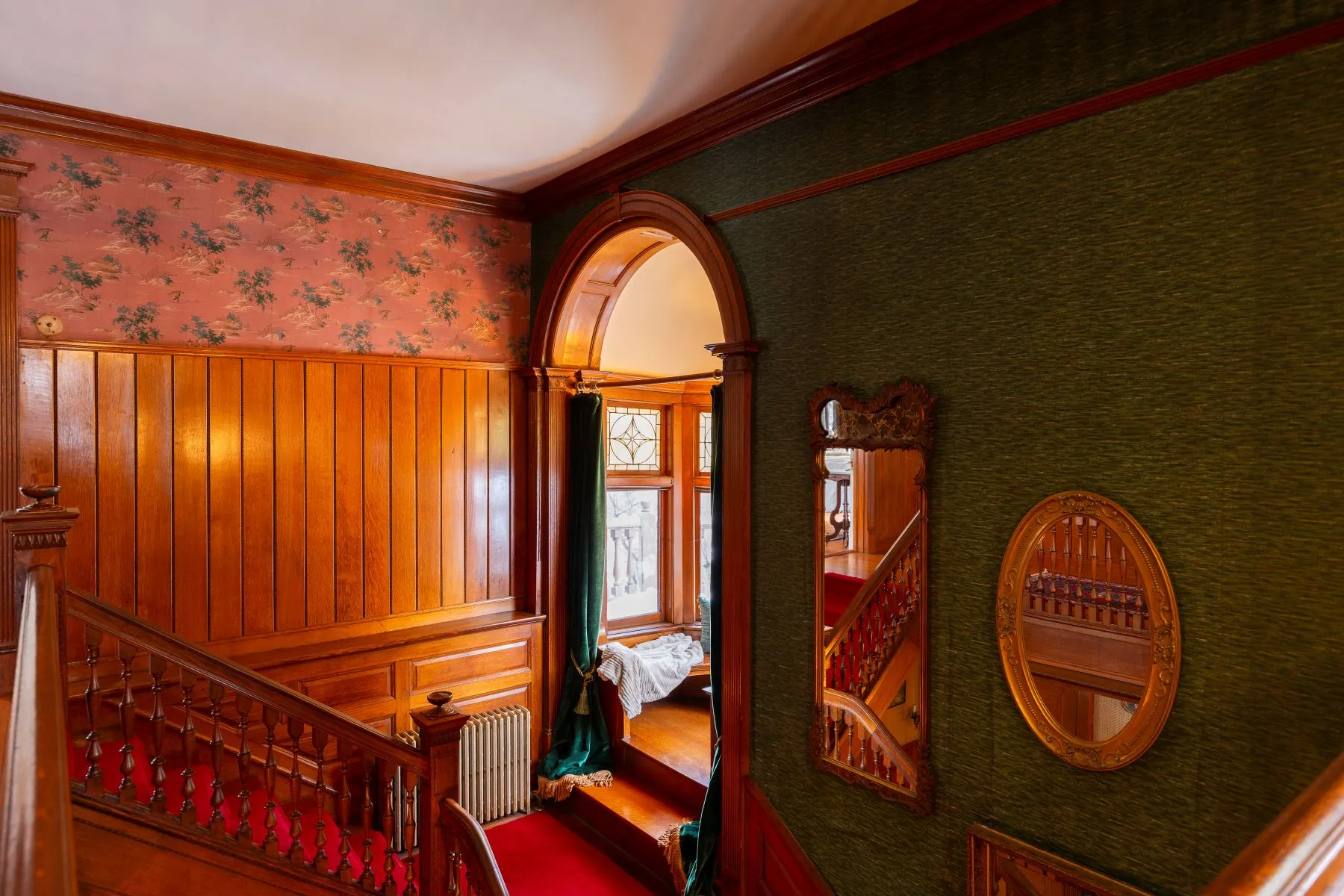
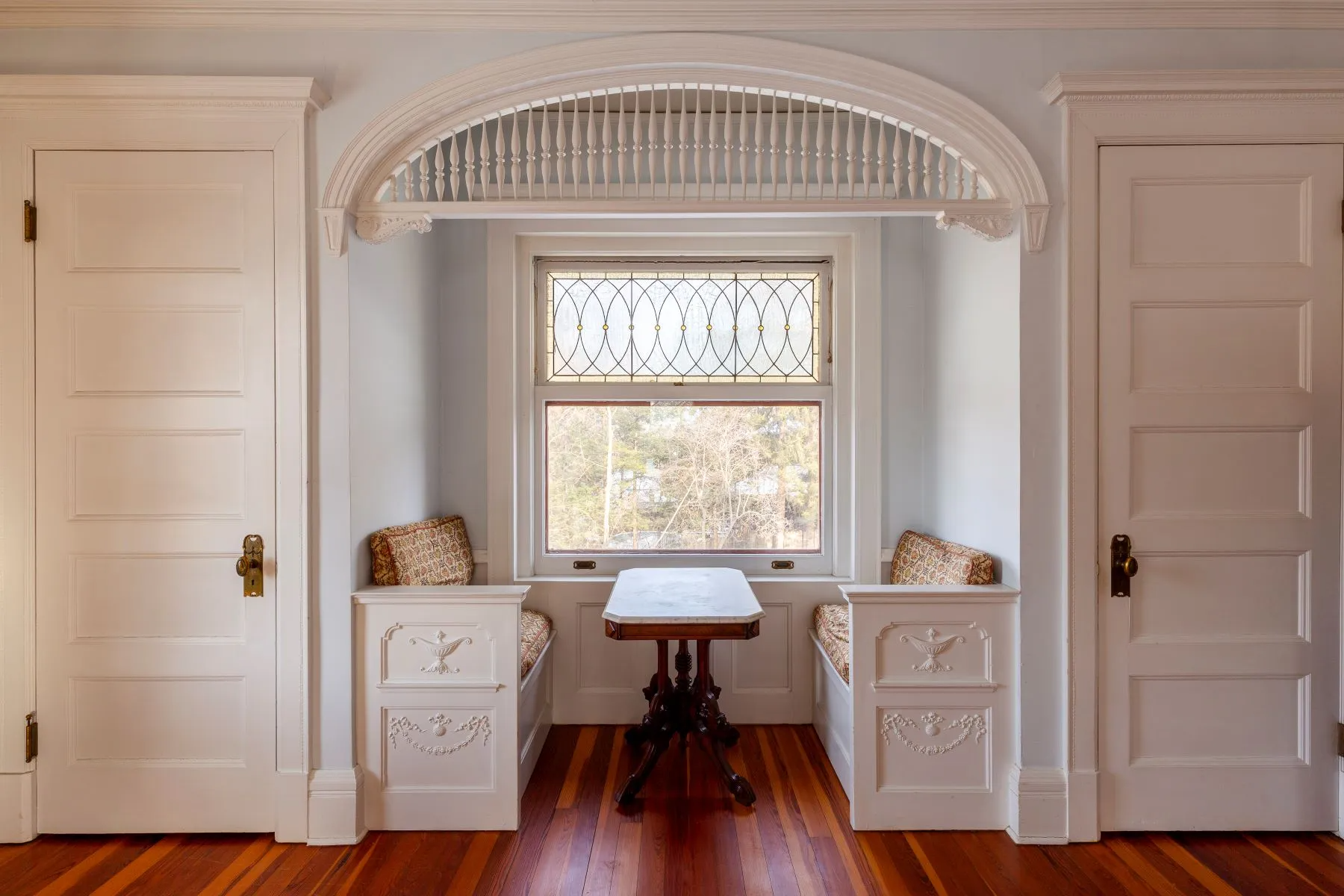
A landing on the grandly proportioned stair has a step up into a curved nook outfitted with a window seat. It clearly wasn’t meant to be a modest feature; it is set off by an arched opening framed by pilasters.
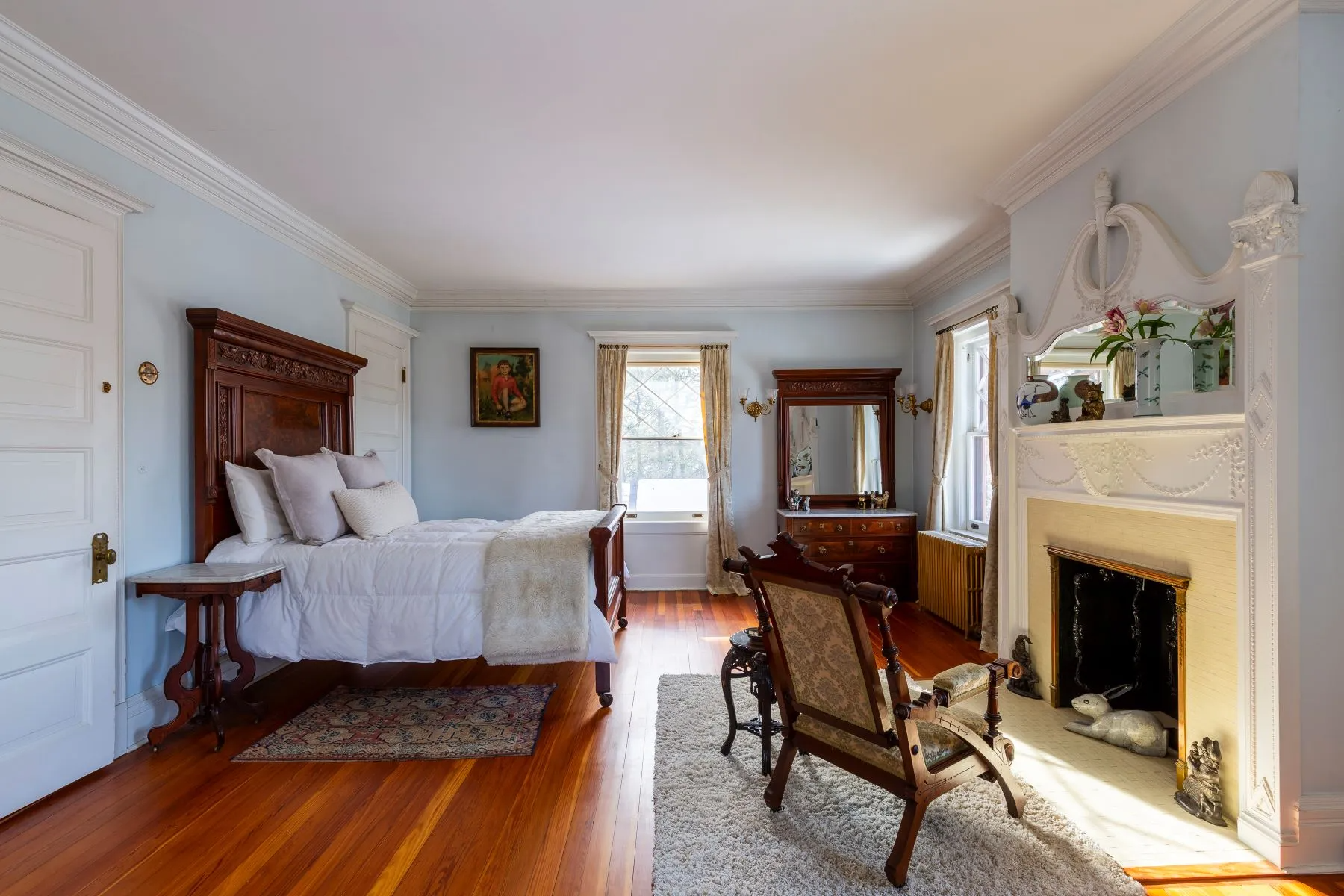
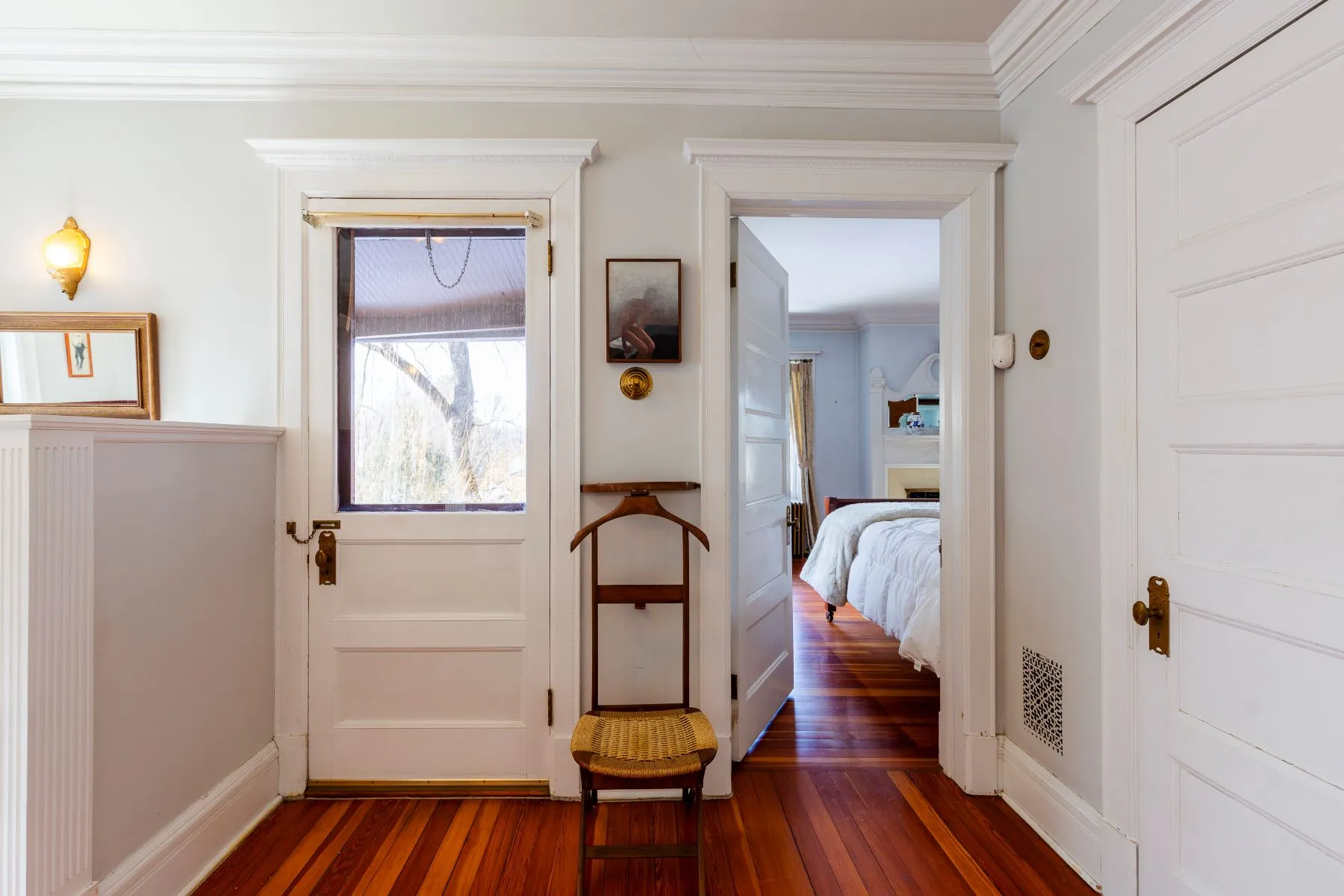
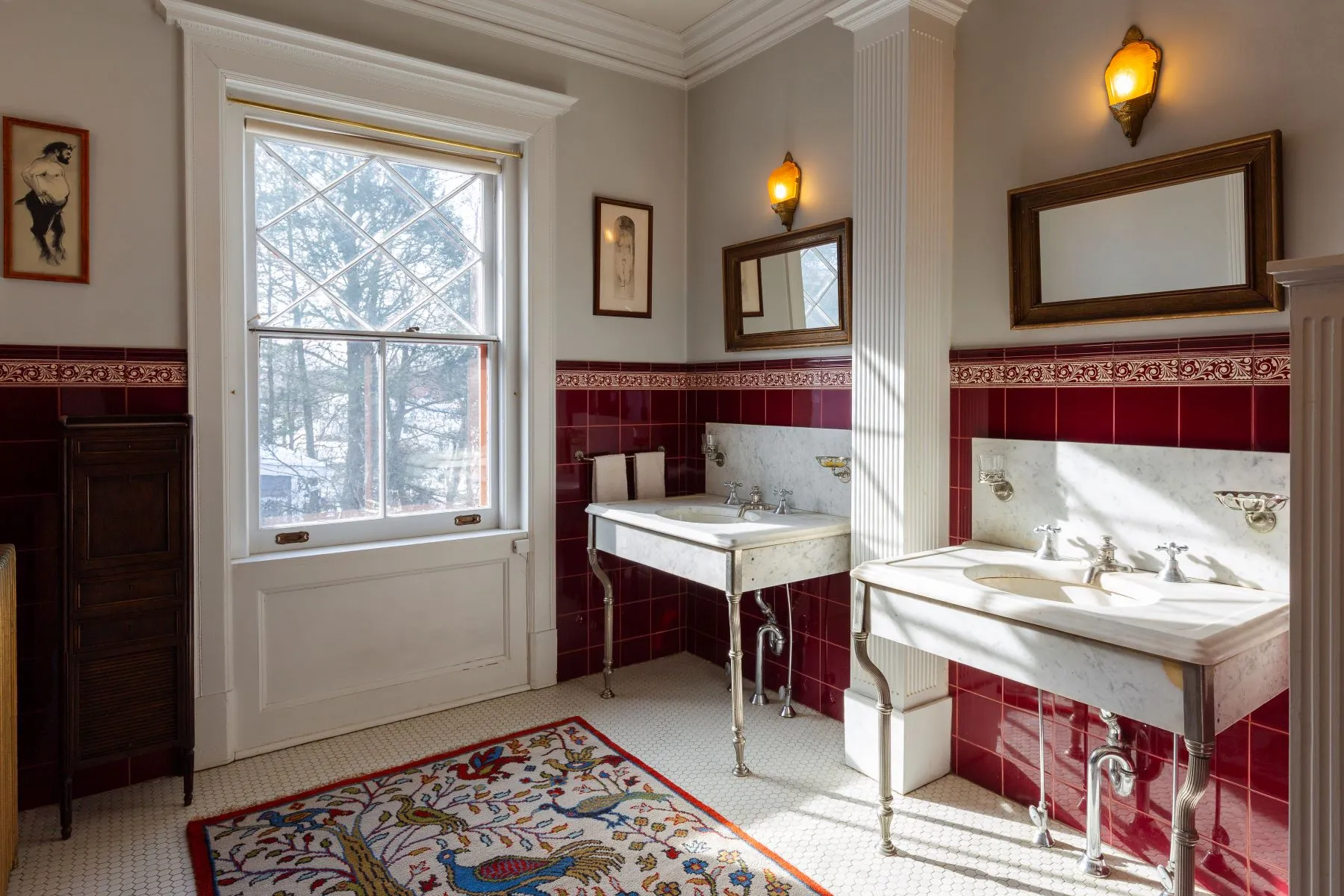
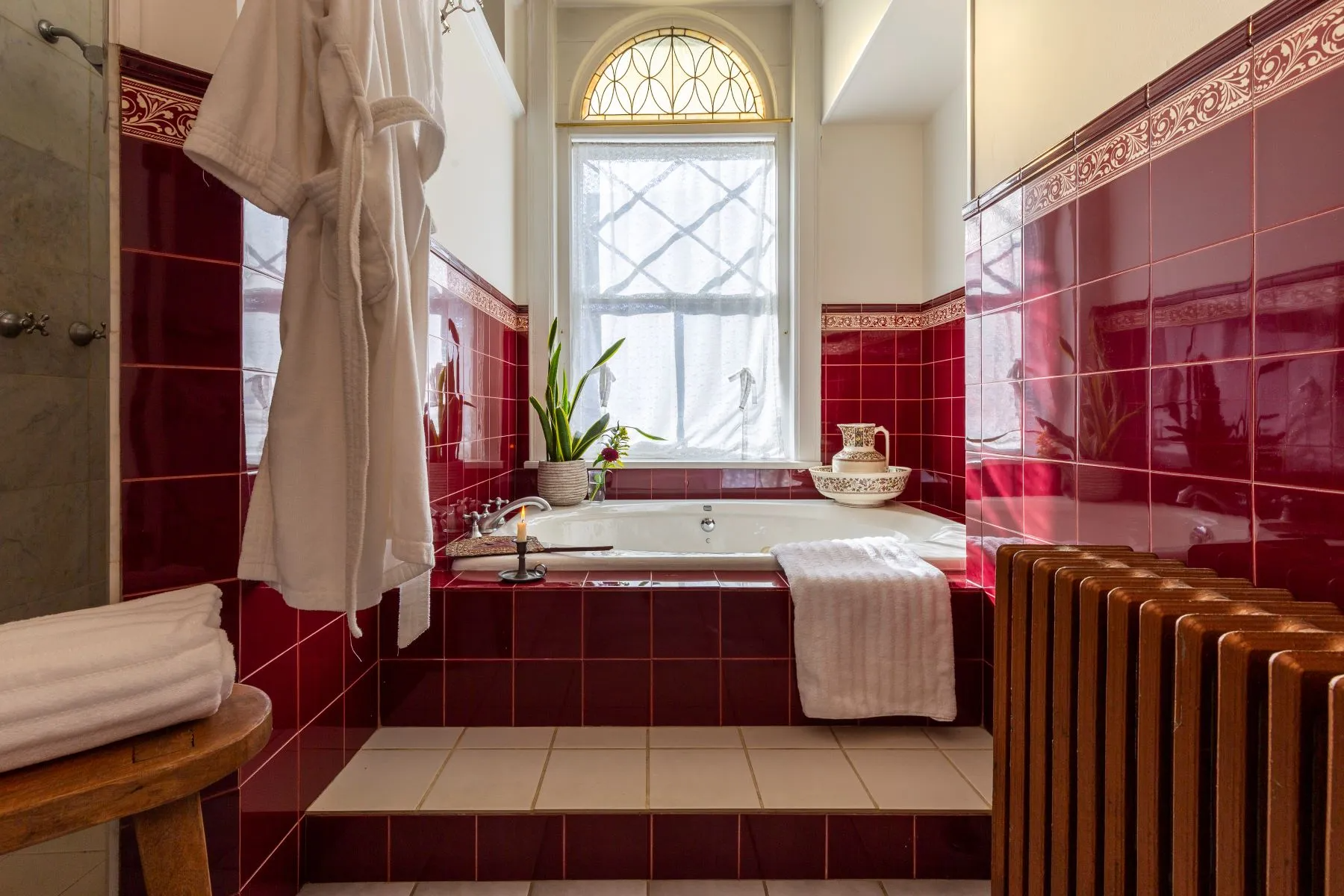
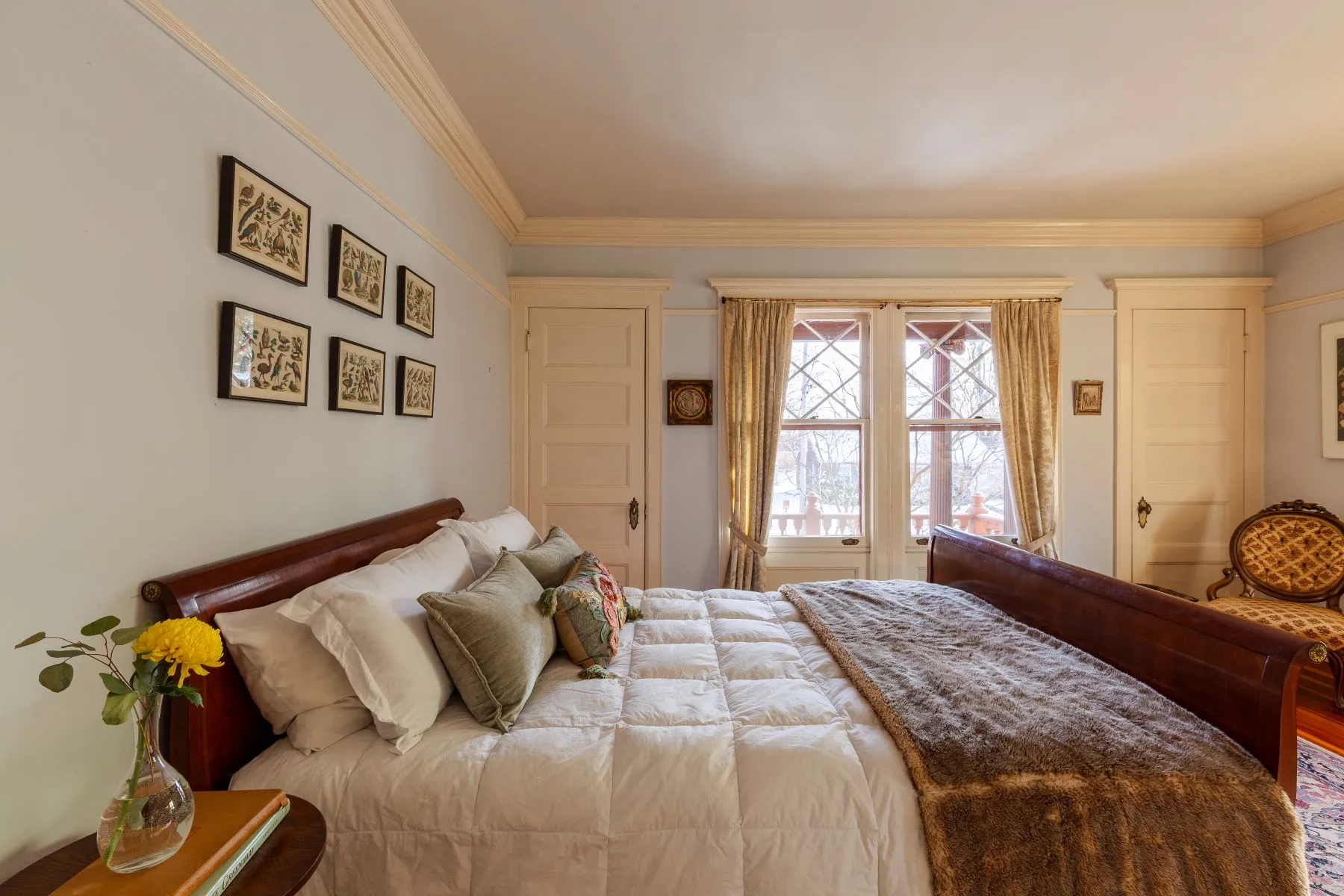
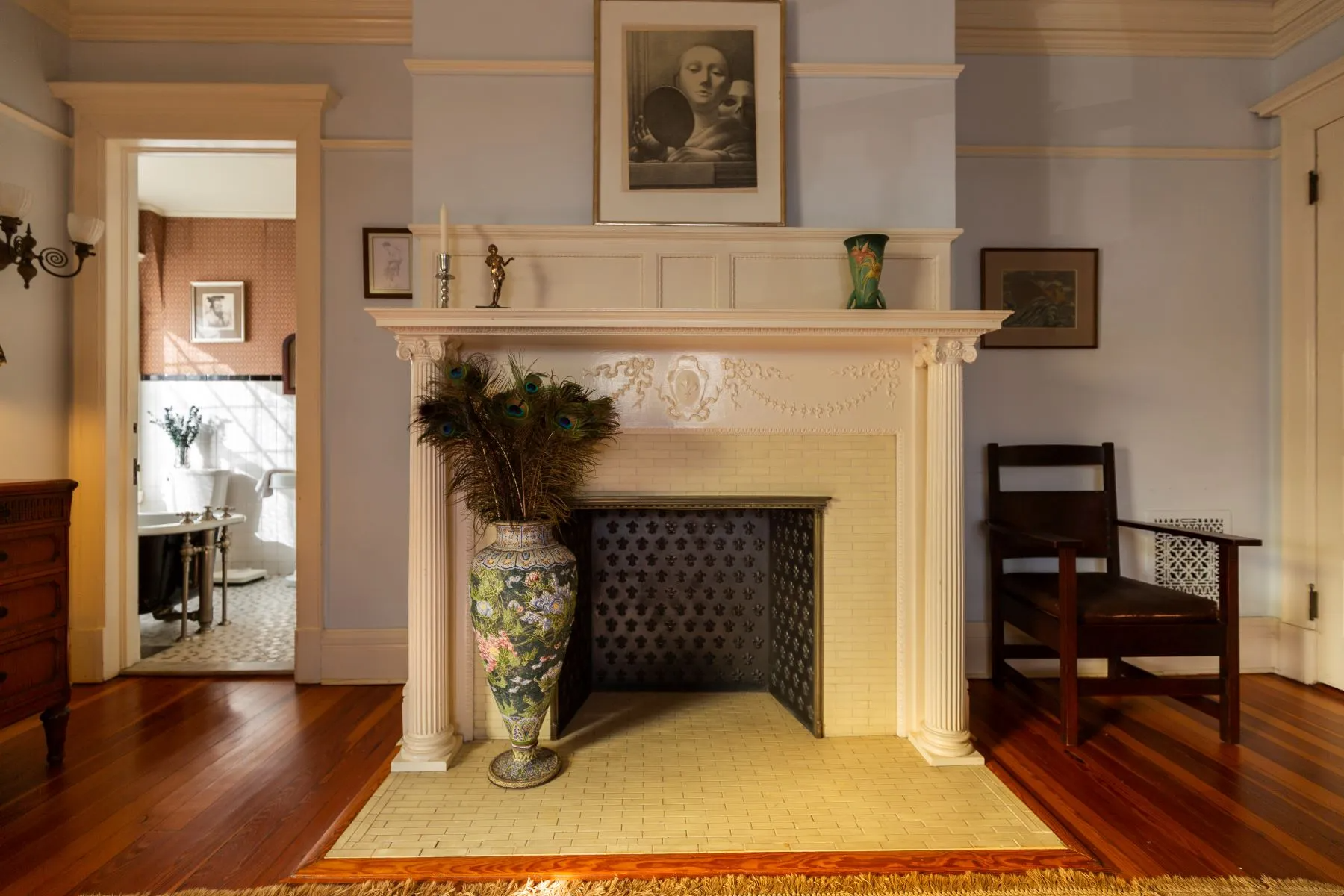
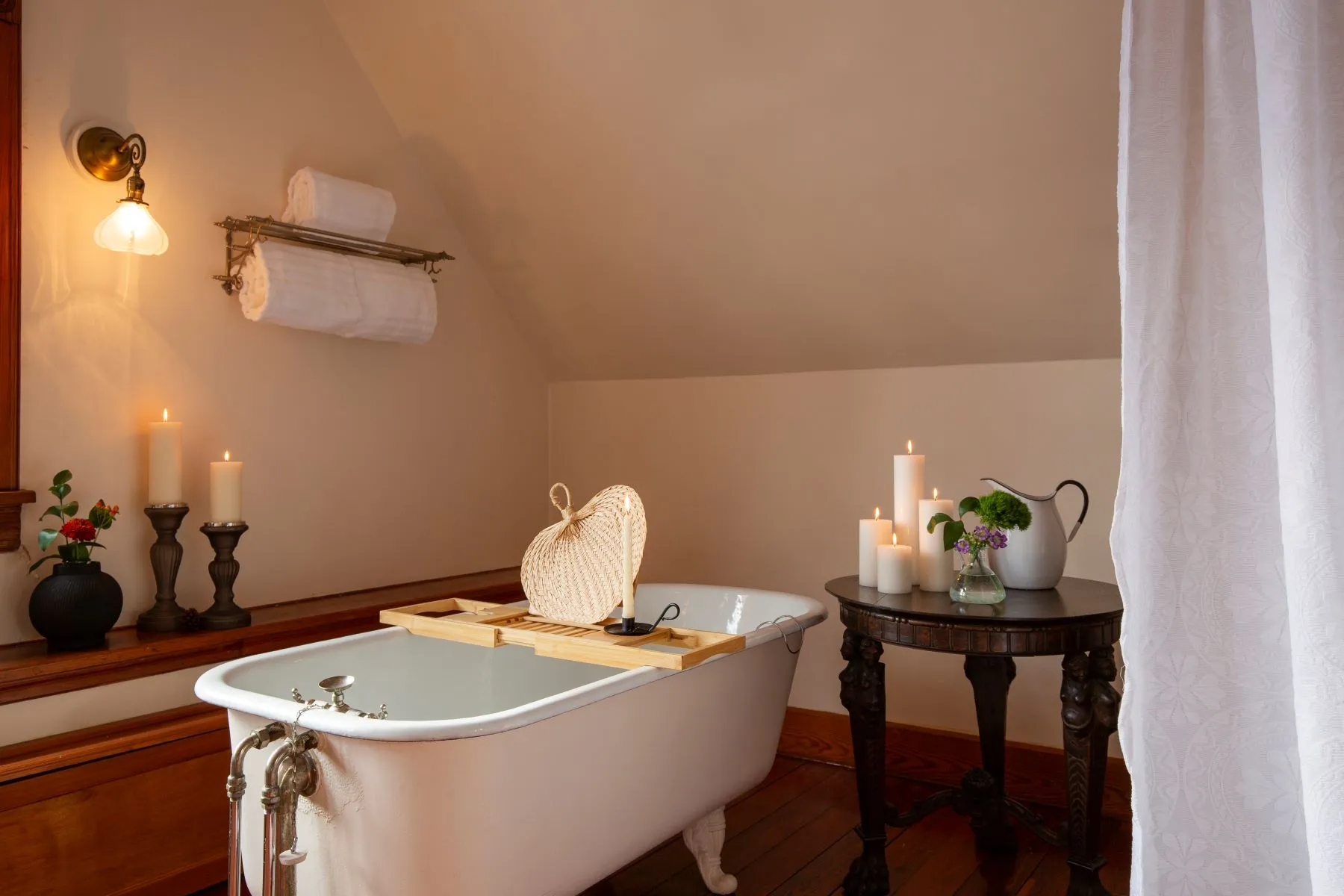
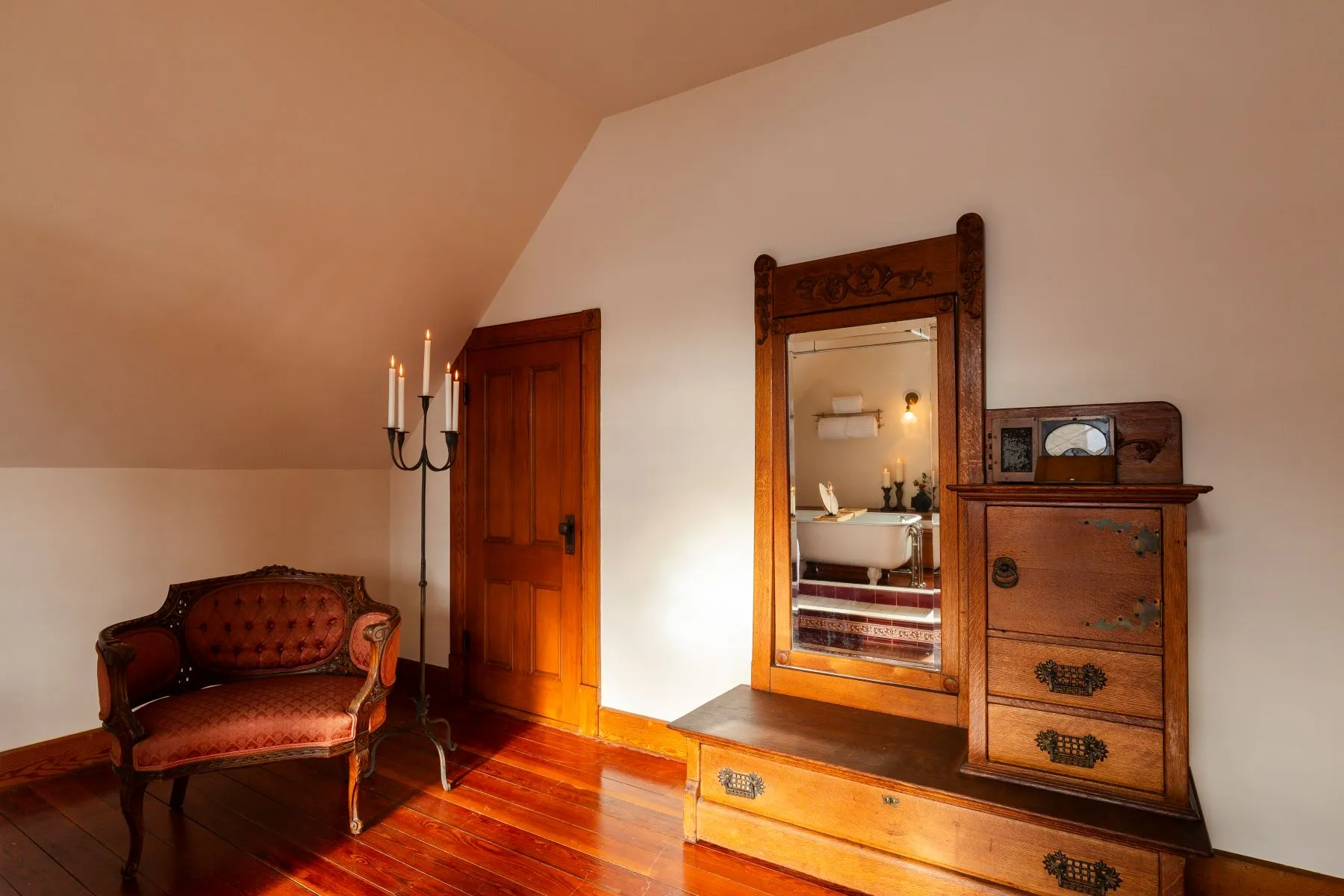
The second floor includes a wainscoted hall with a brick fireplace and room for a seating area. The largest bedroom includes yet another mantel, a nook with built-in benches, and an en suite bath with matching marble sinks. A bathroom on the top floor includes a clawfoot tub.
The listing notes that updates to the house include a generator, a new roof, and updated mechanicals.
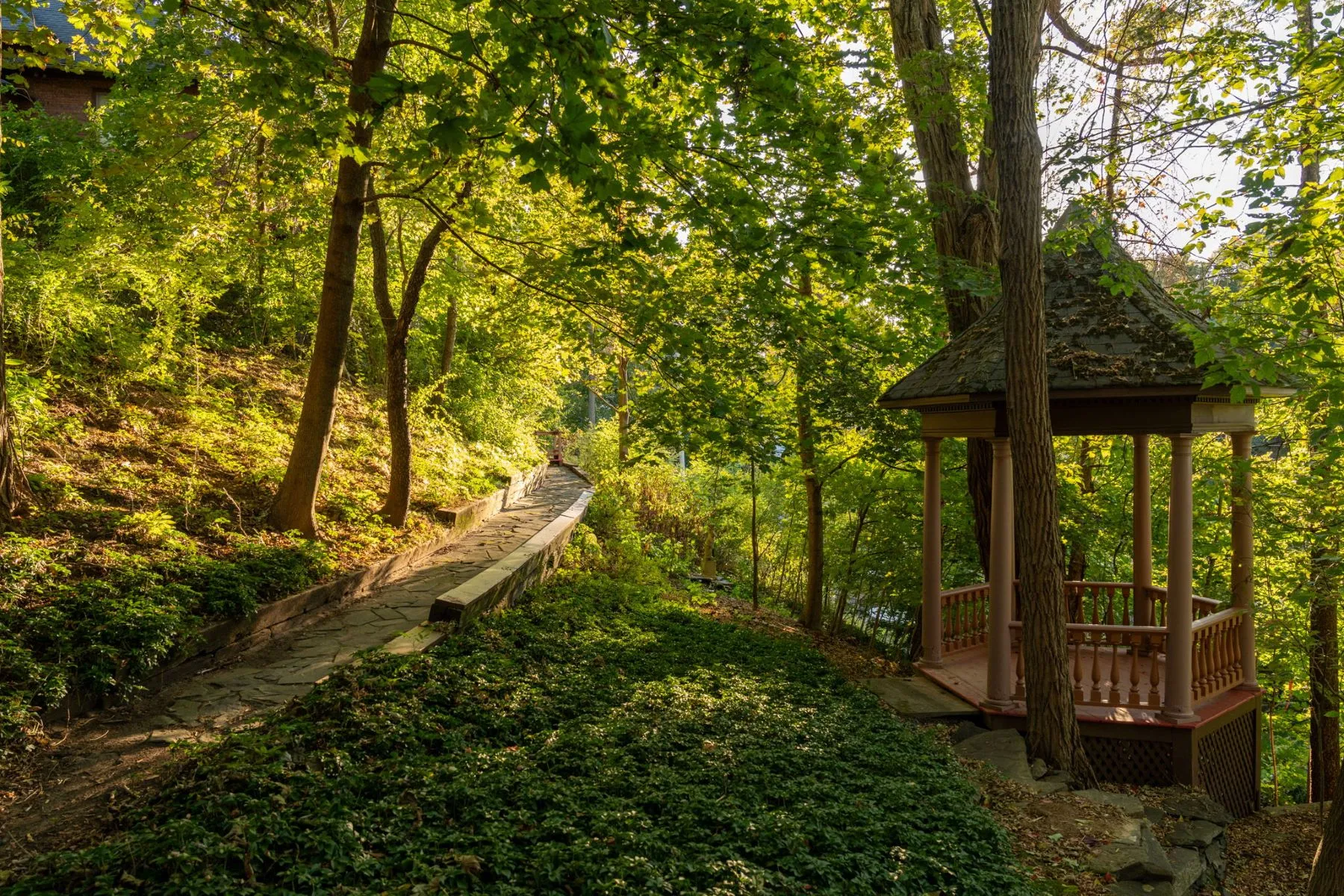
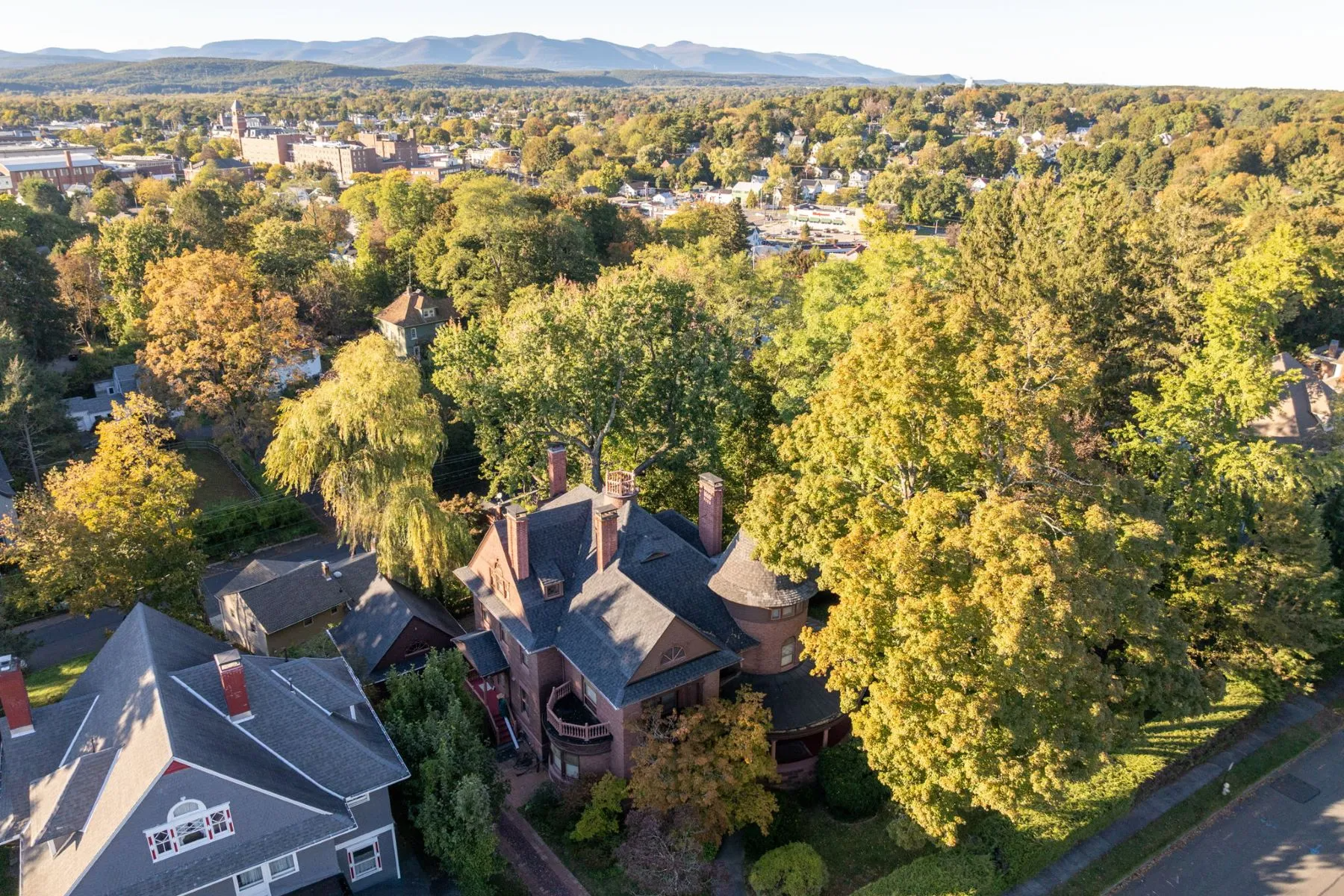
An aerial view of the property shows the half-acre yard includes large growth trees and a hedge bordering the sidewalk for a bit of privacy. A stone path in the yard leads to a gazebo.
Christina Ahouse of Four Seasons Sotheby’s International Realty has the listing and the property is priced at $2.25 million.



[Photos via Four Seasons Sotheby’s International Realty]
Related Stories
- Most Popular Upstate Listings of 2025: Greek Revival to Shingle Style
- A Picturesque Italianate Villa With Cupola Near Newburgh, Yours for $748K
- A Shingle Style Manse in Callicoon, Yours for $579K
Email tips@brownstoner.com with further comments, questions or tips. Follow Brownstoner on X and Instagram, and like us on Facebook.

What's Your Take? Leave a Comment