
Can this crack house be saved?
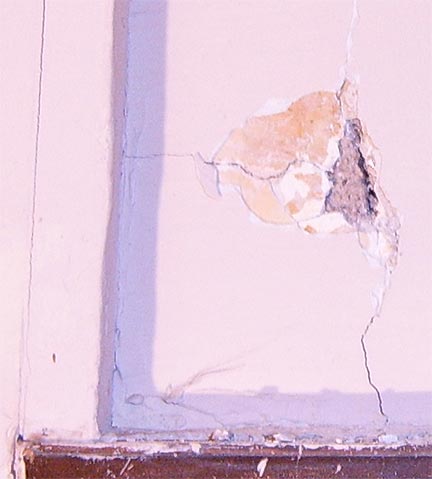
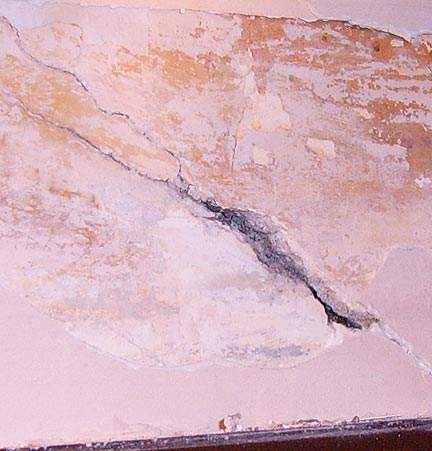
When I went to repair a few cracks in the plaster above my kitchen door, I removed the plaster surface and discovered that the wall underneath the plaster appears to be cracked as well. We bought this house (a 1890s limestone) about a month ago and, naturally, I’m worried. What to do? I realize that…

When I went to repair a few cracks in the plaster above my kitchen door, I removed the plaster surface and discovered that the wall underneath the plaster appears to be cracked as well. We bought this house (a 1890s limestone) about a month ago and, naturally, I’m worried. What to do? I realize that cracks in plaster are common and nothing to get worked up about, but what if there are cracks beneath the surface? Should we call a structural engineer? (And if so, any recommendations?)
Images for reference: Crack 1 | Crack 2
‘new ticky tacky’
that made me laugh!
Welcome to the wonderful world of old houses–nothing to worry about and you might as well accept that NO repair you make will be permanent–that’s the trade off with owning a REAL house as opposed to new ticky tacky.
Don’t worry very common. Is this your party wall or an interior wall? If its the party wall then its three layers directly on brick. You can see it was already repaired before ( not so skillfully I might add judging by the messy way it meets the moldings) and is cracking again. There are at least a half dozen posts in this forum dealing with plaster repair. Check out the archives. A simple repair made by any half decent painter will take care of your problem.
I am in no way an expert, but if they are original plaster walls, then they are made up of only a couple of inches of plaster at the most. Underneath the plaster is either a brick masonry wall or a wood frame wall and wooden lathe. So cracks in the surface may penetrate all of the plaster, but it is still probably caused by normal settling over the past century plus. I would scrape out the loose plaster, patch, skim coat, etc.