
Revised Fort Greene Church Tower Plan Needs Tweaks, LPC Says
Commissioners told the design team to make further adjustments to the revised plans for the Hanson Place Methodist Church addition.

Rendering by FXCollaborative and ADP Architects via LPC
Fort Greene’s neo-Gothic Hanson Place Methodist Church is on track to become the base of a more than 20-story apartment tower, with the Landmarks Preservation Commission indicating general support for the concept. But at its meeting this week, commissioners again sent the design team back to refine the proposal, saying more changes are needed before it can move forward.
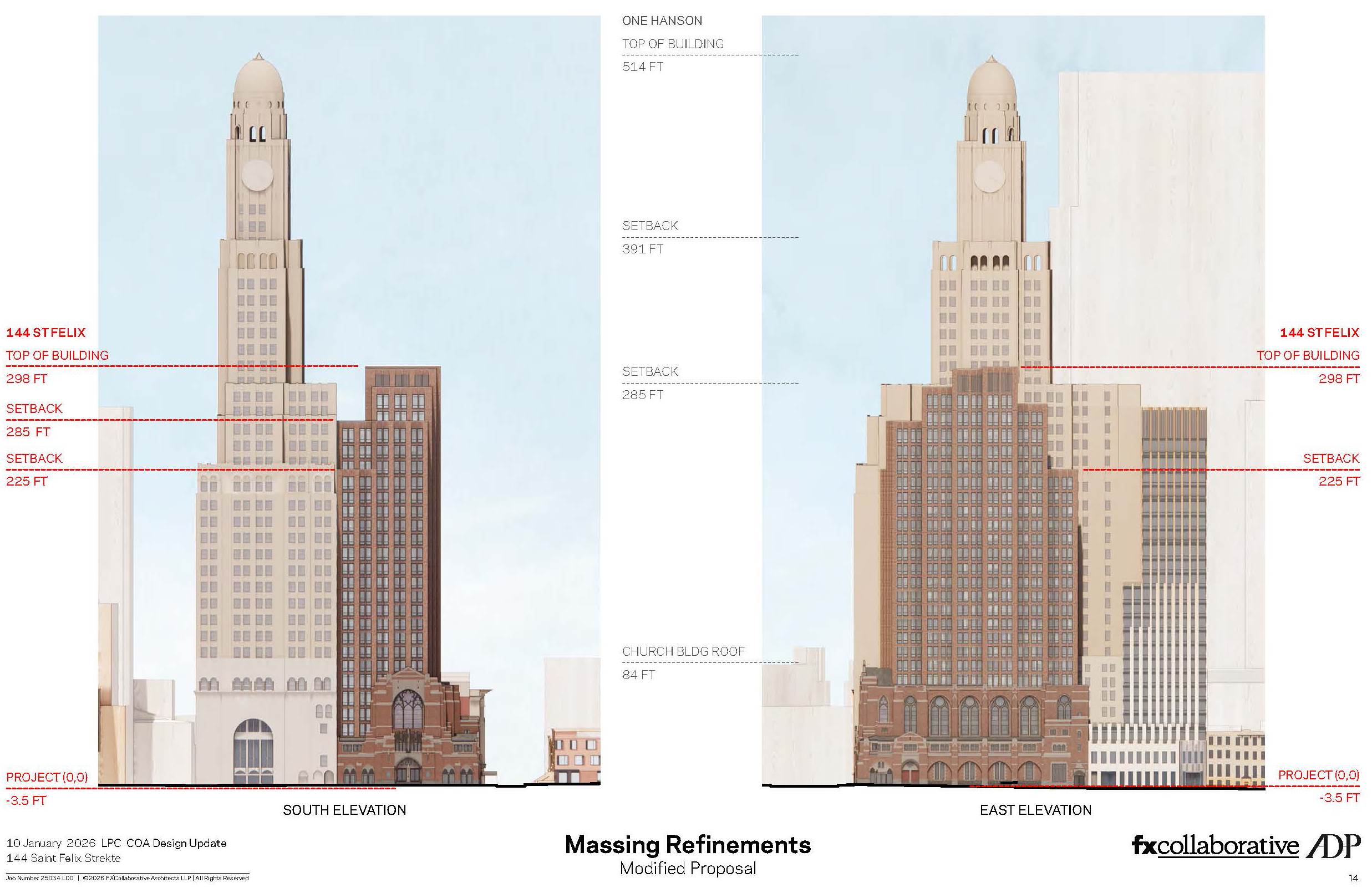
At Tuesday’s LPC meeting, commissioners showed support for the adaptive reuse and development project at 144 St. Felix Street, in the Brooklyn Academy of Music Historic District, and praised the design team for responding to feedback at a January 13 meeting. Revisions requested at that meeting included a reduction in height from 328 feet to 298 feet, as well as bulk reductions and increased retention of historic church fabric, including preservation of the northern bay.
Still, commissioners said more work was needed, particularly in regards to the tower’s height and massing in relation to One Hanson Place (Williamsburgh Savings Bank Tower) and the proposed development at 130 St. Felix Street. Concerns also centered on the transition between the church and the new tower and the planned replacement of the church’s peaked northern wall.
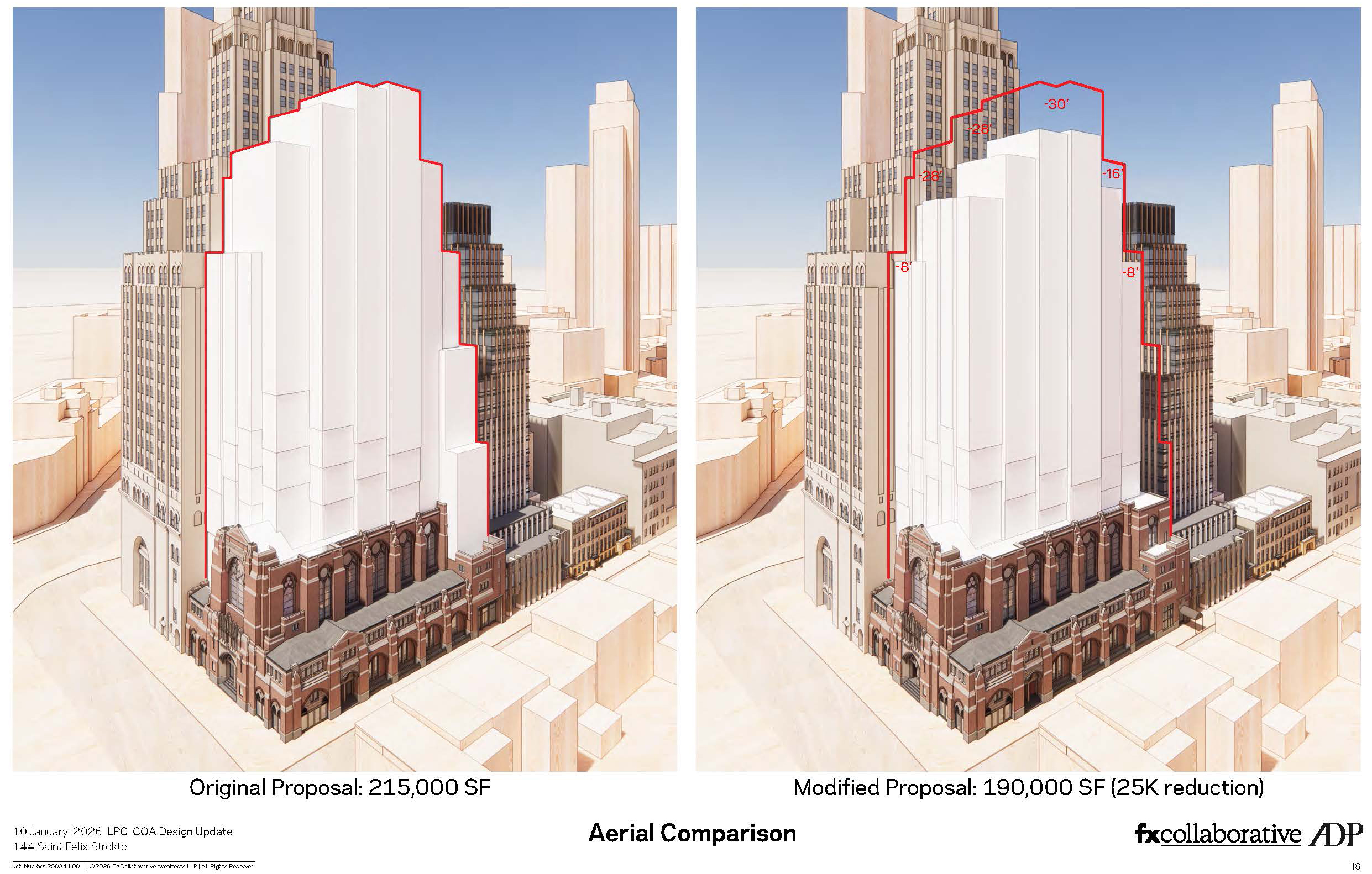
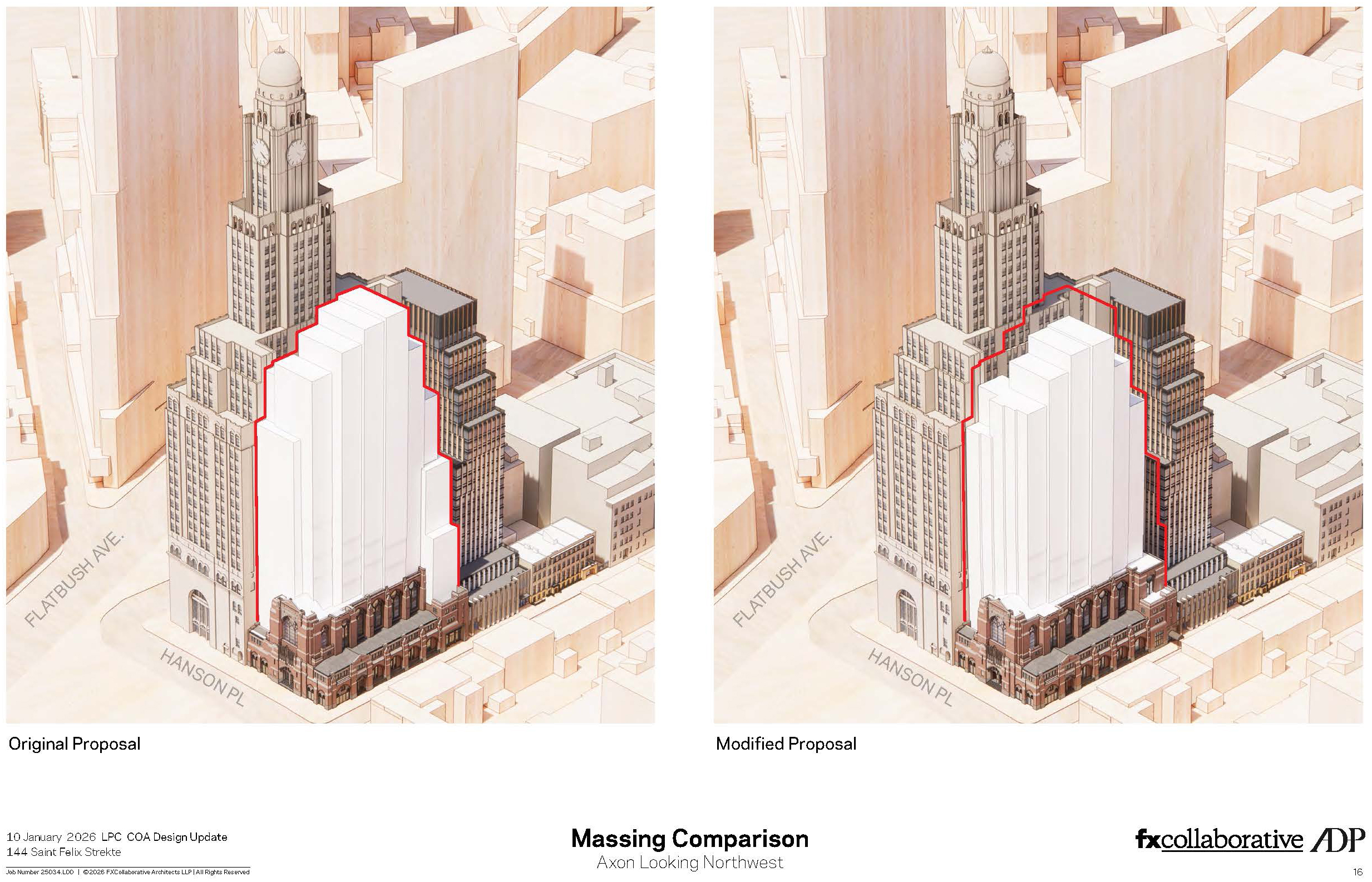
Dan Kaplan of FXCollaborative Architects and Drew Hartley of Acheson Doyle Partners Architects presented the revised plans. Kaplan said the changes were intended to bring the church building back to prominence while creating a tower massing that is sympathetic to the historic structure and appropriate within the district.
The updated design reduces the tower’s height by 30 feet and its bulk by 12 percent. It preserves the northernmost bay along St. Felix Street, eliminates cascading sections at the north end, simplifies the Hanson Place facade, sets the building farther back from St. Felix Street, and retains more historic church fabric.
The proposal also calls for reconstructing much of the church’s northern wall, which the team said is structurally compromised, using new materials aligned with the tower. The plan would flatten the existing peak and relocate the rose window to a more visible location inside the lobby.
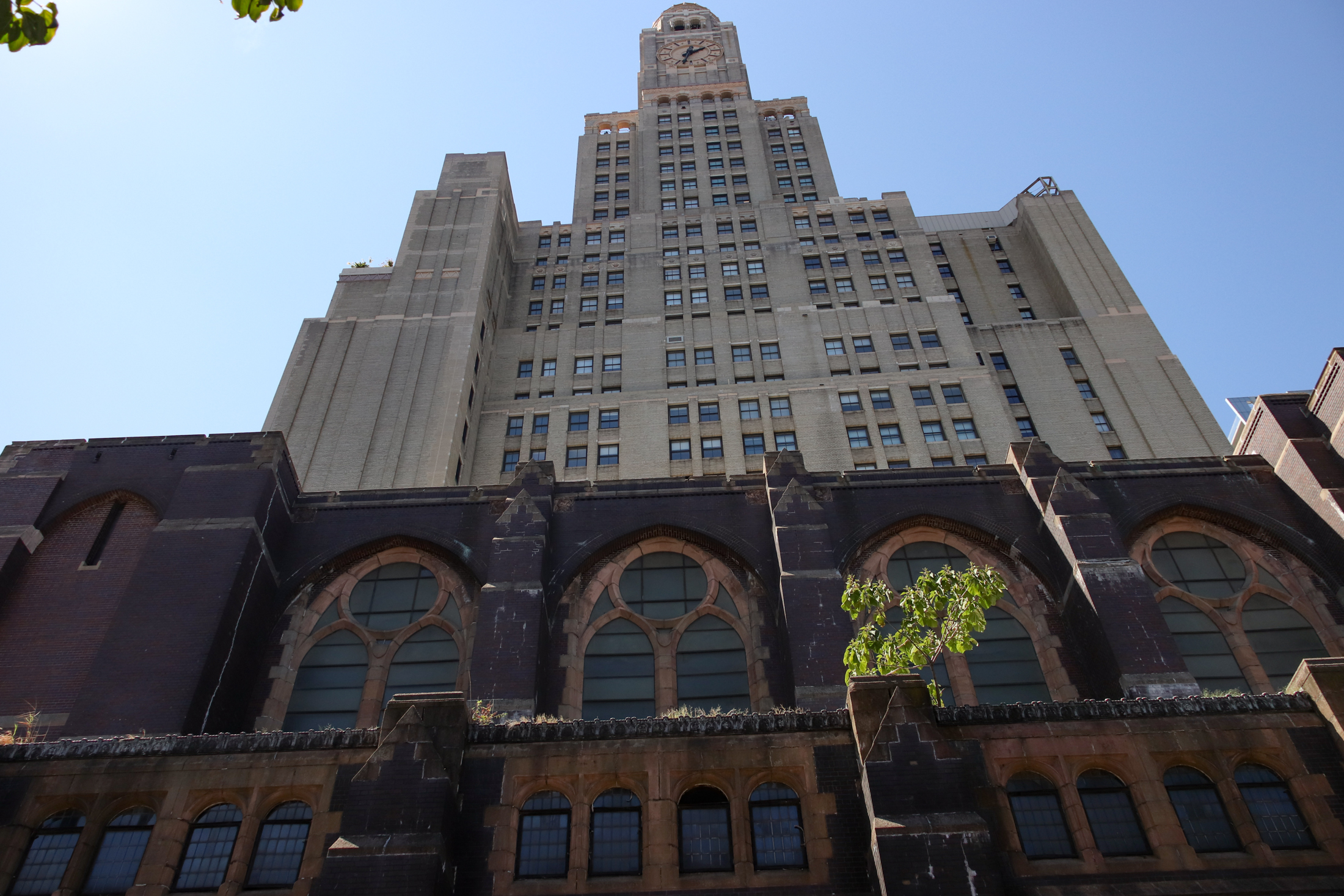
In response to earlier commissioner requests, the design team increased the amount of the church structure to be preserved and reused, including additional stained glass windows, wooden doors, and existing entrances. Hartley emphasized that the project aims to preserve the story and memory of the building and its role in the community through the retention of those architectural elements.
Overall, commissioners agreed the revised plans are significantly closer to being appropriate for the site. They praised the reduced height and bulk and the expanded preservation efforts. Commissioner Frank Mahan described the project as highly complex, saying “while we may not make our decisions on these sort of larger issues, this is really attempting to navigate through this microcosm of this project, issues of history, of development, how we all collectively picture our own city in our mind’s eye, and really the meaning of preservation ultimately.
“I think that this project is asking us to question how can we, in a sense, activate the forces of preservation through development, through change and the management of change.”
Like many commissioners, he expressed a preference for retaining the northern peak and keeping the rose window in its original location.
Several commissioners also raised issues with the tower’s massing, saying its height should reference datum lines set out by One Hanson Place, which many agreed should remain the dominant tower in the area.
Multiple commissioners also said the junction between the church and the tower was too abrupt. Some suggested introducing a setback or other architectural device to mediate between the historic church and its contemporary addition. Commissioner Stephen Chu said the removal of the roofline along St. Felix Street makes the transition difficult to read, adding “I feel like it is a little abrupt, just growing right out of the building.”
Commissioner Michael Goldblum said “some kind of architectural device that marry the two together” would help with the transition, and referenced the Hearst Tower project as an example. Goldblum said he thought the new building should not project closer to St. Felix Street than the midrise section proposed at 130 St. Felix Street and said the 225-foot height of One Hanson Place should serve as a guiding datum for the tower’s massing.
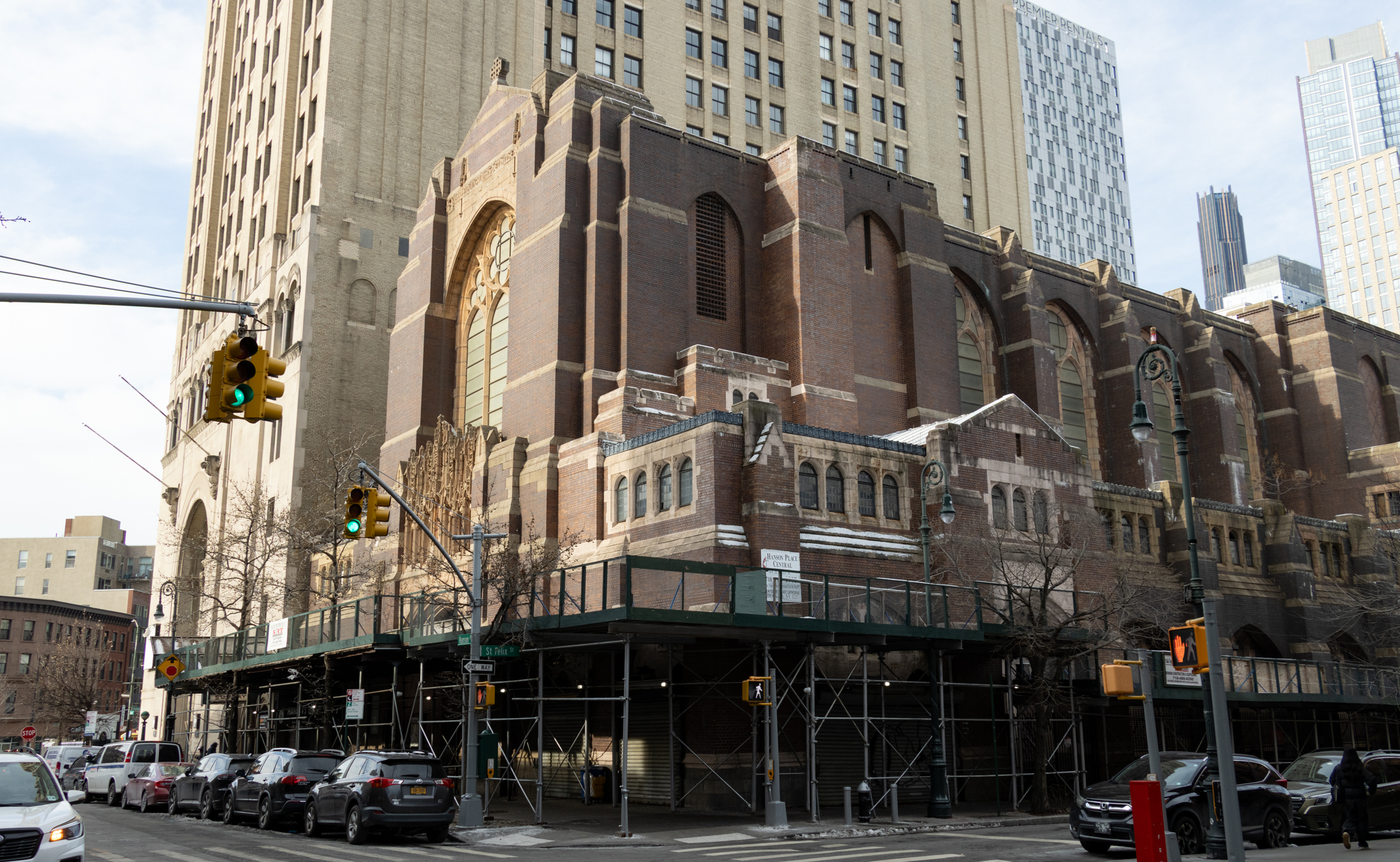
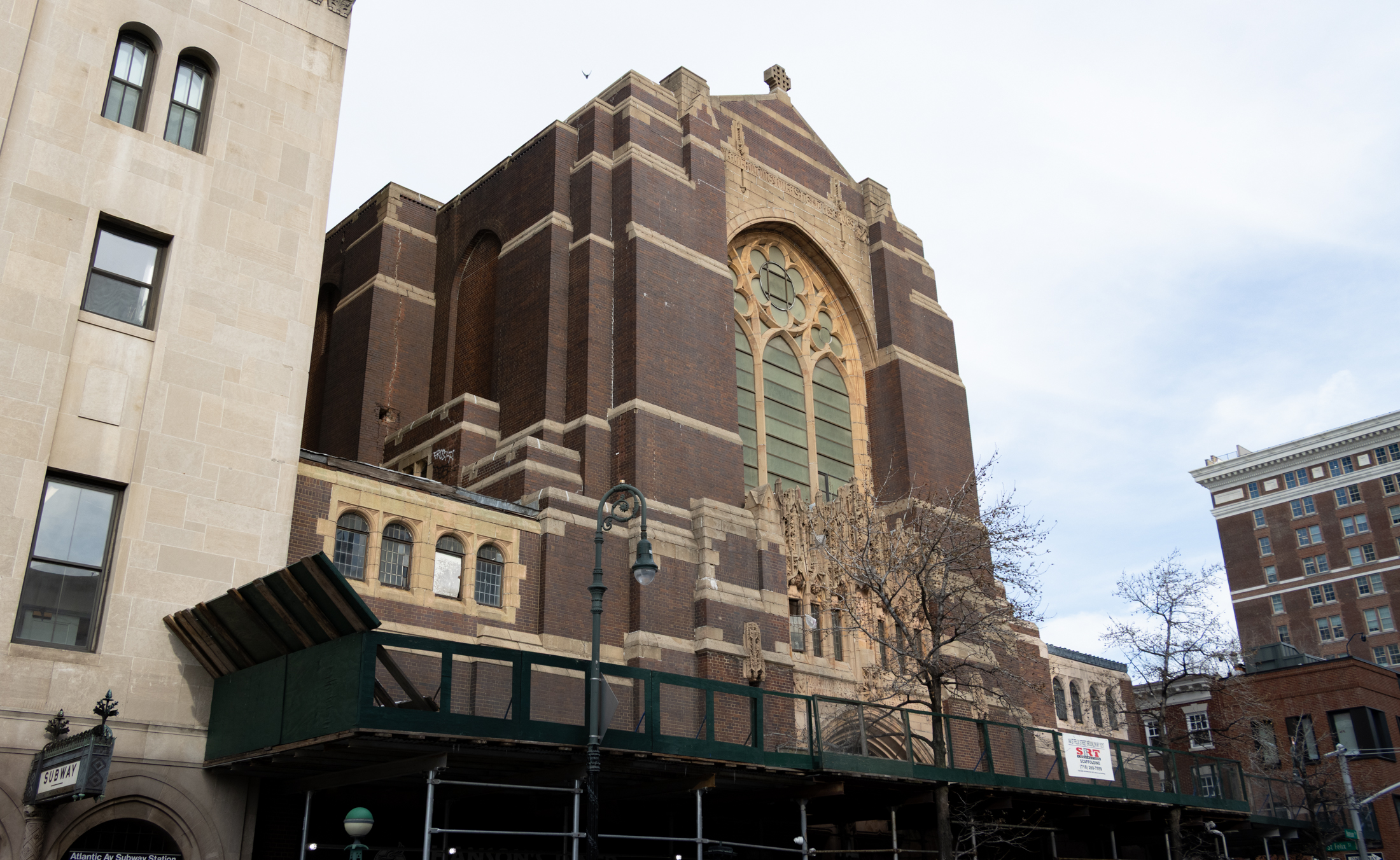
“A lot of churches are getting looked at from a lot of different points of view and it’s important that this is a success. I think it’s important that we kind of, as a commission, state our views that churches can be added to significantly, but it has to be done in a way that’s contextual and that’s sensitive to the church,” Goldblum added.
Tuesday’s meeting followed a January 13 public meeting where commissioners gave feedback on the initial plans and a December 5 public hearing that drew more than 80 speakers both for and against the project.
At the latest meeting, LPC staff clarified that public testimony is taken during public hearings, not public meetings. In public meetings, applicants come back with revisions in response to commissioner comments rather than with entirely new designs. While no oral testimony is accepted at those meetings, written comments from the public are distributed to commissioners, LPC staff said.
Following the January meeting, staff said the commission received a letter from the Historic Districts Council recommending denial, a letter from the Residential Board of One Hanson Place recommending denial, and written comments from 24 individuals, all calling for denial.
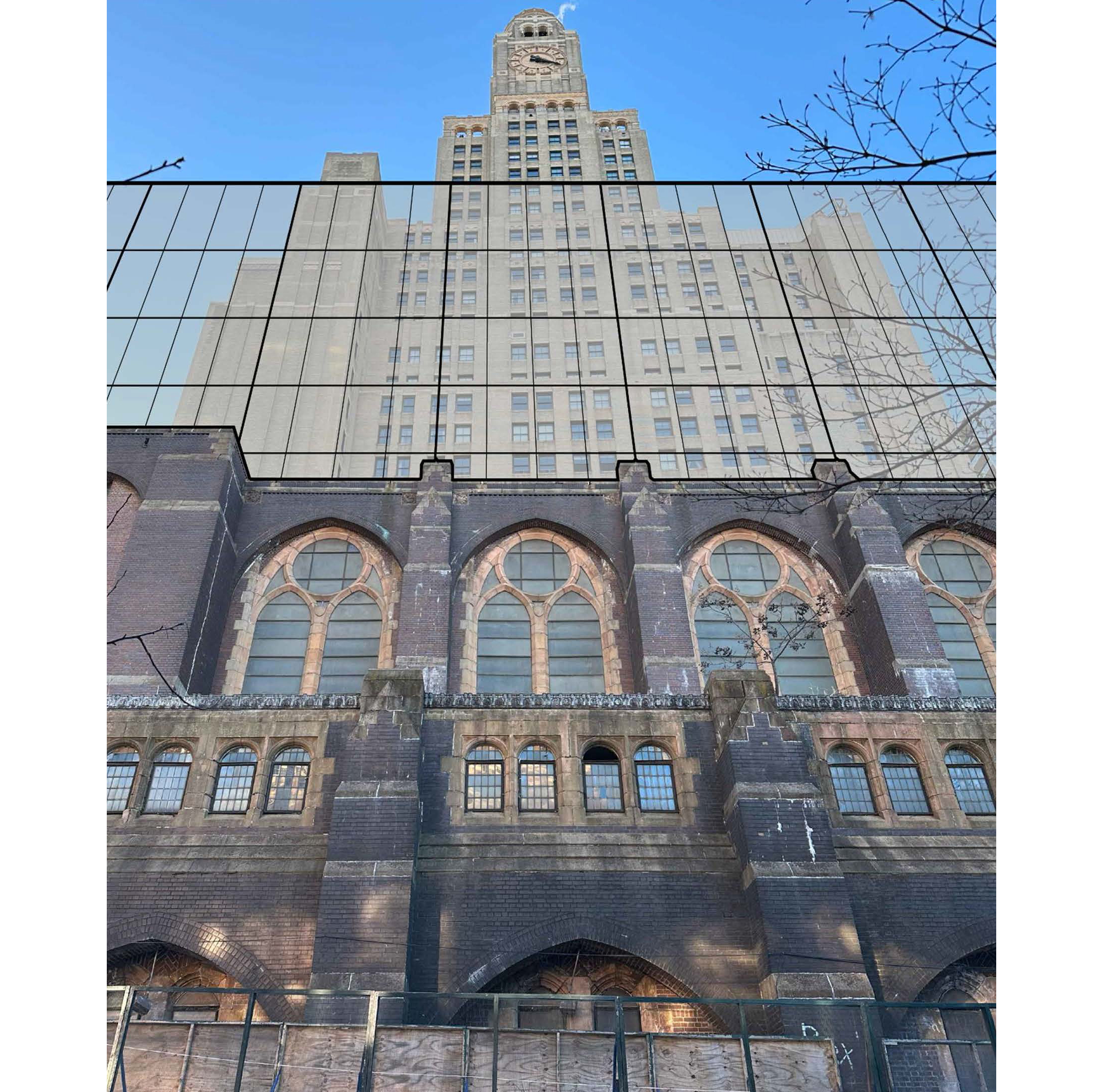
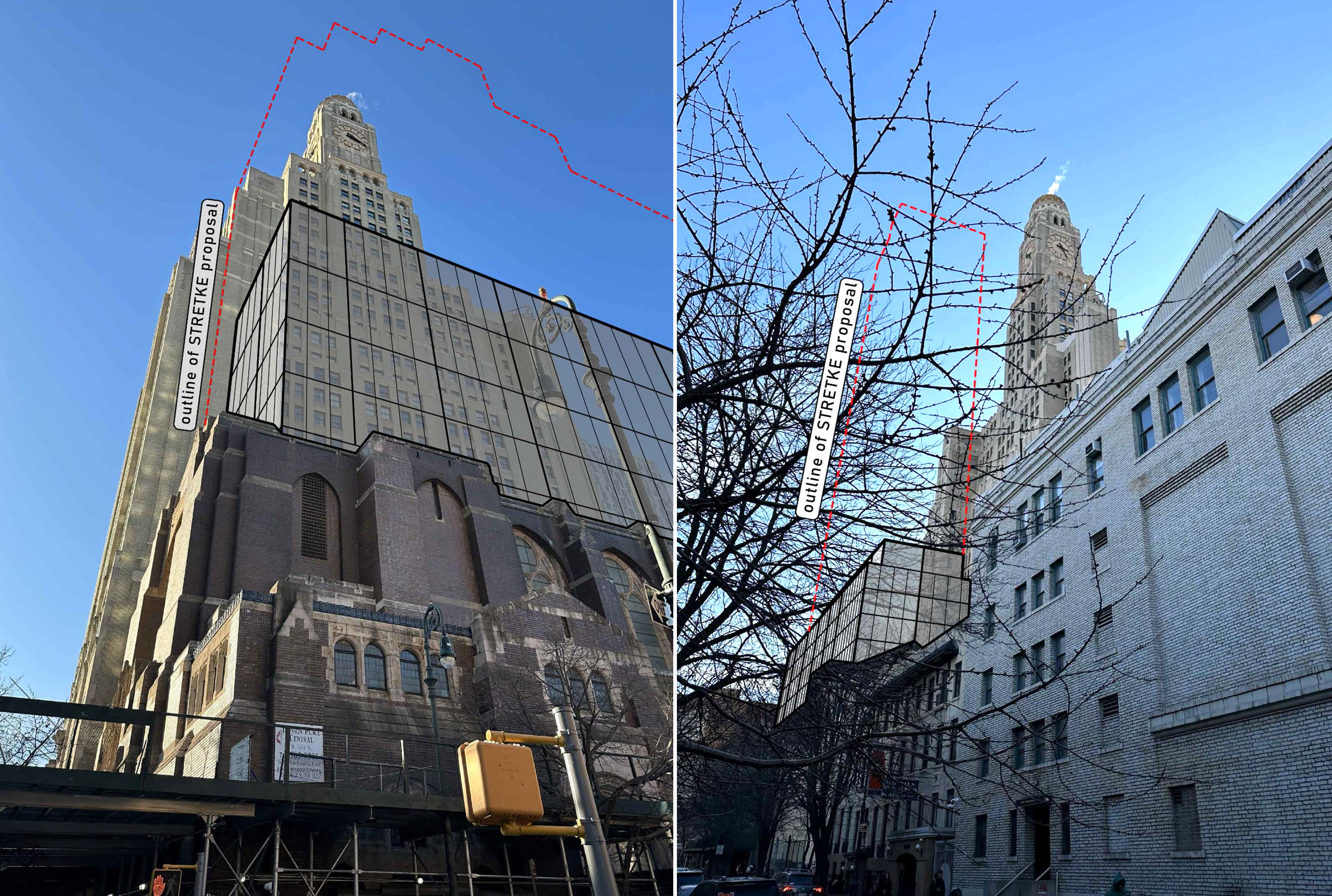
Before the meeting, the residential board of One Hanson Place circulated a statement to commissioners and Brownstoner that included mockups showing what a smaller, nine-story residential building might look like on the site.
The board argued that nine stories would be the tallest appropriate height for the location and warned that approving the proposal in its current modified form could set a precedent for out-of-scale construction in this historic district and others. The board also noted that 80 of the 92 buildings in the district are three stories or fewer, with seven others four stories, and questioned how a significantly taller tower could be considered appropriate in that context.
LPC Chair Angie Masters said staff will continue working with the design team on refinements, and the project will return for the commissioners to review once revised plans are ready.
Related Stories
- Landmarks Signals Support for Tower Addition to Fort Greene Church
- Dozens Debate If Apartment Tower Would Diminish Landmarked Fort Greene Church
- Locals Push Back on 27-Story Tower Planned for Historic Fort Greene Church
Email tips@brownstoner.com with further comments, questions or tips. Follow Brownstoner on Twitter and Instagram, and like us on Facebook.
What's Your Take? Leave a Comment