
Building of the Day: 52 Tompkins Place
Brooklyn, one building at a time. Name: Row house Address: 52 Tompkins Place, between DeGraw and Kane Streets Neighborhood: Cobble Hill Year Built: 1852-53 Architectural Style: Italianate Architect: Thomas S. Purdy (Builder) Landmarked: Yes, Cobble Hill HD (1969) The story: As one of Brooklyn’s older brownstone neighborhoods, Cobble Hill has a serene elegance that is…


Brooklyn, one building at a time.
Name: Row house
Address: 52 Tompkins Place, between DeGraw and Kane Streets
Neighborhood: Cobble Hill
Year Built: 1852-53
Architectural Style: Italianate
Architect: Thomas S. Purdy (Builder)
Landmarked: Yes, Cobble Hill HD (1969)
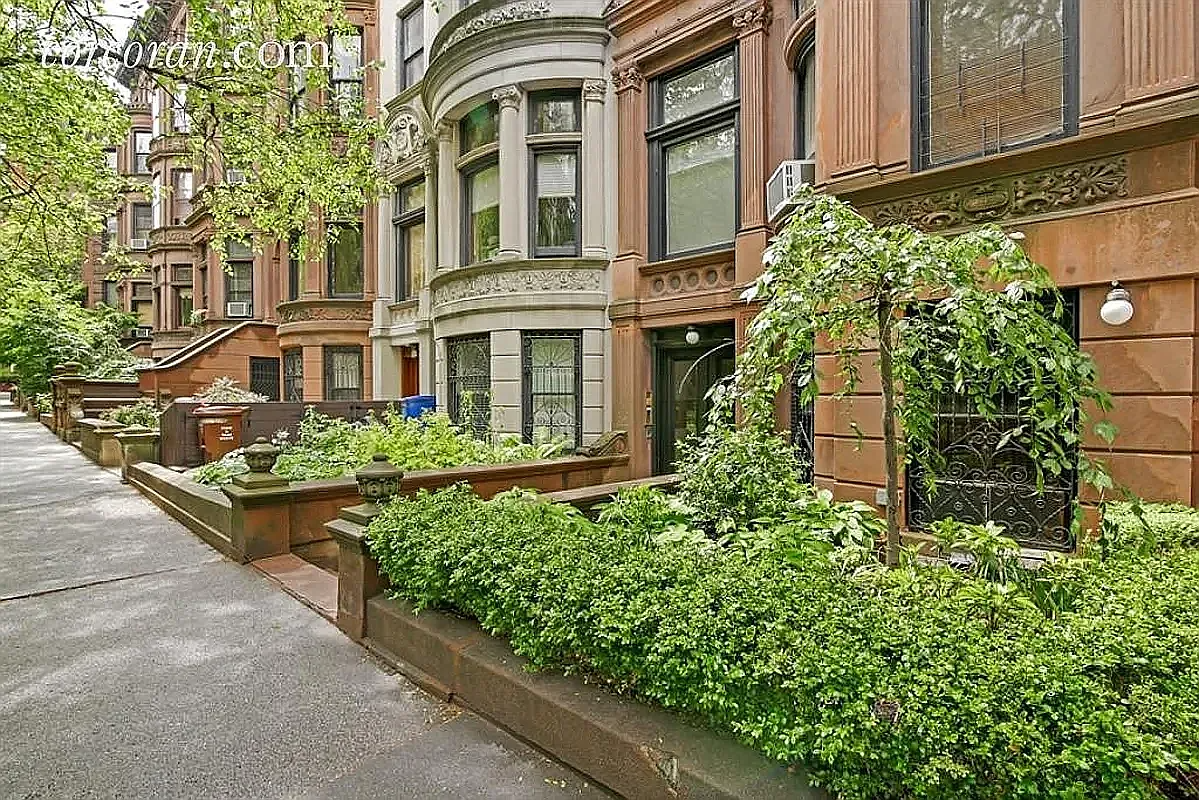
The story: As one of Brooklyn’s older brownstone neighborhoods, Cobble Hill has a serene elegance that is quite unique. Small side blocks like this one, nestled in between more well-traveled streets, are especially so. There is a lot of renovation on Tompkins today, an indication of the popularity of the neighborhood. The fine houses of the Greek Revival and Italianate periods are on full display here on this block.
The Italianate style is usually characterized by the brownstones with the heavy acanthus leaf brackets, flanking doors and often windows, but the style classification is broad enough to include more than just that one expression of the style. This is another: featuring the classic flat-faced brownstone façade with cast iron or carved lintels, usually in a very three dimensional floral arrangement, or like here, with more elements of a Classical architectural theme, complete with pared down acanthus leaf brackets. The three dimensionality of the ornament is highlighted by the smooth brownstone finish, with the period’s classic elongated parlor floor windows and the high double doors with a transom window completing the picture.
And what a difference these lintels make. They are very well done, and the limestone is in excellent shape. I especially like the graceful brackets framing the two parlor floor window lintels. The elaborate curved lintels on the parlor floor are echoed by the plain “eyebrows” on the third floor, as well as the very subtle curves of the cornice. To contrast how much of a difference having the whole package makes, look at the house next door, which had a new, roofline constructed sometime in the mid-20th century.
We often don’t give builders that much credit for aesthetic choices, which is short sighted, because the best from this period were able to use pattern and design books, and just experience, to construct fine homes. This group is among the most interesting in the area, and hopefully, all of them can be restored to perfection. GMAP


the 1850’s and 60’s were the heyday of cast iron facades but cast iron features were rarely used in residential work. There are a handful of these houses in the Heights and Cobble Hill. I don’t recall reading about this in the history books nor of the trend in the 1880’s and 90’s to place pressed metal decorative lintels over the earlier plain lintels to update their look.
I have never seen any period writing about the introduction of cast-iron lintels – anyone else? It substituted factory work for the nominal craft of carving (although that was becoming factoryized, too).
Christopher
I agree, these are wonderful! I love the proportion of the window openings and how the segmental arch of the windows are repeated in the cornice. Just so simple and elegant.
All the lintels are cast-iron, which made these houses very cutting-edge for their day. There are two of this type in Brooklyn Heights, both had their stucco removed and are now brick facades, but I like them better like this, with the brownstone finish.